Growing Singapore Port Congestion
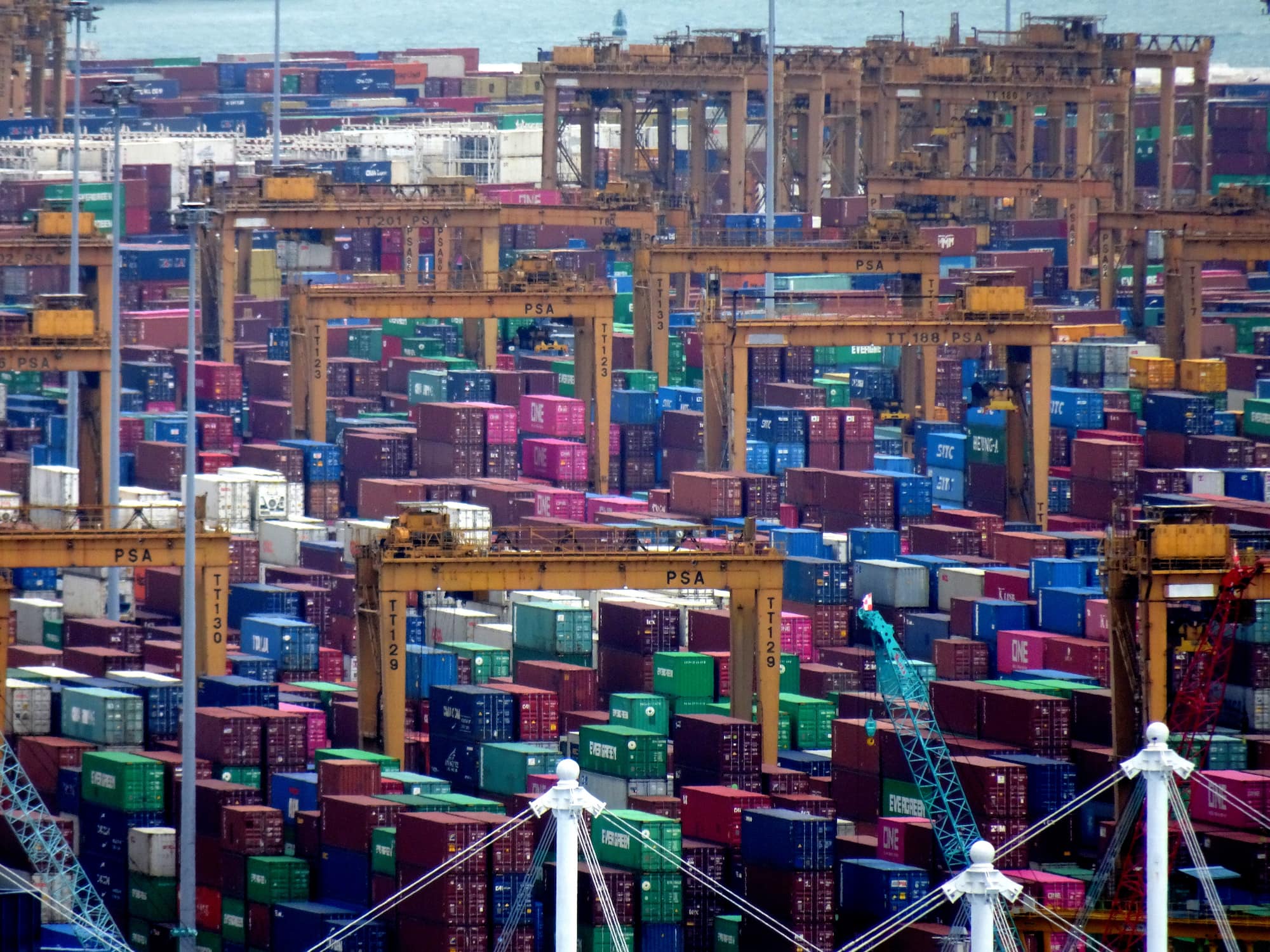
Over the last few weeks, an increase in container volumes has resulted in growing Singapore port congestion. The Port of Singapore is the 2nd largest seaport internationally, handling over 591.7 million tons of freight in 2023. Various international shipping circumstances have recently caused global backlogs across ports, with the Singapore port being an epicenter. A market intelligence firm report noted that nearly 450,000 TEU (Twenty-foot equivalents) are in the queue. For reference, this is a greater volume than the coronavirus pandemic. Shipping delays in the port have also doubled nearly in May, with vessels waiting almost seven days for a berth. What can the congestion mean for shipping as the peak season quickly approaches?
What Is Causing The Growing Singapore Port Congestion?
While different contributors are resulting in current port congestion, the Red Sea Crisis is one of the primary issues. In 2023, the Iseral-Hamas conflict in Gaza made its way to the Red Sea as militants struck multiple vessels. The sea connects to the Suez Canal, one of the significant artificial pathways for international shipping responsible for nearly 30% of the world’s container volume. As a result, containerships began rerouting to locations, such as the Cape of Good Hope in South Africa. A side effect of the conflict was an increase in off-schedule arrivals to ports like the Port of Singapore. When carriers arrive off-schedule, at the same time, it creates a vessel-bunching effect.
As more containerships remain outside the Port of Singapore, berth wait times increase. Vessels typically wait around half a day to dock at the port but currently take up to seven days. As a result, several ships have canceled their shipment to the port. However, that may create congestion for nearby ports. The Singapore port has responded to the jam with plans to open three additional berths later this year. Congestion has become a growing concern globally, with Asian and Mediterranean ports feeling a significant strain. The market intelligence firm also notes that nearly seven percent of global port capacity is currently congested. Usually, the number is between two to four percent.
What Will This Mean For International Shipping?
Geopolitical events like the Red Sea crisis have significantly affected shippers’ supply chains that move goods internationally. Along with rising transit times, another effect is that freight rates have increased over the last few months. The global container freight index has risen over 30% in May 2024 alone. Asia-North America West Coast spot rates have increased by over 70% since the end of April. If the existing trend continues, container rates could reach over $15,000 by the end of the year. Other situations affecting the rising prices include sudden demand increases, capacity constraints, equipment shortages, and rising fuel prices.
Although the current situation cn seeam intimidating, it should not stop the movement of cargo internationally. It is, however, essential that you are informed and protect your supply chain. Using the assistance of a 3PL (Third Party Logistics) provider is an ideal way to begin. 3PLs handle various parts of a shipper’s supply chain, including international and domestic shipping, storing, customs brokering, etc. 3PLs also offer consulting services to ensure you take the best actions for your supply chain. Reach A1 Worldwide Logistics at 305-425-9513 to find out about our numerous solutions for moving your shipment. We help you navigate the shipping world and move your goods to the final destination.