East Coast Port Protest Continuing
Conflicts between the International Longshoremen’s Association and United States Maritime Alliance are resulting in the East Coast port protest continuing. On midnight, October 1st, ILA dockworkers across East and Gulf Coast ports left work on a strike. Negotiations with the USMX for a new contract have been unsuccessful, and the deadline has passed. The new contract they are fighting for includes fairer wages that reflect the cost of living and less port automation. A push for port automation has been an issue for the ILA since it threatens job security. As the strike continues, the impact on international and domestic shipping and various industries is rapidly growing.
What Is The Impact Of The East Coast Port Protest Continuing?
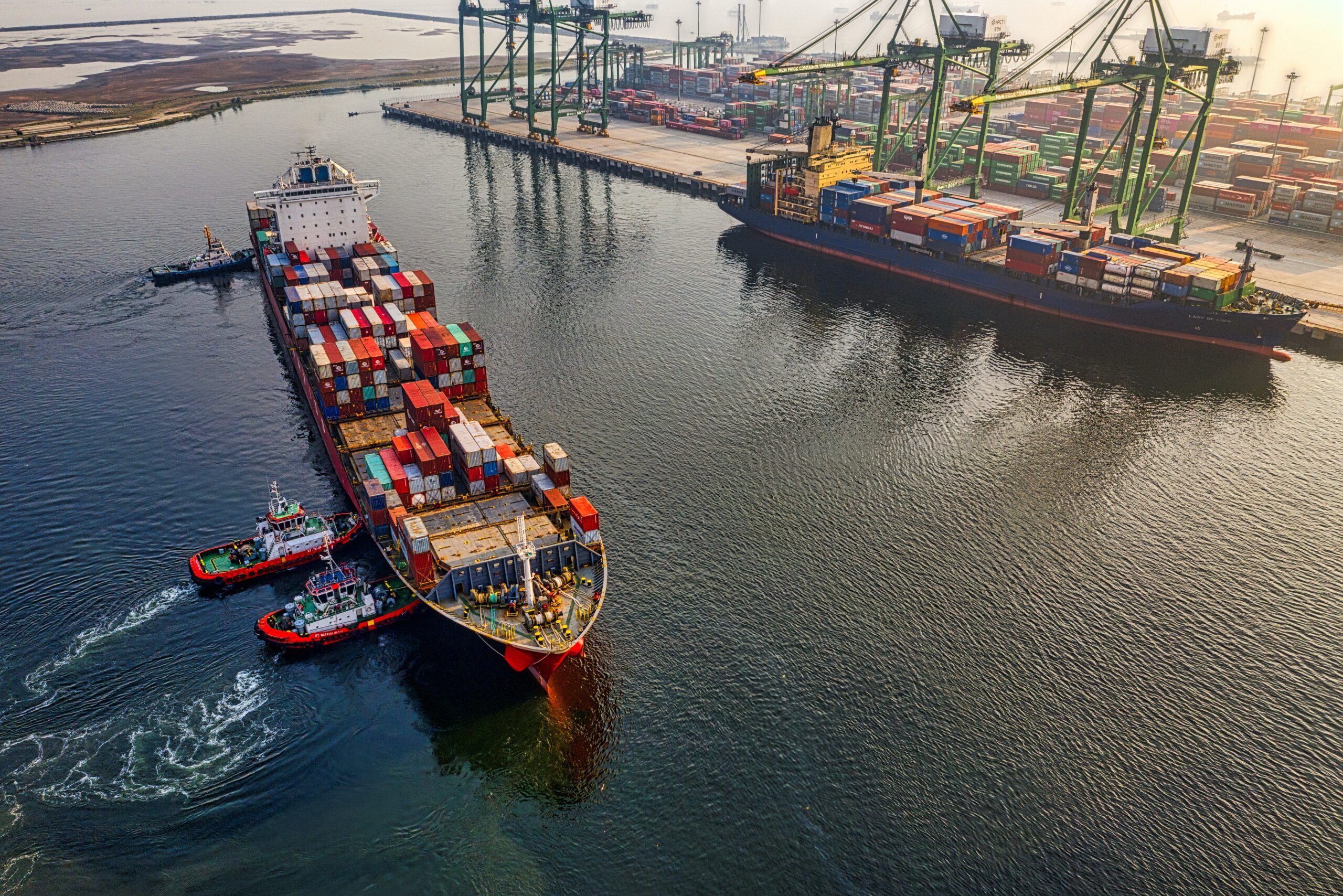
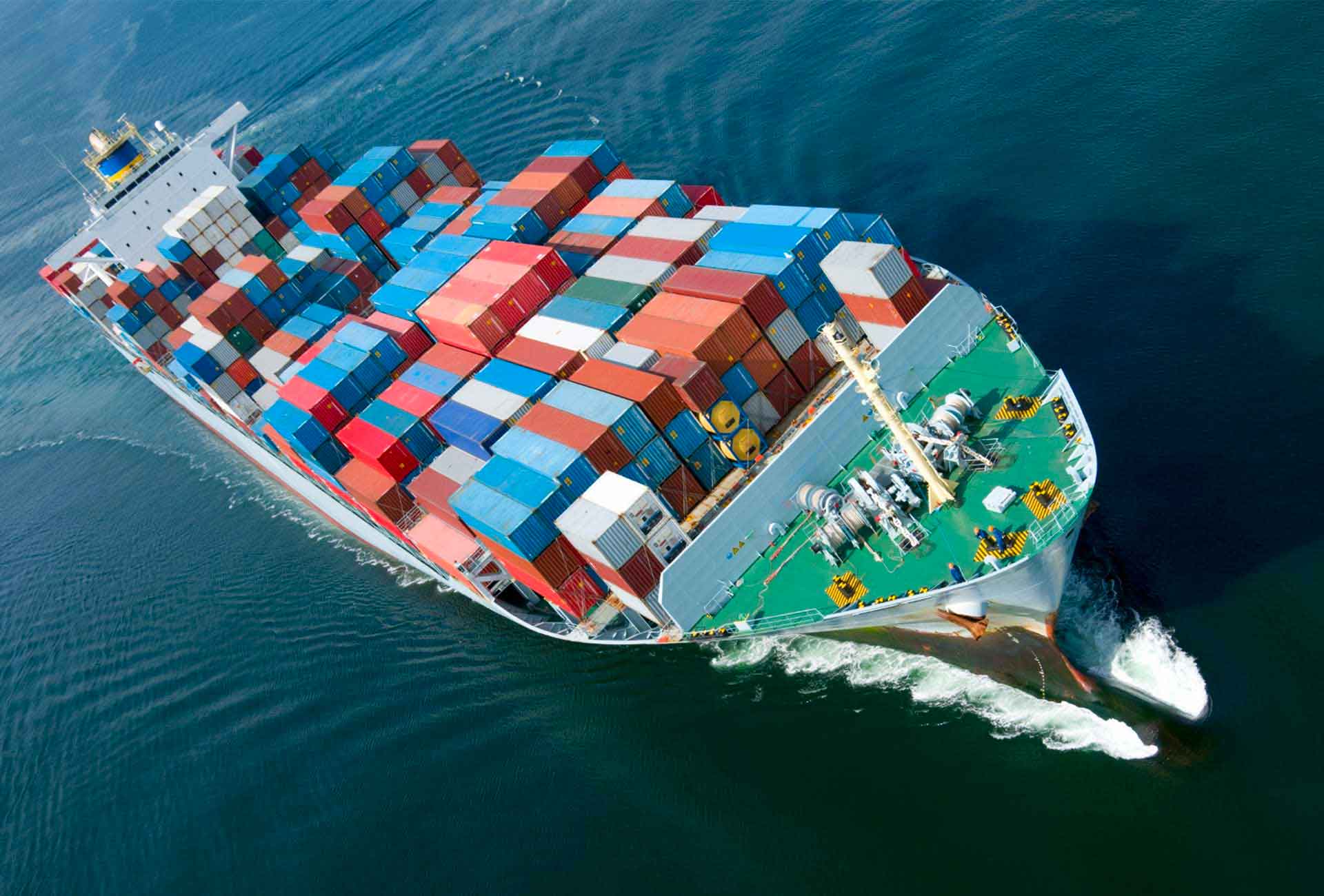
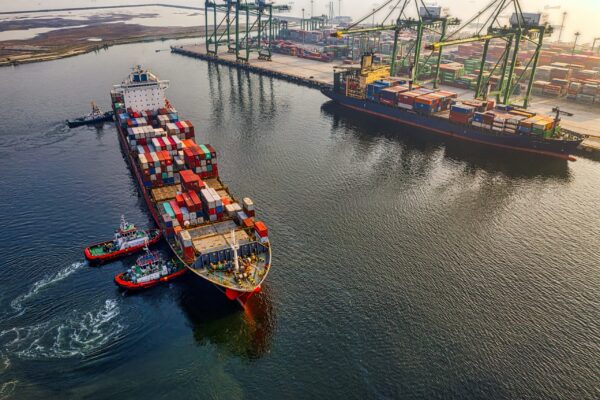
On Wednesday, 45 container ships were outside east and west coast ports, unable to unload due to port shutdowns. On Sunday, this number was three; however, the 45 vessels could double by the end of the week. The most significant impact of the protests is that global supply chains will feel the disruptions. Some of these goods affected by the strikes are produce products, with the ILA handling nearly 75% of banana imports and 90% of cherries. East and Gulf Coast ports also hold approximately 62% of machinery importers bring. As the backlog of ships continues to rise, delays will have other effects on supply chains, such as scarcity.
Consumers have recently begun buying goods from stores in fear of shortages in the near future. A shortage in everyday products could also cause inflation due to scarcity pushing prices higher. For importers and exporters, shipping costs can increase as shippers look for alternatives for moving their cargo. A popular alternative for moving cargo both domestically and internationally has been rerouting their shipments. This can lead to longer, more costly routes, and the cost goes directly to the customer. While choosing other conveyance has also been an alternative, it has its benefits and drawbacks. For example, switching to air can cut shipping time to a few days but may increase the overall cost.
How Long Could The Strike Continue?
The length of the protest depends on how long the ILA and USMX will take to find a resolution. A strike of one week can cost the U.S. economy over $2 billion, and a strike lasting over three weeks may take until 2025 to clear. Port employers reportedly offered the ILA a 50% wage increase over the next six years; however, they rejected it. The reason is that the union is seeking a contract with a higher yearly wage hike. Although no negotiations are currently in place, the USMX is willing to continue talks. Companies from various industries have been pleading for the Biden administration to intervene.
In response, Biden supported the dockworkers and scolded carrier companies for not paying them fairly. The administration notes that it will not invoke the Taft-Hartley Act to suspend the protests. Due to the severity of the protests, shippers must be up-to-date on the current situation. Importers and exporters should not stop transporting their shipments; however, they should take proper steps to mitigate disruptions. Contact A1 Worldwide Logistics at 305-425-9456 or info@a1wwl for updates and assistance moving your cargo. We educate you on the steps to take while constantly being with you throughout your shipment’s journey.