How To Import Acidified Foods

How To Import Acidified Foods

Known as a confusing import in the international shipping industry, this article explains how to import acidified foods. Acidic foods are foods with a pH level of 4.6 or below. Some examples include vinegar, fermented pickles, lemons, artichokes, pickled vegetables,...

New Regulations Reshaping Logistics

New Regulations Reshaping Logistics

International and domestic shipping could soon see new regulations reshaping logistics industry compliance. In the last few months, two regulatory decisions have impacted five major sectors of the logistics industry. These include freight brokers, freight forwarders,...

Tariffs Impacting Steel Imports

Tariffs Impacting Steel Imports

International shipping could continue to feel the effect of tariffs impacting steel imports. Over the last year, the Trump Administration imposed levies on various goods shipped into the US.  Along with a 10% reciprocal tariff on all countries, Trump placed tariffs on...

US Proposing Tariffs on 60 Economies

US Proposing Tariffs on 60 Economies

The tariff war is continuing with the US proposing tariffs on 60 economies. On June 2, the United States Trade Representative (USTR) proposed tariffs of up to 12.5% on major US trading partners. Some countries that could be affected include China, Mexico, Canada,...

The US And Iran Reach A Deal

Share This Article

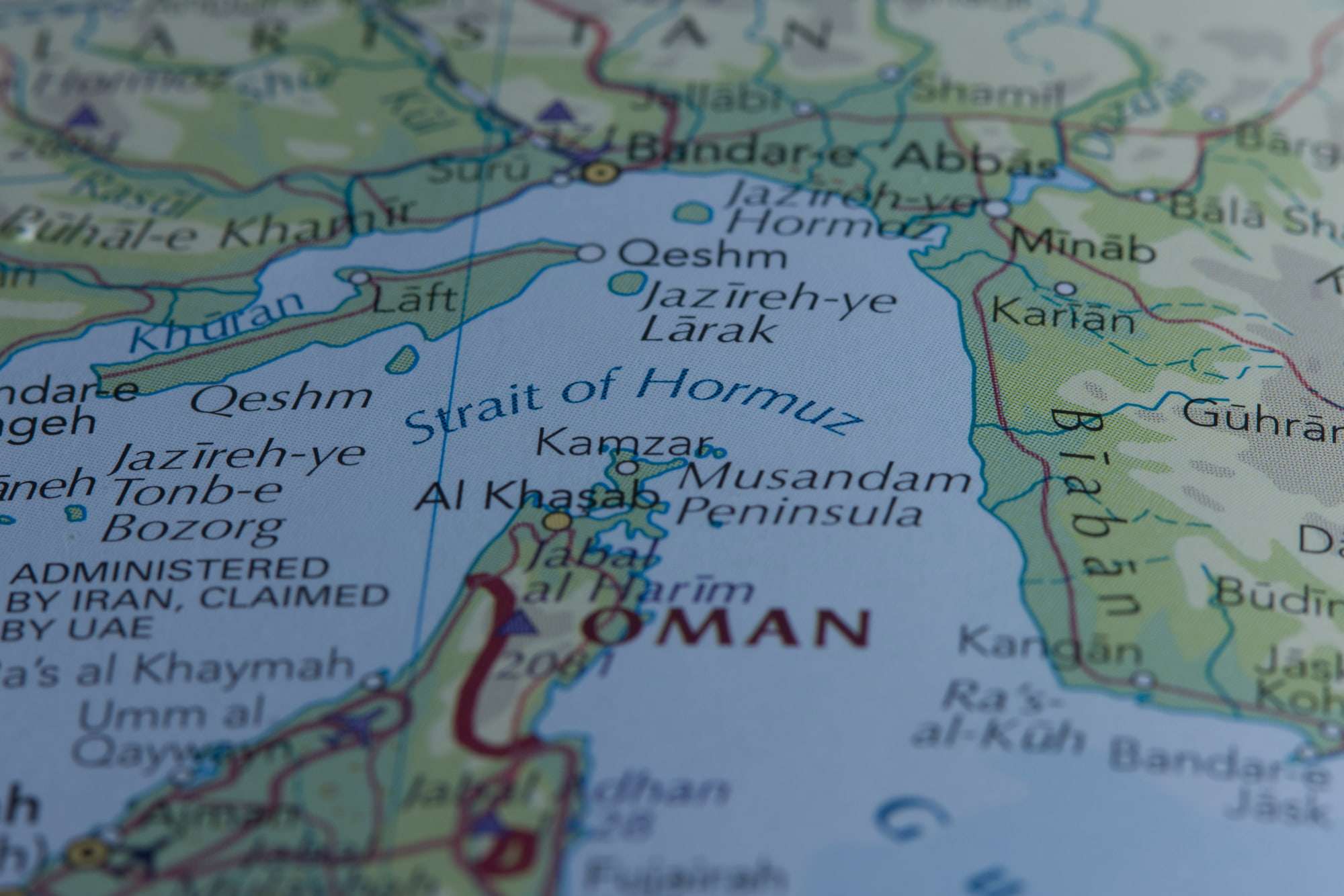
The US and Iran reach a deal to open the Strait of Hormuz following months of tension between the nations. On June 14, President Trump announced that the countries reached an agreement to end the war that closed the strait. Although Trump has not yet released the full terms of the agreement, the countries will meet to sign the deal. Some of the terms of the temporary agreement include:

  • The US will lift its blockade of the strait in 30 days.
  • The US will suspend sanctions on Iranian oil
  • Both sides will primarily end military operations on all fronts

Following the signing, the countries will have 60 days to reach a final agreement.

Why Was The Straight Closed?

The Strait of Hormuz was originally operating at limited capacity due to escalating conflict between Iran and its neighboring adversaries. Recent US involvement further increased tensions and led to a greater closure of the strait. With the waterway being responsible for nearly 20% of the world’s oil and liquefied natural gas (LNG), this left a strain on shipping. The cost of oil imports rose significantly, and these higher costs were passed on across numerous supply chains. Domestic shipping also incurred higher costs, as trucks transported the cargo to the final destination. Carriers transporting cargo were delayed or stuck, further disrupting supply chains. After months of back-and-forth, the economies reached a deal to prevent further disruptions.

What Could The Shipping Industry Expect As The US And Iran Reach A Deal?

Given the Strait of Hormuz’s importance to global shipping, a deal can positively impact the industry. As shippers export more oil through the strait, gas and other commodity prices may decline. The cost of shipping goods that pass through the strait, such as fertilizers and oil, may also decrease. In turn, costs across supply chains, including those that pass through the strait, may also go down. Ships that use the waterway as a shortcut may not need to reroute, which can lead to delays. It is important to note that the countries will still have 60 days before finalizing a deal.

As the strait reopens, it can be more beneficial to import into and from the US. Despite the benefits, shippers should understand what to expect when starting. Failure to understand can lead to delays and monetary loss. An ideal way to begin is to speak with a 3PL (third-party logistics) provider like A1 Worldwide Logistics. 3PL’s are service providers that assist with various aspects of the supply chain. Some solutions they offer include freight forwarding, customs clearance, trucking, and more. They also provide consultation services to ensure a successful shipment. Contact us at info@a1wwl.com or 305-425-9456 to learn about our 3PL solutions for shipping your cargo anywhere in the world.

A1 Worldwide Logistics, Inc.

📍1035 NE 125th St #320, North Miami, FL 33161, USA

🌍 a1worldwidelogistics.com

📞 305-821-8995

🕒 Hours: 8AM – 5PM

Send your request

3pls have helped e-commerce businesses grow over the last decade.

How 3PLs Help With E-Commerce

From warehousing and inventory management to order fulfillment, shipping, and returns, 3PLs help e-commerce businesses streamline operations, and reduce costs.

The logistics industry could soon see the impact of new regulations appearing over the last few months.

New Regulations Reshaping Logistics

The logistics industry could be entering a new era of compliance including recent developments the Montgomery v. Caribe Transport II ruling and a new White House Executive Order targeting forced labor, and misclassification.

The government has denied the CIT's motion for a Section 122 tariff stay.

CIT Denies Section 122 Tariff Stay

The tariff battle is far from over. The Court of International Trade (CIT) has denied the government’s request to pause enforcement of its ruling striking down President Trump’s Section 122 tariffs.

What should shippers understand with the first wave of tariff refunds starting May 12.

Tariff Refunds Starting May 12

Big news for importers! The first wave of tariff refunds is set to begin May 12, giving businesses a long-awaited opportunity to recover funds paid under the now-overturned IEEPA tariffs.

Freight forwarding in Miami is an excellent opportunity for shippers.

Freight Forwarding In Miami

Whether importing into or out of the US, freight forwarding in Miami can be an ideal solution for your shipment.