Milton Disrupting Supply Chains
Nearly a week after the storm hit Florida, there are numerous reports of Hurricane Milton disrupting supply chains. On Wednesday, October 9th, hurricane Milton landed near Tampa, Florida, resulting in heavy rains and strong winds. Local weather services issued over 125 tornado warnings in various counties nationwide. Along with the damage to infrastructure and economic loss, Milton impacted supply chains for importers and exporters. With Florida being an entry point for supply chains nationwide, the potential ripple effect could be more substantial. While the storm has left Florida, Milton has already done the damage, and shippers are still determining the full impact.
How Is Hurricane Milton Disrupting Supply Chains?
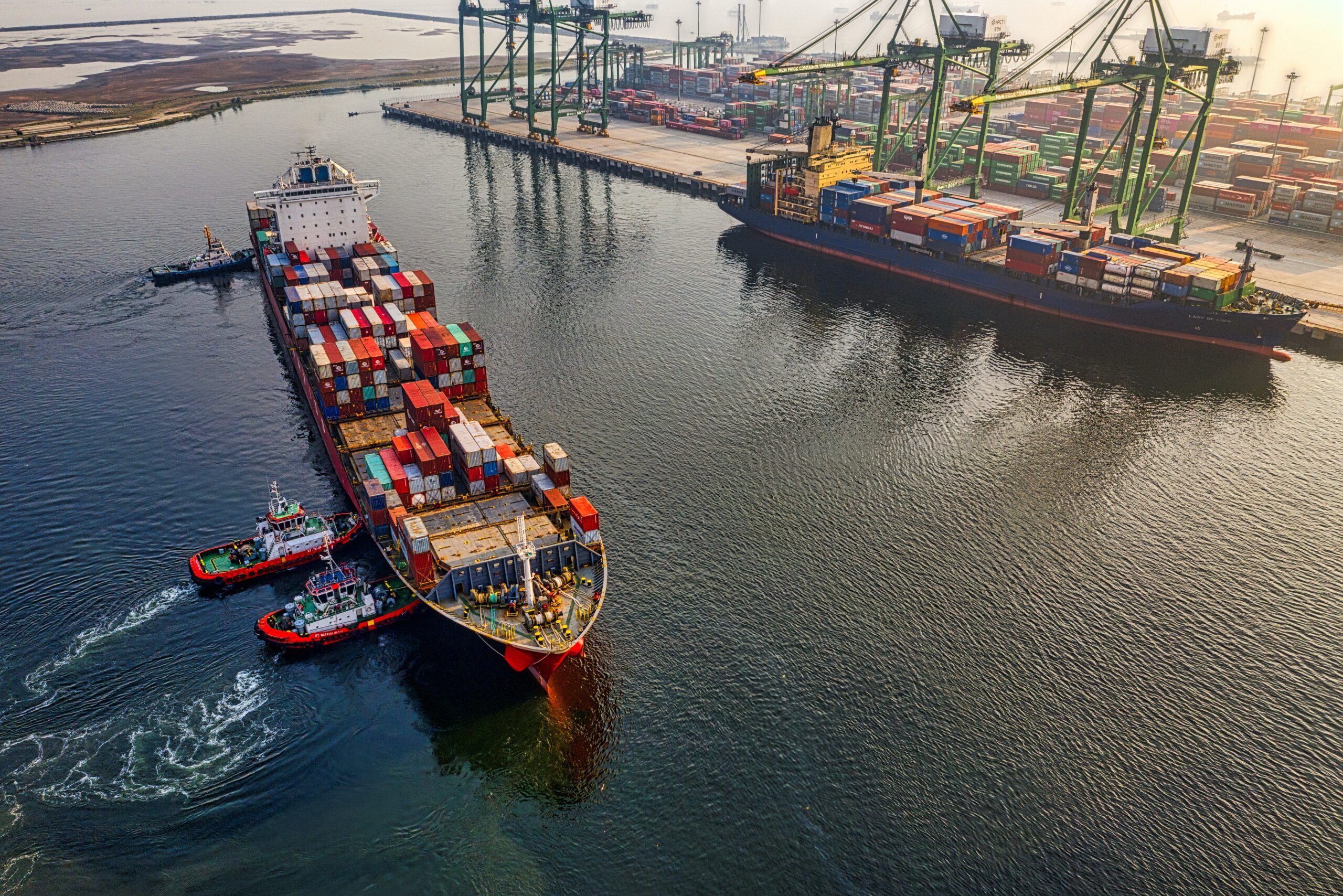
Located between the Gulf of Mexico and the Atlantic Ocean, Florida is known by shippers as a critical freight market. Its strategic location is a gateway for trade between North and South America. An immediate disruption from the storm was the shutdown of ports like Port Tampa. Port Tampa is a significant hub for steel, cement, petroleum, construction aggregates, and foods. As the seaport suspended operations, it created a backlog that could take a while to clear. As a result, ships are diverting to other ports along the Gulf Coast, potentially raising volume and creating congestion. The Gulf Coast ports are still recovering from the aftereffects of the ILA’s (International Longshoremen’s Association) recent strike.
Milton also impacts supply chains in Florida’s agricultural industry by damaging farmlands that produce agriculture. The damage that occurred two weeks ago from Hurricane Helene remains, which may add to it. Importers in other countries could soon experience shortages and price increases from decreased delays in U.S. exports. Perishable cargo imports that are time-sensitive are at risk from port and infrastructure shutdowns resulting from power outages. Along with shipping internationally, Hurricane Milton affected domestic freight movement. Damaged roads and port closures resulted in delays and made it difficult for shippers to move goods by truck. As a result, freight rates may go up from limited capacity.
What Can Shippers Expect When Shipping During a Hurricane?
When importing or exporting during a hurricane, there are many expectations shippers should be aware of. There may be immediate delays in transportation for air, land, and sea cargo from port closures. To avoid potential slowdowns, importers could reroute to alternative ports. However, this can also increase transit times and transport costs. Price increases could come from limited carrier capacity due to paused services. There can also be significant communication challenges between shippers and carriers, such as power outages and telecommunication disruptions. Shippers must plan by staying updated with weather conditions and constantly communicating with the various players in the supply chain.
Understanding what to expect during a hurricane and how to prepare is vital for a shipment’s success. Along with the ways that the article mentions, preparation shippers can also do this by speaking to a 3PL provider. 3PLs (Third-party Logistics) companies handle numerous supply chain functions for the client. Their services include freight forwarding, customs clearance, domestic shipping warehousing, and more. They also provide supply chain consulting to navigate distributions like a hurricane. Contact A1 Worldwide Logistics at info@a1wwl.com or 305-425-9456 for assistance with shipping to and from the U.S. We have ideal solutions for ensuring that your goods reach the final destination regardless of the situation.