Shipping During China’s New Year
Shipping during China’s New Year can have numerous challenges you should know when starting. The Chinese New Year (or Spring Festival) is a 15-day celebration of the new year in the lunisolar Chinese calendar. In 2025, the holiday will begin on January 29th and conclude with the Lantern Festival on February 12th. The first seven days are holidays in China. During this time, shipping companies, ports, and factories shut down or limit operations. As a result, shippers that move cargo internationally feel the effects of the shutdowns. This article will explain how the Chinese New Year impacts shipping and how to prepare when moving cargo.
What Should You Know When Shipping During China’s New Year?
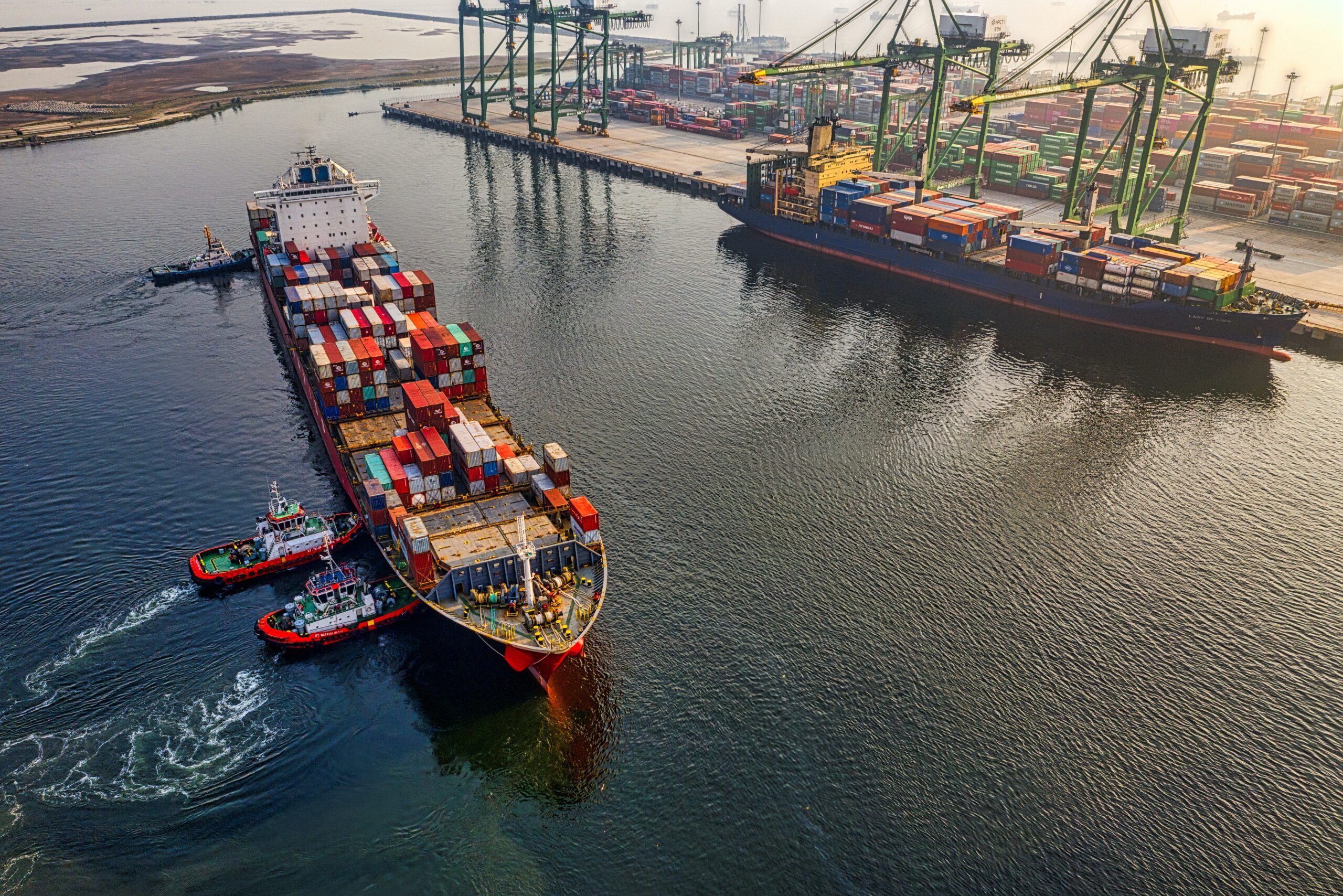
In international shipping, China is considered one of the biggest global exporters, responsible for nearly 14% of the world’s exports. Due to widespread shutdowns during this period, supply chain disruptions can grow during the Chinese New Year. Along with production and port halts, workers tend to go on vacation to visit families during this period. A significant impact for U.S. importers is that port congestion has become more common. Before the holiday begins and factories close, there is a massive import surge from China. As a result, ports in the U.S. can become congested due to higher volumes, which can also lead to delays. Port congestion can also impact domestic shipping, causing delays in transporting goods to the final location.
As a result of the congestion, shippers may have to pay higher rates due to limited capacity. A higher volume of containers at the port can also increase the likelihood of demurrage and detention charges. Higher costs for the shipper and carrier also fall directly on the customer. Delays come from ports in factories in China working at limited capacity and workers going on vacation. Longer wait times look unfavorable to shipping companies and businesses that deliver products under a specific timeframe. The recovery period after the Chinese New Year can also take a while, meaning a gradual recovery for supply chains.
How Can You Prepare?
With the Chinese New Year’s disruptions in supply chains, shippers should prepare beforehand to mitigate any disturbances. You must understand what to expect and plan to avoid delays. This can include booking container space beforehand and rerouting to different ports in the U.S. If possible, this can mean importing from countries other than China and diversifying suppliers to reduce vulnerability. Switching the conveyance method to air is beneficial for shipments that must move under a specific timeframe. Having extra stock in a company or third-party warehouse in the U.S. can also help in case of delays.
Despite a holiday potentially causing disruptions to supply chains, it should not stop cargo movement internationally. However, shippers should take the necessary steps to prevent disruption. An ideal way to navigate scenarios like the Chinese New Year is by using the assistance of a logistics provider. Logistics providers like A1 Worldwide Logistics have various solutions for shipping goods into and out of the U.S. These services include transportation, customs clearance, warehousing, and much more. They also explain the best steps to mitigate supply chain disruptions. Contact us at info@a1wwl.com or 305-440-5150 to speak to a freight forwarder or customs broker regarding your shipment’s success.