Trump Announced Reciprocal Tariffs
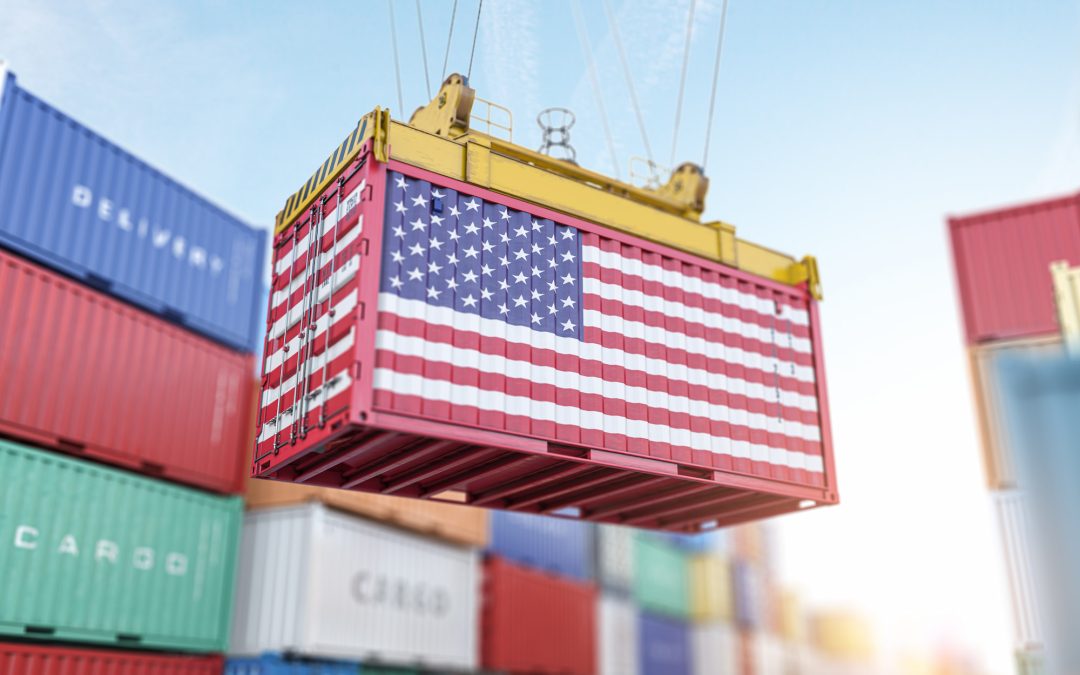
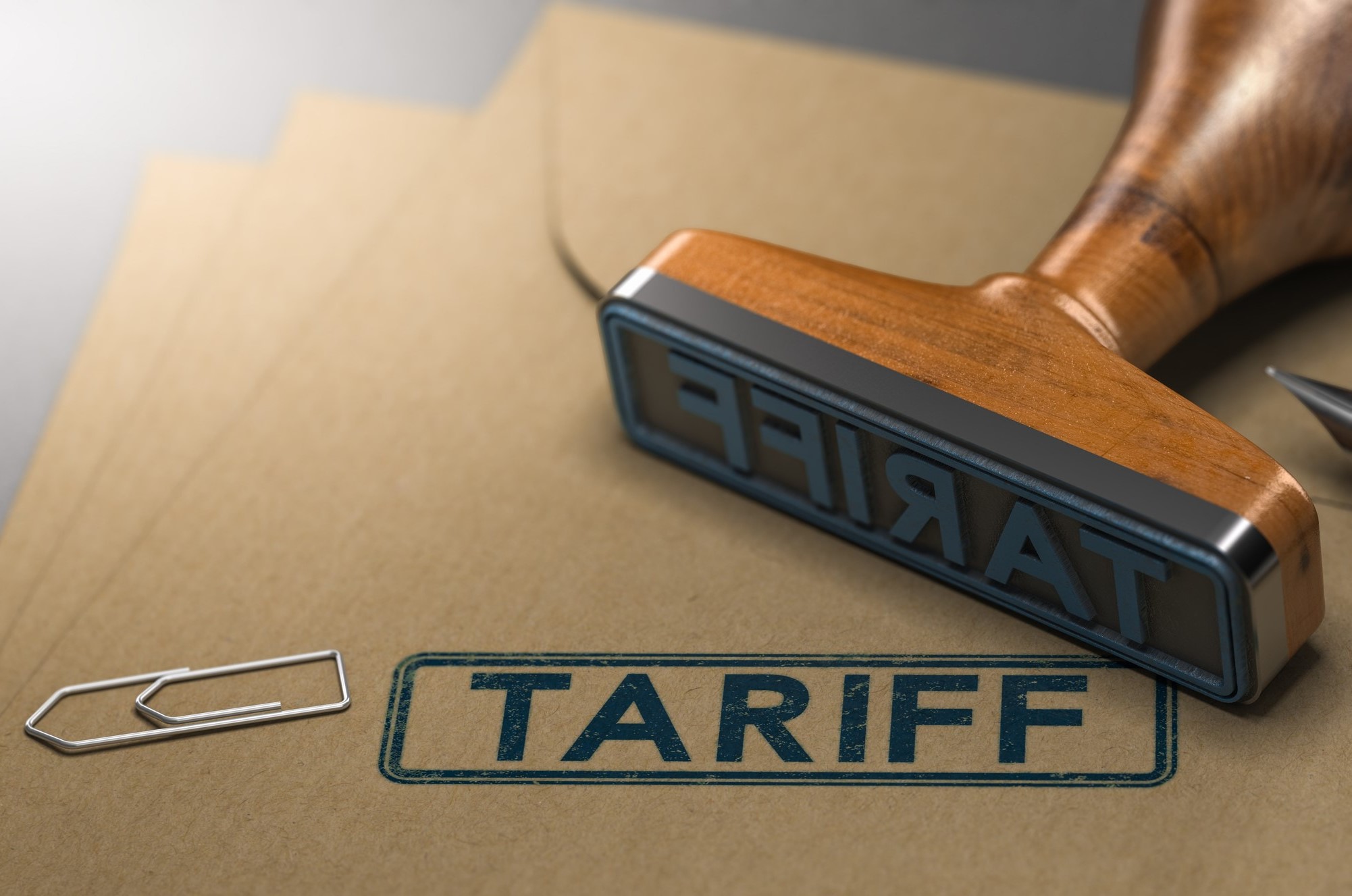
After signing an executive order last Thursday, President Trump announced reciprocal tariffs for all U.S. trade partners. These tariffs are separate from the previous ones Trump proposed for imports from specific countries and steel and aluminum imports. The reason behind the taxes is to match the rates that other nations place on imports from the U.S. Trump stated, “They charge the US tax or tariff, and we will charge them the exact tax and tariff, very simple.” A memo released by the White House explains that the policy will target unfair limitations on market access. While the administration argues that these measures will provide trade fairness, many believe it will negatively impact international shipping.
How Will Countries Respond After Trump Announced Reciprocal Tariffs?
When Trump announced reciprocal tariffs, many countries didn’t immediately respond. However, it could soon negatively impact trade relations. Countries that impose higher average tariff rates on the U.S. than vice-versa will mainly feel the effect. An example is India, which charges an average rate of 9.5% on U.S. goods, while the U.S. places a 3% rate on Indian freight. When Trump imposed tariffs on Chinese imports, China responded by levying reciprocal tariffs on various U.S. imports. Other countries like Canada and Mexico reacted by calling recently announced steel and aluminum tariffs unjust. Various U.S. industries, like the automotive sector, will also feel the strain of tax hikes raising manufacturing costs.
While Trump has not signaled any country in particular, the reciprocal tariffs may target the European Union’s VAT system. The VAT (value-added tax) is a consumption tax on goods and services in the European Union. It also includes imports from non-EU countries like the U.S. On social media, Trump noted that the VAT system is more punitive than a tariff and a nontariff barrier. The EU has not responded to the reciprocal tariff, which could strain relations with the U.S. Before Trump enforces the tariffs, cabinet members will assess country-by-country remedies to ensure reciprocal trade relations. The cabinet will also submit a report evaluating the fiscal impact of the tariffs.
Could These Tariffs Affect International Shipping?
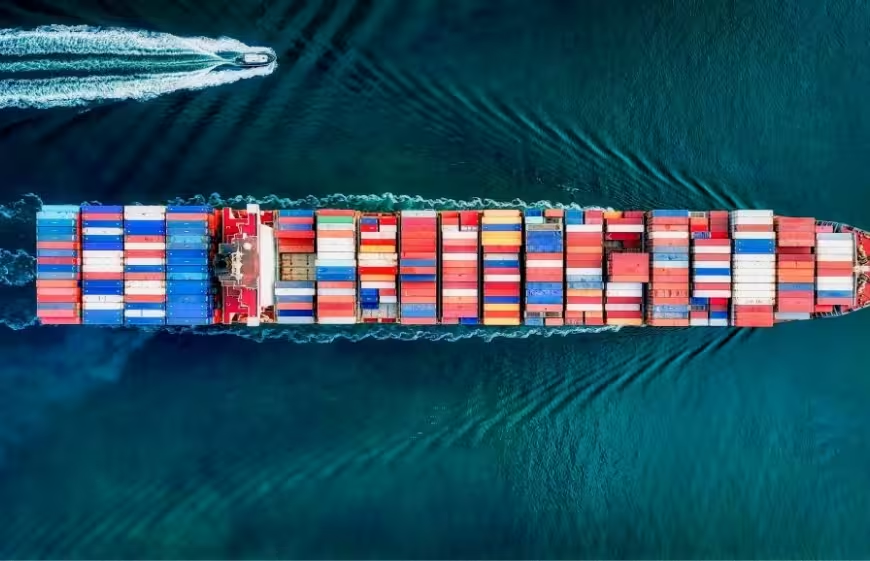
The implementation of the reciprocal tariffs can also impact shippers that move cargo internationally. A significant concern for importers is that the tariffs may raise costs for the entire supply chain. Not only in terms of import fees but also the fees that the importer passes on to the customer. Import volumes may also reduce as customers and businesses seek cheaper domestic products. Importers could relocate production or find new suppliers to avoid higher costs, leading to potential supply chain disruptions. Another fear is that the tariff hikes could lead to inflation. Despite this, the Trump administration believes that it is necessary to ratify trade disparities and grow the U.S. economy.
Whether the reciprocal tariffs pass or not should not deter you from shipping internationally. However, you must take the necessary steps to protect your shipment from extra costs and other disruptions. An ideal way to begin is to get assistance from a 3PL (third-party logistics) company. 3PLs are service providers that handle multiple supply chain components, including freight forwarding, customs clearances, warehousing, and more. Reach A1 Worldwide Logistics at info@a1wwl.com or 305-435-9456 to speak to a 3PL provider regarding your shipment’s success.