New Steel And Aluminum Tariffs
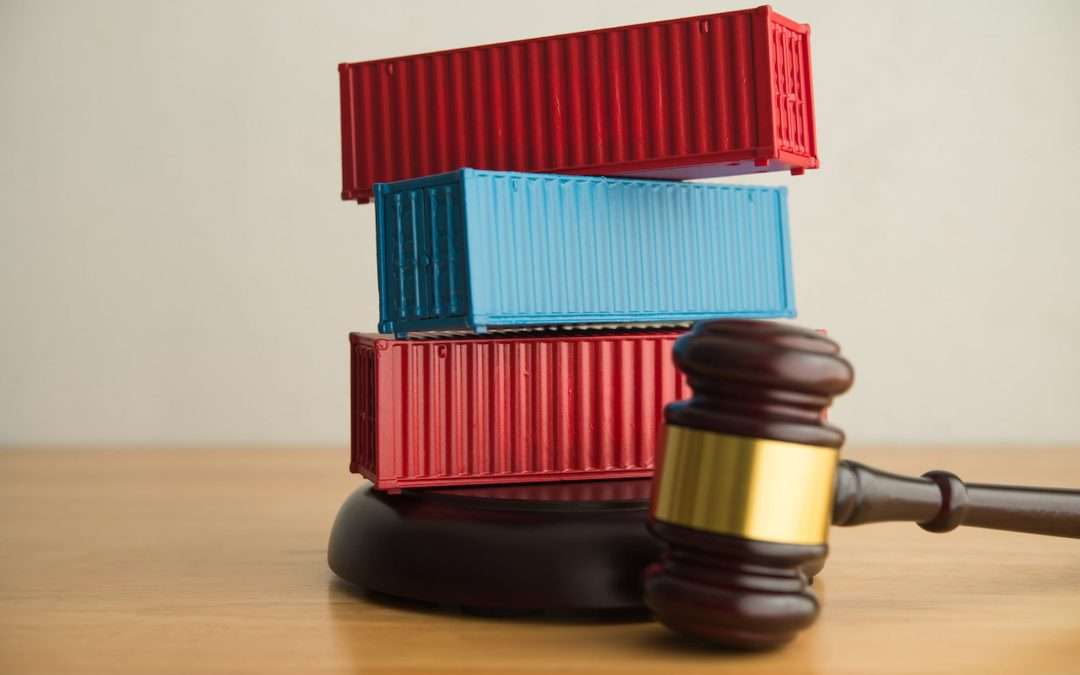
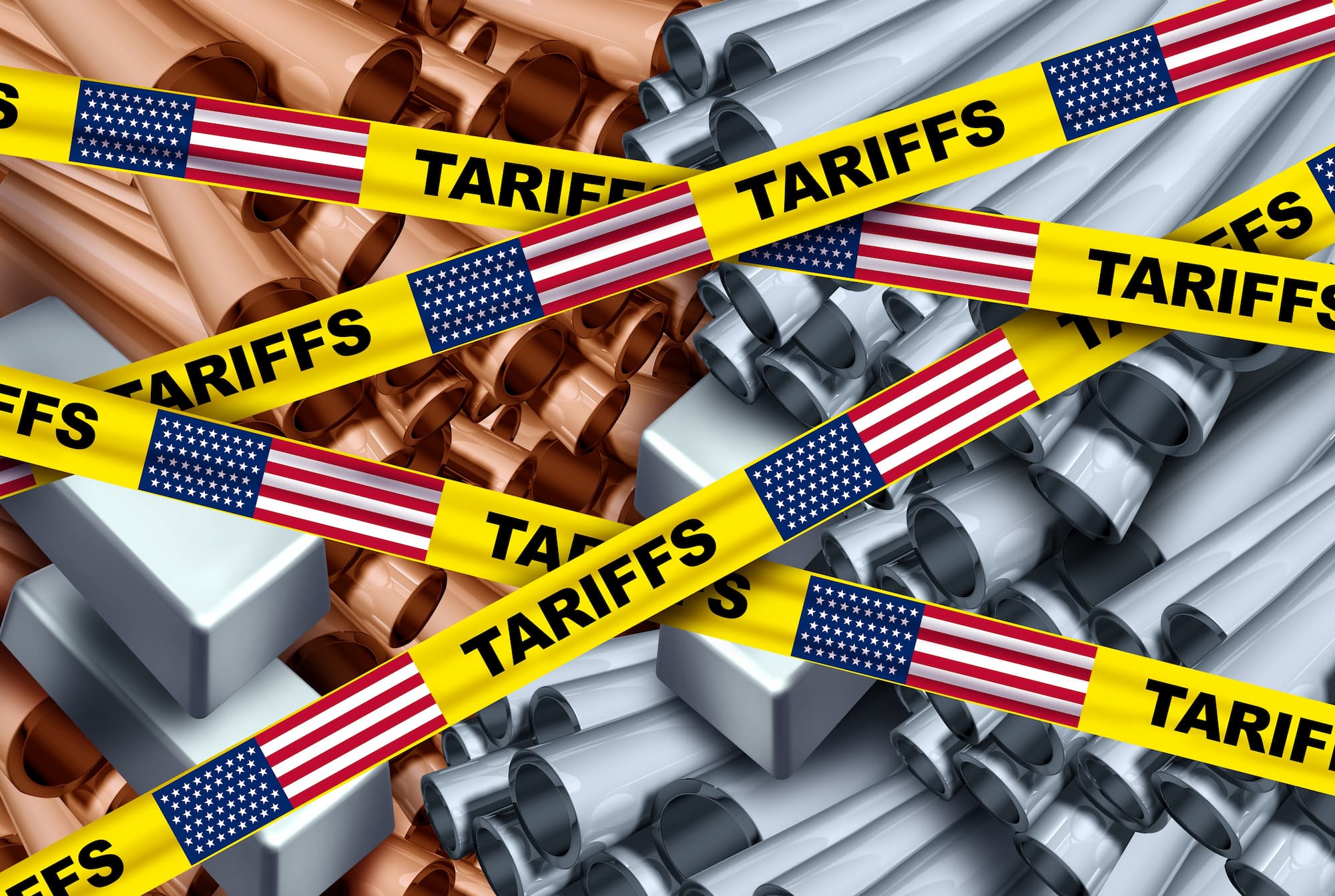
President Trump is imposing new steel and aluminum taxes after signing an executive order on February 10th. Starting March 12th, all steel and aluminum imports into the U.S. will face a 25% tax hike. Trump notes, “It’s 25% without exceptions or exemptions, and that’s all countries, no matter where it comes from”. The executive order is separate from the tariffs Trump announced for China, Mexico, and Canada months ago. During his first term in office, Trump signed a similar 25% tariff on steel but a 10% tariff on aluminum. Aluminum will face a 15% increase compared to the first term. The tariffs will directly impact international shipping due to the importance of these cargo types, the tariffs.
Why is Trump Imposing New Steel And Aluminum Tariffs On Imports?
Over the last few months, Trump has announced various tariffs for imports from different countries. Some of these countries include the most significant importers into the U.S., like Canada, Mexico, and China. A few of the reasons are to stop illegal immigration and the importation of illicit drugs. Trump previously stated, “As everyone is aware, thousands of people are pouring through Mexico and Canada, bringing crime and drugs at levels never seen before.” China is one of the most popular bringers of fentanyl into the U.S. The tariffs also boost the U.S. economy and bring manufacturing back to the U.S. by making importing costly.
During the 2018 price hikes, steel prices surged, increasing domestic companies’ profits. However, an overproduction of steel in the U.S. resulted in prices falling nearly 40% in 2019. This was also due to weakening consumption and retaliatory tariffs from U.S. trading partners. As one of the biggest steel importers, the Canadian government views the tariffs as unjustified and is currently planning retaliatory measures. President of United Steelworkers International, David McCall, said, “Tariffs ultimately hurt workers on both sides of the border.” Along with the executive order is a North American standard requiring steel and aluminum processing in that region.
What Can These Tariffs Mean For Shipping?
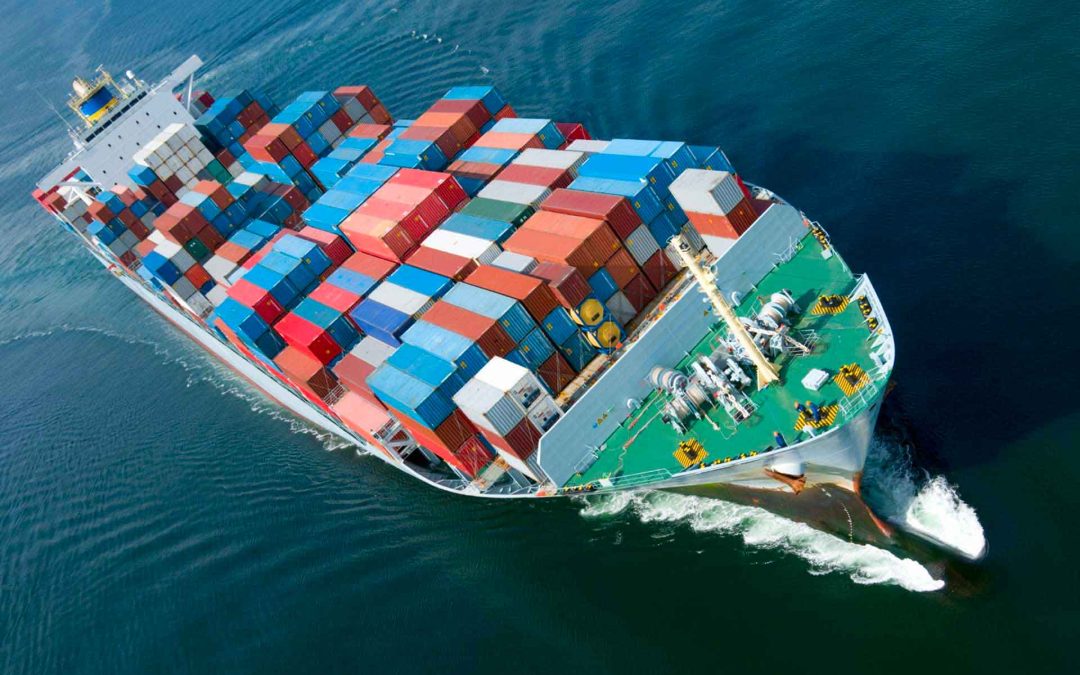
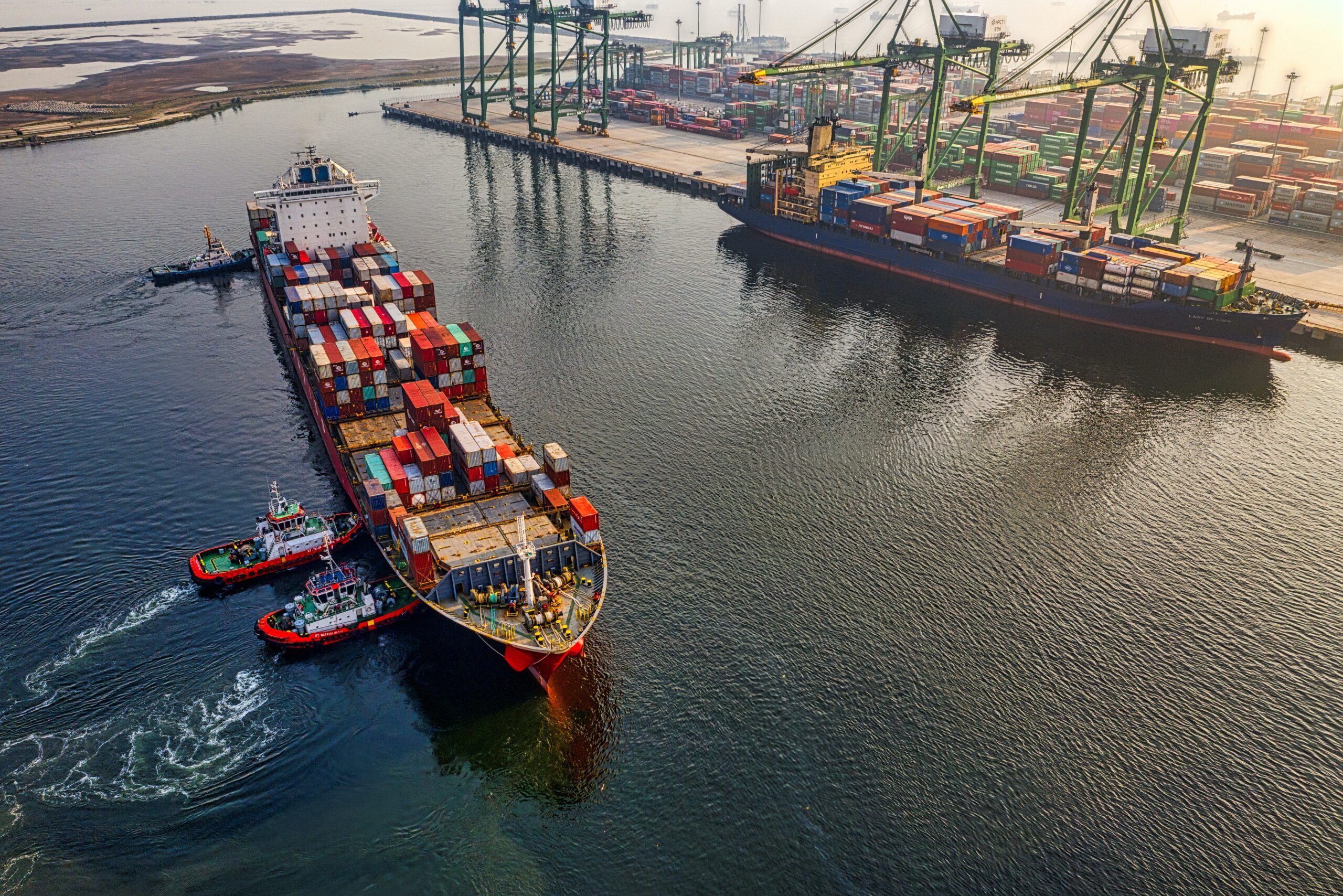
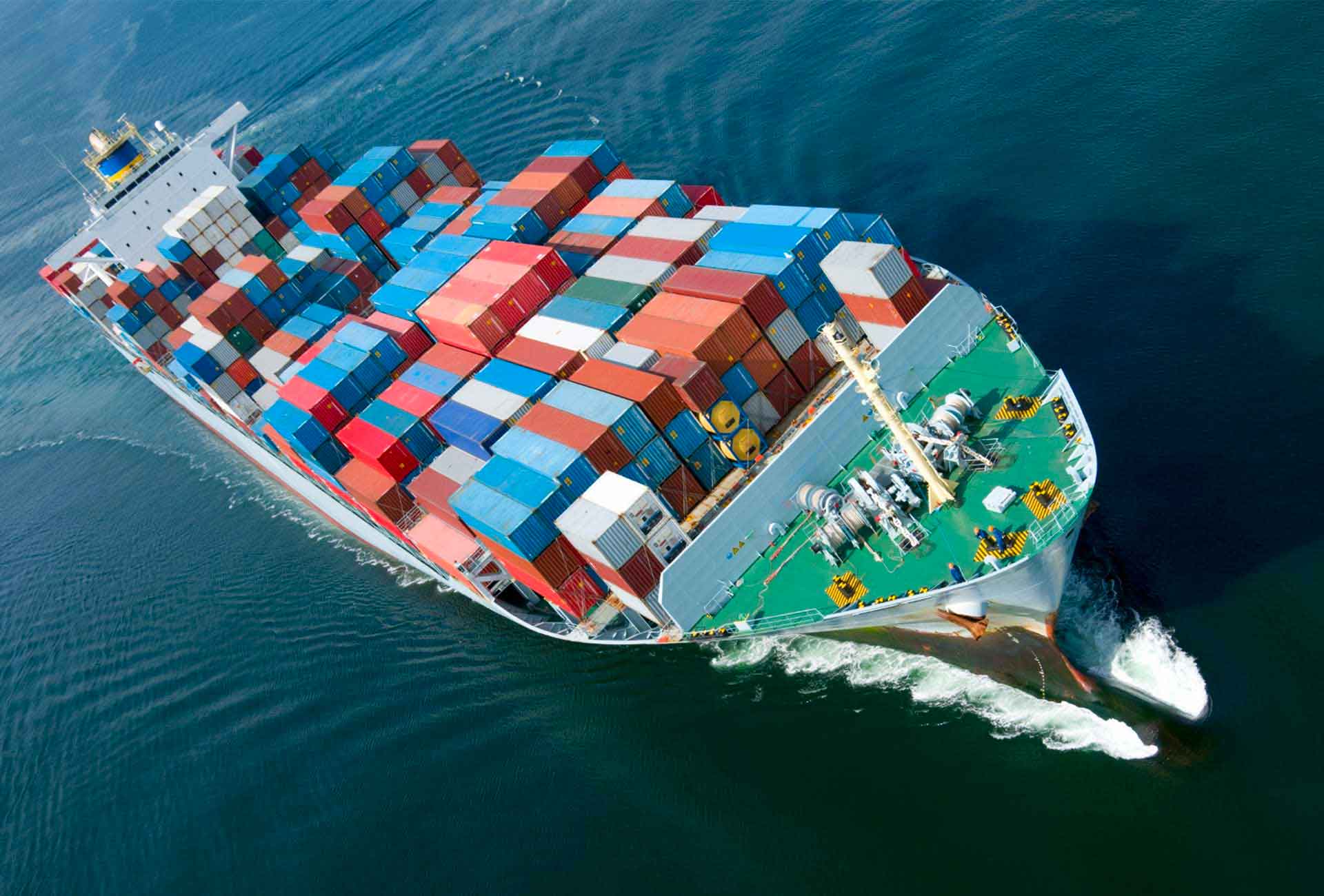
Shippers that bring in steel and aluminum from different countries can feel the strain of tariff hikes. Established supply chains could be disrupted by higher transportation costs. Carriers may pass higher freight costs for shipping to the shipper. Greater steel and aluminum production demand could strain manufacturers and cause delays. Unlike the tariffs Trump announced for Canada, Mexico, and China, these are for every country importing. However, tariffs could positively affect domestic shipping since trucks move the cargo to their final destination. A higher volume of U.S. production means greater demand for transport and more profit for truckers.
Shippers must understand what to expect with increased tariffs for various countries and materials. Failure to understand and prepare can lead to supply chain disruptions, resulting in monetary and cargo loss. Another way to ensure a successful shipment is by working with a 3PL (Third-Party Logistics) provider like A1 Worldwide Logistics. 3PLs are service providers that offer numerous solutions for a shipper’s supply chain. These can include transporting cargo, customs clearance, warehousing, and more. They also educate the shipper on the best action to protect their shipment. Speak to an expert at 305-435-9456 or info@a1wwl.com to begin moving goods into or out of the U.S.