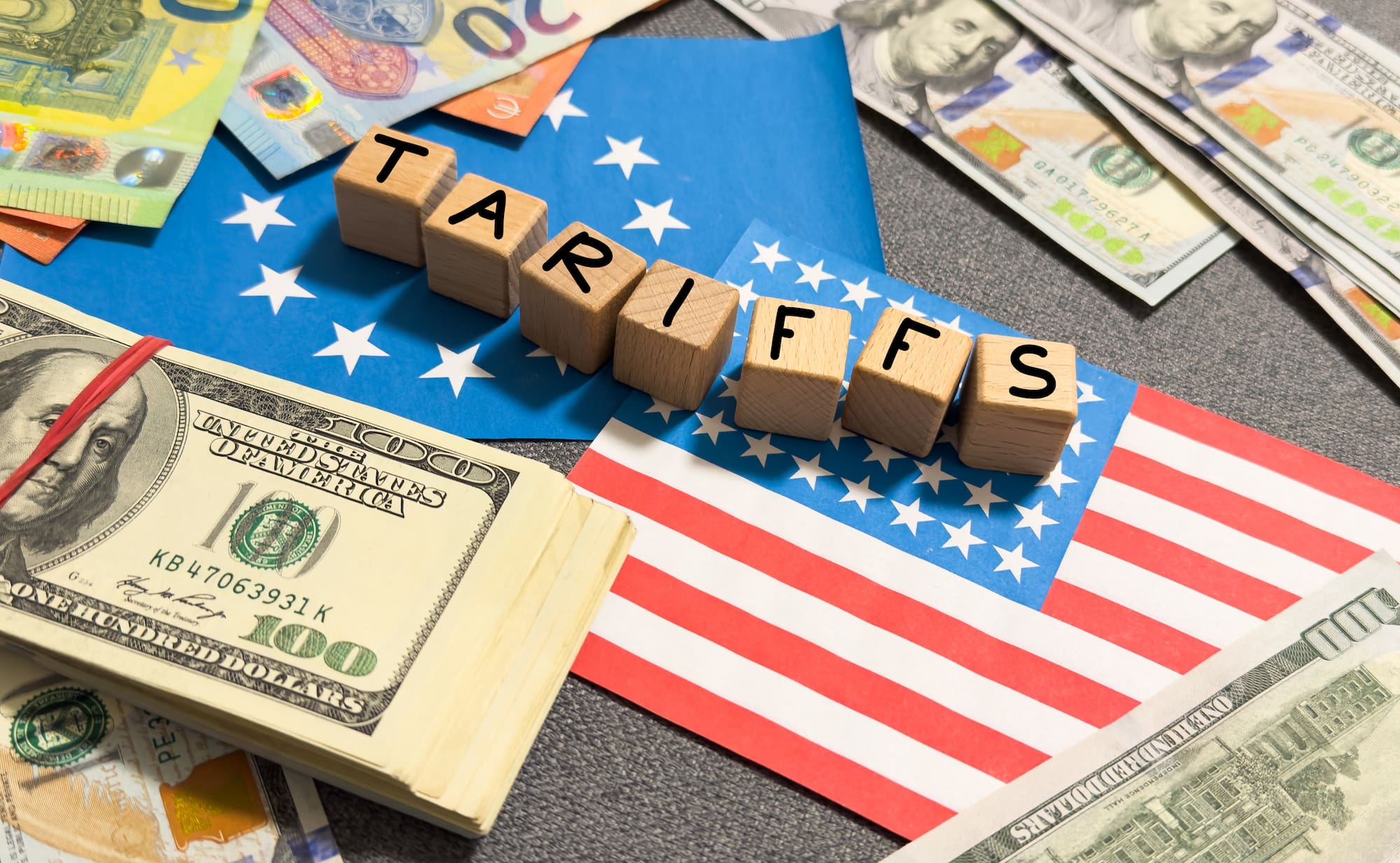
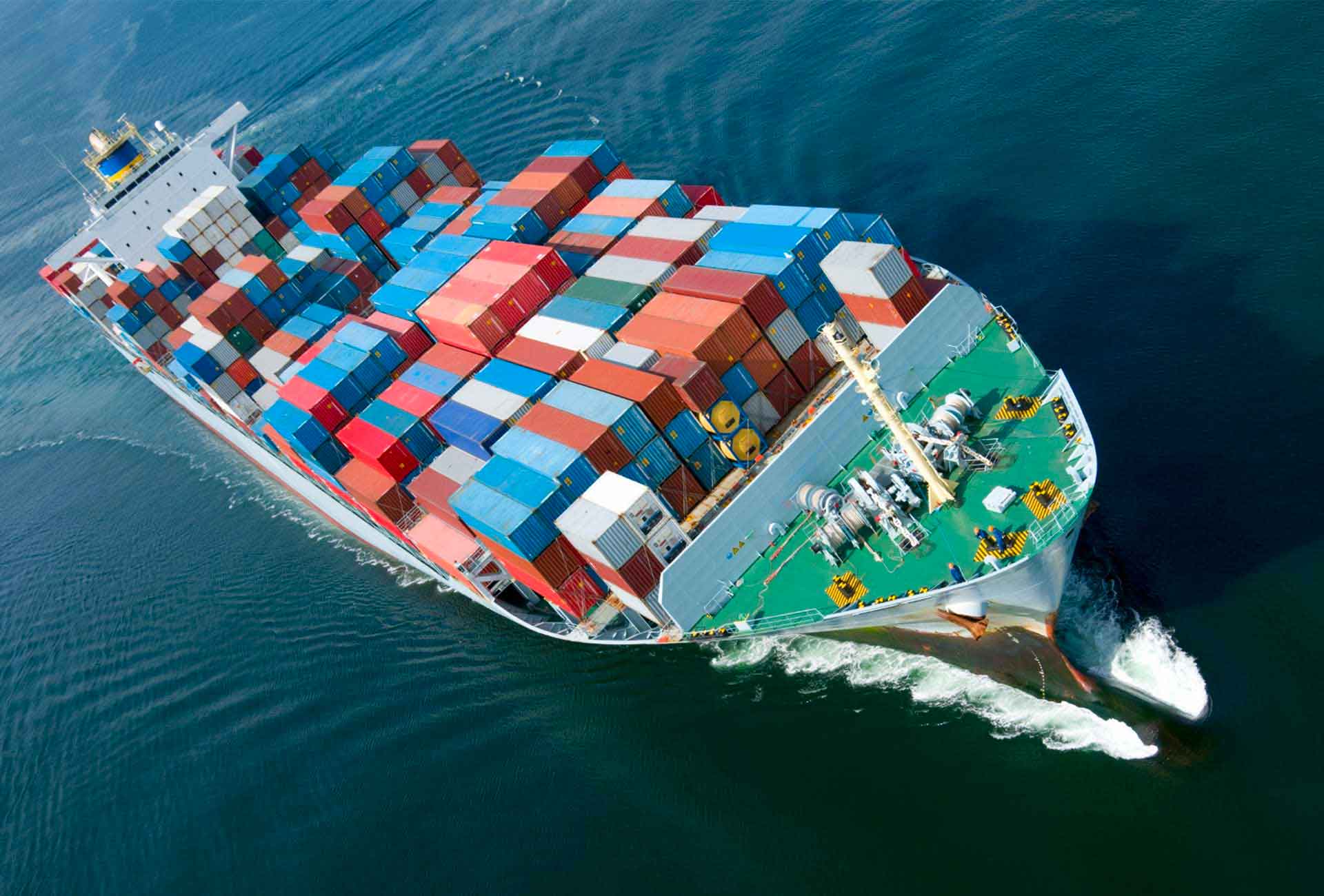
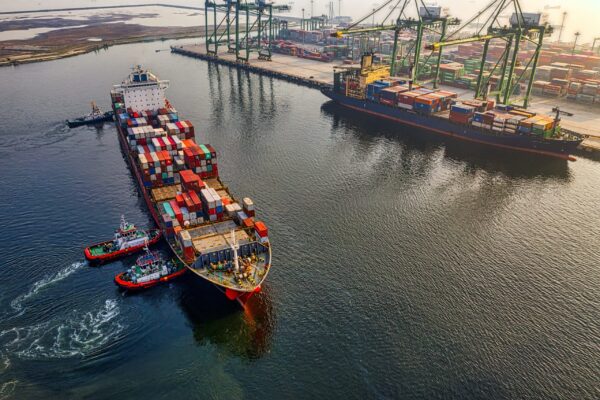
The tariff war continues between the U.S. and its trade partners as President Trump continues announcing threats. For the last few months, Trump has released, paused, or increased tariffs on goods coming into the U.S. Along with levies specific importations like aluminum, it includes country-specific tariffs for the largest trade partners. China, in particular, has been in a trade war with the U.S., leading to tax hikes of over 100% for both countries. More recently, Trump released a fact sheet stating that China “now faces up to a 245% tariff”. With the amount of cargo that comes into the U.S., a trade war could have numerous consequences for international shipping.
Trump Continues Issuing Tariff Threats and Investigations?
Recently, the Trump administration has announced a Section 232 investigation for semiconductor technology imports into the U.S. Section 232 is an examination done by the government to determine the effects of an import on national security. If successful, goods that fall under the semiconductor category, like smartphones, laptops, and other electronics, could soon face tariffs. It is essential to note that Trump has recently temporarily exempted taxes on the electronics the article mentions. Trump has also launched a similar investigation into pharmaceutical imports, which could result in more levies in the near future. Tariffs on pharmaceuticals may lead to higher costs for everyday drugs and potential drug shortages.
President Trump has imposed tariffs over the last few months with numerous aims, including reducing trade imbalances. He recently noted, “We’ve been ripped off for years, and we’re not going to be ripped off anymore.” Trump also wants to bring manufacturing and business back to the U.S., which he believes will boost the economy. Economists think it will have the opposite effect and hurt the economy, potentially leading to a recession. The reasons behind the tariffs are also country-specific. For example, Trump imposed tariffs on Mexican and Canadian imports over a month ago to address illegal immigration. Likewise, taxes were placed on Chinese goods to stop the flow of fentanyl into the U.S.
What Can Shippers Expect As The Tariff War Continues?
When countries issue tariffs on each other rapidly, it can directly impact international shipping. The most significant concern is that costs to import could skyrocket and will be felt on various supply chain parts. Along with impacting the shipper, the prices will fall on the customer, who could soon pay extra for everyday products. For imports from China, shippers may begin looking for other countries to import from like Japan and Vietnam. Global trade could also see a decline in cargo shippers moving internationally. Currently, importers are bringing in a higher cargo volume as many tariffs are on pause to a further date.
As tariffs continue to impact international and domestic shipping, knowing what to expect is increasingly vital. Being current with news that can affect your cargo’s movement is essential in protecting your supply chain. Another way that a shipper can avoid disruptions is by speaking to a freight forwarder. A forwarder is a person or company that coordinates a shipment’s movement on behalf of the shipper. They do this by offering numerous supply chain solutions like transportation, customs clearance, documentation, warehousing, etc. Contact A1 Worldwide Logistics at info@a1wwl.com to speak to a forwarder regarding importing and exporting from the U.S.