U.S. and China Will Slash Tariffs
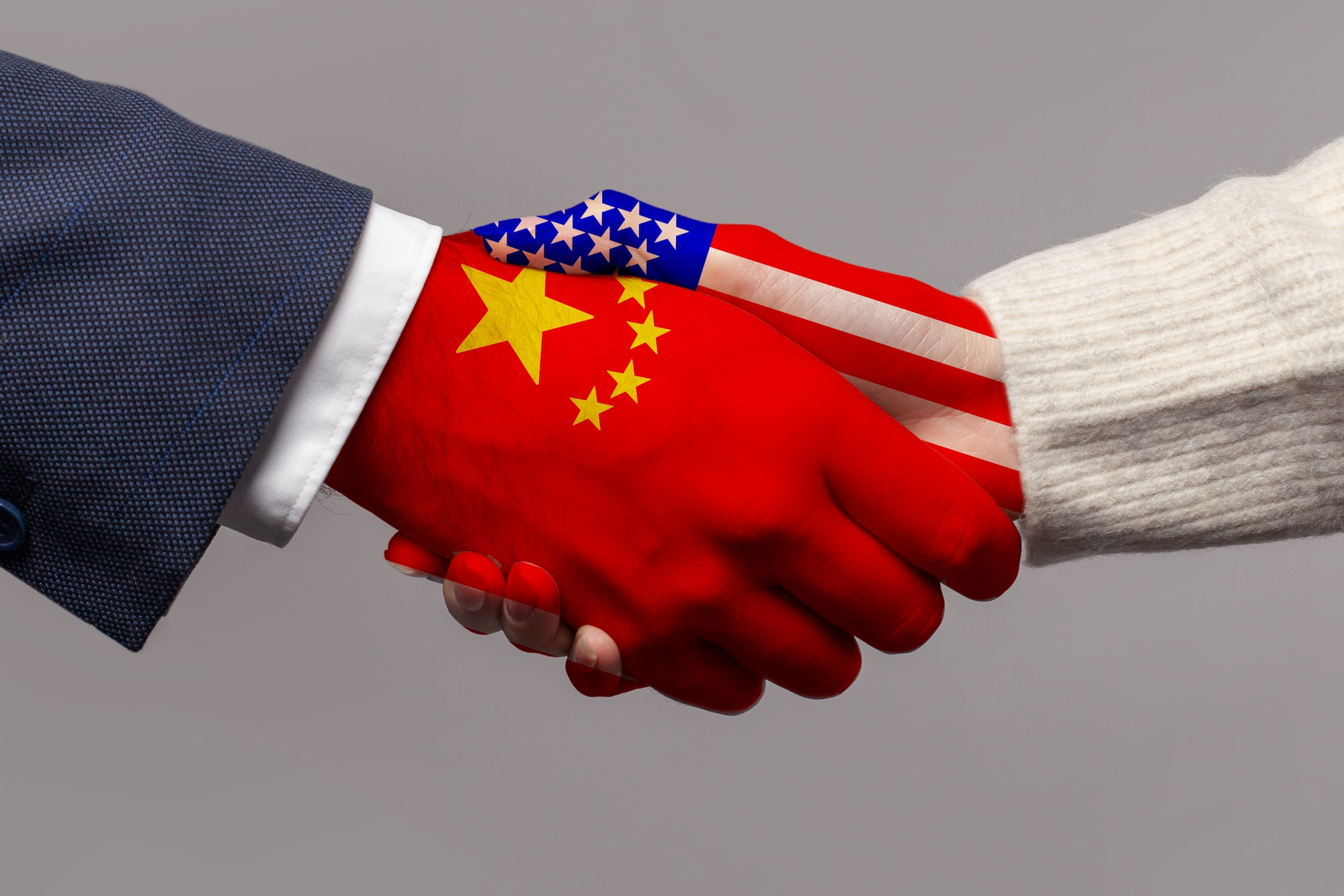
The U.S. and China will slash tariffs imposed on each other after both countries reached an agreement on May 12. In a joint statement, the two countries announced a pause on most tariffs released since February. Details of the agreement effective May 14 include:
- The U.S lowering tariffs on Chinese imports from 145% to 30%.
- China reducing tariffs on U.S. imports from 125% to 10%.
- A 90-day period for the reductions to take place.
- Specific U.S. tariffs, including those relating to anti-fentanyl, remain.
China will also pause or terminate non-tariff measures previously imposed on the U.S. The tariff reduction is temporary, and negotiations will continue for 90 days. With both countries being the largest exporters and importers globally, the agreement will significantly impact international shipping.
How Did The Agreement Come To Be?
Over the last few months, a trade war between the U.S. and China escalated as the Trump administration entered office. The escalations started with a 10% tariff that the Trump Administration imposed on all Chinese imports in early February. Trump cited fentanyl and unfair trade practices as reasons. China retaliated by imposing a 10% tariff on oil, large-engine vehicles, agricultural machinery, and a 15% tariff on coal. After several back-and-forth announcements of levies, U.S. tariffs reached 145% on Chinese imports, while China’s reached 125% on U.S. imports. Due to the volume of cargo both countries ship and import, higher tariffs would have impacted supply chains globally.
The higher tariffs would have negatively impacted the U.S. and China, as they are the biggest trading partners. In the joint statement, both countries identified “the importance of a sustainable, long-term, and mutually beneficial economic and trade relationship.” The U.S.’s new 30% rate comes from the 20% duty Trump imposed on China’s inaction on fentanyl importation and the 10% across-the-board tariff. While tensions have de-escalated since the agreement, this is a temporary measure. The two countries will continue talks and establish a mechanism for working towards a permanent resolution.
What Can Shippers Expect With The U.S and China Reaching An Agreement?
The announcement that both sides had reached an agreement led to a positive response in the international shipping industry. Higher tariffs may have raised costs for different supply chain parts, including the shipper, carrier, and receiver of the cargo. If the importer is a company bringing in products, the costs would have fallen on the customer. Domestic shipping, like port drayage services, could also benefit from increased imports from the agreement. Despite the positive response, analysts note that tariffs are still higher than when Trump took office. With the trump administration also placing tariffs on other countries, prices could still rise for U.S. consumer goods.
With both countries reaching a trade deal, shippers may be more comfortable transporting cargo. Despite this, there are many things that shippers should be aware of when starting. Regardless. It can be ideal to speak to a freight forwarder when beginning. A freight forwarder is a person or company that acts as a middleman between the shipper and the carrier. Along with coordinating freight movement on behalf of the shipper, they provide numerous services for their supply chains. Some solutions include customs clearance, international and domestic transportation, warehousing consulting, and more. Contact A1 Worldwide Logistics at info@a1wwl.com or 305-440-5156 to speak to a forwarder regarding shipping your cargo internationally.