Trump Imposing Furniture Tariffs
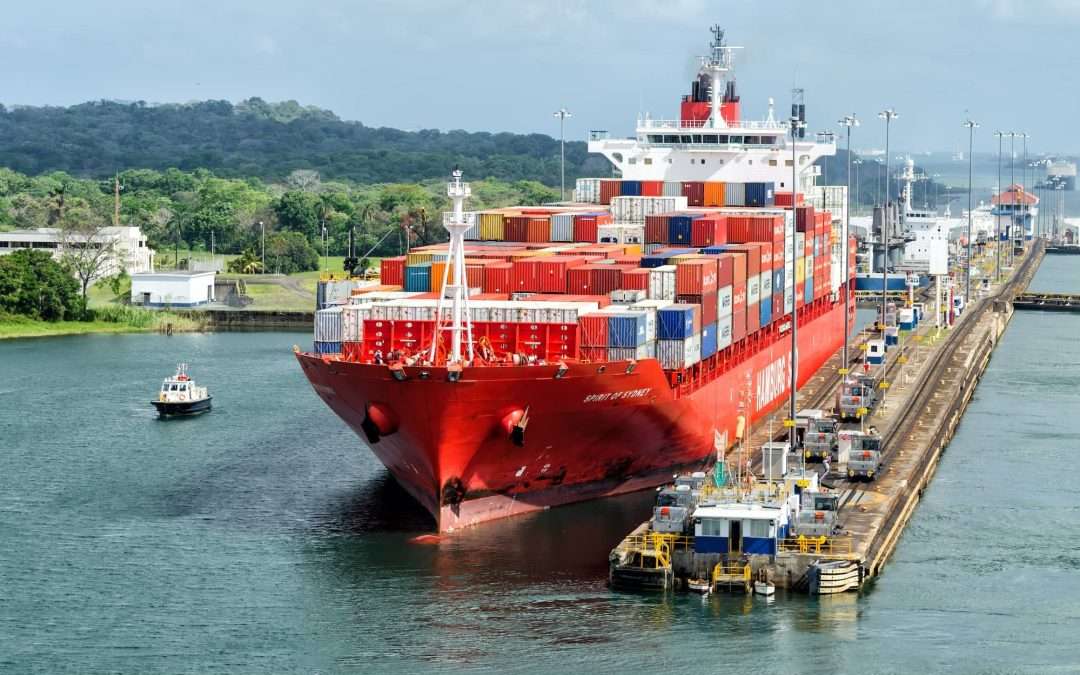
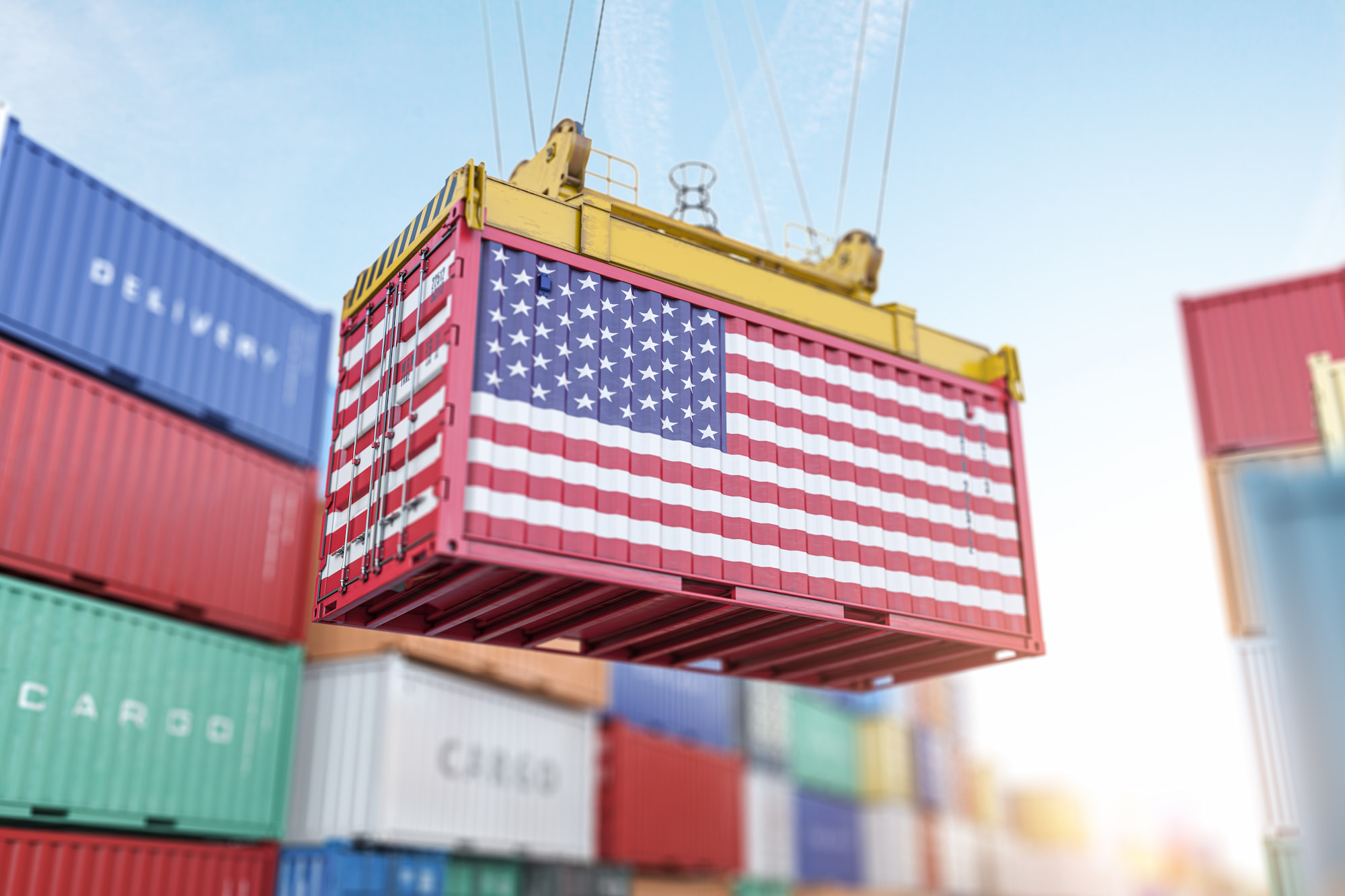
An investigation by the Trump administration could soon result in Trump imposing furniture tariffs. On August 22, the president announced a “major” tariff investigation on furniture entering the US. The potential rate has not been determined yet, and the examination will happen over the next 50 days. With Trump recently enforcing country-specific tariffs, it is unclear if he will apply the furniture tax on top of them. A white house official also announced it will happen under the Section 232 national security code. Recently, Trump expanded the scope of the Section 232 levy to include steel and aluminum imports. Given the amount of furniture countries import into the US, the tariffs could majorly impact international shipping.
Why Is Trump Imposing Furniture Tariffs?
Trump is pushing furniture tariffs for various reasons in his “America First” agenda. A primary goal is to encourage domestic manufacturing by raising import costs. This could stimulate the economy by creating jobs and returning businesses to the US. The country once considered states like South Carolina, North Carolina, and Michigan major furniture manufacturers. Like reciprocal tariffs, Trump also wants to enforce furniture taxes to encourage fair trade. Trump recently stated, “They charge the US tax or tariff, and we will charge them the exact tax and tariff, very simple.” Economists have the opposite view, noting that the levies could hurt the US economy by raising costs.
The immediate response to the tariffs was significant opposition in the US furniture industry. Trump’s announcement comes when the furniture industry faces numerous challenges. Along with inflation, higher interest rates have led to buyers purchasing fewer homes, lessening the need to buy furniture. Stocks for furniture retailers that rely primarily on importations fell immediately after the announcement, with some falling 7%. However, retailers with the majority of manufacturing in the US have seen a slight stock increase following the announcement. Jason Miller, A professor in supply chain management, stated, “Such a policy will further hurt furniture wholesalers and retailers and serve as a further headwind for container shipping volumes.”
How Will This Impact International Shipping?
In 2021, the US imported approximately $28 billion worth of furniture internationally, with China and Vietnam bringing in the majority. An immediate impact of furniture tariffs could result in higher import costs for many supply chains. Price increases may also fall on customers, with businesses increasing compensating costs. Despite logistical challenges, companies that import furniture have also considered re-sourcing manufacturing supply chains to the US. Bringing back production to the US is also costly and time-consuming; insourcing manufacturing could benefit domestic shipping.
When importing into the US, you must be aware of any regulations that can impact your shipment’s success. Failure to understand what to expect before starting can lead to monetary loss, delays, and cargo loss. Reaching out to a 3PL (Third-Party Logistics) provider like A1 Worldwide Logistics is ideal for getting started. A 3PL is a company that handles a variety of supply chain parts for a client. These include freight forwarding, customs clearance, domestic shipping, warehousing, and more. Speak to us at info@a1wwl.com or 305-425-9752 to learn about our 3PL solutions for your shipment.