Country-Specific Tariffs Starting
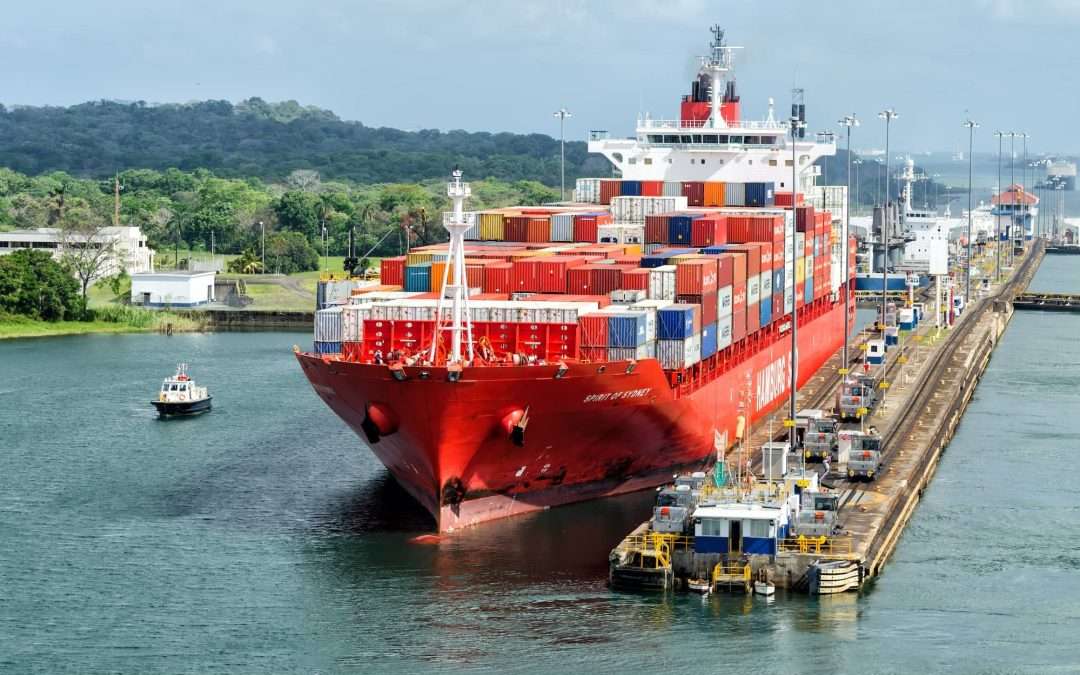
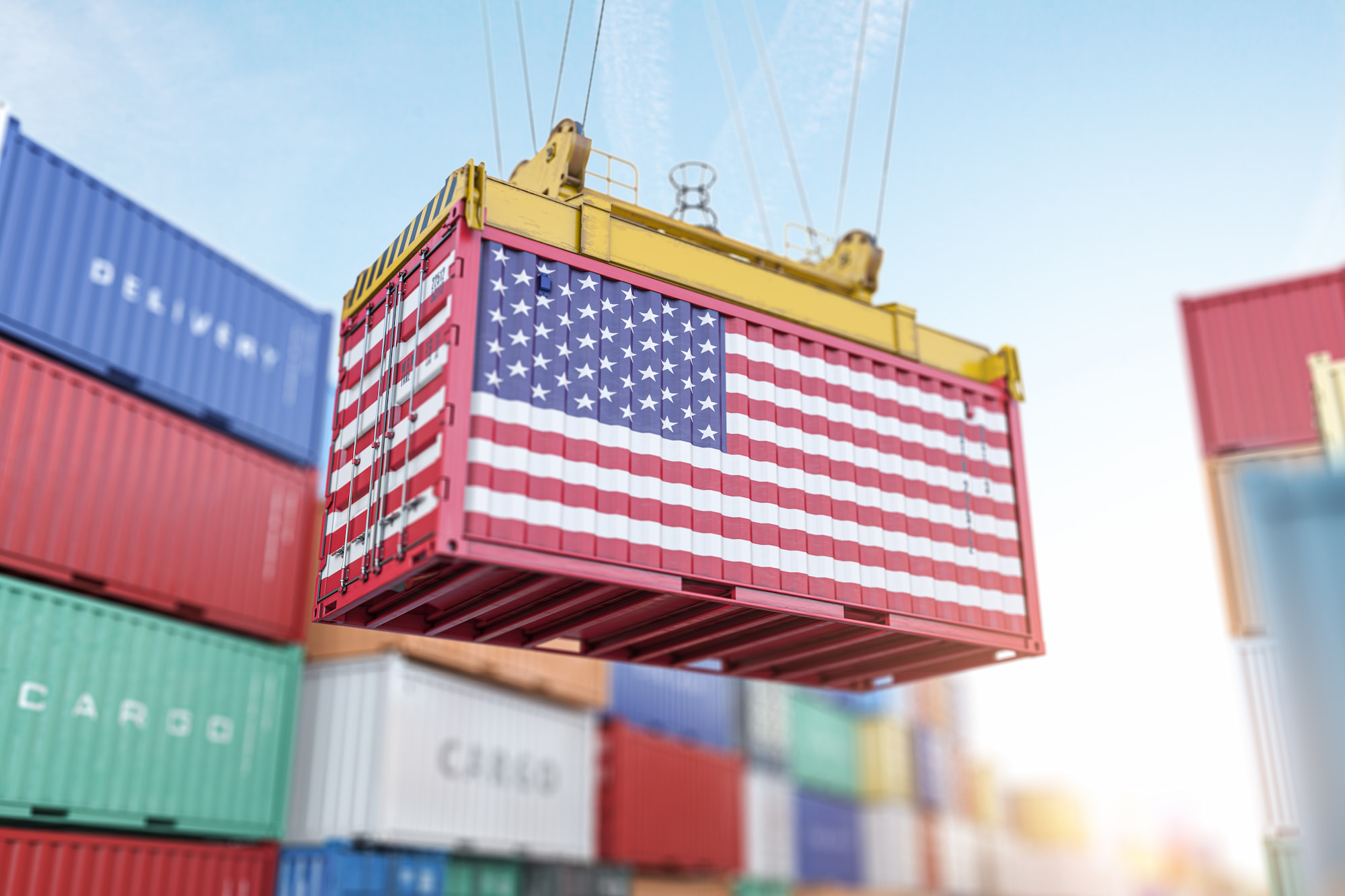
An executive order signed by President Trump on July 31 has resulted in country-specific tariffs starting today. Along with a 10% baseline tax on all importing countries, over 70 trading partners will have their tariffs. Initially announced by Trump as “Liberation Day,” starting in April, the tariffs were paused until July 7. The president then signed an executive order to extend the date to August 1 and announced new amounts. On July 31, he signed an order to begin enforcing the tariffs in a week to allow for rate harmonization. With the amount of cargo that shippers import into the US internationally, this will significantly impact international shipping.
Why Is Trump Imposing Reciprocal Tariffs?
Various reasons have been behind Trump’s tariffs, including lessening trade imbalances and addressing unfair trade practices. Trump plans to “level the field” by reducing the trade deficit with the US’s largest trading partners. He argues that other countries impose higher tariffs on American goods than the US charges them. The president also wants to bring manufacturing and businesses back to the US to stimulate the economy and create jobs. Imposing higher levies on goods from the most prominent importers will pressure US buyers to stop relying on foreign products. While Trump believes it will benefit the economy, economists think it will have the opposite effect and create inflation.
When Trump announced import tariffs, the US trading partners reacted differently. Some countries responded positively since the August 7 rate was less than the original amount. For example, Cambodia’s Prime Minister was optimistic about a tax cut from 49% on “Liberation Day” to 19%. Other countries responded negatively due to a rate increase from the original amount, including Brazil, which is now 50%. Brazil responded with a contingency plan and will take the case to the WTO World Trade Organization. Although not yet released, other countries could soon reveal their retaliatory levies. Certain nations, like Australia and the UK, will only have to pay the 10% baseline tax for importation.
What Can Shippers Expect With Country-Specific Tariffs Starting?
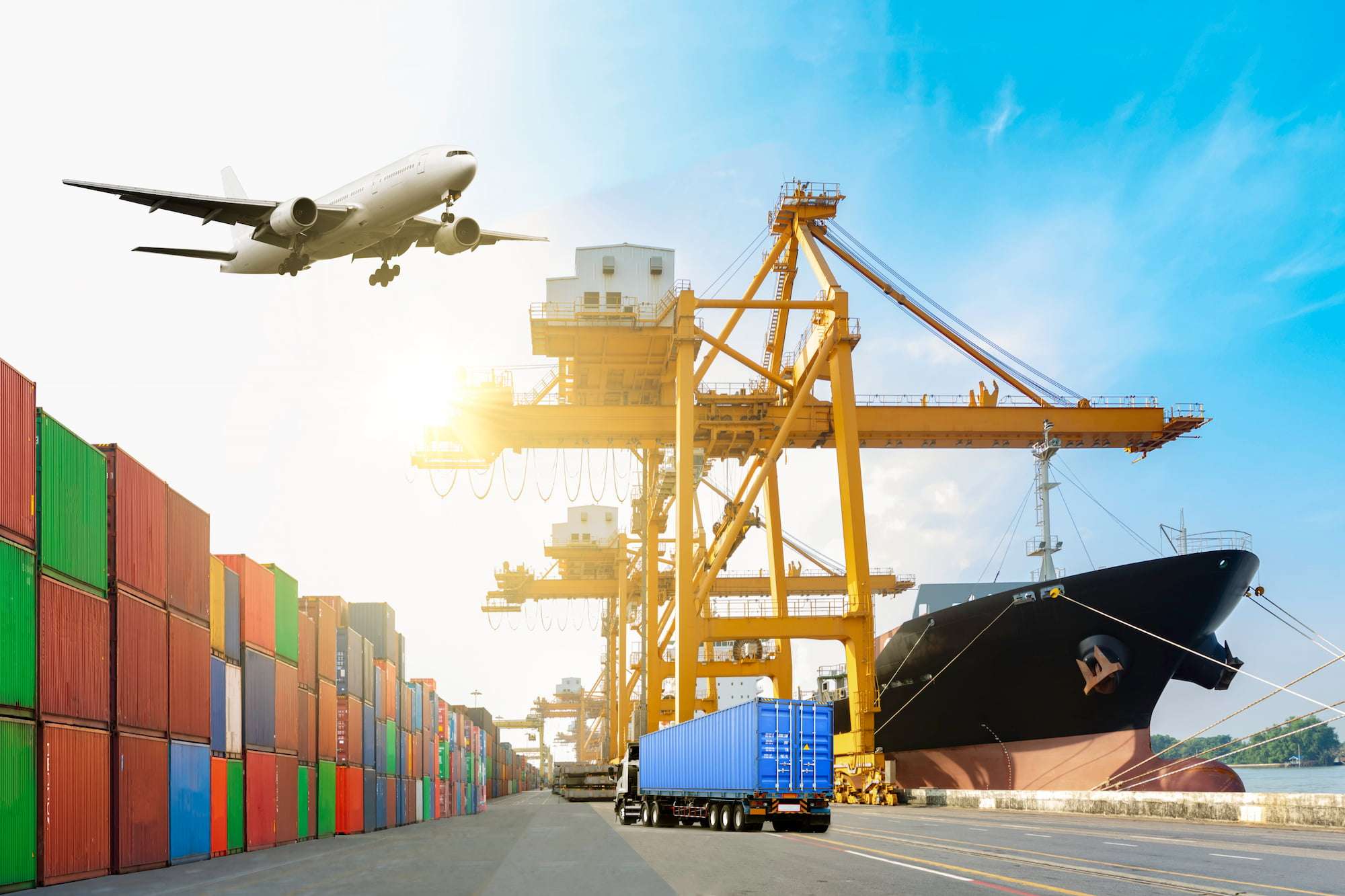
With the number of countries impacted by the tariffs, international shipping will immediately feel the effect. Shippers could see a cost increase in different supply chain parts. Along with import fees, this can include the fees the importer passes to the customer. Customers will soon see the prices of everyday goods brought into the US. The price of shipping cargo domestically could also increase, as shippers typically use trucks to move goods out of ports. To save costs, importers may seek other countries to import from or bring production back to the US. Insourcing comes with its challenges, such as being costly and time-consuming.
Although higher tariffs can stress shippers, it should not stop you from importing your goods. However, you should take the proper steps to guard your cargo during this time. An ideal way to protect your goods is to talk to a 3PL (Third-Party Logistics) provider like A1 Worldwide Logistics. A 3PL is an entity that manages various components of a supply chain on behalf of the shipper. These can include freight forwarding, customs clearance, warehousing, etc. 3PLs also offer consultation services for navigating higher costs and transporting cargo to the final location. Reach us at info@a1wwl.com or 305-425-9752 to learn about our 3PL solutions for your shipment.