Top US Coffee Importer Shifting
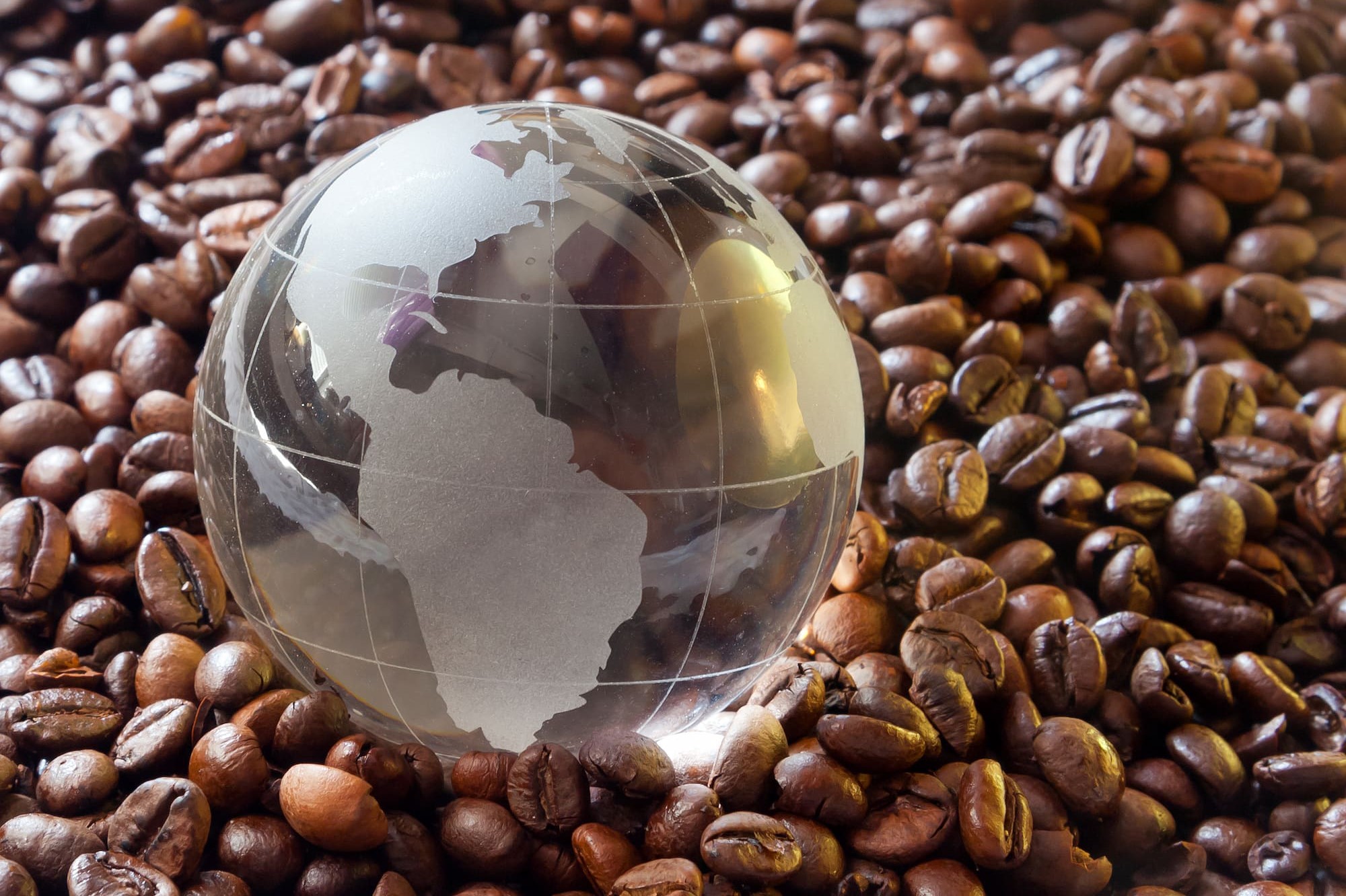
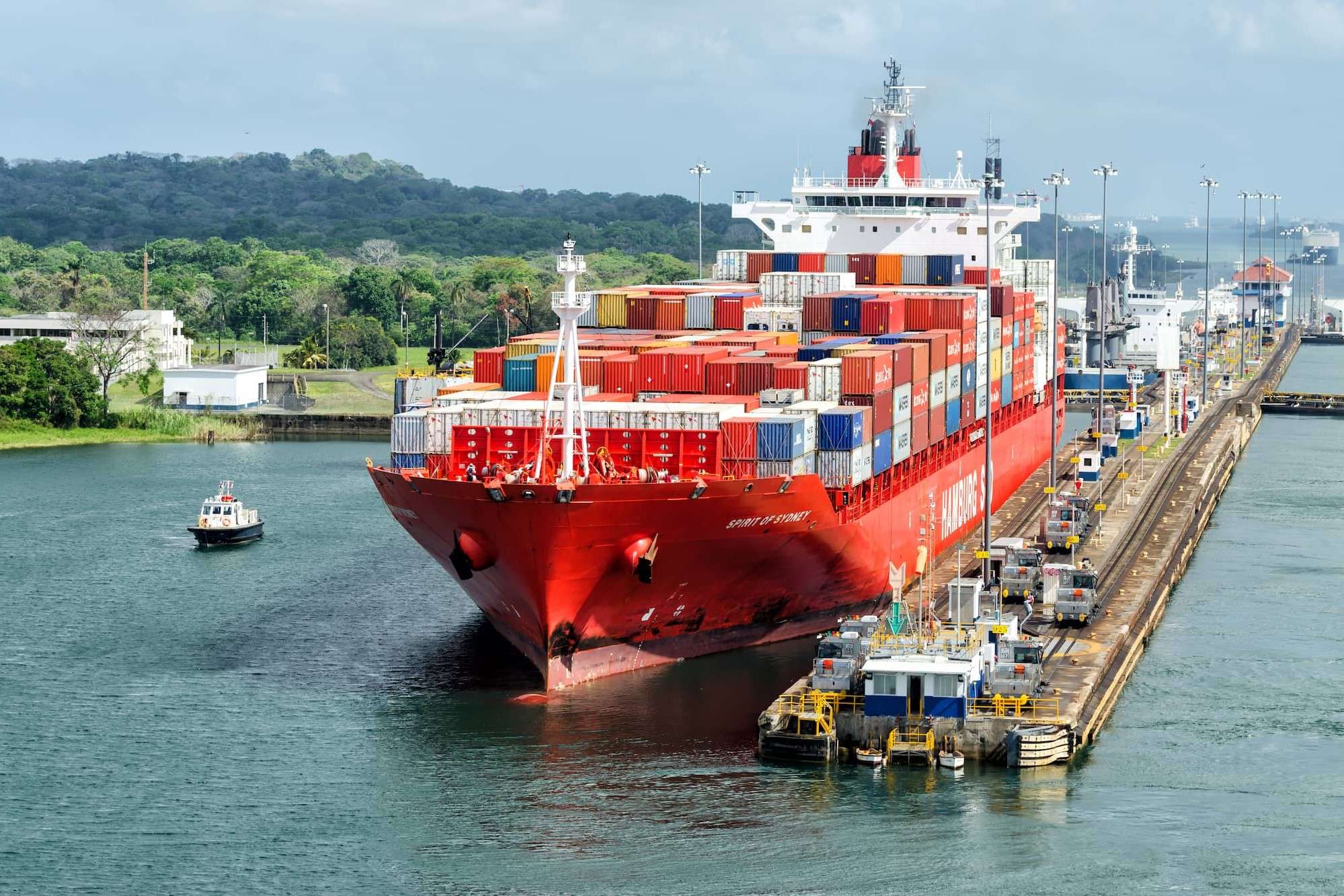
The international shipping industry could soon see the top US coffee importer shifting from Brazil. Responsible for nearly 30% of the unroasted coffee brought into the US each year, Brazil is the US’s largest supplier. However, in October, both Peru and Colombia overtook Brazil in the amount of coffee beans imported into the US. Other countries, like Mexico, and producers in Africa and Southeast Asia have also seen a significant growth in coffee imports. In May of 2025, the total amount imported from all countries exceeded 4600 TEUs. This article will explain the reason for the change in coffee imports and what it could mean for the shipper.
Why Is The Top US Coffee Importer Shifting?
A primary reason for the change in coffee-importing countries is President Trump’s tariffs. Since his return to office, Trump has been imposing levies on the US’s biggest trade partners. Some of the justifications include addressing unfair trade practices and strengthening the US economy. In July, Brazil’s tariff rate reached 50% compared to the baseline 10% tax on imports from Peru and Colombia. As a result, shippers have begun diversifying their supply chains by sourcing coffee from countries with lower tax rates. ImportGenius CEO Michael Kanko noted, “The broader lesson to importers has been that they need to diversify their supply chains, which helps keep prices stable and protect them against sudden changes to tariff policy.”
Another goal behind the tariffs was to bring production back to the US to strengthen the economy and create jobs. However, it had the opposite effect, leading to inflation. Insourcing supply chains for products like coffee to the US can also be complicated and costly. The levies on coffee beans imported into the US led to prices rising to nearly 41% above last year’s levels. Due to increasing costs for coffee and other food imports, President Trump recently cut tariffs on 200+ items. On November 15, Trump signed an executive order that removed previous levies on goods like coffee and other foods. As a result, global coffee prices dropped, leading to optimism among importers and roasters.
How Is The Shift Affecting Shippers?
Despite the cost pressures easing and coffee prices lowering, it may be a while before there is a significant change. With the recent tariff spikes and cuts, there is still uncertainty when importing coffee. Other factors, including weather, cost of living, and harvest yields, could directly impact supply chains. Smaller companies may also struggle to fully recover from the high import costs over the last few months. With supply chains still volatile, shippers should continue to diversify their supply chains. Diversifying can include importing from countries other than Brazil, like Peru or Colombia, and even bringing production back to the US.
Due to its popularity, exporting and importing coffee into the US may be an excellent opportunity for shippers. Despite this, there are various parts of the supply chain process you should be aware of when you start. When shipping goods like coffee, it can be beneficial to talk to a freight forwarder beforehand. Forwarders are companies or individuals that coordinate freight movement on behalf of the shipper. They do this by providing services like cargo transport, domestic shipping, customs clearance, warehousing, and more. A1 Worldwide Logistics has forwarding and other services to ensure your shipment’s success. Speak to our forwarders at info@a1wwl.com or 305-425-9456 to begin moving your shipment anywhere internationally.