US Cutting Tariffs On 200+ Items
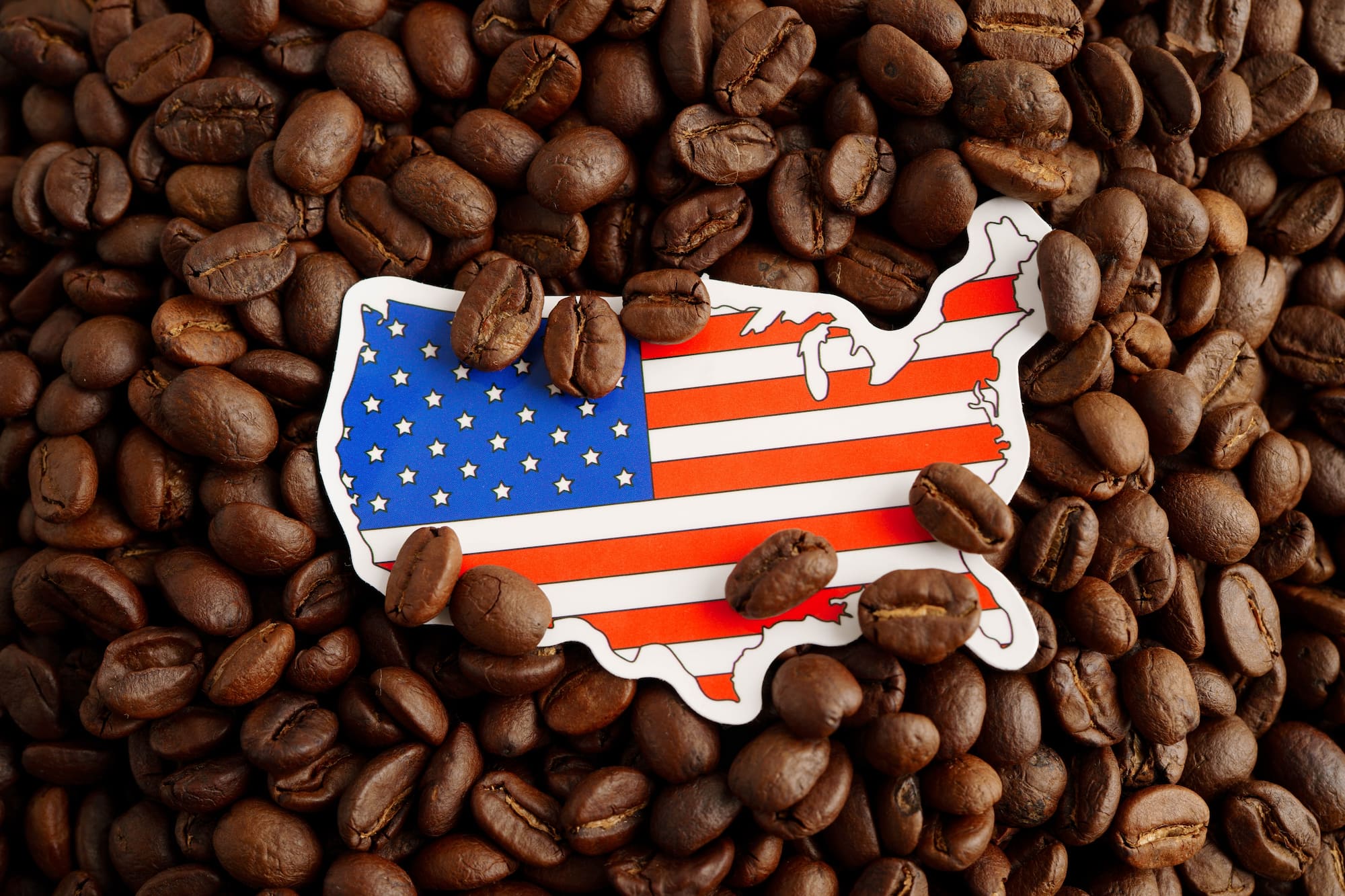
An executive order signed by President Trump on Friday, November 14, has the US cutting Tariffs on 200+ Items. More specifically, the levies that Trump placed on over 200 classifications and eleven categories of agricultural products are now exempt. Some of these food products include beef, coffee, avocados, cashew nuts, tomatoes, and more. On April 5, 2025, Trump began enforcing a 10% baseline tax on all imports into the US. He imposed them under the IEEPA (International Emergency Economic Powers Act (IEEPA) declaring it a national emergency. The recent order will remove specific agricultural goods from the reciprocal tariffs. This article explains the purpose of the exemption and what it will mean for international shipping.
Why is the US Exempting Tariffs On Agricultural Products?
President Trump’s main reason for the tariff rollback is the administration’s progress on numerous trade deals. Since imposing tariffs, the US has reached “framework” deals with agricultural-producing countries such as Guatemala, Brazil, Thailand, and Vietnam. Trump’s original goal in imposing levies was to reduce trade imbalances and address unfair trade practices. An online fact sheet by the Trump Administration noted, “President Trump’s tariff policies have delivered significant and lasting wins for the American people through fair, tough, and strategic trade negotiations, strengthening the US economy and national security while breaking down unfair trade barriers that have harmed American workers for decades.” The new exemptions will begin on November 13 for goods entering the US for consumption, with importers eligible for refunds.
Another reason for the rollback was a response to rising product costs. The tariffs raised the price of imports into the US, which was passed through the supply chain to customers. Trump also imposed tariffs to bring manufacturing back to the US and boost the economy. It had the opposite effect, causing slight inflation and having an opposite effect of increasing manufacturers’ costs. In the last few months, businesses have also pressured the Trump administration, noting that tariffs were hurting supply chains. Critics of the administration believe the rollback is intended to address public discontent before the 2026 midterm elections.
What Can Shippers Expect With The US Cutting Tariffs on 200+ Items?
The most significant impact of tariff cuts would be a decrease in import costs into the US. In turn, this could lead to an increase in imports of agricultural goods from countries previously affected by the levies. Businesses that ship large quantities of goods, such as beef and coffee, will benefit from lower expenses. Domestic shipping will also be affected by the exemption, since trucks typically transport imports to their final destinations. While the rollback may create flexibility, it is not a complete abandonment of tariffs. The Supreme Court will make the final decision on its legality, possibly by mid-2026.
With the amount of tariffs exempted by the executive order, it may be more attractive to import agricultural products. Shippers still should be aware of what to expect when bringing goods into the US. Not understanding the customs clearance process can result in delays and monetary loss. An ideal way to begin is to reach out to a customs broker. Brokers are individuals or corporations that facilitate cargo movement across international borders, calculating duties, handling documentation, and more. In the US, brokers ensure compliance with the CBP (Customs and Border Protection). Contact A1 Worldwide Logistics at info@a1wwl.com or 305-425-9456 to speak with a broker about clearing your goods through customs.