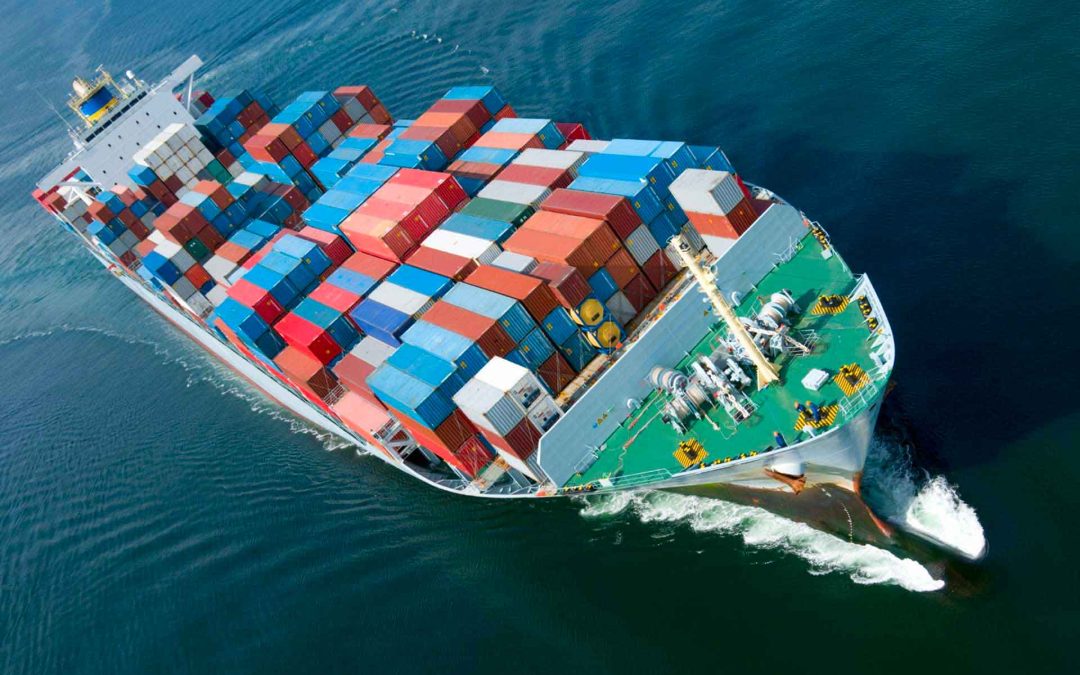
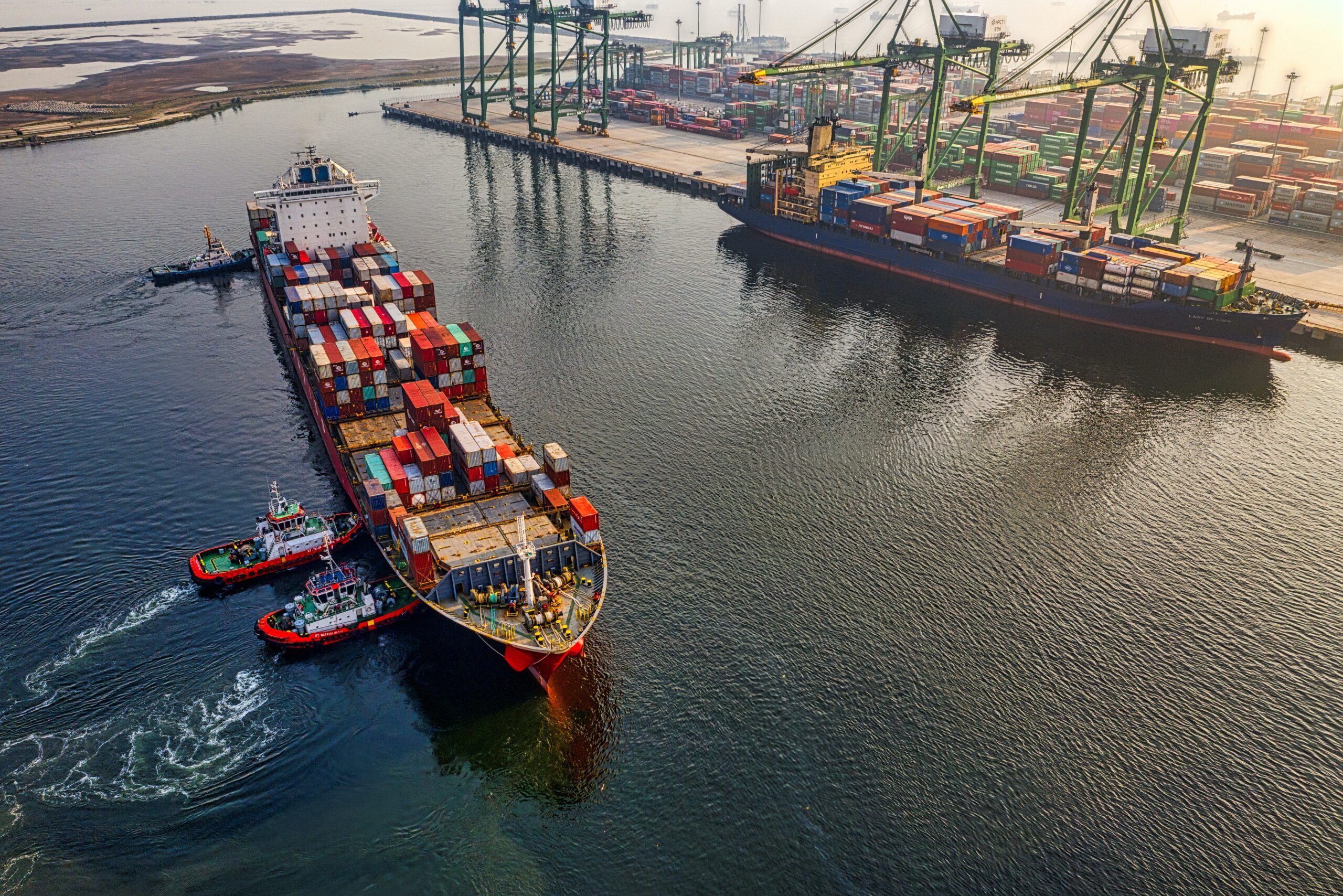
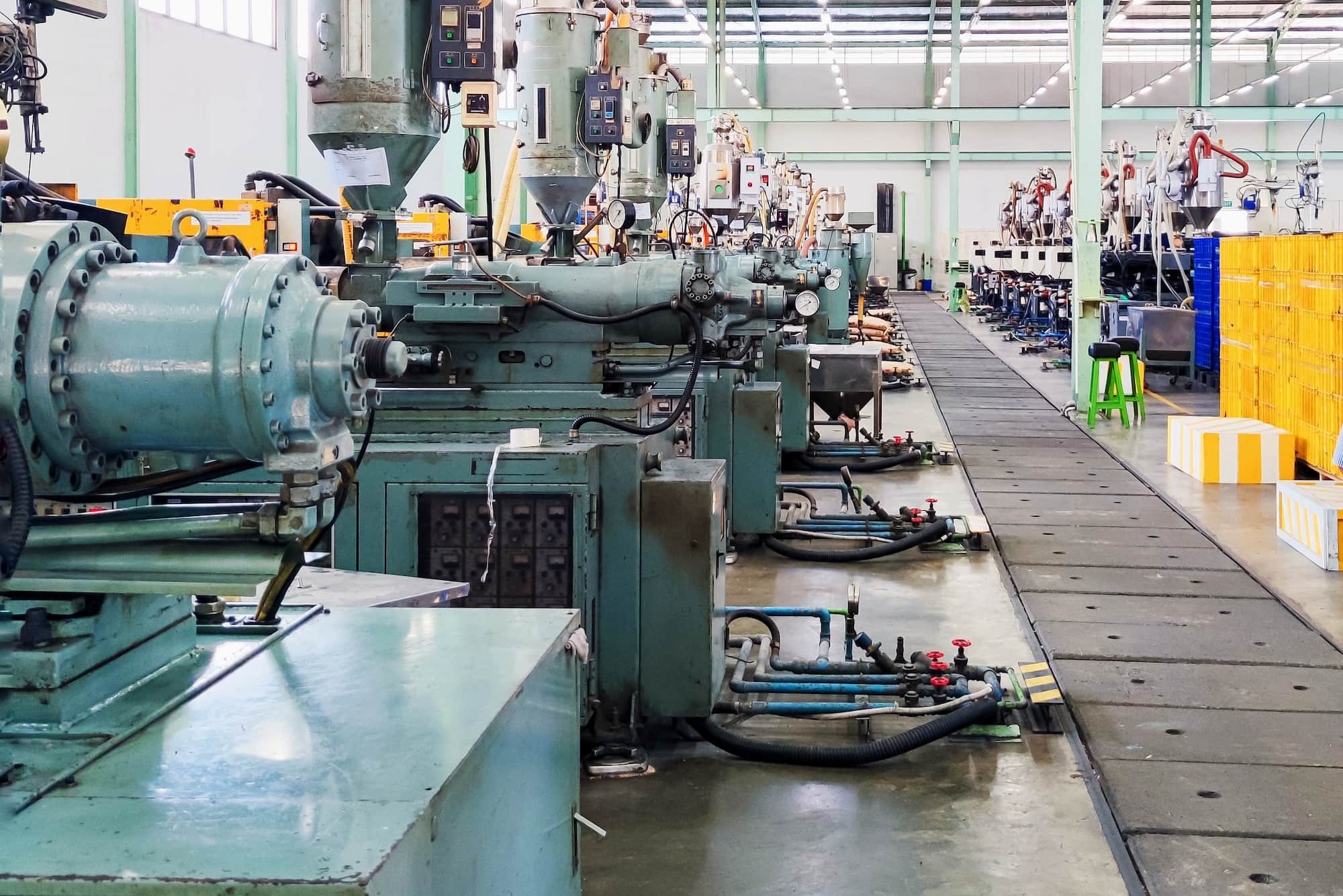
Despite its use across industries, there are several aspects shippers should understand when importing machinery into the US. Machinery can include a wide range of commercial, industrial, and agricultural equipment, including construction equipment, robotics, and electric generators. The customs classification and import requirements depend on the specific equipment, its function, and how it is constructed.. Due to the number of items that shippers can classify as machines, importing these goods may sometimes be challenging. This article explains the importation process for machines like heavy equipment and what to expect when starting.
Importing Used Machinery and Heavy Equipment
Used machinery can require some additional checks before it is shipped to the United States.
If the equipment contains a nonroad or heavy-duty engine, EPA emissions requirements may apply. EPA Form 3520-21 is used for the importation of certain nonroad and heavy-duty engines, including engines already installed in equipment. The exact requirements depend on the engine and equipment being imported.
Used farm machinery should also be thoroughly cleaned before shipment. USDA APHIS restricts used farm machinery contaminated with soil or other material, while additional cleaning or certification requirements can apply depending on the country of origin.
If the machinery is shipped on solid wood pallets, crates, or other regulated wood packaging, the packaging must also meet U.S. ISPM 15 requirements.
Before shipping used machinery, it is a good idea to have the make, model, serial number, year of manufacture, engine details, and photographs available. These details can help determine which customs and agency requirements apply.
What Should You Know Before Importing Machinery Into the US?
Start by identifying exactly what the machinery is, what it does, and where it was manufactured. These details affect its customs classification, duty rate, and whether another government agency has requirements for the import.
Many types of mechanical machinery fall within Chapter 84 of the Harmonized Tariff Schedule, while electrical machinery and equipment commonly fall within Chapter 85. However, the correct HTS classification depends on the specific equipment and its function.
Additional tariffs can also apply. Certain China-origin machinery may be subject to Section 301 duties depending on its HTS classification. Some machinery and machinery parts can also fall within current Section 232 steel or aluminum derivative measures. These tariffs should be checked against the specific HTS code rather than assuming they apply simply because a machine contains steel or aluminum.
Additional agency requirements depend on the equipment. For example, EPA requirements can apply to certain nonroad and heavy-duty engines, including engines installed in machinery. Used farm equipment can also be subject to USDA APHIS requirements relating to soil contamination and, depending on its origin, additional cleaning or certification requirements.
The HTS (Harmonized Tariff Schedule) is the classification schedule the US uses to impose duties on imports. Contacting a customs broker can be an ideal way to help ensure that you have the correct classification and understand any additional duties that may apply. Another essential consideration before importing machinery is ensuring you have the correct paperwork.
Another essential consideration before importing machinery is making sure the correct documentation is available.
Common documents and information your customs broker may need include:
- Commercial Invoice
- Packing List
- Bill of Lading or Air Waybill
- Manufacturer, model, and country-of-origin information
- EPA Form 3520-21 where applicable
- Additional agency declarations or supporting documents where required
For cargo arriving by ocean vessel, check the applicable Importer Security Filing (ISF) requirements before shipment. For most applicable vessel shipments, key ISF information must be filed no later than 24 hours before the cargo is loaded at the foreign port, although different rules can apply to qualifying breakbulk cargo.
How Can Machinery Be Shipped to the United States?
The best shipping method depends on the machinery’s dimensions, weight, value and whether it can be safely loaded into standard equipment.
Common options include:
- Standard containers: Suitable for machinery that fits safely within the container’s dimensions and weight limits.
- Open-top containers: Useful when machinery is too tall to load through standard container doors or needs to be loaded from above.
- Flat racks: Often used for oversized or out-of-gauge machinery that cannot fit inside an enclosed container.
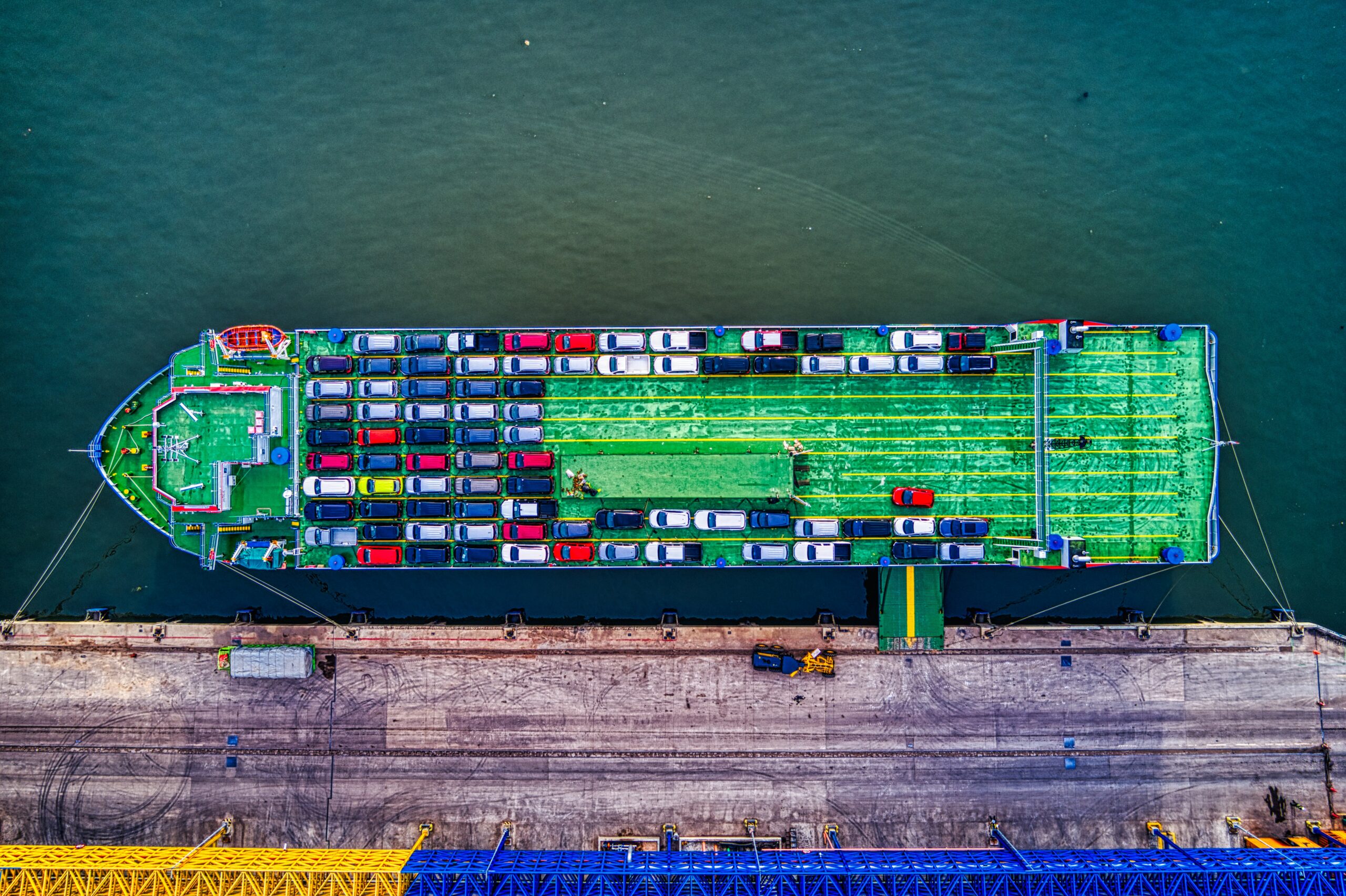
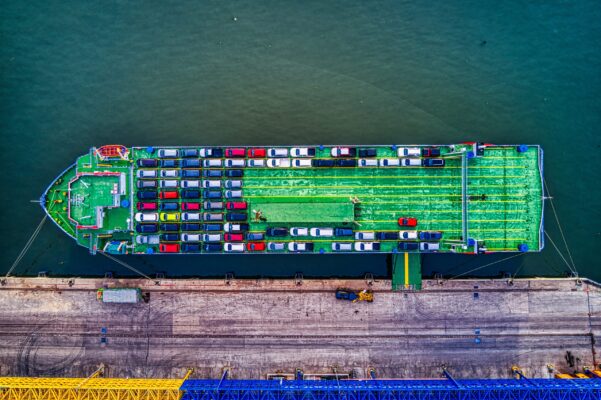
- RoRo: Can be suitable for self-propelled or wheeled equipment that can be driven or rolled on and off the vessel.
- Breakbulk: An option for large machinery that cannot be shipped using standard container equipment.
- Air freight: Sometimes suitable for smaller, high-value or time-sensitive machinery.
For oversized equipment, accurate length, width, height, and weight measurements should be confirmed before booking. These measurements affect the equipment that can be used, freight price, port handling, and inland transportation after arrival.
Machinery that exceeds standard shipping equipment limits may need to move as oversized or out-of-gauge cargo.
How Much Does It Cost to Import Machinery Into the US?
There is no standard cost for importing machinery into the United States. The total depends on the equipment, its country of origin, and how it is transported.
Costs can include:
- International freight
- Duties based on the machinery’s HTS classification and country of origin
- Any additional tariffs that apply to the particular import
- Customs bond and brokerage charges where applicable
- Port and terminal handling
- Loading or unloading charges for oversized machinery
- Customs examination or storage costs if the shipment is held
- Inland transportation from the port to the final destination
The correct HTS classification should be established before relying on an estimated duty rate. Machinery can fall under many different tariff classifications depending on what the equipment actually does, and additional duties can change over time.
For an accurate landed-cost estimate, provide your customs broker or freight forwarder with the machinery’s description and function, manufacturer and model, country of origin, purchase value, dimensions and weight, and engine information where applicable.
While this article explains the process for importing machinery into the US, disruptions can still occur. In turn, this may lead to delays, financial losses, and cargo losses. An ideal way to ensure a successful import is by coordinating with a customs brokerage like A1 Worldwide Logistics. Brokers are licensed individuals or corporations that arrange customs clearance for imports on behalf of the importer. In the US, customs brokers can assist importers with CBP requirements by reviewing classifications, calculating duties, preparing documentation, filing entries, and helping coordinate the customs clearance process.
Speak to our brokers at info@a1wwl.com or 305-821-8995 to begin importing machinery and other cargo into the US.