US Proposing Tariffs on 60 Economies

US Proposing Tariffs on 60 Economies

The tariff war is continuing with the US proposing tariffs on 60 economies. On June 2, the United States Trade Representative (USTR) proposed tariffs of up to 12.5% on major US trading partners. Some countries that could be affected include China, Mexico, Canada,...

CIT Denies Section 122 Tariff Stay

CIT Denies Section 122 Tariff Stay

The legal fight over tariffs remains, as the CIT denies a Section 122 tariff stay. President Trump originally imposed the Section 122 tariffs as a response to the Supreme Court striking down the IEEPA tariffs. On May 7, the Court of International Trade (CIT) ruled...

EU Finalizes A US Trade Deal

EU Finalizes A US Trade Deal

Trade between the US and the European Union (EU) may soon benefit as the EU finalizes a US trade deal. On May 20, European Commission President Ursula von der Leyen announced a provisional agreement to remove duties on US goods. Likewise, the US agreed to maintain a...

Section 122 Tariffs Ruled Illegal

Section 122 Tariffs Ruled Illegal

Section 122 tariffs ruled illegal following a decision by the Court of International Trade (CIT). On May 7, the CIT announced that President Trump’s Section 122 tariffs were unlawful and harmful to businesses. Enacted by the Trump Administration in February 2026, the...

US And India Reach A Trade Deal

Share This Article

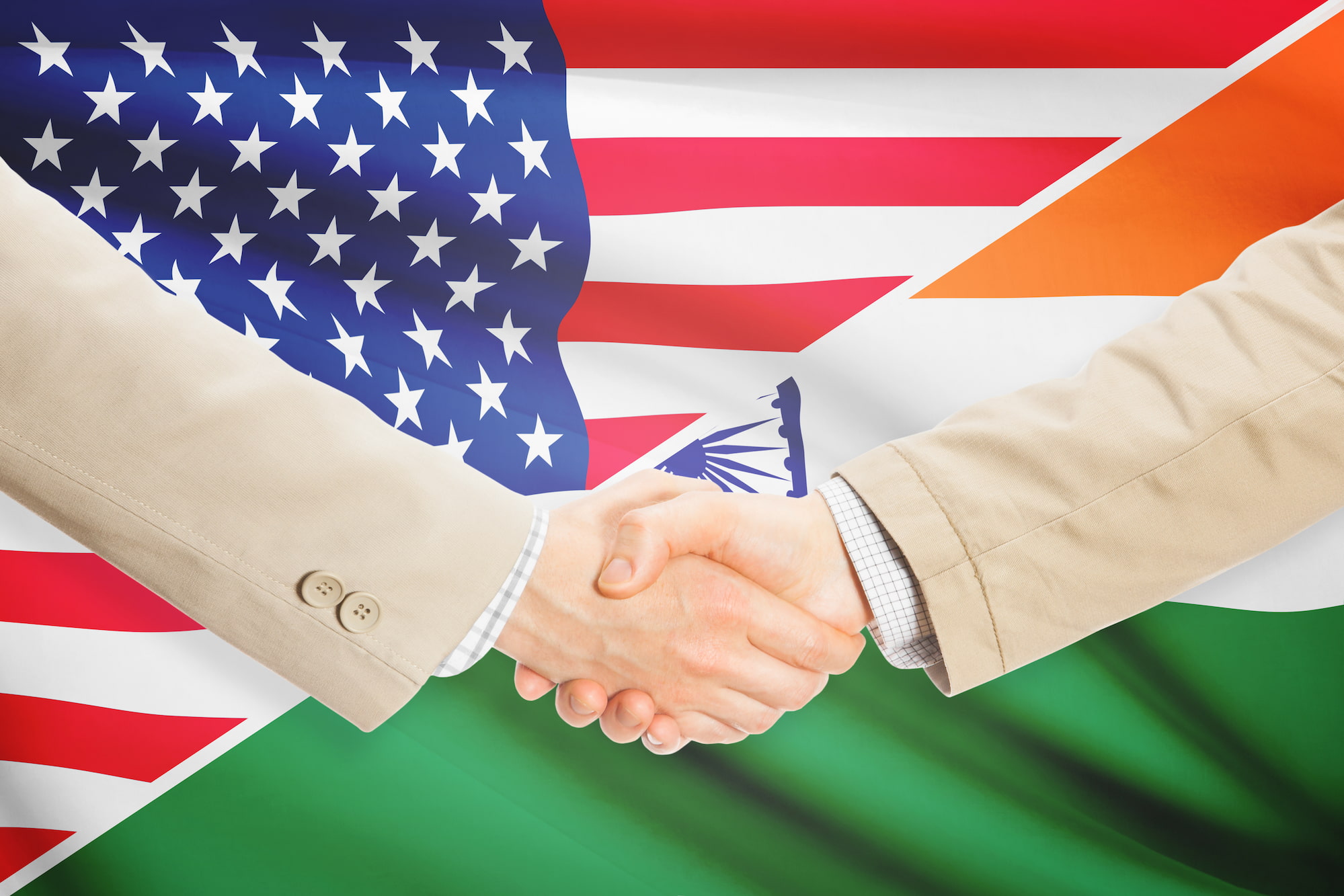
The US and India reach a trade deal following a call between President Trump and Indian Prime Minister Narendra Modi. On Monday, February 2, Trump announced that he will lower tariffs on imports from India to 18%. Originally, he imposed levies ranging from 25% to 50%. Trump’s announcement comes a few days after India signed a trade deal with the EU (European Union). The deal will also have India purchasing $500 billion in US products, including energy, technology, agriculture, and other products. Given the volume of goods the two countries ship to each other, the deal may be significant for international shipping.

Why Did Trump Impose And Cut The Tariffs On India?

Trump’s original reason for imposing a 25% tariff on India was due to its purchase of oil from Russia. Before that, Trump also imposed Section 232 duties on steel and aluminum and IEEPA reciprocal tariffs, raising taxes to 50%. On February 2, Trump reduced the reciprocal tariffs to 18% and fully removed the levies on Russian oil. A primary reason is to strengthen bilateral cooperation between the two countries and increase India’s investment in US products. Narendra Modi noted that the deal will lead to “immense opportunities for mutually beneficial cooperation.” Trump has also indicated a potential future agreement under which India increases its reliance on US crude oil rather than on rivals such as Russia and Iran.

How Will The Shipping Industry Be Impacted As The US And India Reach A Trade Deal?

Given the volume of goods traded between the two countries, the new deal will significantly benefit international shipping. India is a major importer of metals and pharmaceuticals from the US, and lower tariffs can increase imports. Less trade friction will give India better access to US markets and vice versa. An increase in imports will also benefit domestic shipping, including drayage for transporting cargo to and from ports. The US has reached similar trade deals with countries in the EU (European Union) and South Korea. A hope is that the US will continue negotiating trade deals with other countries, leading to lower tariffs.

Despite lower taxes potentially reducing import costs from India, shippers should still exercise caution when starting. Failure to be prepared can cause disruptions, including customs delays, resulting in financial losses. Disruptions can be especially detrimental if the importer is a business with customers who expect their products. Shippers can prepare by contacting a 3PL (third-party logistics) provider before starting. A 3PL is a company that handles various supply chain functions for a client. These may include customs clearance, freight forwarding, domestic shipping, warehousing, and more. Contact A1 Worldwide Logistics at info@a1wwl.com or 305-425-9456 to learn about our 3PL solutions for your shipment’s success.

A1 Worldwide Logistics, Inc.

📍1035 NE 125th St #320, North Miami, FL 33161, USA

🌍 a1worldwidelogistics.com

📞 305-821-8995

🕒 Hours: 8AM – 5PM

Send your request

The government has denied the CIT's motion for a Section 122 tariff stay.

CIT Denies Section 122 Tariff Stay

The tariff battle is far from over. The Court of International Trade (CIT) has denied the government’s request to pause enforcement of its ruling striking down President Trump’s Section 122 tariffs.

What should shippers understand with the first wave of tariff refunds starting May 12.

Tariff Refunds Starting May 12

Big news for importers! The first wave of tariff refunds is set to begin May 12, giving businesses a long-awaited opportunity to recover funds paid under the now-overturned IEEPA tariffs.

Freight forwarding in Miami is an excellent opportunity for shippers.

Freight Forwarding In Miami

Whether importing into or out of the US, freight forwarding in Miami can be an ideal solution for your shipment.

International shipping is feeling the affect as the Strait of Hormuz is still clogged.

Strait Of Hormuz Is Still Clogged

Global shipping is feeling the pressure as the Strait of Hormuz is still clogged amid escalating tensions involving Iran, Israel, and the United States.

movimiento de carga aereo,maritimo y domestico que usan un agente de carga.

¿Por qué es importante elegir un buen agente de carga?

Un buen agente de carga internacional puede marcar la diferencia en el éxito de sus envíos. Conozca los riesgos de no utilizar uno confiable y las cualidades que debe buscar.