How to Ship Goods Internationally: A Guide for Businesses

How to Ship Goods Internationally: A Guide for Businesses

Shipping goods internationally can mean very different things depending on what you are moving. Sending a box overseas with a parcel carrier is one process. Moving pallets, machinery, a full container, or commercial inventory between countries involves freight...

How to Choose the Right Customs Broker

How to Choose the Right Customs Broker

Choosing a customs broker is an important decision for any business or individual importing goods into the United States. Your broker can help prepare your customs entry, classify your goods, calculate duties, manage documentation, and communicate with U.S. Customs...

Panama Canal Fees Continue To Rise

Panama Canal Fees Continue To Rise

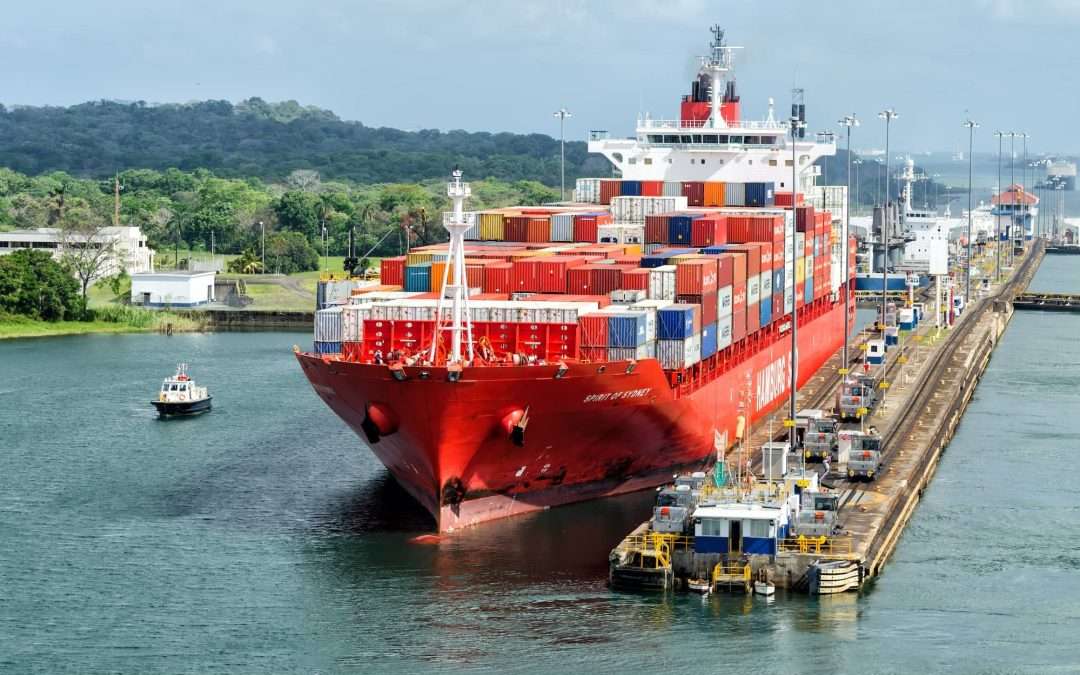
Shippers may soon face higher costs as the Panama Canal fees continue to rise. Over the last few months, various scenarios have driven transit fees higher. Major carrier companies have begun raising their Panama Canal Surcharge from $100 per TEU to $130 and nearly...

Importing Cars From Canada

Importing Cars From Canada

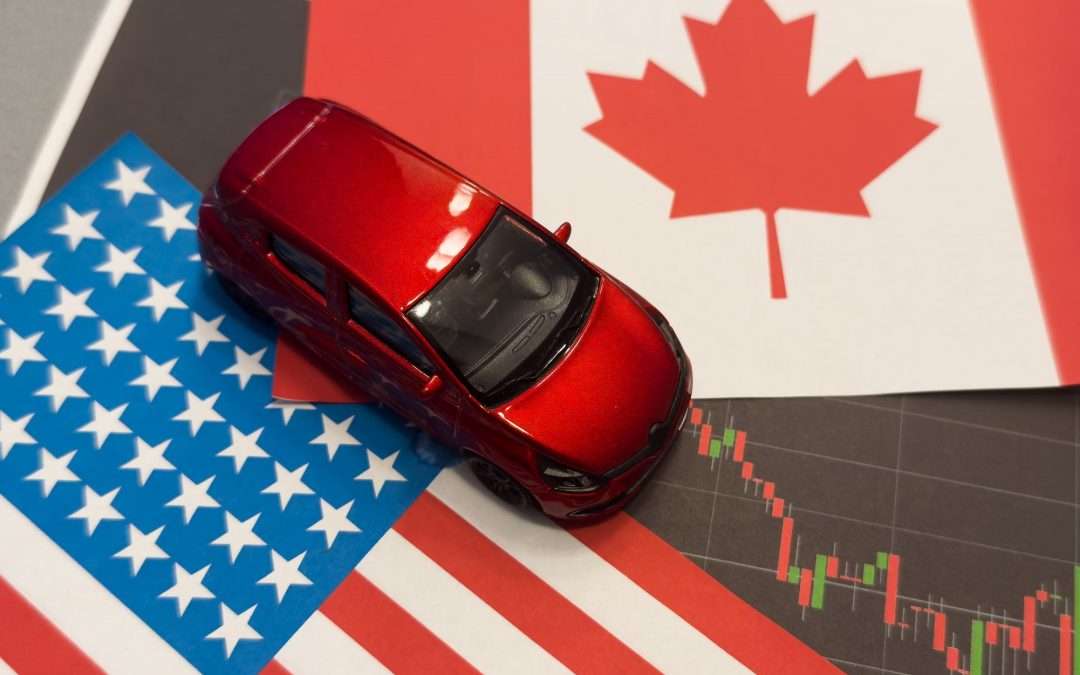
Although importing cars from Canada can benefit importers and businesses, it can be confusing for the average shipper. Canada’s proximity to the US makes cross-border vehicle transportation relatively accessible. In addition to offering easy access, Canada is an...

US Proposing Tariffs on 60 Economies

Share This Article

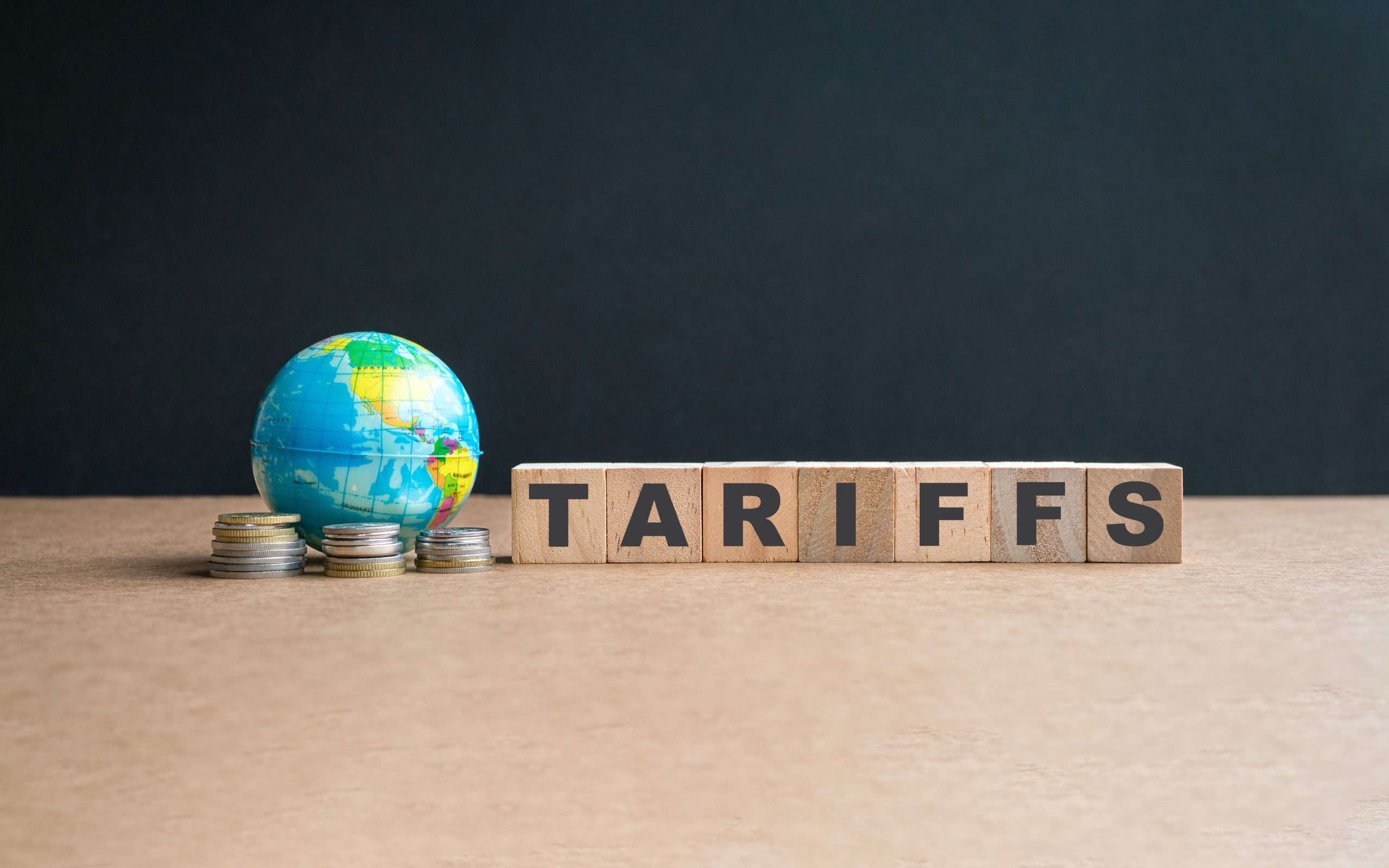
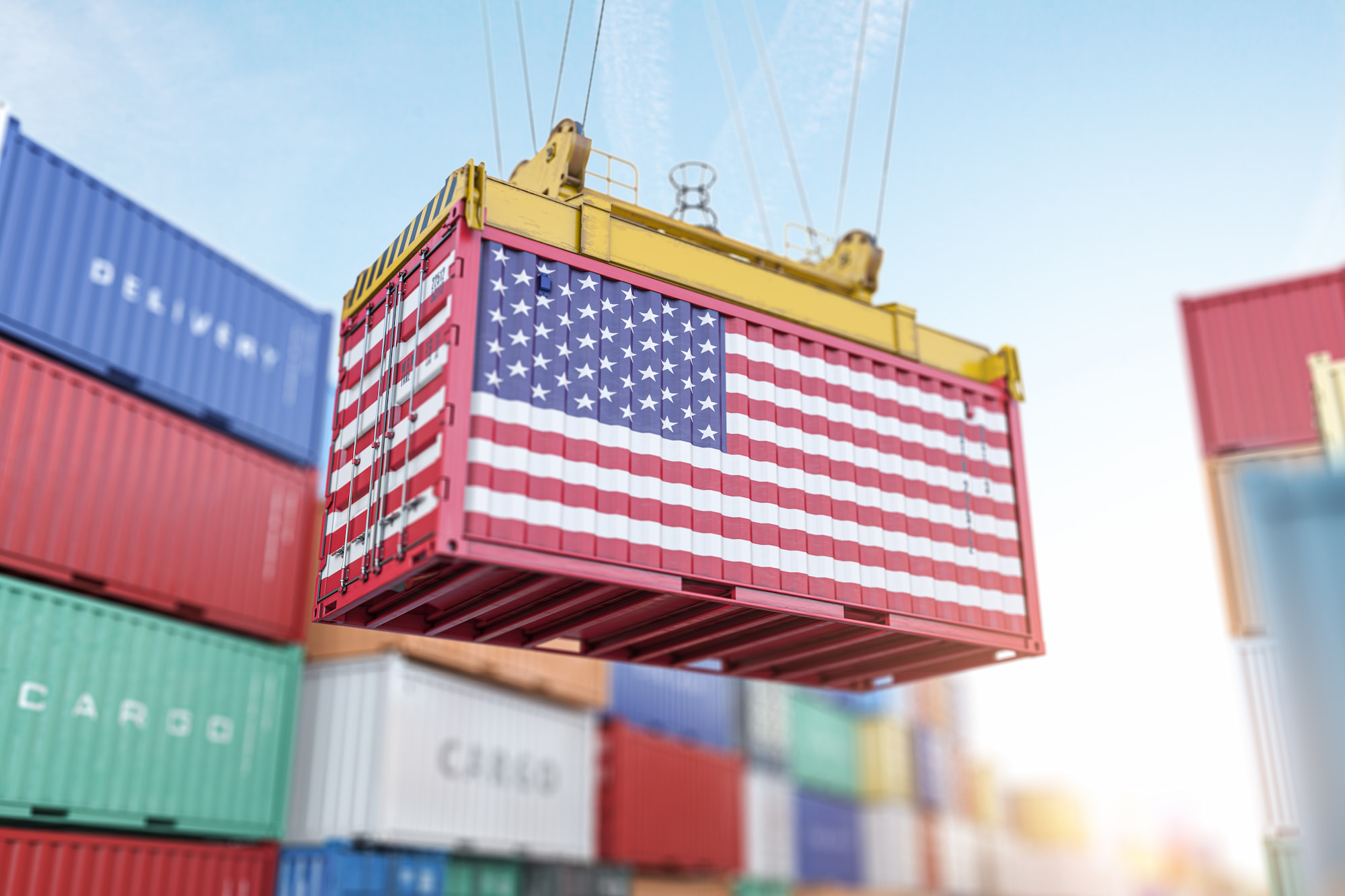
The tariff war is continuing with the US proposing tariffs on 60 economies. On June 2, the United States Trade Representative (USTR) proposed tariffs of up to 12.5% on major US trading partners. Some countries that could be affected include China, Mexico, Canada, Japan, South Korea, and India. The USTR will propose the tariffs under Section 301 of the Trade Act of 1974 following a March investigation. The probe into forced labor laws led to a plan to enforce a 10% levy on certain countries and a 12.5% levy on others. With the back-and-forth on levies over the last year, this could add another layer of strain to the shipping industry.

Why is the US Proposing Tariffs on 60 Economies?

A reason behind the Trump Administration’s proposal is the failure of trading partners to ban imports produced with forced labor. US Trade Representative Jamieson Greener stated that the failure to address the forced labor practices “creates a dynamic where American workers are forced to compete globally on an unlevel playing field.” Trump is also proposing tariffs as an alternative means of imposing levies following the striking down of his emergency tariffs. In February 2026, the Supreme Court ruled that Trump’s International Emergency Economic Powers Act (IEEPA) tariffs were lawful. Along with bringing manufacturing back to the US, the Section 301 tariffs are also a leverage for creating trade deals.

What Could The Proposed Tariffs Mean For Shippers?

If the Trump administration enforces the Section 301 tariffs, the cost of importing into the US could increase. It’s essential to note that the levies will target nearly 99% of US trading partners. In addition to affecting the importer, different parts of the supply chain could further raise costs, including for the customer. Domestic shipping to the final destination may also have increased costs. Trading partners, including the EU, have commented against the Section 301 tariffs, with a spokesperson calling them “unjustified”. The USTR notes that the levies will have exemptions, including imports already subject to Section 232 tariffs.

While tariffs may seem alarming, they should not pause cargo movement. Shippers should, however, take the proper steps to prevent disruptions such as delays, monetary loss, and cargo loss. It can be beneficial to speak with a customs broker when deciding whether to import into the US. Brokers are licensed individuals or companies that coordinate the clearance of shipments through customs. In the US, they ensure compliance with CBP (Customs and Border Protection). Brokers do this by offering services such as providing paperwork, filing entries, calculating duties, and more. Reach A1 Worldwide Logistics at info@a1wwl.com or 305-425-9456 to learn about our services for clearing your cargo upon US entry.

A1 Worldwide Logistics, Inc.

📍1035 NE 125th St #320, North Miami, FL 33161, USA

🌍 a1worldwidelogistics.com

📞 305-821-8995

🕒 Hours: 8AM – 5PM

Submit your request

Container in transit to port

What Is Demurrage? Container Charges, Detention, and Free Time

What Is Demurrage? Container Charges, Detention, and Free Time Demurrage is a charge that can apply when an import container remains at a marine terminal beyond its allowed free time. Detention generally applies when the carrier’s container has been collected but is...
Using a customs brokerage is essential for ensuring a successful customs clearance.

What Is a Continuous Customs Bond?

What Is a Continuous Customs Bond? A continuous customs bond is a bond used by importers to cover multiple U.S. Customs transactions rather than arranging a separate bond for each applicable shipment. If you regularly import commercial goods into the United States, a...
Importing goods into the united states

How to Import Goods Into the United States

Buying goods from an overseas supplier is only one part of importing them into the United States. Before the shipment leaves, you need to know whether the product can enter the country, who will act as the importer, what duties or additional tariffs may apply, what...
Understanding what are warehousing services can significantly improve your supply chain.

Why Use Warehousing Services?

Looking for a smarter way to manage your cargo? Warehousing services can provide more than just a place to store your goods—they offer numerous value-added services before your cargo reaches its final destination.

This is a guide on how to ship goods internationally.

How to Ship Goods Internationally: A Guide for Businesses

Commercial international shipping can involve freight transportation, carrier bookings, complex documentation, customs requirements, and much more. 🚢✈️ Understanding these steps can help you avoid delays, unexpected costs, and compliance issues.