Panama Canal Fees Continue To Rise
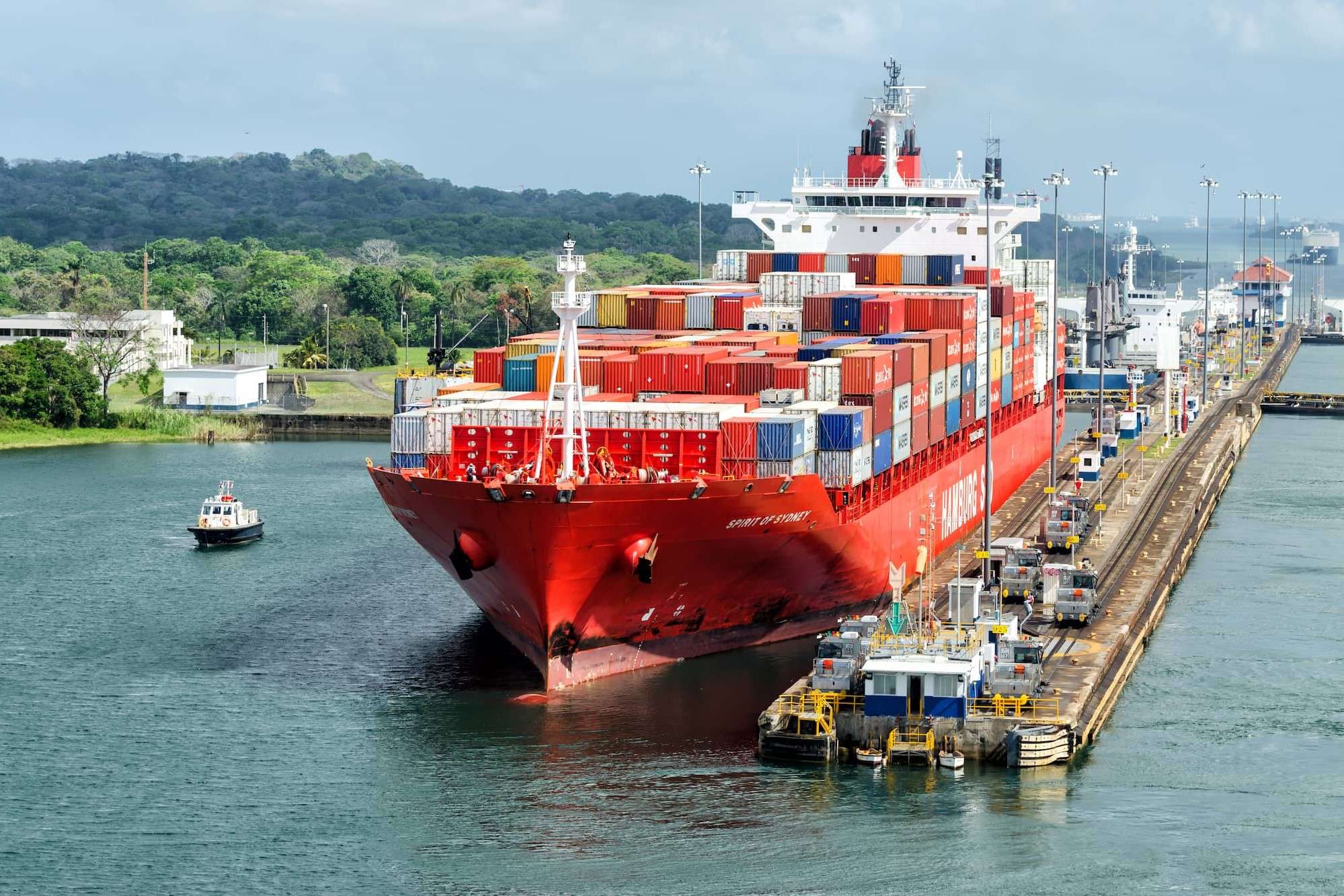
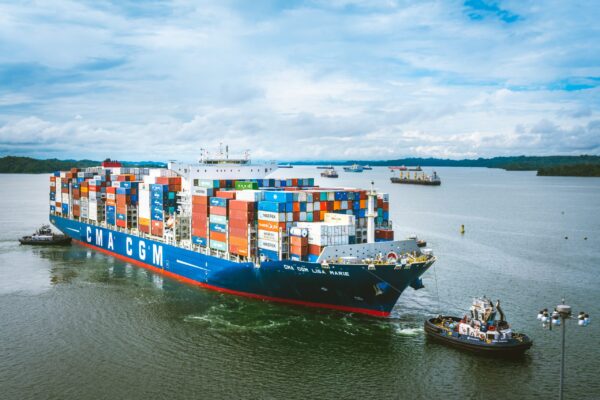
Shippers may soon face higher costs as the Panama Canal fees continue to rise. Over the last few months, various scenarios have driven transit fees higher. Major carrier companies have begun raising their Panama Canal Surcharge from $100 per TEU to $130 and nearly $150. Shipping companies have even paid more than two million in auction prices per crossing to jump the queue. With over $2 billion in cargo value passing through the canal daily, the fees may soon impact shippers.
Why Are The Panama Canal Fees Rising?
Several issues have recently driven up Panama Canal crossing costs, including a recent drought. Lower water levels linked to a strengthening El Niño weather pattern have forced Panama Canal authorities to tighten vessel restrictions. Starting August 26, the Neopanamax locks will face a maximum draft of 48.0 feet, down from the 49.0 feet maximum on July 42. On September 3, the reduction will go down to 47.5 feet. Lower draft limits mean that carriers passing through will have to reduce capacity and carry less cargo. In turn, less capacity results in higher transport costs for each carrier and fees for the importer.
Another issue causing higher fees is the conflict in Iran impacting the Strait of Hormuz. With the strait working at limited capacity, carriers have begun rerouting to avoid delays. Routing toward the Panama Canal has increased demand, driving auction prices for major carriers to over two million. As a result, higher traffic has created bottlenecks in the canal. Ships reportedly began waiting nearly 10 days to pass through the canal. Major shipping companies have added a significant surcharge per TEU to offset the impact of these bottlenecks. Rerouting can also lengthen transit times, further raising the cost of transiting the Panama Canal.
What Can Shippers Expect As The Panama Canal Fees Continue To Rise?
Since the Panama Canal is a major route in international shipping, shippe could feel the impact of higher prices. The extra surcharges per TEU could fall on the shipper and the customer if the importer is a business. Shippers could also expect higher fees from the bottlenecks caused by higher demand. Continuing declining water levels may lead to tighter capacity and higher fees. Shippers should prepare for the higher costs and take the appropriate action to navigate them. If possible, using a different shipping method, such as land or air, can prevent delay-related fees.
While the higher costs may seem distressing for the supply chain, they should not halt cargo movement. Shippers should, however, take appropriate action to protect their shipments. Along with constantly staying informed on the situation, shippers can also speak to a freight forwarder. Forwarders are logistics providers that coordinate freight transport on behalf of the shipper. With a network of carriers, they help provide documentation, find quotes, handle warehousing, and more. They also provide consultation services to help determine the best course of action for navigating rising costs. Contact A1 Worldwide Logistics at info@a1wwl.com or 305-425-9456 to ensure your shipment reaches its final destination.