There are two important points to know about when importing medical devices. First, medical devices must comply with every standard of normal importation except you must also file the belongings in what is known as an MDR. Second, if the medical devices import radiation, there is a completely different process that you need to adhere to.
How to Import Medical Devices
Firstly, the manufacturer you are importing from must follow American regulations before they can be imported to the country.
Checklist of Foreign Regulations:
Registration of Establishment
Listing of Devices
Manufacturing in Accordance with Quality Regulation
All of those must be strictly adhered to as a foreign manufacturer. But if you are an importer, the main change you must make is to follow an MDR filing.
Medical Device Reporting: The Form FDA 3500A is a report that the importer must have on-hand and report from the manufacturer. This report details reports of deaths or serious injuries as well as malfunctions associated with these medical devices.
When a medical device emits radiation, it must follow-through a separated process from the typical importation. You must specifically follow the FFDC Act (Federal Food, Drug, Cosmetic Act) Subchapter C- Electronic Product Radiation Control.
Following these standards means you must follow these requirements.
Performance Standards – How much radiation will be emitted and how efficiently it is capable of doing so.
Proper Labeling – Contents of the device, what type of radiation is emitted and how many quantifiable units could be irradiated from the device.
Radiation Safety Reports – Detailed reports about how to properly handle the radiation and how strong the radiation could be.
With A1WWL, we work to remove as many hurdles between you and your products. If you want a smooth import of your medical devices, please give us a call before beginning the transition, we could save you a lot of headaches and setbacks between you and accessing your device.
There was an article recently that showcased the Chief of the Panama Canal reflecting on the previous year after the expansion. Of the points he spoke about, he touched upon the $5.5 billion expansion and the results of the expansion.
His Major Talking Points
The New Capacity – The canal added lane with longer/larger locks. These allow longer ships to move through as was previously not possible while also allowing smaller ships to pass through quicker.
The Big Ships – The OOCL France which is as long as the Eiffel Tower traversed the canal on May 24th and contained 13,926 TEU’s of Cargo. Disney’s Cruise Line moved with its 2700+ passengers through the canal on April 29th.
The Narrowing Bottom Line
The Canal is a Shortcut – “The Canal is more competitive when oil is above $50 a barrel, above $55 it’s very competitive.” While as of writing today it is $46 per barrel, the competition to traverse the canal will only increase over time as oil prices dither constantly and are expected to rise even more in the next few months and years.
As ships have become larger and longer the expansion of the canal was a necessary step. There would only be so much time until someone made a better shortcut. While the investment hasn’t made its money back yet, it has cemented the Panama Canal as the definitive shortcut through the Americas.
A1WWL
We are always pushing to keep our pulse on the news of the industry and of the technology that is pushing our trade further. We can’t help but wonder in the next few decades if the canal will be as useful as it is today with the concepts of drone warehouses and solar powered vessels. What are your thoughts on the matter? Leave a comment below or give us a call and talk about it.
Jeff Bezos founded Amazon in 1994 because he regretted not investing in the Internet Business boom. Before it was Amazon it was known as Cadabra and Relentless both were considered too sinister or abstract. Amazon was the settled name because he wanted it to sound exotic and different and slowly it became the giant it is today.
Their Current Hold of the Market
Currently, there is no bigger online marketplace than Amazon, and it doesn’t seem like anyone will top Amazon anytime soon. The only other alternative that has similar market share on the internet is eBay, and that has less than half the keyword dominance as Amazon.
The biggest draw of Amazon was to sell books and make the book buying process easier. Through their creation of the Kindle, which only released a few months after the Nook by Barnes and Noble, they absorbed most of the eBook market and made it much easier for independent authors to publish without going through a publishing house.
Next, to streamline their online buying process, you can have two-day guaranteed shipping by having an Amazon Prime account. This has been one of the biggest advantages of Amazon for several years because all other online retailers now have to compete with price and convenience.
Their Products and Consumers
Amazon practices an amazing circuit of cyclical marketing. Everything that Amazon creates for consumers goes back to consumers and Amazon. If you buy their Kindle for their books, you can also have access to Amazon Music and Amazon Prime. This also links to audible.com, the online audiobook market owned by Amazon.
If you have Amazon Prime, you can have access to award winning shows that are produced by Amazon for Amazon as a way to secure people’s investments in Amazon prime.
By owning their products, by watching their shows, by shopping on their online marketplace, Amazon can mine all of this data and use it to get the consumer to use their products more and more. By increasing convenience, price, and deals, Amazon pushes itself harder than any other online company while also rewarding the consumer for their marketability.
Their Future Investments
Amazon had a patent and expressed interest in creating drone warehouses to increase the speed of shipments. In some test locations, you can have your items delivered in as little as two-hours due to this investment.
Amazon has made so many steps forward for eBooks that they have ended up walking in a circle with the release of their Book store that contains printed copies of books only found on Amazon.
Finally, just recently, Amazon purchased Whole Foods in a push to begin taking more of the grocery market. Now not only can you conveniently receive dry foods, canned foods, and other long shelf-life foods for wholesaler prices, you can also get fresh and nutritious food at ideal locations.
A.I. is beneficial to the trade of international shipping. The primary competitor for A.I. is people, and they are more error prone. Where a human might make a shipping mistake or order the wrong amount, a machine can make that mistake once and learn never to do that ever again. This leads to a tremendous upside for automated shipping services.
The upside of shipping automation means that you will have more accurate orders in a shorter period. This is because you are removing the element of human error and placing bots with very minimal margins of error.
The Downside of Automated Shipping
With this in mind, many people are going to be losing their job because of being replaced with bots. Of these people who are losing their job, a small percentage can be brought on as consultants or engineers to help the bot become even more successful.
Many jobs such in warehouses and manifest managers might be out of work, but the consensus is that freight forwarders won’t lose the work.
How are Freight Forwarders affected?
Contrary to other jobs which are immediately prone to automation due to the repetitive nature of their situation, freight forwarders have unique traits that A.I can’t replicate yet. Freight Forwarders revolve around networking and maintaining trade relationships and A.I. haven’t convincingly replicated that.
While A.I. can target and replace certain industry type jobs, they are not (yet) able to replace the human connection that revolves around most trade in our current free market.
A1WWL
A1WWL has been in the business of freight forwarding for many years, and when we read about how the Panama canal has grown, we get excited for the future of our profession. If you would like to learn more about the canal or freight forwarding, please give us a call today!
Since his entry to the administration, the president has admonished NAFTA extensively. Through this period, there has been talks of reworking NAFTA and making it more fair to the United States. Additionally, recently there has been talks of scrapping NAFTA altogether.
However, there is plenty of evidence to suggest that NAFTA isn’t going anywhere and additionally, that reworking the deal might make things worse for the United States.
From 1993 to 2015, NAFTA positively affected each country by 39%, 40%, and 24% for the U.S., Canada, and Mexico respectively. This shows a tangible climb for every member to benefit from this agreement mutually.
The only point of debate for NAFTA being detrimental for Americans is the concept of it affecting American Jobs. While manufacturing jobs have tanked in America, jobs in trade, retail, and positions such as customs brokers and freight forwarders have skyrocketed.
Additionally, on the note of manufacturing jobs, it’s difficult to determine if it is directly linked to NAFTA since more manufacturing jobs have sprouted in Asian countries as well.
Why The President is not going to Drop NAFTA
While there is the ability to drop negotiation laws from 23 years ago, there will be two different sets of pushback for the president if a withdrawal is purported.
The People – Countless existing jobs and established business transactions rely on NAFTA to sustain itself. These people will not simply let their longstanding business relationships wither.
Congress – Congress is in place to off-put gross uses of power in the presidency. If the people are incapable of defending themselves, Congress might step in and decide to offset this decision since it would adversely affect Americans.
A1WWL
As customs brokers, we strongly stand behind NAFTA. If you would like to learn more about NAFTA or how it affects international trade, feel free to call us at any time.
Within two months of each other, the USS Fitzgerald and the USS John S. Mccain had collided with cargo ships. The Fitzgerald, off the southern coast of Japan, the McCain, in between the Malaysian straight.
The Fitzgerald Collision – There are two factors at faulty when considering how the Fitzgerald collided. The ‘Right of Way’ rule which indicates the Fitzgerald should have halted and let the ACX crystal pass. In response to this, there was an investigation to figure out why the Fitzgerald couldn’t detect the ACX crystal, possibly there was an error with the sensors onboard.
The McCain Collision – The primary faults were that the primary steering system had failed and that miscommunication among the crew caused a delay in the proper rate of response.
How did these Collisions happen, and how can they be avoided?
There are three cited problems for these incidents. How these can be improved is currently a problem for the U.S. Navy, and multiple investigations and reviews are being performed to remedy these problems.
Lane Crowding – Both of these collisions have cited lane crowding. While there is freedom of the seas to sail wherever you wish, there are optimal lanes for maximum fuel efficiency and speed. Both the McCain and the Fitzgerald were on the fastest and thus, the most populated lanes of travel.
Miscommunications – Both ships had fundamental communication errors. The Fitzgerald failed to communicate with the crystal or respect the right of way rules. The McCain had too many on-deck miscommunications to avoid their tragedy.
System Issues – Additionally there are suspected system issues with the ships. Between possibly broken sensors and failing steering systems, there are possibly many poorly maintained aspects of the ship at any given time.
A1WWL
We work to stay up to date on as much information as much as possible. When international cargo and ships collide, it affects everyone personally and our business specifically. If you have any questions, feel free to contact us at any time.

 All of those must be strictly adhered to as a foreign manufacturer. But if you are an importer, the main change you must make is to follow an MDR filing.
 Performance Standards – How much radiation will be emitted and how efficiently it is capable of doing so.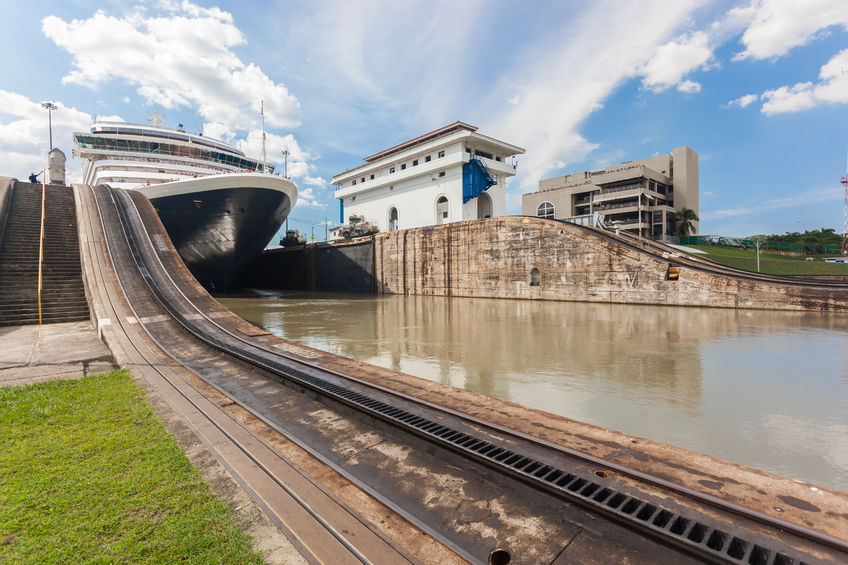
 There was an article recently that showcased the Chief of the Panama Canal reflecting on the previous year after the expansion. Of the points he spoke about, he touched upon the $5.5 billion expansion and the results of the expansion.
 As ships have become larger and longer the expansion of the canal was a necessary step. There would only be so much time until someone made a better shortcut. While the investment hasn’t made its money back yet, it has cemented the Panama Canal as the definitive shortcut through the Americas.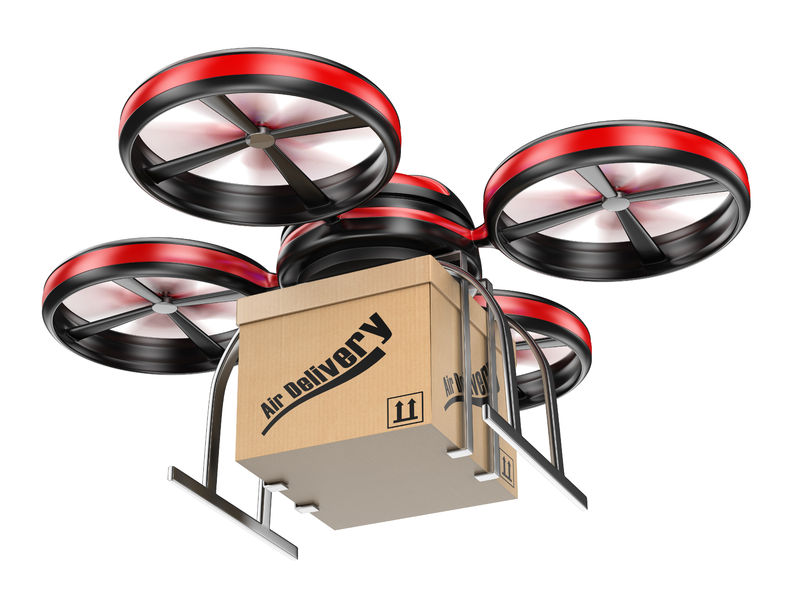
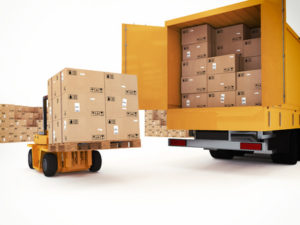 The biggest draw of Amazon was to sell books and make the book buying process easier. Through their creation of the Kindle, which only released a few months after the Nook by Barnes and Noble, they absorbed most of the eBook market and made it much easier for independent authors to publish without going through a publishing house.
 Amazon had a patent and expressed interest in creating drone warehouses to increase the speed of shipments. In some test locations, you can have your items delivered in as little as two-hours due to this investment.
 A.I. is beneficial to the trade of international shipping. The primary competitor for A.I. is people, and they are more error prone. Where a human might make a shipping mistake or order the wrong amount, a machine can make that mistake once and learn never to do that ever again. This leads to a tremendous upside for automated shipping services.
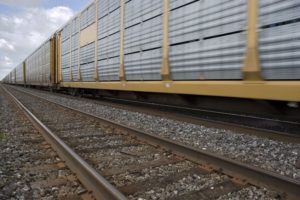 Contrary to other jobs which are immediately prone to automation due to the repetitive nature of their situation, freight forwarders have unique traits that A.I can’t replicate yet. Freight Forwarders revolve around networking and maintaining trade relationships and A.I. haven’t convincingly replicated that.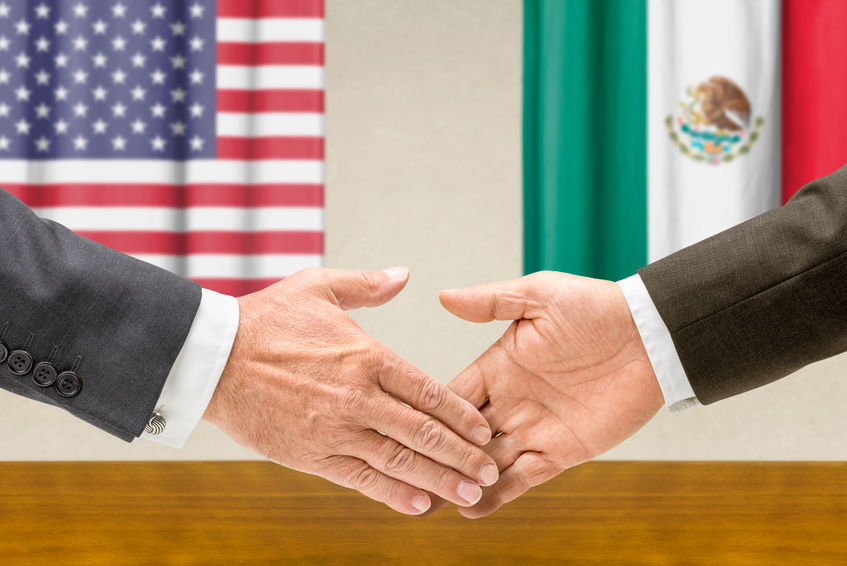
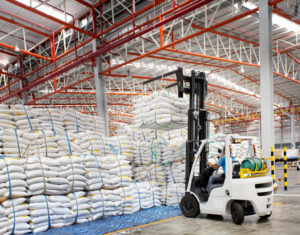 The NAFTA, like the presence of the E.U; is great for commerce across the nations involved. Most of our information for the following section comes from the extensive study performed by Investopedia.
 The People – Countless existing jobs and established business transactions rely on NAFTA to sustain itself. These people will not simply let their longstanding business relationships wither.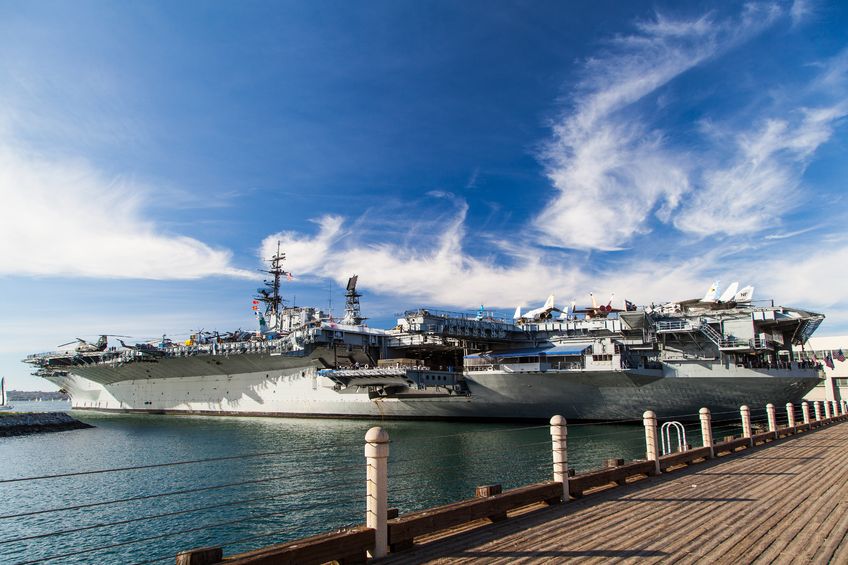
 The Fitzgerald Collision – There are two factors at faulty when considering how the Fitzgerald collided. The ‘Right of Way’ rule which indicates the Fitzgerald should have halted and let the ACX crystal pass. In response to this, there was an investigation to figure out why the Fitzgerald couldn’t detect the ACX crystal, possibly there was an error with the sensors onboard.
 Miscommunications – Both ships had fundamental communication errors. The Fitzgerald failed to communicate with the crystal or respect the right of way rules. The McCain had too many on-deck miscommunications to avoid their tragedy.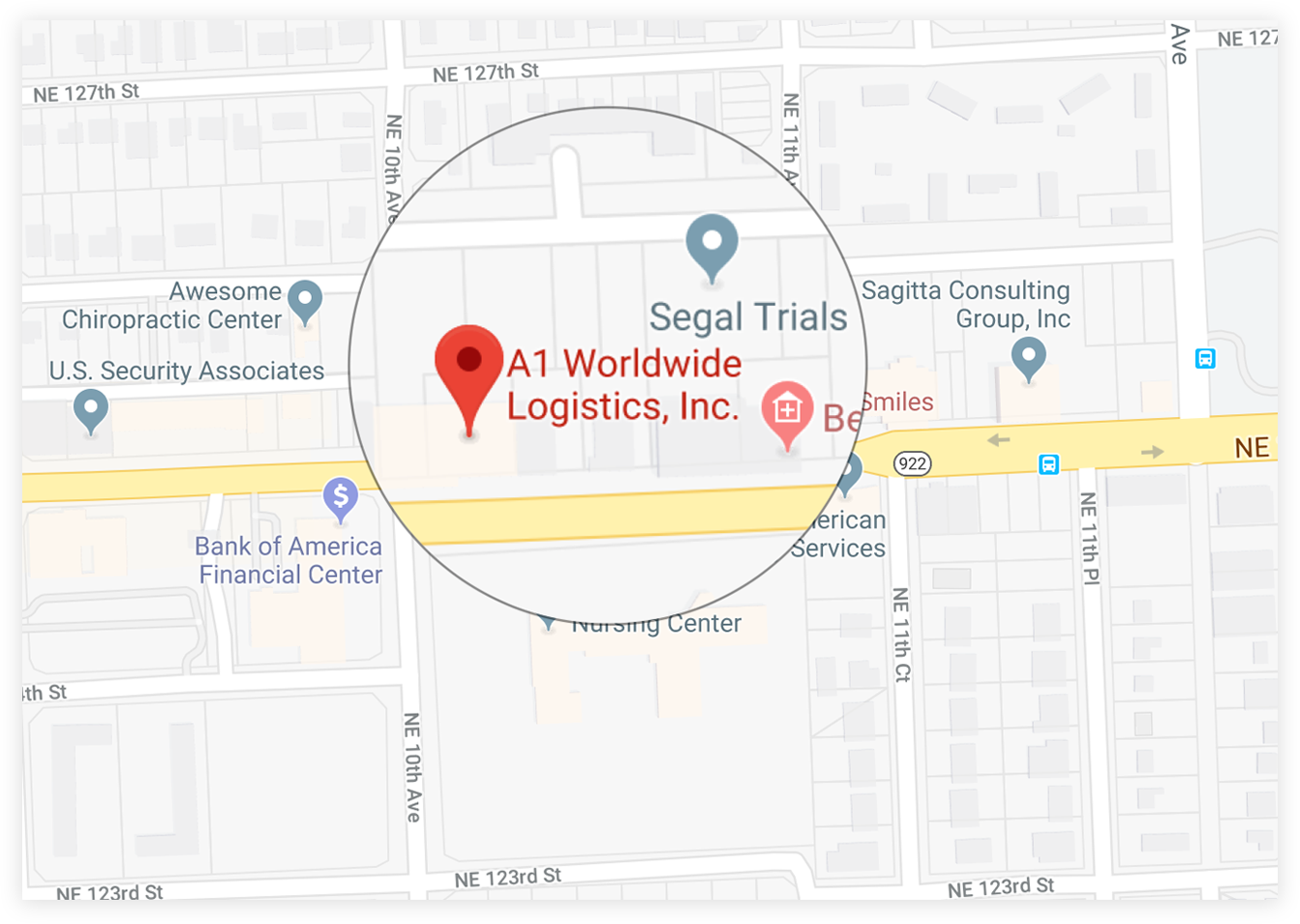
 1035 NE 125th St Suite #320, North Miami, FL 33161.
 a1worldwidelogistics.com
 (305) 821-8995
 Hours: 8AM - 5PM