
by A1 WorldWide Logistics | Sep 12, 2024 | East Coast Protests, Economic trends, Shipping Logistics
Threats of an ILA walkout are causing the shipping industry to be concerned with the potential impact of a strike. The International Longshoreman’s Association (ILA) will stop working on October 1st when their six-year contract ends. Along with higher wages, other issues include benefits and automation. Talks with the United States Maritime Alliance (USMX) regarding a new contract addressing these concerns have remained unsuccessful. Despite the ILA’s demands, USMX remains unchanged on their current offer. The ILA’s president, Harold Daggett, recently said in an ILA-released video, “Mark my words, well shut them down.” A strike will impact many supply chains that rely on shipping freight internationally.
What Is The Potential Impact Of A Strike?
Due to the ILA’s size, a potential strike can significantly impact the shipping industry differently. The ILA is a union of 45,000 workers in three dozen ports across the East and West Coast. These ports are responsible for approximately 43% of all imports that come into the U.S. The main effect of a strike will be a halt of cargo movement through the ports. As imports and exports stop moving, containers will begin piling, leading to port congestion. Due to congestion, supply chains transporting cargo internationally could experience massive delays in loading and unloading times. A week-long strike may take over five weeks to clear and may even last until 2025.
The disruption from the strike may also impact shipping costs for importers and exporters. When port closures happen, shipping companies raise freight rates due to limited capacity. As vessels pile up in the ports for unloading, it leads to demurrage and detention fees that goes the shipper. To mitigate the delay, more shippers are rerouting their shipments to West Coast ports. Rerouting may become an issue for West Coast ports since it can cause congestion, leading to delays. Similarly, importers could switch to other conveyance methods like land and air. However, this may lead to other expenditures.
Different Sectors Are Urging the ILA And USMX To Come To An Agreement
Different sectors, like the retail and manufacturing industries, have been mainly concerned with the effect of a strike. These industries are pushing the parties to agree to alleviate a potential multibillion-dollar disruption. With the holiday season quickly approaching, companies have already started taking action. The National Retail Federation (NRF) vice president notes, “Many have taken steps to mitigate the potential impact by bringing in products earlier and frontloading the peak shipping season or by shifting products back to the West Coast.” A fear is that retailers will not be able to stock shelves on time for the holidays. Manufacturers’ assembly lines may also shut down if they do not receive the necessary materials on time.
Other industries, like construction, automotive, and farming, will also feel the impact of a strike. Ports with ILA dockworkers like Houston and Savannah import tons of materials for these industries yearly. On a large scale, the economy will feel the effect, and supply chains globally will also feel the effect. While a potential strike can seem daunting if you are a shipper, it should not stop your cargo’s transport. Reach A1 Worldwide Logistics at info@a1wwl.com or 305-425-9513 for any concerns regarding your shipment. Along with educating you on what to expect, we provide transparency and real-time updates on your cargo’s status.

by A1 WorldWide Logistics | Sep 11, 2024 | East Coast Protests, Economic trends, Shipping Logistics
An unsolved resolution is resulting in ILA doubling down on threats to strike on October 1st. Conflict between the ILA and USMX for a new contract agreement has escalated over the last few weeks. In particular, the ILA is fighting for a new contract with a 32% wage hike and higher pensions. Automation in ports is also an issue that resulted in a pause in negotiations in early June. Terminals at the Port of Mobile began using an Auto Gate system that autonomously processes trucks. After ILA released a video with its president, Harold Daggett, discussing the current situation last week, the USMX posted an update.
The main point of the update was to announce an unchanging current contract offer. Some of the offerings of the existing contract noted in the update include:
- The continuation of the current health care coverage.
- An increase to employment retirement fund contributions.
- Higher starting wages and industry-leading wage increases.
Another offer is to retain the existing technology language in the current contract agreement. The agreement formalizes that there will be no fully automated port terminals or use of semi-automated equipment. This is unless agreed upon by both USMX and ILA. Despite the disagreement, the update notes USMX’s willingness to reach a new deal by September 30th.
ILA Doubling Down on Threats Despite The USMX’s Update.
In response to USMX’s update, the ILA wrote a letter of opposition, calling the statement misleading. The ILA believes that the claim of leading wages is false due to inflation. Compared to six years ago, living prices significantly increased when they entered the contract. Another response in the letter was due to USMX’s use of automation. Despite the contract requiring that the USMX does not use automation unless both parties agree, the ILA never agreed. ILA replies, “They continue to sneak in automated programs and eliminate our clerical functions behind our backs.” The letter then goes on to oppose USMX’s current healthcare coverage.
The new contract states that the ILA’s healthcare coverage will remain unchanged despite their desire for better coverage. Along with enhanced benefits, they want a hardship provision for severe cases for members who risk losing their benefits. ILA’s current pension plan has also been an area of concern that the letter addresses. They have constantly talked with USMX about increasing the current benefit amount. The belief is that their man-hour assessment is insufficient to cover the current funds. MILA (Managed Health Care Trust) also collects the first five dollars of the assessment, decreasing the amount. Cameras in the ports that monitor workers are another concern since they reportedly create a hostile work environment.
The Shipping Industry’s Response To The Situation.
As the strike date closely approaches, the shipping industry has responded in various ways. Shippers have already started rerouting their shipments to ports on the West Coast to avoid delays. They also are moving their cargo at earlier times and switching methods of conveyance if possible. With the situation potentially affecting supply chains internationally, it is essential to be informed of the latest updates. Contact A1 Worldwide Logistics at 305-440-5156 or info@a1wwl.com to protect your shipment during this period. We find the best action to take while keeping you informed through the process.

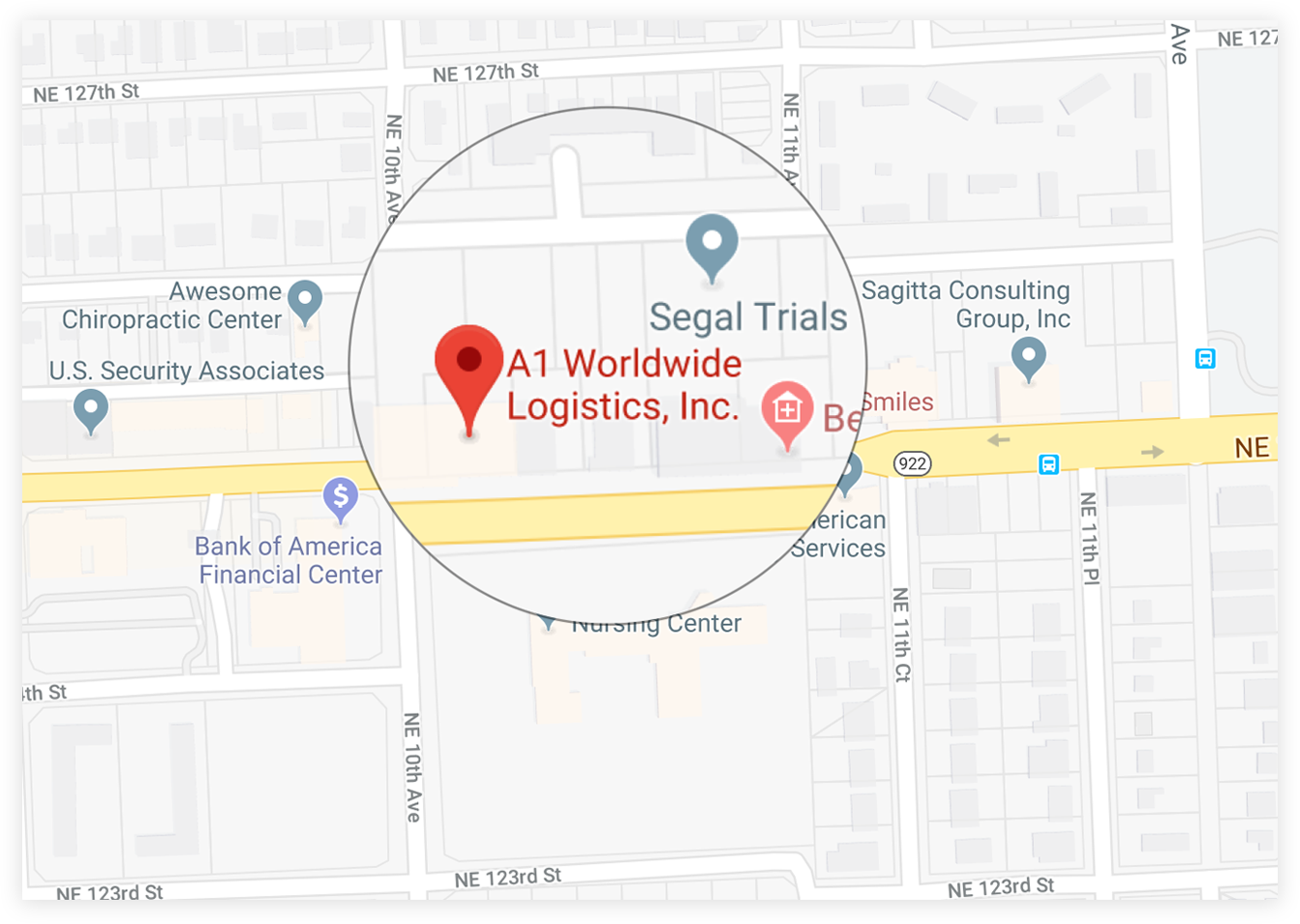
 1035 NE 125th St Suite #320, North Miami, FL 33161.
 a1worldwidelogistics.com
 (305) 821-8995
 Hours: 8AM - 5PM