
by A1 WorldWide Logistics | Feb 19, 2026 | Customs Broker, Economic trends, Shipping Logistics
Navigating the Chinese New Year is essential to consider when shipping during this time of year. Chinese New Year is a 15-day celebration marking the beginning of the year on the lunisolar Chinese calendar. In 2026, the holiday begins on February 17 and finishes with the Lantern Festival on March 3. While it is a time for celebration, the Chinese New Year can significantly disrupt international shipping. Understanding its impact on supply chains is crucial in preventing delays and backlogs. This article explains how the holiday affects shipping and how shippers can prevent disruptions during this period.
How is International Shipping Impacted By the Chinese New Year?
Exporting over $3.5 trillion in 2025, China is the world’s largest shipping company by volume. During the Chinese New Year, carriers, ports, and logistic hubs close or operate at limited capacity. This occurs weeks before and after the holiday, disrupting international shipping and supply chains. In particular, the shutdowns can lead to labor shortages, reduced capacity, and congestion. Port congestion may increase at US ports as shippers import higher-than-usual volumes ahead of the holiday. Customers expecting products may experience delays, especially in mid-to-late February. Another effect is that shippers may experience higher shipping costs due to delays and limited capacity. Truckers who pick up cargo from ports may also see higher costs.
How Can You Navigate the Chinese New Year?
Due to the Chinese New Year holiday, shippers must prepare in advance to prevent disruptions. It is ideal to import months in advance to ensure the cargo reaches the shipper before the holiday rush. Communicating with suppliers and freight forwarders is also beneficial in booking transportation space in advance or finding alternative routes. Importing from countries other than China can help mitigate price increases caused by delays and limited capacity. Switching to air transport is beneficial for smaller shipments that must be delivered within a timeframe. Another consideration is ensuring the paperwork is correct to avoid delays, such as having your goods held at customs.
Although importing goods into the US during this period may seem daunting, it should not disrupt cargo movement. Shippers should, however, take the proper steps to prevent disruptions and delays. When bringing in cargo from China or any other country, it is advisable to consult a customs broker. Customs brokers are licensed corporations, partnerships, and private individuals who arrange customs clearance on behalf of importers. In the US, they ensure shipments comply with CBP (Customs and Border Protection) regulations. Brokers do this by providing documentation, calculating duties, filing entries, and more. Reach our brokers at info@a1wwl.com or 305-912-0631 to learn about our services for getting your goods through customs.
by A1 WorldWide Logistics | Feb 4, 2026 | Customs Broker, Customs Broker Miami, Customs Clearance, Shipping Logistics
Debido a la complejidad de importar mercancías a Estados Unidos, hay numerosos beneficios al trabajar con un agente de aduanas en Miami. Un agente de aduanas es un profesional con licencia que coordina la liberación de mercancías por parte de la aduana al ingresar a un país. En Estados Unidos, los agentes se aseguran del cumplimiento de las normativas de la CBP (Customs and Border Protection). Esto lo hacen gestionando la documentación, calculando aranceles, presentando declaraciones aduaneras y más, en nombre del importador. Miami es una ubicación estratégica para las importaciones a EE. UU. y su localización la convierten en un centro clave para los agentes de aduanas.
Beneficios de trabajar con un agente de aduanas en Miami
Utilizar agentes de aduanas en Miami es ideal, dada la importancia de la ciudad en el comercio internacional. Un alto volumen de importaciones llega a Miami cada año debido a su cercanía a América Latina y el Caribe. Gracias a la gran cantidad de mercancía que ingresa por el Puerto de Miami y el Aeropuerto Internacional de Miami, los agentes de la zona cuentan con amplia experiencia en el despacho de una amplia variedad de cargas.
Los agentes de aduanas en Miami también aportan valor a los importadores al ayudarles a gestionar riesgos y controlar costos. Conocen los cambios en las políticas comerciales, los aranceles y los acuerdos de libre comercio, y pueden ayudar a evitar sanciones. Tanto las empresas que importan al sur de Florida como aquellas que utilizan Miami como punto de transbordo pueden beneficiarse de sus servicios.
A1 Worldwide Logistics
Al importar a Estados Unidos, los transportistas pueden enfrentarse a diversas regulaciones que resultan confusas. El incumplimiento de estas normas puede provocar retrasos e interrupciones, generando posibles pérdidas financieras. A1 Worldwide Logistics entiende estos desafíos y cuenta con agentes de aduanas que pueden ayudar a los importadores a navegar por el proceso logístico. Comunícate con A1 Worldwide Logistics en info@a1wwl.com info@a1wwl.com o al 305-425-9456 para hablar con uno de nuestros agentes experimentados sobre el despacho aduanero de tu mercancía.
by A1 WorldWide Logistics | Jan 23, 2026 | Freight, Freight Forwarding, Shipping Logistics
Whether importing into or out of the US, freight forwarding in Miami can be an ideal solution for your shipment. A freight forwarder is a service provider that acts as an intermediary between shippers and carriers. Although they don’t operate the vessel, they handle the shipper’s logistics for transporting the cargo. This can include:
- Assisting with documentation
- Finding carriers to ship domestically and internationally
- Coordinating the customs clearance process
- Providing warehousing services
Forwarders also offer consulting services, guiding shippers through regulations and providing solutions for international shipping.
Why Can Using Freight Forwarding In Miami Be An Excellent Opportunity
As a gateway to the Caribbean and Latin America, Miami is a significant hub for freight forwarding. The Port of Miami is one of the top 10 busiest ports in the US, handling more than 1.1 million TEUs (Twenty-Foot Equivalent Units) annually. Miami is an ideal hub for global shipping due to its proximity to key trade lanes. Its strong logistics infrastructure and multilingual workforce also make it a perfect location for shipping. Both companies and individual shippers benefit from Miami’s location.
A1 Worldwide Logistics
A1 Worldwide Logistics knows the importance of freight forwarding in Miami and is prepared to handle your shipment. We have experts who are committed to going the extra mile to deliver your goods to their final destination. A1 offers services such as customs clearance, domestic shipping, warehousing, and more to ensure a successful shipment. Please speak to our forwarders at info@a1wwl.com or 305-425-9752 to begin moving goods into and out of the US.
by A1 WorldWide Logistics | Jan 12, 2026 | Shipping Logistics
When your freight forwarder tells you, “Your container has arrived at the port,” it’s easy to think your job is done. In reality, the most sensitive part of the process is just beginning. The arrival doesn’t mean your goods are ready for delivery yet. Instead, it means you’re entering a new phase that involves customs clearance, port charges, documentation, and time-sensitive decisions. This article outlines what happens after your container arrives at the port and also how to avoid costly delays or unexpected fees. Whether this is your first import or you’re looking to streamline the process, here’s what you need to know.
What “Container at Port” Really Means
When a container arrives at the port, the unloader unloads it from the vessel and moved to a storage area within the terminal, known as the primary customs zone. During this point:
- The goods are under customs control.
- You can’t access the container yet.
- Time-sensitive port storage charges begin to apply.
Your next steps will determine how quickly and efficiently customs releases your cargo.
Key Steps After Arrival
| Step |
What Happens |
| Discharge vessel |
Container is offloaded and moved to terminal storage. |
| Manifest release |
The carrier sends the cargo manifest to customs. |
| Customs clearance |
A licensed customs broker submits documentation and pays duties. |
| Container release |
After clearance and fee payment, the port allows pickup. |
| Inland transport |
A truck picks up the container for final delivery. |
Why Documentation Matters
Incorrect or missing paperwork is one of the main reasons containers get stuck at the port. Key documents include:
- Bill of Lading (BL)
- Commercial Invoice
- Packing List
- Import licenses or permits (if applicable)
Ensure all documents are consistent and submitted early to avoid delays.
Customs Clearance and Duties
A licensed customs broker handles:
- Product classification
- Tax and duty calculations
- Electronic filing with customs
Once customs reviews the declaration, you must pay any applicable import duties and taxes. Only then customs will release the container.
Demurrage, Detention, and Storage Charges
Time is critical. Ports and shipping lines offer a limited free period (typically 5-7 days). After that:
- Demurrage is charged for containers left inside the port.
- Detention is charged if you delay returning the empty container.
- Storage fees are applied daily.
These charges can add up quickly. Avoid them by preparing in advance.
Final Delivery Coordination
Once released, you must schedule the container for pickup. Specifically, you must make sure:
- A truck is ready to enter the terminal.
- Your receiving location is prepared to unload.
- The empty container will be returned on time.
Efficient coordination during the process can saves both time and money.
Checklist After Arrival
- Confirm arrival and terminal location
- Collect and verify shipping documents
- Contact your customs broker
- Pay duties and port fees
- Schedule transport and delivery
- Track and return the empty container
FAQs
Do I need a customs broker to clear my container?
Yes, in most countries, only licensed brokers can submit customs declarations.
How long do I have before port charges apply?
Typically, 5-7 free days, but this varies by port and carrier.
What happens if port officials inspect my container?
Inspections can delay release and may add handling costs.
Can I speed up the process?
Yes, by preparing all documents in advance and staying in close contact with your broker.
What’s the difference between demurrage and detention?
Demurrage is charged when containers delays happen within the port. In contrast, detention applies after pickup if the shipper doesn’t return the container on time.
Having your container at the port is not the end — it’s the beginning of a critical final phase. With proper planning, timely communication, and accurate documentation, you can avoid additional fees, expedite release, and ensure your goods arrive smoothly.
If you’re managing your logistics and want reliable post-port support, check out A1 Worldwide Logistics, an expert in U.S. customs clearance and final-mile coordination. Contact us at info@a1wwl.com or 305-821-8995.

by A1 WorldWide Logistics | Jan 6, 2026 | Customs Broker, Customs Clearance, Importing, Shipping Logistics
A pesar de su uso en múltiples industrias, existen varios aspectos que los importadores deben considerar al importar maquinaria a Estados Unidos. La CBP (Aduanas y Protección Fronteriza de EE. UU.) define la maquinaria como equipos mecánicos que realizan una función específica, incluidos los utilizados en operaciones comerciales, industriales y agrícolas. Las máquinas también cuentan con partes móviles para producir, procesar o transportar mercancías. Algunos ejemplos incluyen equipos de construcción, de robótica y generadores eléctricos. Cargas como materias primas, herramientas manuales y piezas de repuesto individuales no se clasifican como maquinaria por la CBP.
Debido a la gran cantidad de artículos que pueden clasificarse como maquinaria, la importación de estos bienes puede resultar desafiante en algunos casos. Este artículo explica el proceso de importación de maquinaria, como equipos pesados, y qué esperar al comenzar.
¿Qué debes saber antes de importar maquinaria a EE. UU.?
Al decidir importar, es fundamental comprender el tipo de maquinaria que se va a introducir en el país, ya que las leyes y regulaciones pueden variar según el equipo. Por ejemplo, los equipos relacionados con alimentos y dispositivos médicos pueden estar sujetos a normas adicionales de la FDA (Administración de Alimentos y Medicamentos). La maquinaria usada también puede requerir requisitos adicionales, como el cumplimiento de las normas de emisiones de la EPA y las exigencias de limpieza del USDA.
Es vital que el importador limpie adecuadamente la maquinaria usada y la declare como tal. Asimismo, debe asegurarse de utilizar el código HTS correcto, ya que la mayoría de las máquinas se clasifican en los capítulos 84 (Maquinaria mecánica) y 85 (Maquinaria eléctrica) del sistema HES.
El HTS (Harmonized Tariff Schedule) es el sistema de clasificación que utiliza Estados Unidos para aplicar aranceles a las importaciones. Contactar a un agente aduanal puede ser una forma ideal de garantizar una clasificación correcta. También es importante conocer los impuestos adicionales que pueden aplicarse, como los aranceles de la Sección 301, comunes a la maquinaria de origen chino, y los aranceles de la Sección 232 sobre el contenido de acero y aluminio.
Otro aspecto esencial antes de importar maquinaria es contar con la documentación adecuada. Algunos ejemplos de documentos requeridos incluyen:
Además, el importador debe presentar el ISF (Importer Security Filing) al menos 24 horas antes de que la carga sea embarcada en un buque con destino a Estados Unidos.
¿Cuál es el proceso?
Cuando estés listo para importar la carga, es fundamental seleccionar el medio de transporte adecuado, ya sea marítimo, aéreo o terrestre. El medio de transporte influye directamente en el tiempo de tránsito. Por ejemplo, el transporte aéreo suele tardar entre 5 y 10 días, mientras que el marítimo puede tardar entre 20 y 45 días.
También debes determinar la forma en que se enviará la maquinaria, ya sea en cajas, en contenedores, mediante Ro-Ro, entre otros métodos. Una vez que la carga llega a EE. UU. , la CBP la inspeccionará para verificar el cumplimiento normativo antes de liberarla. Proporcionar documentación incorrecta puede resultar en sanciones económicas o en la incautación de la mercancía por parte de las aduanas. Tras la liberación, puedes contactar a un freight broker para coordinar la entrega al destino final.
Aunque este artículo explica el proceso de importación de maquinaria a Estados Unidos, aún pueden ocurrir imprevistos que provoquen retrasos, pérdidas económicas o incluso la pérdida de la carga. Una forma ideal de garantizar una importación exitosa es coordinar con una agencia de corretaje aduanal como A1 Worldwide Logistics. Los agentes aduanales son personas o empresas con licencia que gestionan el despacho aduanero en nombre del importador. En Estados Unidos, aseguran el cumplimiento de las regulaciones de la CBP mediante servicios como el cálculo de aranceles, la preparación de documentación, la presentación de entradas y otros.
Comunícate con nuestros agentes aduanales en info@a1wwl.com o al 305-425-9513 para comenzar a importar maquinaria y otros tipos de carga a Estados Unidos.
by A1 WorldWide Logistics | Dec 31, 2025 | Exporting, Shipping Logistics, Supply Chain
While it is an excellent opportunity for shippers, there are numerous challenges associated with exporting out of the US. The US is one of the world’s largest exporters and an ideal location for reaching other markets. Due to its popularity, US manufacturing companies and individual shippers have benefited from shipping internationally. Despite the benefits, exporting can pose obstacles for both experienced and inexperienced shippers. Failure to understand what to expect and how to prepare can lead to delays, financial losses, and cargo losses. This article explains the challenges of exporting from the US and how to avoid these disruptions.
What Are The Challenges Associated When Exporting Out Of The US?
One of the most significant challenges a shipper can face when exporting from the US is regulatory compliance. There are numerous agencies governing exportations. Examples include the US Customs and Border Protection (CBP) and the Bureau of Industry and Security (BIS). Exporters must ensure compliance with export control laws, sanctions programs, and licensing requirements. Compliance is essential when shipping sensitive goods, including technology, machinery, and dual-use items. Even unintentional violations can result in severe penalties, shipment delays, or denial of export privileges. In turn, this can lead to greater costs and longer exportation times. Another challenge exporters should be aware of is the range of trade policies that can affect their shipments.
A recent example is the trade war the US has been engaged in with multiple countries since President Trump returned to office. In response to reciprocal tariffs, countries such as China imposed levies on US goods. In turn, export costs may rise, and exporters may have to adjust target markets and pricing to offset the impact. Exporters should also be aware of potential logistics issues, including port congestion that can cause delays. Congestion can also make it harder for shippers to secure containers and lead to vessel cutoffs. Packaging and labeling also must meet international standards to prevent rejections on vessels.
How Can Shippers Prepare?
Given the challenges of exporting from the US, shippers must prepare accordingly. Before starting, exporters must understand the requirements of governing agencies such as CBP. The requirements depend on the cargo that the shipper is transporting. An example is medical devices, which require Food and Drug Administration (FDA) approval before being exported from the US. Speaking with a freight forwarder can provide an idea of what to expect, including the required paperwork. Standard documents necessary for exportation include:
- Commercial Invoice
- Bill of Lading
- Packing List
- Certificate of Origin
Certain exports, such as hazardous materials and pharmaceuticals, may also require specialized permits. Minor documentation errors can lead to customs holdups, fines, and port rejections. Shippers must also choose their mode of transport, typically by sea, air, or land. It is beneficial to use drayage services when transporting goods to a port for international shipment.
Exporting from the US typically involves multiple components of the supply chain. Preparation includes additional parts not mentioned in the article. Reaching out to a 3PL (Third-Party Logistics) provider like A1 Worldwide Logistics is an ideal way to get started. A 3PL is a company that handles various supply chain functions for a client. These include freight forwarding, customs clearance, domestic shipping, warehousing, and more. 3PLs also offer consulting services to help you navigate challenges when exporting your shipment. Contact A1 Worldwide Logistics at info@a1wwl.com or 305-425-9456 to learn about our 3PL services for ensuring your export’s success.

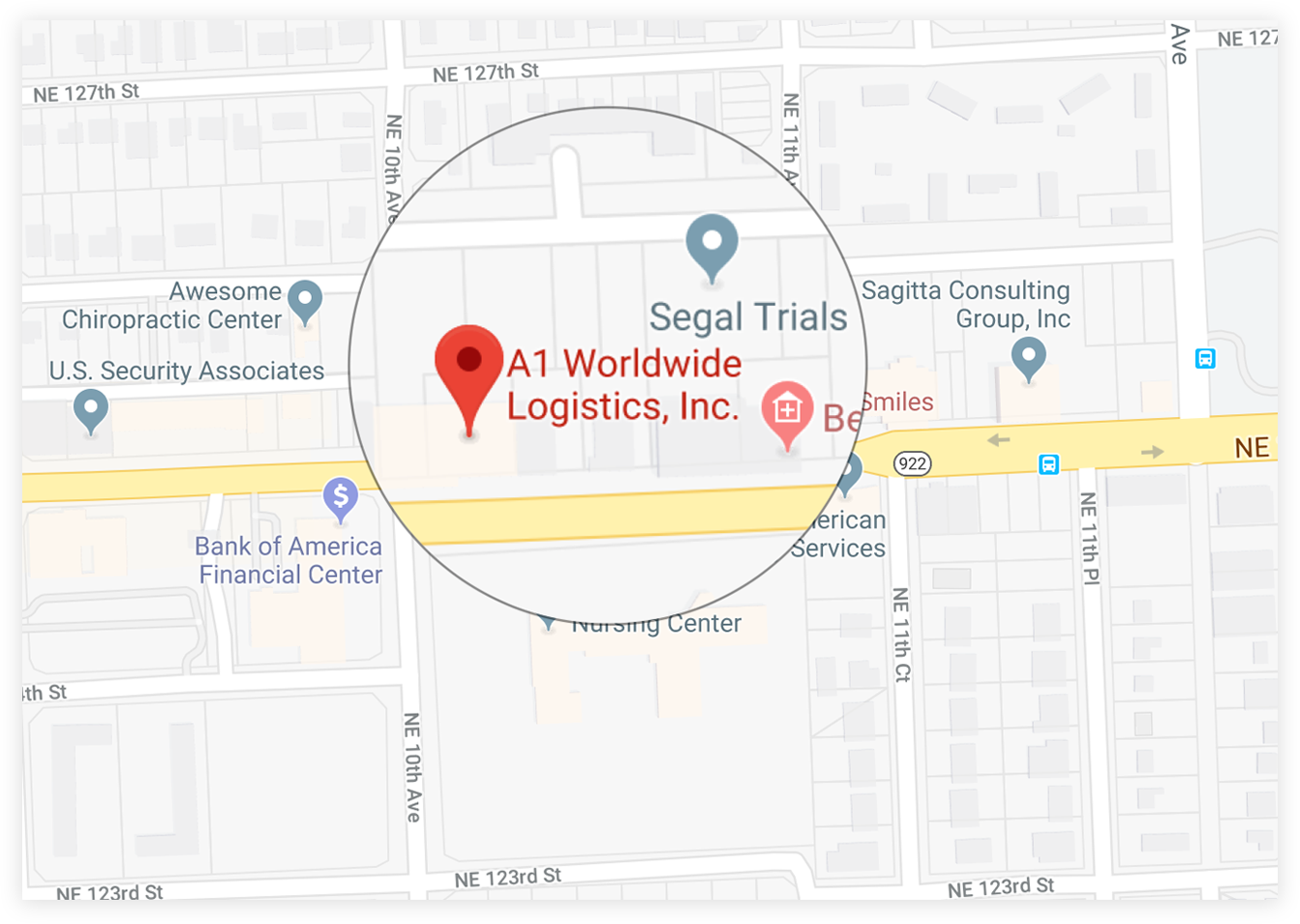
 1035 NE 125th St Suite #320, North Miami, FL 33161.
 a1worldwidelogistics.com
 (305) 821-8995
 Hours: 8AM - 5PM