
by A1 WorldWide Logistics | Nov 7, 2024 | Importing, Shipping Logistics, Transportation
While it is an excellent opportunity for shippers, there are numerous considerations to understand before importing tea into the U.S. Tea is one of the most commonly consumed beverages in the U.S., and over 159 million Americans drink it daily. Nearly 80% of all American households have tea products. While typical, bringing tea to the U.S. has many regulations and steps importers should know. Failure to comply with these guidelines can result in customs holding your goods and cargo loss. This article will explain what to be aware of beforehand and what to expect during the importation process.
What Should You Know Before Importing Tea Into The U.S.
Before deciding to import tea into the U.S., it is essential to understand the regulations involved. The Food and Drug Administration (FDA) is the primary federal agency that regulates tea importation. When importing, it gives specific food safety standards you must follow before bringing it to the U.S. According to the FDA, all food facilities must register and provide advanced notice to the department before importing tea. The Food Safety Modernization Act (FSMA) further states that facilities that manufacture, process, or pack foods like tea must submit additional information and allow the FDA to inspect registered facilities. Tea-producing facilities must renew registration with the FDA every other year.
Along with filing a notice to the FDA before importation, tea must have proper labeling before importing. The Nutrition Labeling and Education Act (NLEA) provides information on what the FDA package label should contain. Some of the info includes the tea name, quantity, nutrition facts, ingredient statement, allergen declaration, etc. To assist the FDA in determining if your tea abides by requirements, shippers can provide Affirmation of Compliance Codes. While not necessary for importation, providing A of C codes can help quicken the screening process.
Documents Required For Importation
For all cargo coming into the U.S., a shipper must provide necessary documentation to the Customs and Border Protection (CBP). Not filing the paperwork correctly can lead to delays and financial penalties for the importer. Some of the documents that the CBP requires for importation include:
- Bill of Lading
- Commercial Invoice
- Packing List
- Certificate of Origin
Shipments arriving in the U.S. by ocean must also submit an Import Security Filing (ISF). The ISF explains the content of the cargo, who is importing it, the product, and more. Along with having the proper documentation, the shipper must have the correct HTS Code. A Harmonized Tariff Schedule (HTS) code determines the appropriate duty rate for the cargo. Tea has specific codes depending on the package, type, origin, and intended use. You can find the proper HTS code using an online lookup tool or speaking to a customs broker.
How To Start?
Once the tea arrives in the U.S., it may also be vital to arrange domestic shipping and warehousing. With all the requirements to bring tea into the U.S., it can be challenging for inexperienced importers. An ideal way to begin is by using the assistance of a customs broker. A broker is a company or individual that clears goods that enter a country on behalf of an importer. They do this by ensuring the shipment complies with regulations, preparing documentation, calculating duties, etc. Reach A1 Worldwide Logistics at 305-425-9456 or info@a1wwl.com to speak to a customs broker regarding importation.
by A1 WorldWide Logistics | Oct 31, 2024 | Freight, Shipping Logistics, Transportation
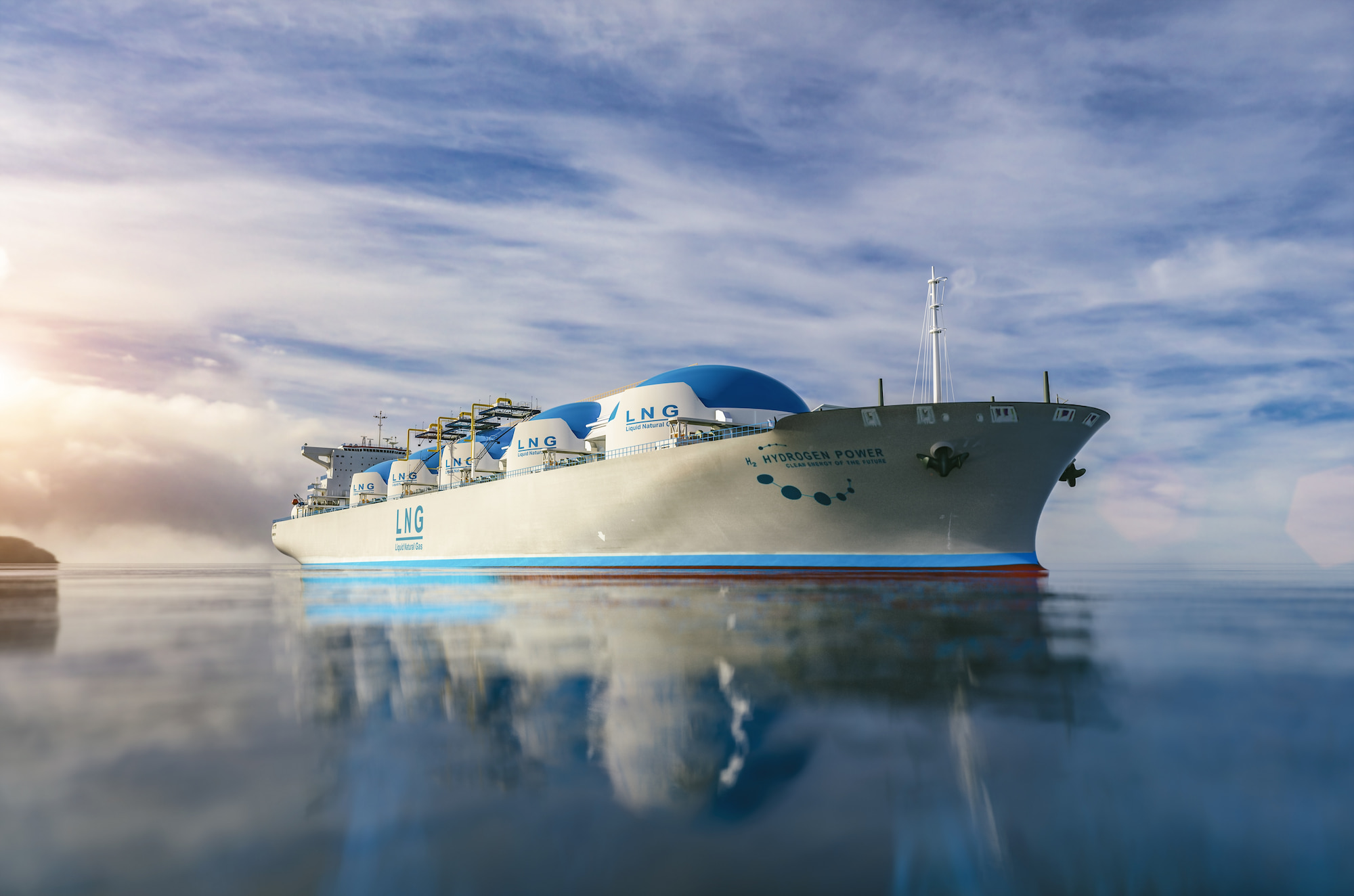
Analysts have recently reported a continuing trend of LNG freight rates plunging to record lows. LNG (Liquified Natural Gas) rates for Atlantic and Pacific basins fell $20,750 and $36,000 daily on Friday, October 25th. For reference, this is the lowest for this period, with rates down 87% in the Atlantic and 78% in the Pacific since 2019. LNG pricing agencies have noted that rates for LNG tankers may remain low until late 2025. Spot prices for the UP World LNG Shipping Index (UPI) fell 3.54% last week. What is causing the sharp decline in rates, and how could this affect international shipping?
Why Are LNG Freight Rates Plunging To Record Lows?
The recent plunge in freight rates is due to the number of new tankers entering the market. By early October, there were 45 newbuild tanker deliveries, with more arriving in the next few months. Approximately 70 new LNG carriers will enter the global fleet of 800 by the end of this year. An LNG pricing agency noted, “We don’t see this pace of additions slowing significantly until mid-2026.” The issue is that manufacturers are producing tankers at a quicker rate than LNG production. As the amount of shipping capacity continues to rise, demand for LNG exports remains stagnant. Milder weather conditions worldwide also contribute to the weaker demand as winter approaches.
LNG production has been growing slowly due to a labor and equipment shortage, causing delays. In 2022, LNG supplies from Russia plunged from a conflict with Ukraine. With Russia being one of the largest producers and shippers of natural gas globally, the market felt the impact. As a result, shippers began looking at other countries like the U.S. for LNG exports. In anticipation of the rise in exports, manufacturers began building tankers rapidly, more than the demand to ship internationally. Instead of an increase in international shipping, customers began sourcing LNG locally, lowering freight rates. Traders also have no incentive to store LNG on vessels, which helps lower tankers on the market.
What Can This Mean For International Trade?
When LNG rates decline, it can significantly impact international trade, including the global energy market. For importers, this can lead to greater savings and make LNG more attractive than other fuels. As a result, price-sensitive markets like Southeast Asia could see a growing demand for this fuel. While lower LNG rates can benefit buyers, producers may feel low profit margins from plunging rates. Ship owners will also feel the impact of lower profits. To compensate, they may delay fleet expansions and invest in LNG infrastructure. Based on market conditions, producers could shift export destinations to high-paying markets or sell more at more competitive prices.
While the LNG market may be cyclical, keeping current with any situation affecting shipping is essential. Along with natural gas, this can include any cargo, and shippers can do this by speaking to a freight forwarder. Forwarders act as the middlemen between the shipper and carrier and coordinate the cargo’s movement. They also give shippers an idea of what to expect during the shipment’s journey and offer other solutions. Contact A1 Worldwide Logistics at 305-440-5156 or info@a1wwl.com for shipping to and from the U.S. Whether you need to ship LNG or any other cargo internationally, our forwarders can guide you through the process.
by A1 WorldWide Logistics | Oct 30, 2024 | Customs Broker, Freight Forwarding, Shipping Logistics
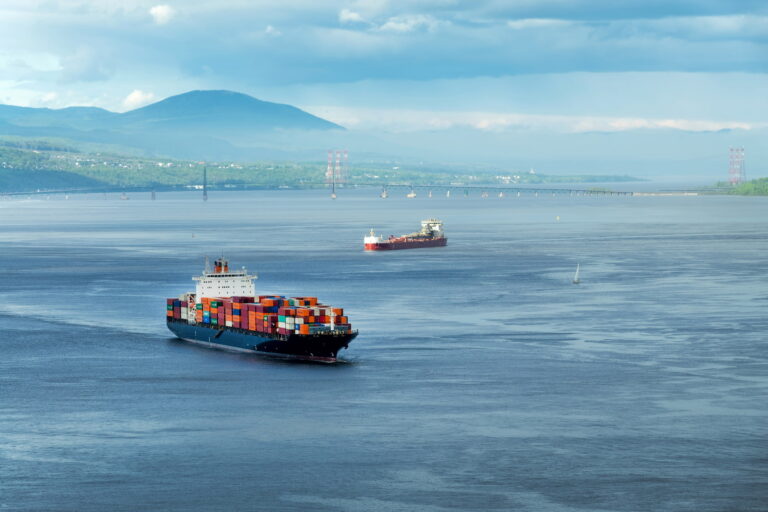
El transporte marítimo de corta distancia en Estados Unidos es una de las tendencias en el movimiento de carga que ha aumentado recientemente. El transporte marítimo de corta distancia es un método de movimiento de carga que implica el transporte marítimo sobre distancias cortas en vez de entre continentes. Un ejemplo es el uso de una costa oeste para enviar mercancías desde el puerto de Seattle al puerto de Long Beach. Esto también puede significar transportar bienes a diferentes países; sin embargo, el método implica pequeñas vías fluviales interiores y costas. Aunque los transportistas han practicado esto desde tiempos antiguos, los últimos siglos han visto un aumento en la circulación en Europa. Hoy en día, la Unión Europea mueve casi el 40 % de toda la carga utilizando el transporte marítimo de corta distancia.
Beneficios del transporte marítimo de corta distancia en Estados Unidos
Al igual que en Europa en el pasado, Estados Unidos ha estado aumentando recientemente su dependencia del transporte marítimo de corta distancia. El cambio al transporte acuático en EE. UU. no ha sido tan rápido. Esto se debe a que la mayor parte del país no es económicamente accesible por agua en comparación con Europa. A pesar de esto, los transportistas han tomado medidas hacia el transporte marítimo de corta distancia. Muchas ventajas han quedado evidentes a medida que los transportistas y operadores se han sumado a la tendencia. El principal beneficio es que el tiempo de transporte disminuye drásticamente. Estados Unidos tiene casi 20,000 canales navegables, como canales, ríos y regiones costeras por donde pueden transitar las embarcaciones. En comparación con el movimiento de bienes por camión, el transporte a través de vías fluviales puede evitar el tráfico en las autopistas.
Esto puede significar que se eviten posibles retrasos al llegar al destino final. Las “autopistas marítimas” en EE. UU. han acelerado los tiempos de entrega y pueden ayudar a reducir la capacidad saturada del transporte por camión. Otra ventaja del transporte marítimo de corta distancia son los ahorros de costos que pueden ser posibles. Mover mercancías por mar tiende a ser menos costoso que otros métodos de transporte. Esto es especialmente cierto para el movimiento de grandes volúmenes de carga, como contenedores. Menos emisiones de CO2 por tonelada transportada también significan que es una alternativa más ecológica en comparación con el transporte por tierra. Con la industria naviera presionando hacia un entorno más ecológico, el transporte por vías fluviales es beneficioso para reducir la huella ecológica.
Beneficios del comercio entre Estados Unidos y Canadá
Canadá es conocido como el mayor socio comercial de EE. UU., con un comercio valorado en casi 794 mil millones de dólares en 2022. Un estudio reciente analizó el beneficio potencial si ambos países aumentaran sus capacidades de transporte marítimo de corta distancia. El análisis examinó las relaciones comerciales transfronterizas entre Canadá y EE. UU. en los Grandes Lagos. El transporte marítimo de corta distancia en la región de los Grandes Lagos puede tener ventajas significativas con el volumen de carga que pasa por allí. La principal ventaja es que la cantidad de envíos realizados a la vez aumenta drásticamente. En promedio, un buque marítimo puede transportar una carga equivalente a más de 900 camiones.
Con el aumento del transporte de carga en los Grandes Lagos, los transportistas pueden elevar los cuellos de botella y disminuir la contaminación del aire. El transporte marítimo de corta distancia también puede resolver el aumento de los costos de combustible y los retrasos. Aunque pasará un tiempo hasta que el transporte marítimo de corta distancia se vuelva más común en EE. UU., los transportistas aún necesitan mover carga. Si planeas importar o exportar desde EE. UU., contacta a A1 Worldwide Logistics al 305-425-9513 para obtener asistencia. Además de transportar tus bienes por mar, ofrecemos otros métodos de transporte, como tierra y aire, para mover tu envío.
by A1 WorldWide Logistics | Oct 24, 2024 | Shipping Logistics, Supply Chain, Transportation
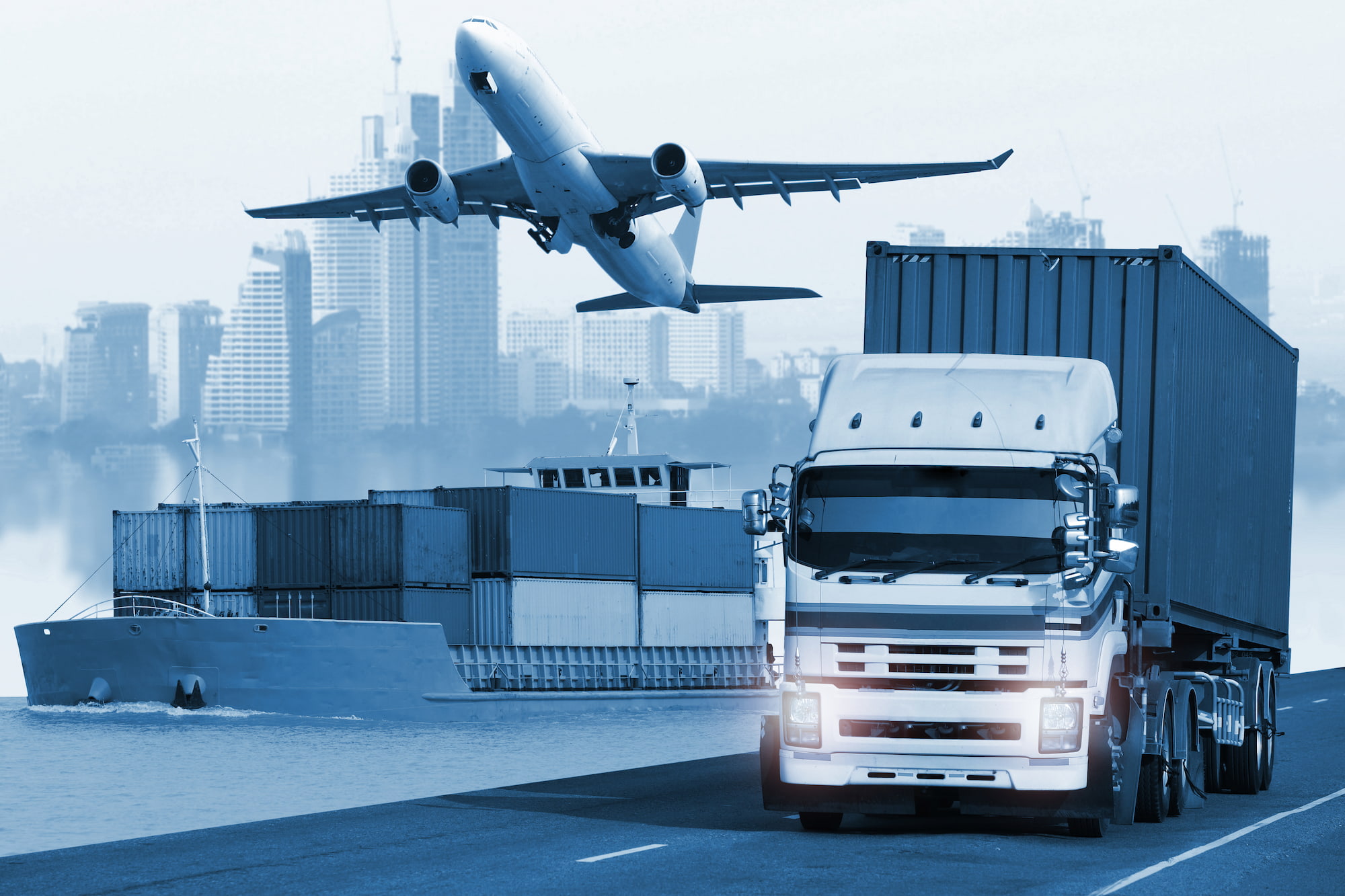
When shipping cargo internationally, it can be very beneficial to understand what is multimodal transport. Multimodal transport uses various modes of transportation to move cargo from the origin to the final destination. For example, this can include a shipment moving by vessel to a country before a truck transports it domestically. The conveyance can consist of air, ocean, road, and rail; however, a shipper uses a single contract and house bill. A single Multimodal Transport Operator (MTO) manages the entire journey despite the multiple transportation methods that the transporter can involve. This article will explain the benefits of multimodal transport and how it differs from intermodal transport.
Why Is It Essential To Know What Is Multimodal Transport?
Because of the components involved in moving goods internationally, understanding multimodal transport can benefit the shipper in numerous ways. A significant advantage is the increased flexibility in the overall supply chain. International shipping tends to be volatile with changing circumstances like demand and disruptions influencing cargo movement. Having different modes of transportation allows for adaptability when situations arise. For example, if a shipment becomes time-sensitive, a shipper can quickly switch to a transportation mode like air. Adaptability from various conveyance methods is also effective for timely deliveries since shippers can avoid situations like congestion. This is increasingly essential for businesses that must ship products to their customers.
Another benefit of multimodal transport is that it can decrease the overall costs of the transportation process. Since the shipper uses one contract with multiple methods of transport, the price tends to be less than using various agreements. The MTO can find the least costly solution for the shipper. Reducing the cost of shipping goods internationally becomes beneficial when moving large volumes of shipments constantly. It can simplify the logistics process for companies with complex supply chains that require managing multiple supply chains. Since a single MTO handles the entire process, the responsibility for damages and delays goes to the handler.
How Does Multimodal Differ From Intermodal Transport?
While multimodal and intermodal transport uses multiple conveyance methods, they differ in various ways. Due to the differences, freight forwarders play a different role based on the type of shipping. Intermodal transportation is the movement of goods to their final destination using various modes of transport with multiple contracts. For example, a truck, vessel, and rail carrier have their own contractors and issue separate Bill of Ladings. Due to the differences, these two transportation methods can have separate advantages based on the shipper’s needs. Intermodal transport lets the shipper choose carriers that fit their expenses and goals. Although multimodal transport may lessen choice freedom, it alleviates responsibility and may simplify scheduling.
A1 Worldwide Logistics
Since multimodal transport uses multiple modes of transport to ship, a key aspect is freight forwarding. Forwarders coordinate the movement of goods for the shipper by contracting one or more carriers. They act as intermediaries between shippers and carriers, ensuring the cargo reaches its final destination. A1 Worldwide Logistics has forwarders that can provide multimodal transport services for moving shipments internationally and domestically. For assistance with transporting cargo internationally, reach A1 Worldwide Logistics at info@a1wwl.com or 305-425-9752. We have solutions like freight forwarding, customs clearance, warehousing, and more to ensure the success of your supply chain.

by A1 WorldWide Logistics | Oct 17, 2024 | Economic trends, Shipping Logistics, Supply Chain
Nearly a week after the storm hit Florida, there are numerous reports of Hurricane Milton disrupting supply chains. On Wednesday, October 9th, hurricane Milton landed near Tampa, Florida, resulting in heavy rains and strong winds. Local weather services issued over 125 tornado warnings in various counties nationwide. Along with the damage to infrastructure and economic loss, Milton impacted supply chains for importers and exporters. With Florida being an entry point for supply chains nationwide, the potential ripple effect could be more substantial. While the storm has left Florida, Milton has already done the damage, and shippers are still determining the full impact.
How Is Hurricane Milton Disrupting Supply Chains?
Located between the Gulf of Mexico and the Atlantic Ocean, Florida is known by shippers as a critical freight market. Its strategic location is a gateway for trade between North and South America. An immediate disruption from the storm was the shutdown of ports like Port Tampa. Port Tampa is a significant hub for steel, cement, petroleum, construction aggregates, and foods. As the seaport suspended operations, it created a backlog that could take a while to clear. As a result, ships are diverting to other ports along the Gulf Coast, potentially raising volume and creating congestion. The Gulf Coast ports are still recovering from the aftereffects of the ILA’s (International Longshoremen’s Association) recent strike.
Milton also impacts supply chains in Florida’s agricultural industry by damaging farmlands that produce agriculture. The damage that occurred two weeks ago from Hurricane Helene remains, which may add to it. Importers in other countries could soon experience shortages and price increases from decreased delays in U.S. exports. Perishable cargo imports that are time-sensitive are at risk from port and infrastructure shutdowns resulting from power outages. Along with shipping internationally, Hurricane Milton affected domestic freight movement. Damaged roads and port closures resulted in delays and made it difficult for shippers to move goods by truck. As a result, freight rates may go up from limited capacity.
What Can Shippers Expect When Shipping During a Hurricane?
When importing or exporting during a hurricane, there are many expectations shippers should be aware of. There may be immediate delays in transportation for air, land, and sea cargo from port closures. To avoid potential slowdowns, importers could reroute to alternative ports. However, this can also increase transit times and transport costs. Price increases could come from limited carrier capacity due to paused services. There can also be significant communication challenges between shippers and carriers, such as power outages and telecommunication disruptions. Shippers must plan by staying updated with weather conditions and constantly communicating with the various players in the supply chain.
Understanding what to expect during a hurricane and how to prepare is vital for a shipment’s success. Along with the ways that the article mentions, preparation shippers can also do this by speaking to a 3PL provider. 3PLs (Third-party Logistics) companies handle numerous supply chain functions for the client. Their services include freight forwarding, customs clearance, domestic shipping warehousing, and more. They also provide supply chain consulting to navigate distributions like a hurricane. Contact A1 Worldwide Logistics at info@a1wwl.com or 305-425-9456 for assistance with shipping to and from the U.S. We have ideal solutions for ensuring that your goods reach the final destination regardless of the situation.

by A1 WorldWide Logistics | Oct 4, 2024 | East Coast Protests, Shipping Logistics, Supply Chain
The ILA port strike ends after days of protests across East and Gulf Coast ports. Since October 1st, nearly 45,000 International Longshoremen’s Association (ILA) dockworkers walked out of ports and protested for better contracts. Their previous six-year contract with the United States Maritime Association (USMX) ended on September 30th with no resolution. Disagreements on wages and use of automation at ports have stalled talks for months. On the days leading up to the deadline, both parties made offers to prevent the strike, but to no success. When the ILA started walking out of their jobs, ports began shutting down. As a result, this significantly impacted the international shipping industry.
On October 3rd, the ILA and USMX reached a tentative agreement to extend the contract until January 15th, 2025. The agreement was a 61.5% pay raise and a $4 an-hour yearly wage increase for the next six years. Despite the ILA’s fight for a 77% wage increase, this is more than the USMX’s previous 50% offer. A final master contract will have to be negotiated by the parties before the extension date. In a statement released by the White House, Biden notes, “I want to applaud the International Longshoremen’s Association and the United States Maritime Alliance for coming together to reopen the East Coast and Gulf ports.”
What Can The Shipping Industry Expect As The ILA Port Strike Ends?
Despite an extension of the contract, the international and domestic shipping industry has already felt the impact of the strike. Once the strike occurred, containerships started piling up at ports without dockworkers there to unload them. As a result, this created congestion that may lead to supply chain delays soon. While the temporary agreement resumed operations, it could take weeks for ports and supply chains to return to normality. To mitigate against delays, shippers rerouted to West Coast ports weeks before the strike occurred. Once ports shut down, importers of perishables like agriculture began fearing food spoilages from delays leading to loss and shortages.
Consumers reacted to the potential shortages by panic buying goods from stores. As the protest ends, the overall monetary loss could be less than anticipated by the shipping industry and the economy. The amount is still significant to the U.S. economy, with analysts reporting that a strike can cause a loss of nearly $5 billion daily. Ports across the East and Gulf Coast have begun opening and resuming operations. North Carolina Ports resumed normal operations at 8 am ET, while Port Houston will reopen at 1 pm CT. The Department of Transportation will work with supply chain stakeholders to ensure an orderly operation for the ports.
Is It Safe To Ship Cargo?
With the protest ending for the time being, shippers may find it safer to move cargo internationally. It is essential to understand that it may take time to clear the complete impact of the strike. When starting, it can be beneficial to use the assistance of a 3PL (Third-Party Logistics) provider. 3PLs help you navigate the world of international shipping by providing services like freight forwarding and customs brokering. They also guide you through the entire process and give you an idea of what to expect. Reach A1 Worldwide Logistics at info@a1wwl.com or 305-425-9752 for assistance with shipping goods in and out of the U.S. We have freight forwarders and customs brokers that ensure the success of your shipment.

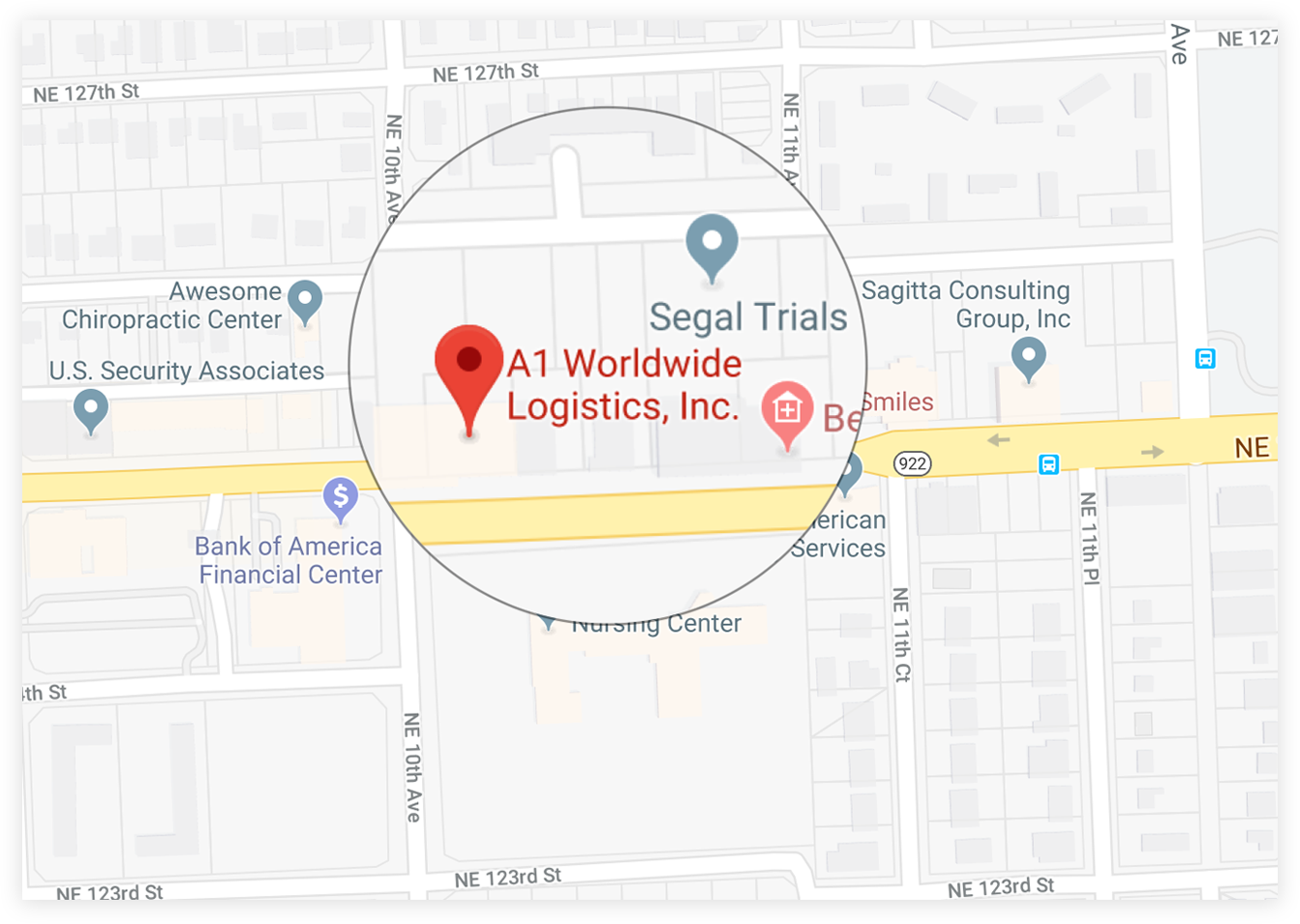
 1035 NE 125th St Suite #320, North Miami, FL 33161.
 a1worldwidelogistics.com
 (305) 821-8995
 Hours: 8AM - 5PM