The Chinese New Year isn’t just a celebration — it’s a major moment for global supply chains 🌏🚢 With factories and families celebrate, international shipping can slow dramatically.


The Chinese New Year isn’t just a celebration — it’s a major moment for global supply chains 🌏🚢 With factories and families celebrate, international shipping can slow dramatically.
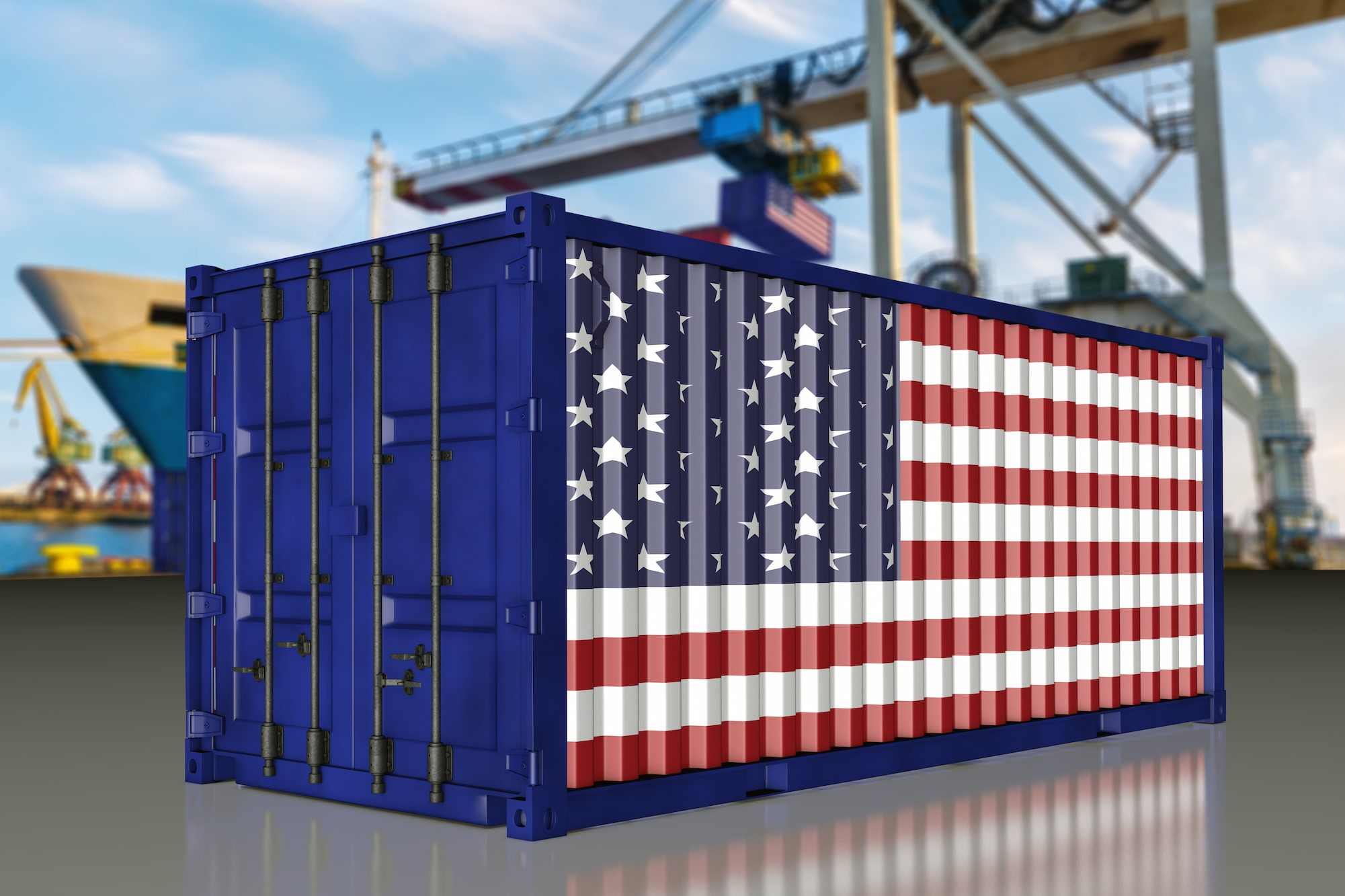
Exportar desde Estados Unidos ofrece acceso a mercados globales y grandes oportunidades de crecimiento. Sin embargo, el proceso también implica desafíos importantes que pueden afectar tanto a exportadores nuevos como experimentados. La falta de preparación puede generar retrasos, costos adicionales e incluso la pérdida de la carga.
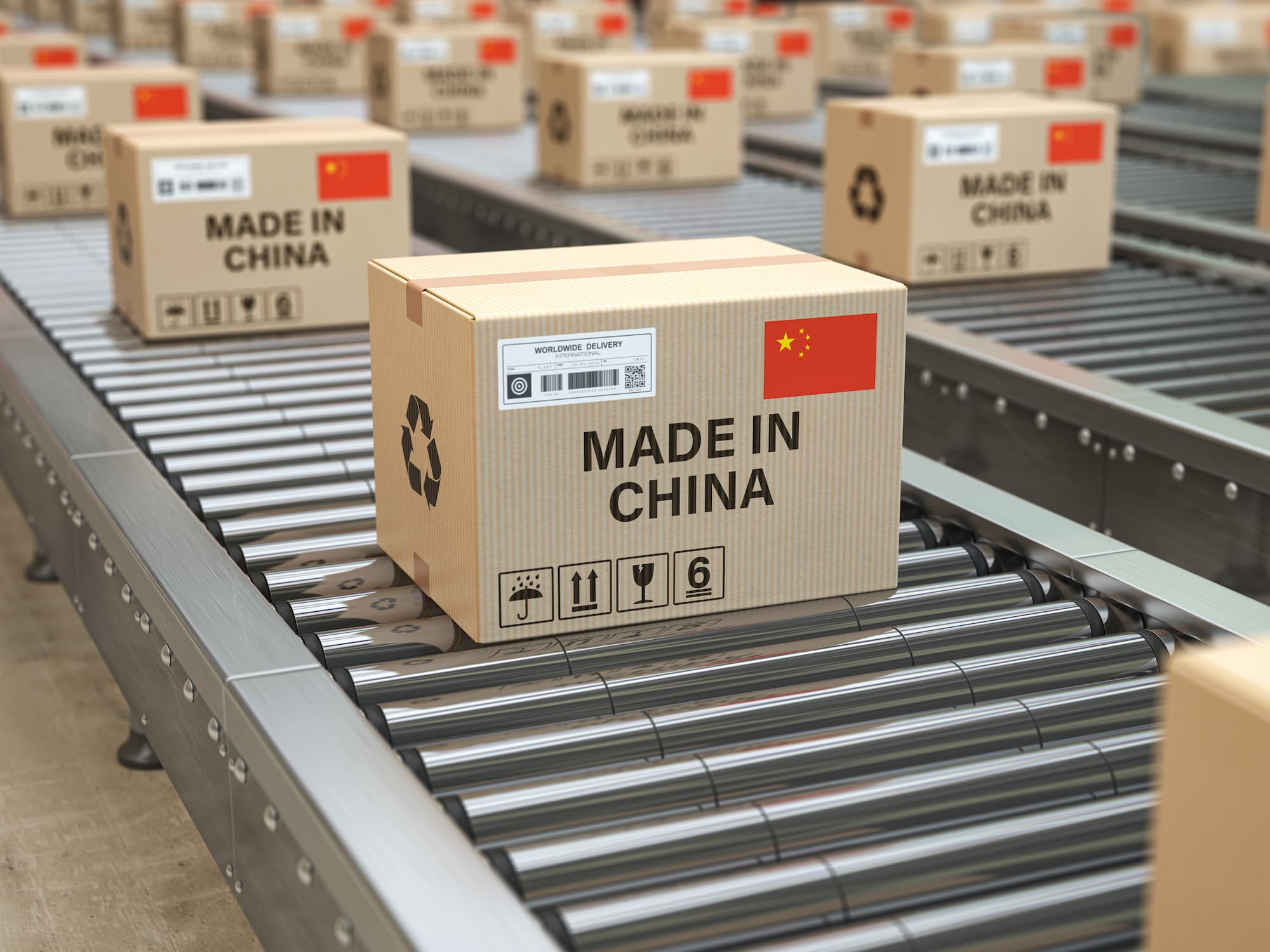
China is the U.S.’s biggest trading partner and the largest exporter of goods internationally. Because of China’s ability to manufacture products on a large scale, importing from the country can present many opportunities. Not only is growth possible for a business, but reduced costs, large quantities of imports, and other benefits are also possible. While importing may seem attractive to first-time shippers, understanding what’s necessary is essential for the shipment’s success. This article will explain how to prepare the required documents and what to expect during your cargo’s shipping journey.
Before deciding what to import, it is also essential to understand that certain goods may have restrictions and specific regulations. For example, any product from China’s “Xinjing” region cannot enter the U.S. The ban is due to human rights issues such as the forced labor of Uyghur Muslims. While you do not need a permit to import from China, certain commodities require an import license. Government agencies like the Food and Drug Administration (FDA) request that imports such as cheese have an import license. Speak to a customs broker if you are uncertain if your shipment needs a permit.
While you do not need a permit to import from China, certain commodities require an import license.
Documentation is a component of the shipping process that must be taken with care to prevent your shipment’s delay. While the documents depend on the imported commodity, specific papers are needed for every import. Certain imports require additional documents like inspection certificates for meat and egg products and energy-efficient labels like air conditioners. The documents may also vary by country, but we will mainly focus on bringing cargo into the U.S. from China. Some of the standard documents include:
Shipments valued at $2,500 or above require a customs bond; an insurance policy to ensure the payment of taxes. A shipper can get a single-entry or continuous bond, depending on their shipment.
Once the freight is ready, it will be sent to a designated port in China for transportation to the U.S. Speak to a freight forwarder to arrange the transportation of the shipment. The main methods of conveyance for shipping internationally are by air or sea. Both ways have their benefits, like pricing and time. When your goods reach the U.S., they must pass through customs. Customs’ objective is the security of the people in the U.S. by preventing anything illegal or harmful into the country. While customs clearance usually takes less than 24 hours, it may take longer if the goods are “Held at Customs.” This happens when customs does not release your goods for various reasons, including unpaid duties and incomplete documents.
While the importation process is perplexing for first-time shippers, it is doable with the proper guidance. Contact A1 Worldwide Logistics at 305-821-8995 or info@a1wwl.com to begin your import journey. We guide you through each shipping process step to provide transparency with our services. Whether you need to speak to a customs broker or a freight forwarder, A1WWL has you covered.
Because of China’s ability to manufacture products on a large scale, importing from the country can present many opportunities.

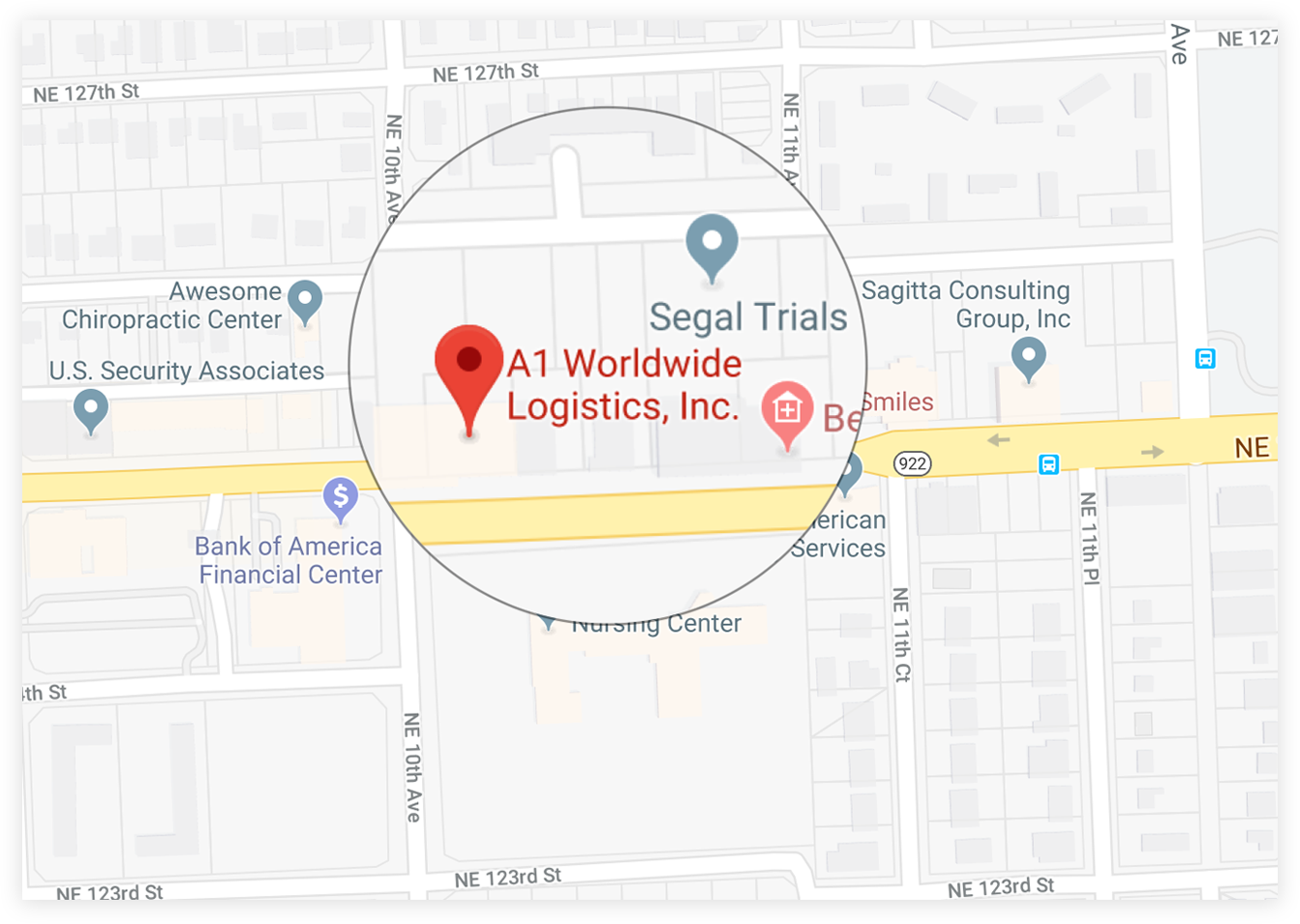
 1035 NE 125th St Suite #320, North Miami, FL 33161.
 a1worldwidelogistics.com
 (305) 821-8995
 Hours: 8AM - 5PM