The Chinese New Year isn’t just a celebration — it’s a major moment for global supply chains 🌏🚢 With factories and families celebrate, international shipping can slow dramatically.


The Chinese New Year isn’t just a celebration — it’s a major moment for global supply chains 🌏🚢 With factories and families celebrate, international shipping can slow dramatically.
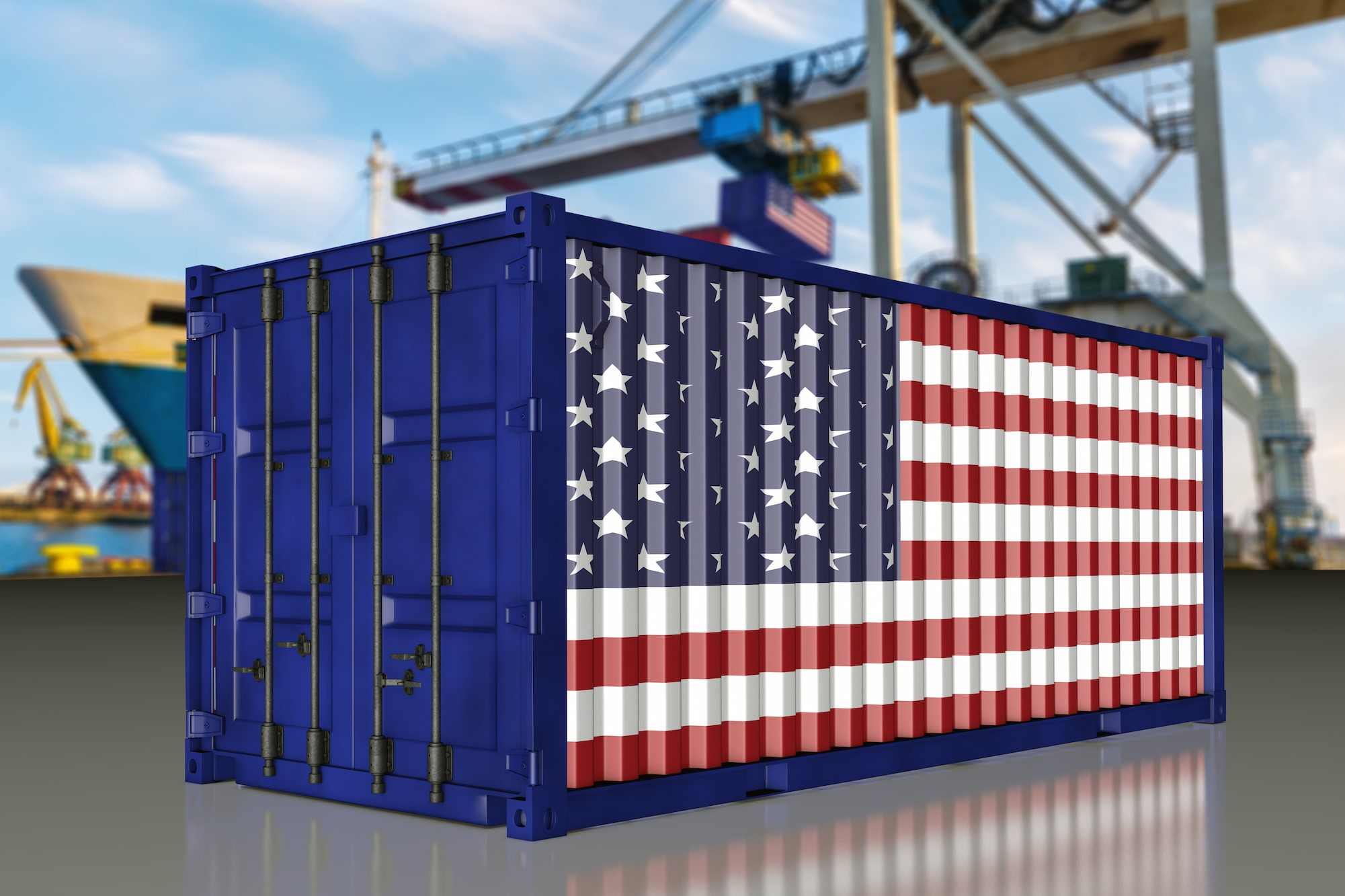
Exportar desde Estados Unidos ofrece acceso a mercados globales y grandes oportunidades de crecimiento. Sin embargo, el proceso también implica desafíos importantes que pueden afectar tanto a exportadores nuevos como experimentados. La falta de preparación puede generar retrasos, costos adicionales e incluso la pérdida de la carga.

One of the first things that millions of Americans do when they wake up is have their morning coffee. 64% of Americans drink coffee daily. It is a routine and a necessity for many as they start their workday. Bringing in an estimated $6.9 billion of coffee in 2021, the United States is the world’s biggest importer of coffee. For reference, this is about 19.2% of the amount of coffee imported globally. Americans drink approximately 400 million cups of coffee daily and 146 billion cups a year. With over $1 billion in coffee exported to the U.S. each year, Colombia is the largest exporter.
Coffee rose to one of the most popular beverages after the Tea Act of 1773. The Tea Act imposed taxes on various imports, including tea, the most consumed drink at the time. The Americans protested against the tariffs by switching to coffee instead of tea; the rest is history. Only two states are legally allowed to grow coffee for commercial purposes, meaning that shippers import most coffee from elsewhere. If you plan to import coffee into the U.S., this article provides a summary of what to expect. Contact a customs broker for a detailed explanation and to be fully prepared.
To begin the import process, the shipper understands the requirements. It is vital to ensure that the import complies with the requirements of governing agencies such as the CBP, FDA, and USDA. Each agency has specific documents to be submitted and requirements, for example:
The FDA also requires you to appropriately label every bag imported into the U.S. This includes the ingredients, content, net weight, and more.
In the shipment arrangement, select the conveyance method that corresponds to the shipment type. For example, a load of 24 pallets of coffee beans would benefit from an FTL sea freight container. Shipments that aren’t too large and need to be moved quickly should go on an airfreight aircraft. It is also crucial to understand the different costs associated with your shipment. For example, the CBP requires a Harbor Maintenance Fee for any shipment entering the U.S. by ocean. A Merchandise Processing Fee is a processing payment required for most imports into the U.S.
Whether you’re a first-time importer of coffee beans or a business that continuously imports, it is essential to prepare. If you plan to import coffee or other goods, contact A1 Worldwide Logistics at 305-821-8995 to get started. Our freight forwarders will move your cargo anywhere inside or out of the U.S. Our licensed customs brokers will coordinate with U.S. customs to clear your shipment and simplify your shipping process.
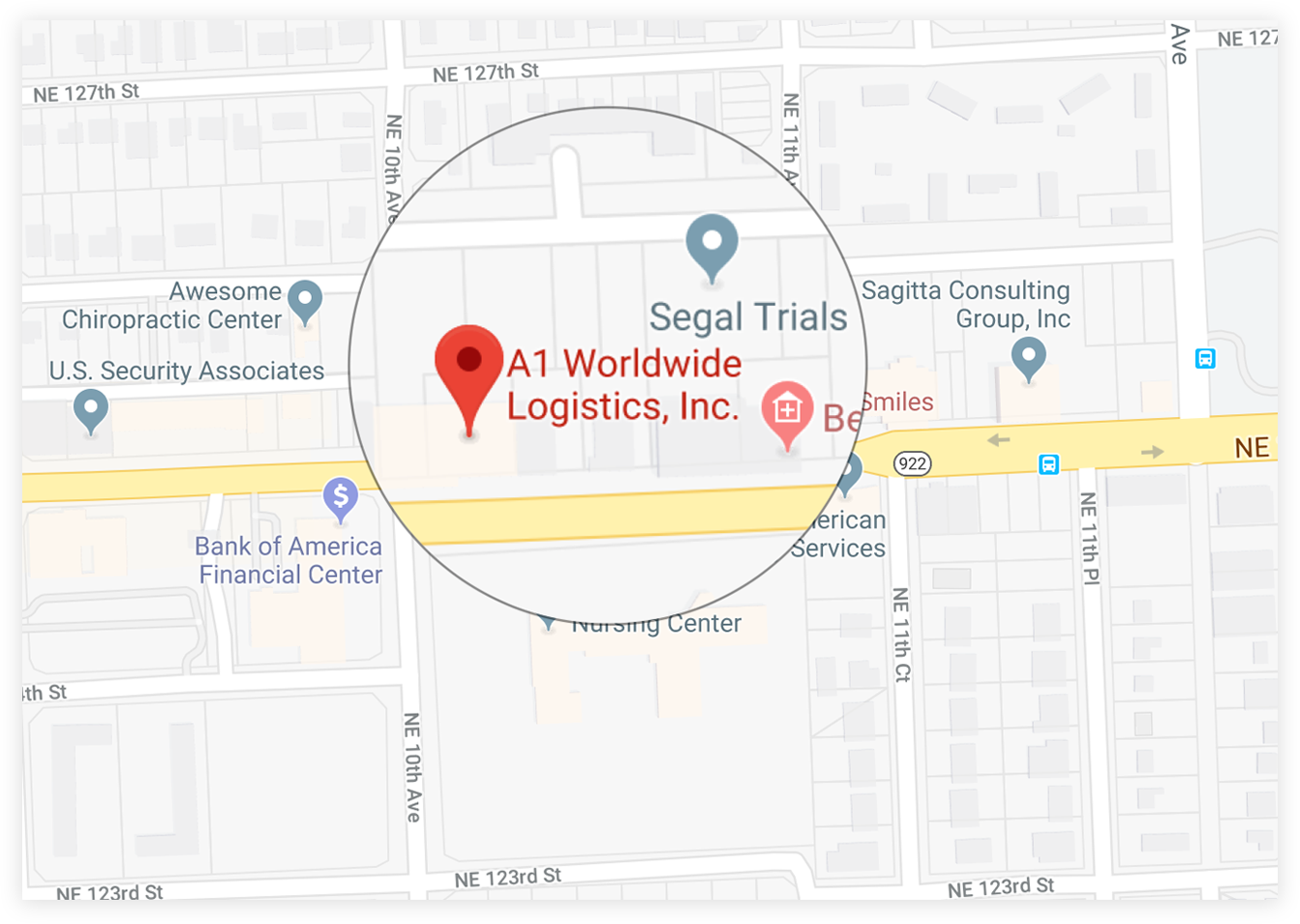
 1035 NE 125th St Suite #320, North Miami, FL 33161.
 a1worldwidelogistics.com
 (305) 821-8995
 Hours: 8AM - 5PM