The Chinese New Year isn’t just a celebration — it’s a major moment for global supply chains 🌏🚢 With factories and families celebrate, international shipping can slow dramatically.


The Chinese New Year isn’t just a celebration — it’s a major moment for global supply chains 🌏🚢 With factories and families celebrate, international shipping can slow dramatically.
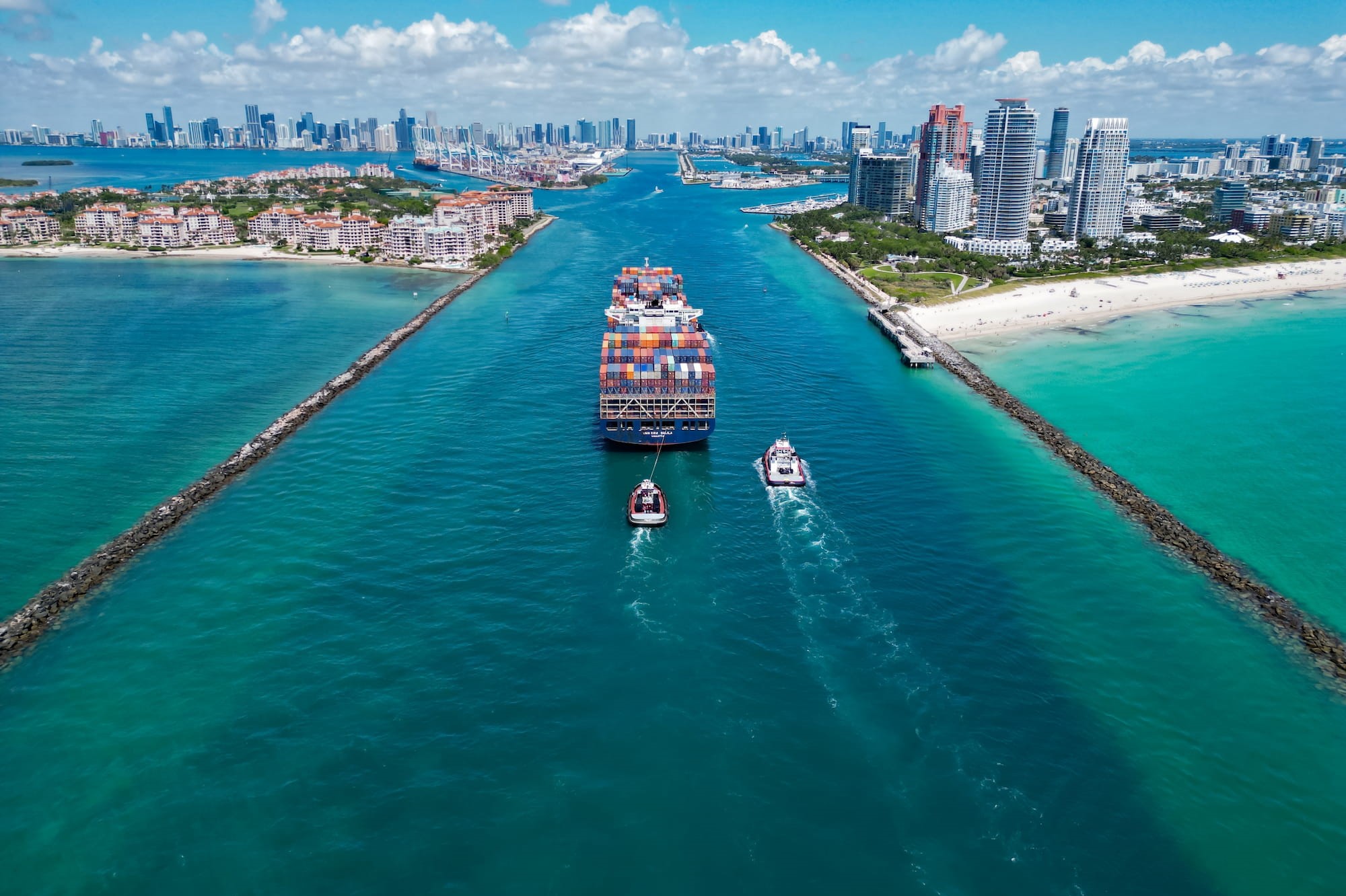
Debido a la complejidad del proceso de importación a Estados Unidos, contar con un customs broker en Miami ofrece múltiples beneficios. Un agente de aduanas es un profesional con licencia que coordina la liberación de mercancías ante CBP, gestionando documentación, aranceles y declaraciones en nombre del importador.
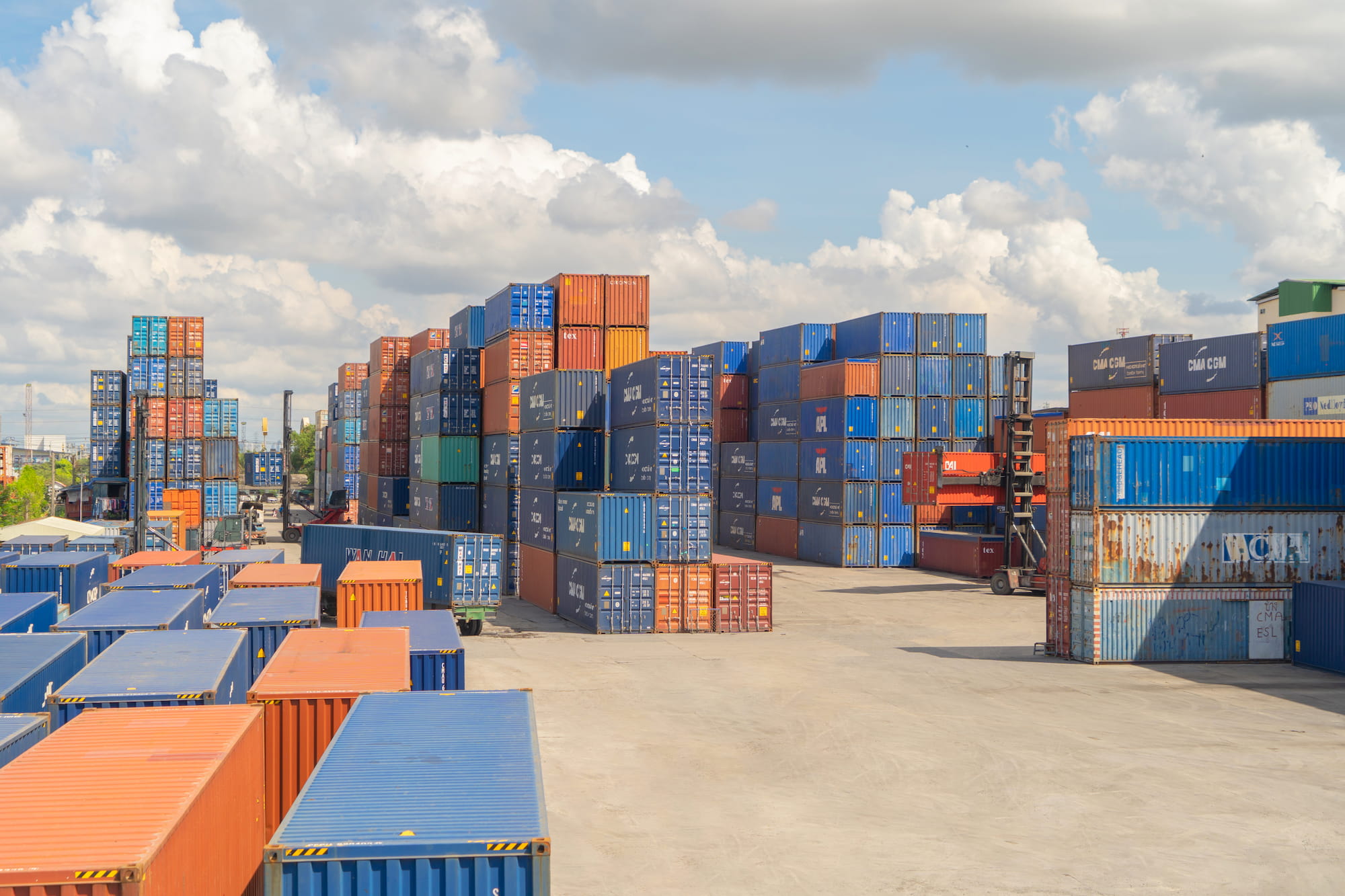
When your freight forwarder tells you, “Your container has arrived at the port,” it’s easy to think your job is done. In reality, the most sensitive part of the process is just beginning. The arrival doesn’t mean your goods are ready for delivery yet. Instead, it means you’re entering a new phase that involves customs clearance, port charges, documentation, and time-sensitive decisions. This article outlines what happens after your container arrives at the port and also how to avoid costly delays or unexpected fees. Whether this is your first import or you’re looking to streamline the process, here’s what you need to know.
When a container arrives at the port, the unloader unloads it from the vessel and moved to a storage area within the terminal, known as the primary customs zone. During this point:
Your next steps will determine how quickly and efficiently customs releases your cargo.
Key Steps After Arrival
| Step | What Happens |
| Discharge vessel | Container is offloaded and moved to terminal storage. |
| Manifest release | The carrier sends the cargo manifest to customs. |
| Customs clearance | A licensed customs broker submits documentation and pays duties. |
| Container release | After clearance and fee payment, the port allows pickup. |
| Inland transport | A truck picks up the container for final delivery. |
Incorrect or missing paperwork is one of the main reasons containers get stuck at the port. Key documents include:
Ensure all documents are consistent and submitted early to avoid delays.
Customs Clearance and Duties
A licensed customs broker handles:
Once customs reviews the declaration, you must pay any applicable import duties and taxes. Only then customs will release the container.
Demurrage, Detention, and Storage Charges
Time is critical. Ports and shipping lines offer a limited free period (typically 5-7 days). After that:
These charges can add up quickly. Avoid them by preparing in advance.
Final Delivery Coordination
Once released, you must schedule the container for pickup. Specifically, you must make sure:
Efficient coordination during the process can saves both time and money.
Checklist After Arrival
Do I need a customs broker to clear my container?
Yes, in most countries, only licensed brokers can submit customs declarations.
How long do I have before port charges apply?
Typically, 5-7 free days, but this varies by port and carrier.
What happens if port officials inspect my container?
Inspections can delay release and may add handling costs.
Can I speed up the process?
Yes, by preparing all documents in advance and staying in close contact with your broker.
Demurrage is charged when containers delays happen within the port. In contrast, detention applies after pickup if the shipper doesn’t return the container on time.
Having your container at the port is not the end — it’s the beginning of a critical final phase. With proper planning, timely communication, and accurate documentation, you can avoid additional fees, expedite release, and ensure your goods arrive smoothly.
If you’re managing your logistics and want reliable post-port support, check out A1 Worldwide Logistics, an expert in U.S. customs clearance and final-mile coordination. Contact us at info@a1wwl.com or 305-821-8995.
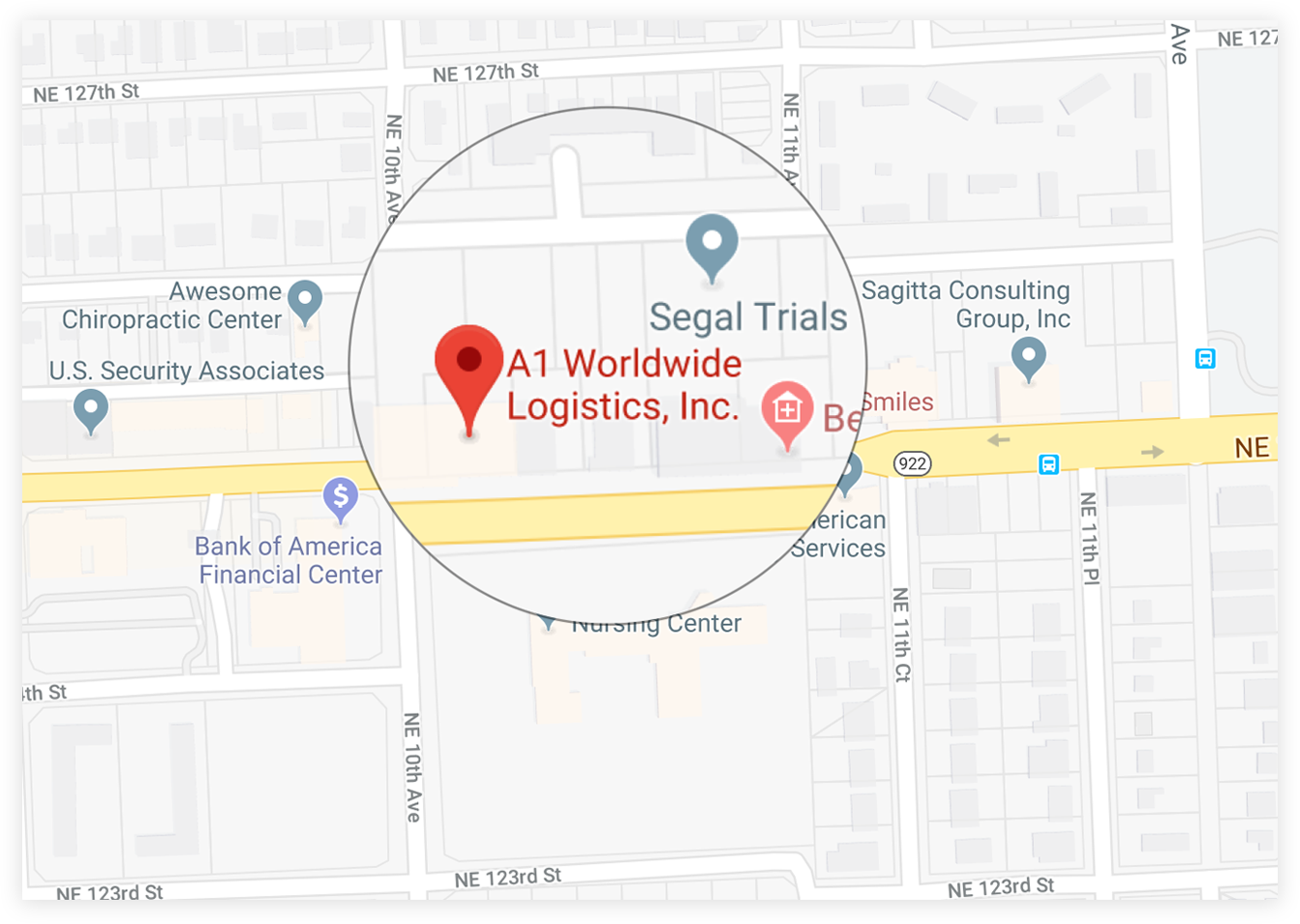
 1035 NE 125th St Suite #320, North Miami, FL 33161.
 a1worldwidelogistics.com
 (305) 821-8995
 Hours: 8AM - 5PM