How to Choose a Freight Forwarder

How to Choose a Freight Forwarder

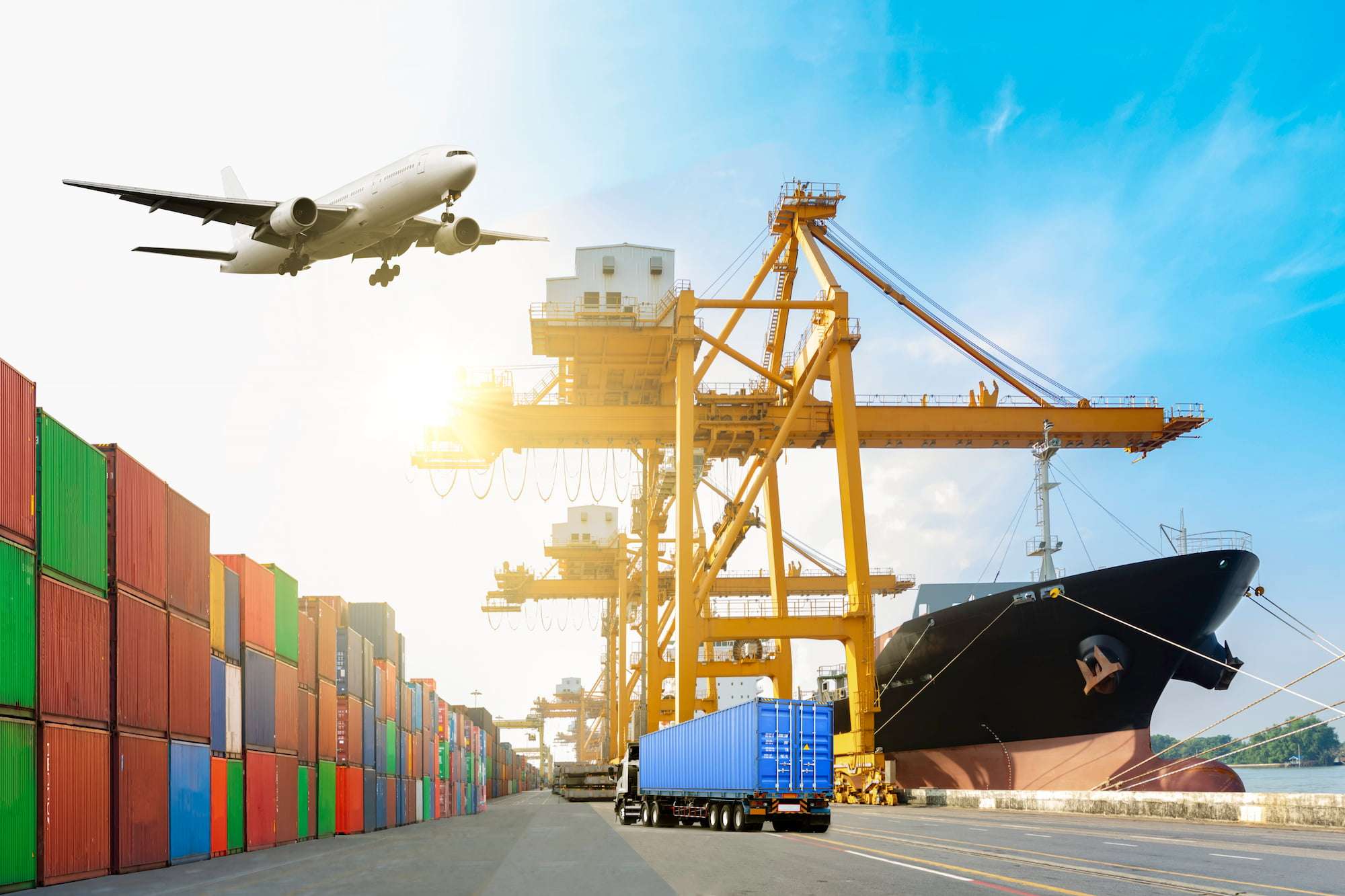
Choosing a freight forwarder should involve more than comparing freight rates. The company you choose may be responsible for coordinating carrier bookings, shipping documents, international transportation, customs clearance, and final delivery. When everything goes...

How to Choose the Right Customs Broker

How to Choose the Right Customs Broker

Choosing a customs broker is an important decision for any business or individual importing goods into the United States. Your broker can help prepare your customs entry, classify your goods, calculate duties, manage documentation, and communicate with U.S. Customs...

Panama Canal Fees Continue To Rise

Panama Canal Fees Continue To Rise

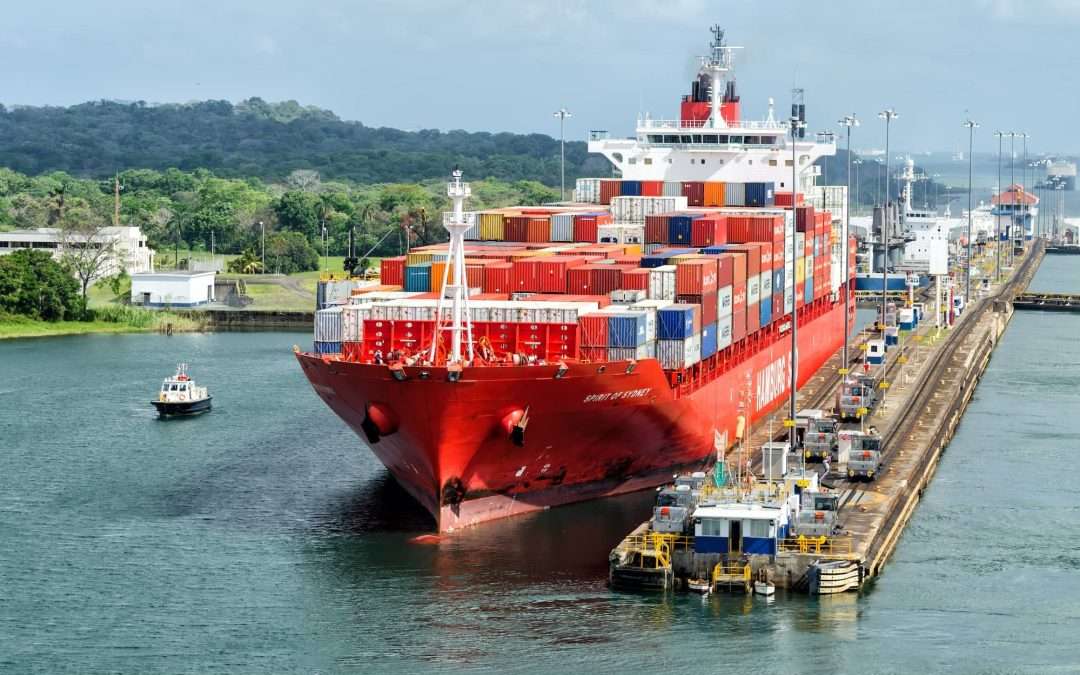
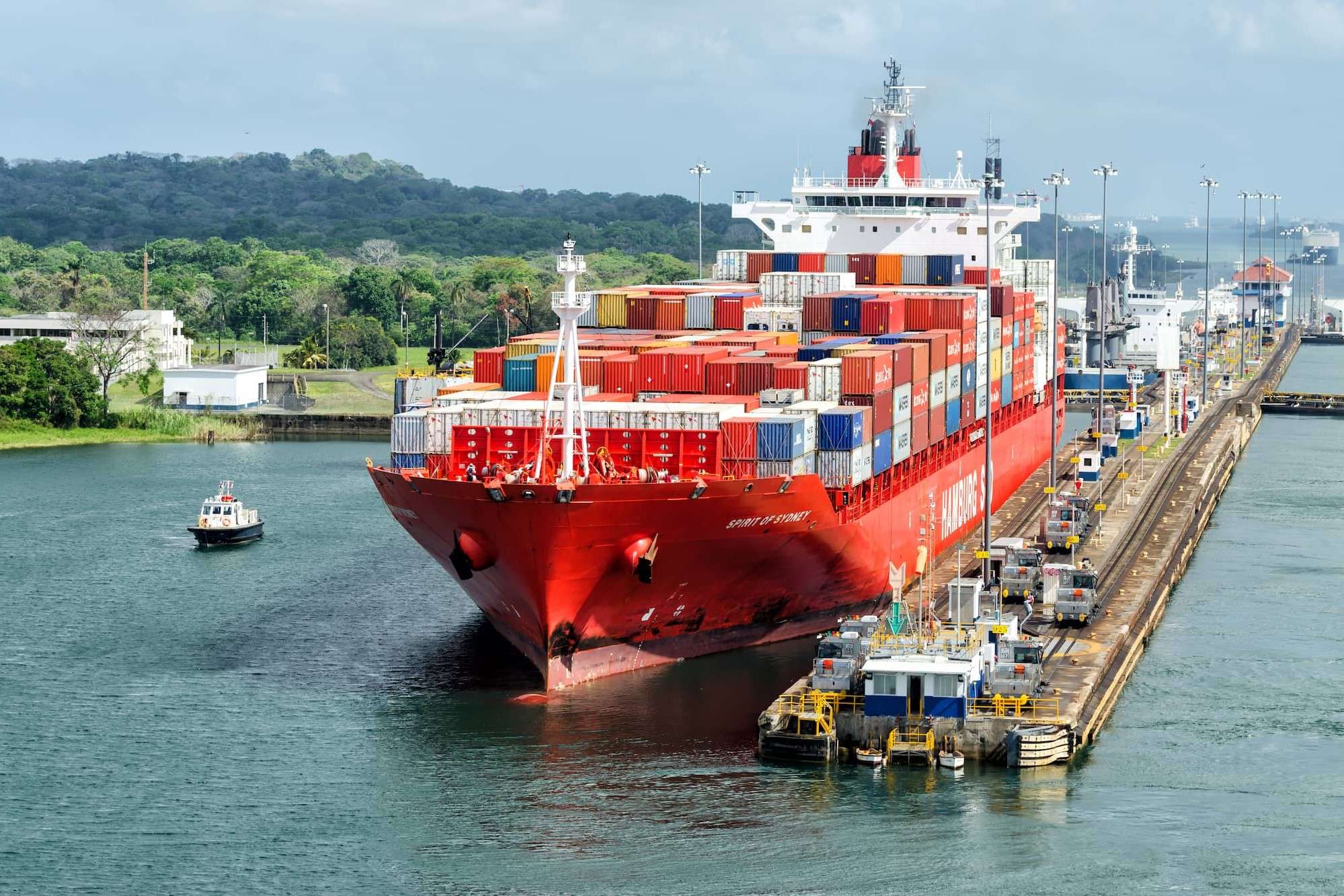
Shippers may soon face higher costs as the Panama Canal fees continue to rise. Over the last few months, various scenarios have driven transit fees higher. Major carrier companies have begun raising their Panama Canal Surcharge from $100 per TEU to $130 and nearly...

Trump Continuing To Impose Tariffs

Trump Continuing To Impose Tariffs

Tariffs on imports into the US remain a constant issue, with President Trump continuing to impose tariffs on various countries. On July 15, the Trump Administration announced a 25% tariff on numerous imports from Brazil. The levies will be effective on July 24...

The Importance of United States Free Trade Agreements

Share This Article


In international shipping, a common type of treaty between countries is a Free Trade Agreement (FTA). An FTA is an agreement that eliminates trade barriers for exporting and importing and promotes free trade between other countries. The United States currently has free trade agreements with 20 countries, including Panama, Mexico, Peru, Colombia, Morocco, and Singapore. An FTA can be Bilateral between two countries and multilateral between several countries. The U.S is currently part of 12 bilateral and 2 Multilateral FTAs, including the DR-CAFTA and the USMCA (formerly NAFTA). Shippers and countries benefit tremendously from the agreements, which we will explain in this article.

How do the U.S. and other countries benefit from FTAs?

The primary way countries benefit from FTAs is through increased trade with other countries. When FTAs eliminate tariffs and trade barriers, trade becomes more attractive due to the potential profits it generates. The 20 countries that are in FTAs with the U.S. purchase nearly half of the U.S.’s exports each year. The U.S.’s largest trading partner, Canada, imported $357 billion in goods from the U.S. in 2021. Developing countries may benefit from FTA agreements with the U.S. For example, Peru has seen an increase in trade and foreign investment following its agreement with the U.S.

The increase in foreign investment and trade has reduced poverty and created jobs in Peru. Peru has also been able to compete more effectively with neighboring countries thanks to its FTA. Other countries have benefited similarly through FTAs with the U.S. Many in the U.S. believe that free trade means domestic jobs are lost to manufacturers overseas that make the same products. However, many economists see free trade as a potential for growth and an opportunity for a country to open itself to others.

Shippers and companies that want to export their goods and do business internationally also benefit from many advantages under FTAs. As countries can make a profit, individuals looking to sell their products can increase their income. With tariffs gone, importing goods becomes cheaper for the shipper. Fewer trade barriers also help stabilize the trading environment by making it easier for shippers to move their goods. The FTAs also allow U.S. shippers to contribute to the development of product standards in the associated countries.

Starting Your Shipping Journey

Are you a business or an individual looking to start shipping globally? While FTAs are beneficial, there are still many factors to consider when importing and exporting cargo. Shipping goods involves different parts of a supply chain coming together to achieve a goal. If one part goes wrong, the whole journey may be affected, and A1WWL understands this. We are prepared to go above and beyond to coordinate your freight transportation. Contact A1 Worldwide Logistics at 305-821-8995 for a quote to begin your shipping journey. Whether your country has an FTA or not, we help you find the best rate to move your cargo internationally.

A1 Worldwide Logistics, Inc.

📍1035 NE 125th St #320, North Miami, FL 33161, USA

🌍 a1worldwidelogistics.com

📞 305-821-8995

🕒 Hours: 8AM – 5PM

Send your request

This is a guide on how to ship goods internationally.

How to Ship Goods Internationally: A Guide for Businesses

Commercial international shipping can involve freight transportation, carrier bookings, complex documentation, customs requirements, and much more. 🚢✈️ Understanding these steps can help you avoid delays, unexpected costs, and compliance issues.

There are many qualities to look for when choosing a freight forwarder, this will be a guide for making a decision.

How to Choose a Freight Forwarder

Choosing a freight forwarder should involve more than simply comparing rates. The right company can help coordinate bookings, manage documents, arrange international transport, assist with clearance, and move your cargo toward its final destination.

There are numerous qualities to look for when choosing a customs broker.

How to Choose the Right Customs Broker

Choosing the right customs broker can make a major difference when importing goods into the U.S. From classifying and calculating duties to managing documentation and communicating with CBP, a knowledgeable broker can prevent costly surprises.

What can shippers expect as as the fees to cross the Panama Canal continue to rise.

Panama Canal Fees Continue To Rise

Panama Canal costs are rising—and shippers may soon feel the impact. Higher transit fees, carrier surcharges climbing from $100 to nearly $150, and auction prices exceeding $2 million for a single crossing are putting pressure on shipping costs.

President Trump is continuing to impose tariffs on various nations.

Trump Continuing To Impose Tariffs

Global trade is facing another wave of tariff changes. The Trump Administration has announced new 25% tariffs on numerous imports from Brazil and 50% tariffs on certain Canadian imports.