Standard Operations Return at the Port of Oakland
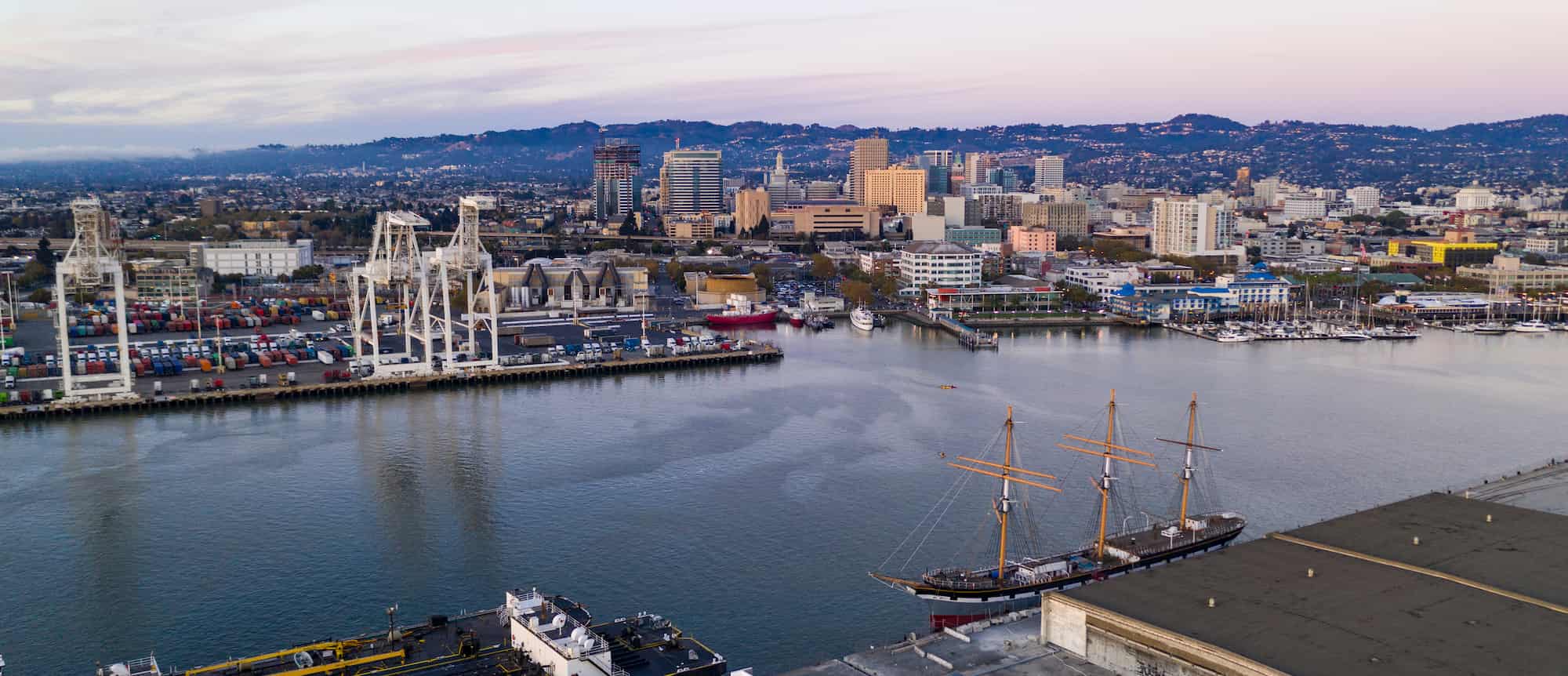
The Port of Oakland was shut down last week due to trucker protests on work law AB5. Hundreds of independent contract truck drivers blocked traffic in three main port terminals. The largest terminal, Oakland International Container Terminal, closed operations due to the protesters’ boycott and containers soon began piling up. After several days of operations’ disruption, authorities relocated protesters to “free speech zones” and now the Port is working with normality.
Why Were the Protests Occurring?
The demonstrations were due to the signing of Assembly Bill 5 (AB5). Under AB5, independent contractors are required to classify themselves as employees, meaning that their amount of flexibility will be restricted. If owner-operators become employees, they must acquire licenses, pay for insurance, and pay required company fees. Owner-operators would also not be allowed to enter lease agreements with carriers for the rights of their service usage. They see AB5 as a dream killer for truckers that come to America in hopes of owning their own business.
In late June, the Supreme Court rejected the California Trucking Association’s request for a hearing regaining AB5. This cleared the law to go forward and angered the truckers to the point of protests. On Thursday evening, police and port executives announced that they were creating designated zones for the protesters and assigning citations. The citations were penalties for anyone blocking the port’s terminals and not complying with the “free speech zones.” Most protestors decided to stop demonstrating and return to work; however, some continued without disrupting operations. Many truckers agreed to look for other solutions instead of protesting.
What Could the Protests have Meant to Shippers?
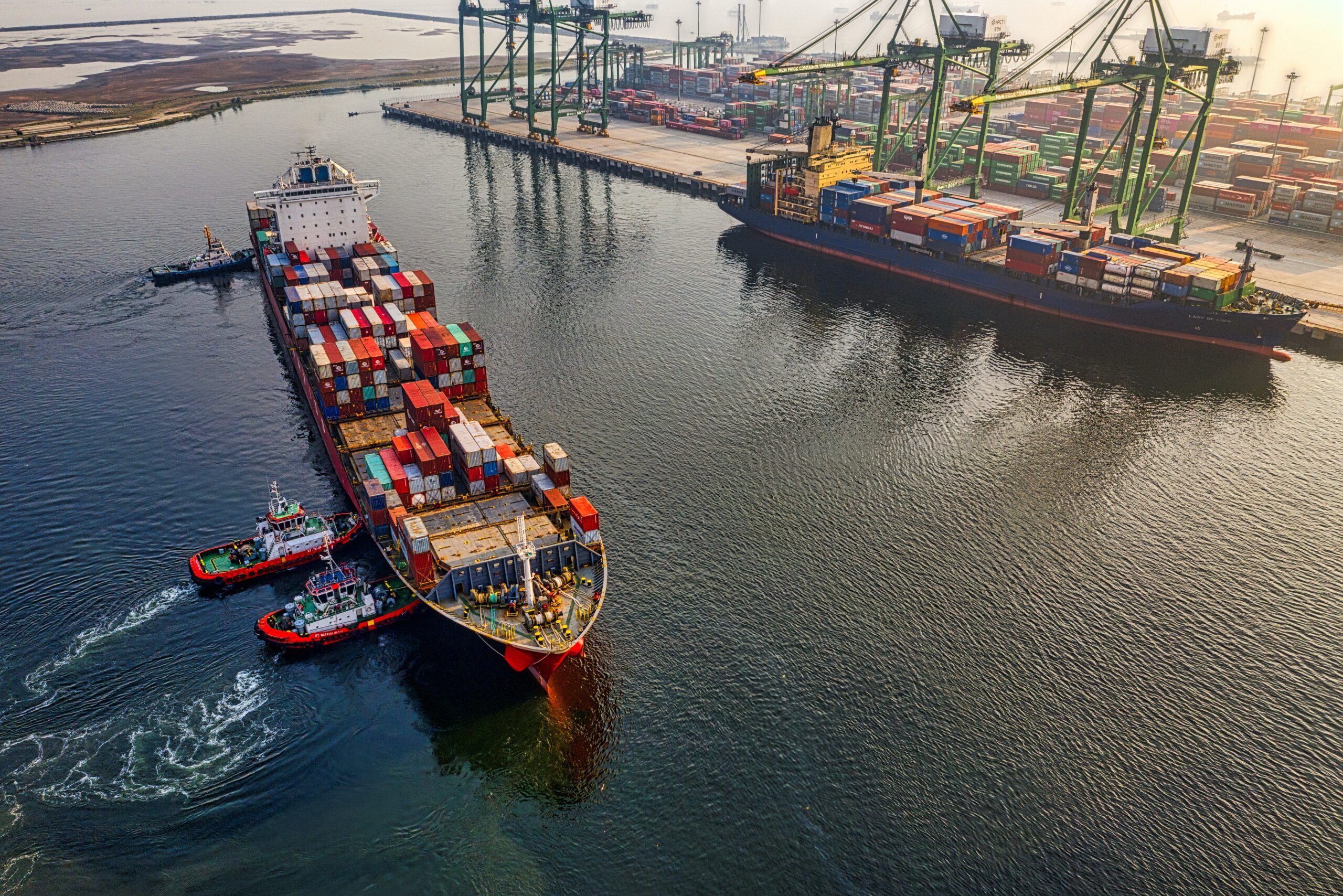
Yearly, 2.5 million container TEUs pass through the Port of Oakland, making it one of the largest west coast ports. Due to the number of shippers that rely on the port to move their goods, countless supply chains could be affected. Congestion in the Port of Oakland usually results in shippers moving their freight through other ports in California. Since Long Beach and Los Angeles ports are already facing congestion, the bottleneck could increase further. Congestion may create a bottleneck effect not only in California ports but in ports across the U.S.
Dozens of domestic ports are facing congestion, which would exacerbate if shippers decide to use them as alternatives. Shippers may further be affected since trucking is one of the main components of the supply chain. If a substantial number of truckers decide not to do business, the capacity to move containers would be severely limited. Scarce capacity can hike up prices, worsening further the current inflation. Deliveries to shippers or customers of shippers may also delay if no trucks are available and ports are congested.
When adverse circumstances happen in the shipping world, shippers should not deter themselves from moving their goods. However, you must know to take the necessary precautions for whatever may arise. If you are moving freight anywhere domestically or internationally, contact A1 Worldwide Logistics at 305-821-8995 to get started. We will help you through the complex world of shipping and find the best solutions for your transportation needs.