
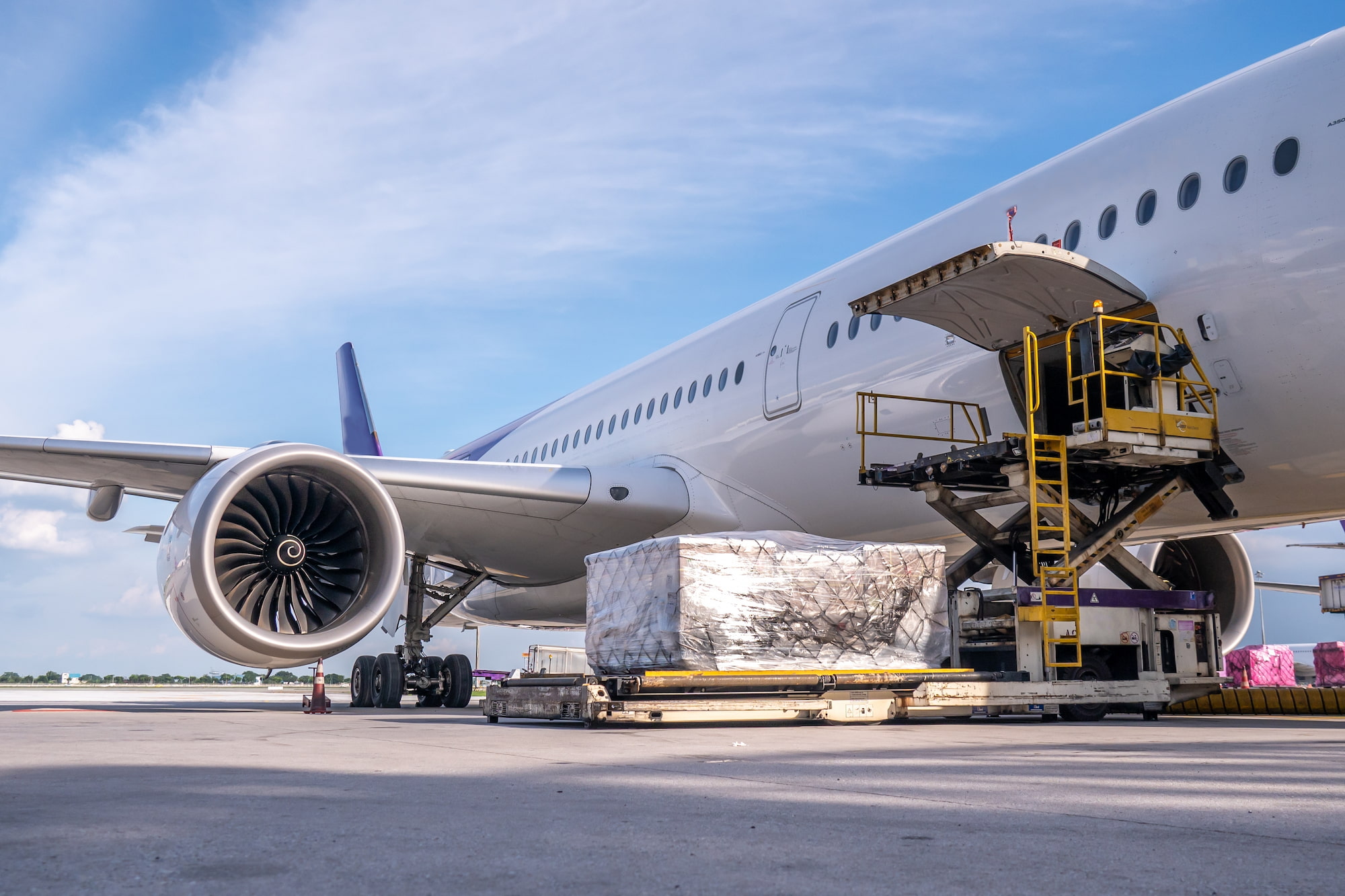
Saving Costs On Airfreight
Saving costs on airfreight can be valuable when shipping cargo internationally by air. While moving goods by air is one of the most convenient methods of transport, it may be costly. Over the last decade, the demand for this method has skyrocketed. The coronavirus pandemic further increased demand since customers bought more products online and rose imports. Expenses like fuel prices and other expenditures have further raised costs. Because of this, Shippers have found it increasingly beneficial to find strategies to increase savings. This article will explain the various costs of transporting freight by air and how you can save when starting.
Understanding The Costs Involved In Shipping Cargo By Air
Due to the numerous components involved in international shipping, there are different costs a shipper should be aware of. Before the air carrier transports the cargo, trucks typically move it to the loading port. This means that domestic transport can add to the entire cost of an air shipment. Other costs include the base rate, which covers the airline’s operational fees. Various factors affect the base rate, including volume, route, weight, season, etc. Other costs include security screening, customs clearance, peak season surcharge, etc. Fuel surcharges are fees included in airfreight and can account for over 30% of the total rate.
What Are Common Ways That Shippers Are Saving Costs On Airfreight?
Some of the most common ways that shippers can save on air shipping include:
- Consolidating Shipments – Consolidation is a process where a carrier combines smaller shipments into a single shipment. For airfreight, this can considerably reduce costs for shippers by paying only for the space you use. Other fees like handling also decrease with the grouping of cargo. Consolidation allows for faster transit times, too.
- Shipping Off-Peak Times – Demand for transporting cargo internationally can determine the shipping cost. The peak season is when the demand for moving goods is at its highest. During this time, the price to ship tends to hike due to scenarios like limited capacity. Transporting freight during periods of low demand may result in lower rates and smoother operations.
- Optimizing Packaging – A way to save on airfreight that shippers tend to overlook is using efficient packaging. Since air carriers have less space than vessels, they charge extra on volumetric weigh and space. It can be critical to optimize packing by removing packaging materials or using different crating to minimize bulk.
- Preparing Documents Correctly – Having the correct documentation is a deciding factor in the success of a shipment. Documents with errors can result in cargo hold-ups at customs. Delays can also lead to additional charges, such as detention, which further repercussions your supply chain.
Using A Freight Forwarder
Another way to save when shipping cargo by air is using a freight forwarder. Freight forwarders are the middleman between the shipper and the carrier. Along with coordinating the movement of goods, they ensure the success of the shipment while finding cost-saving solutions. For example, they can offer the various saving methods mentioned in the article. Forwarders also have established relationships with carriers and can negotiate rates on the shipper’s behalf. Call A1 Worldwide Logistics at 305-821-8995 to speak to our expert freight brokers regarding your shipment’s success. Whether the transport method is air, land, or sea, we help streamline the transportation process.

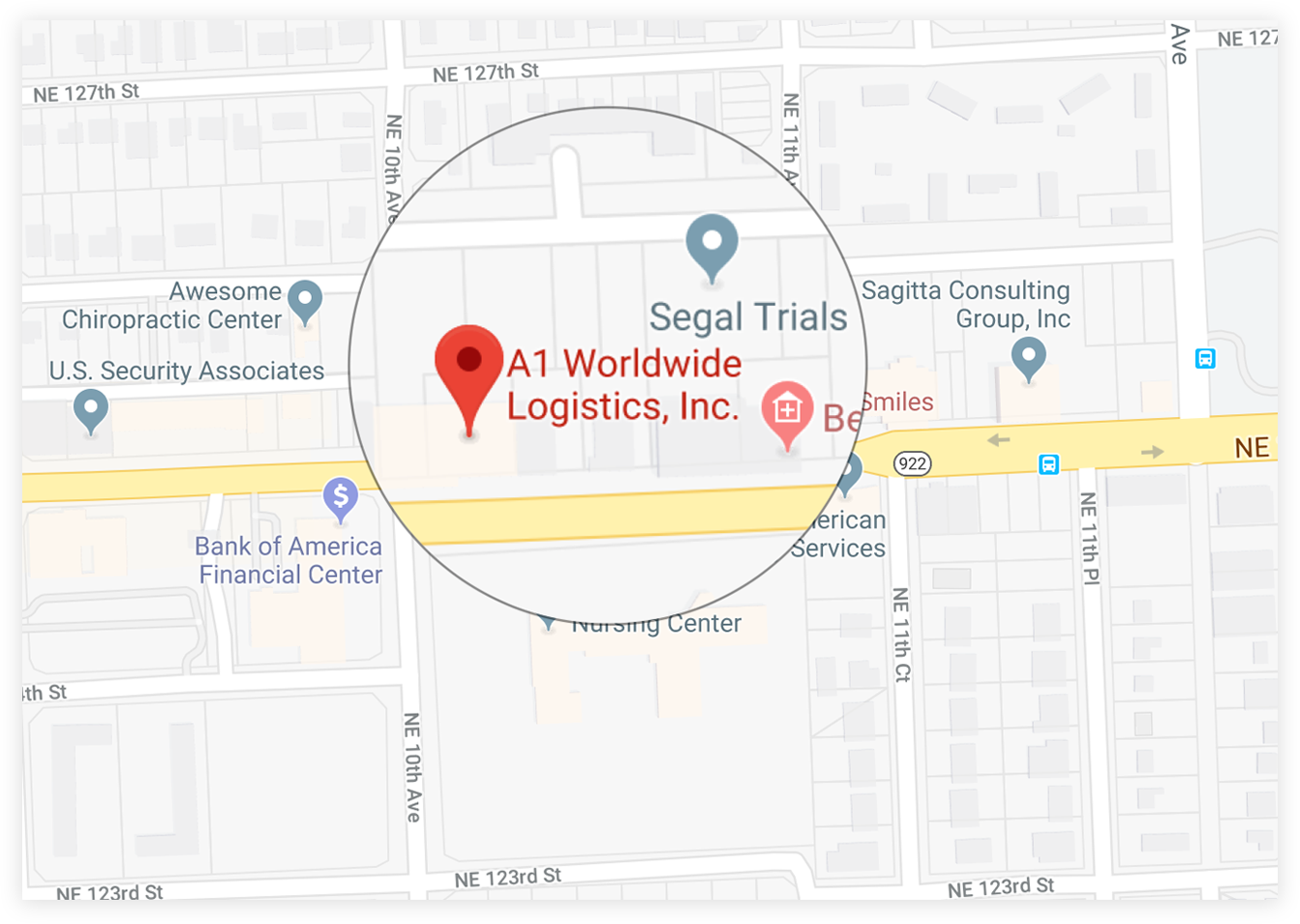
 1035 NE 125th St Suite #320, North Miami, FL 33161.
 a1worldwidelogistics.com
 (305) 821-8995
 Hours: 8AM - 5PM