Projected to set sail in 2018, the Yara Birkeland will be the first ever fully autonomous cargo ship, marking yet another step towards the automated vehicle paradigm. Following the trail blazed by Tesla and its artificial intelligence-driven cars, the Norwegian companies Yara International ASA and Kongsberg Gruppen ASA are working towards having the Birkleland completely unmanned and running itself by 2020 after around two years of having a crew aboard.
Not only is this ship fully capable of piloting and managing itself, but it is also electrically powered. The Birkeland’s developers expect these attributes to cut annual operating costs by about 90%, mitigating the ship’s hefty $25 million price tag.
What This Means
At the moment, regulations and sanctions do not exist for autonomous cargo ships. The precedent set by the Birkeland, however, could eventually spawn a fleet of AI-commanded vessels around the world once those regulations become set.
Automated ships would cut the costs of labor significantly and could potentially be even more efficient than manned boats due to their Global Positioning Systems and multitude of cameras. Electric power would also work towards cutting energy costs, not to mention lessening the impact on the environment.
Is this Good or Bad News?
Of course, with any form of automation, reliability is the main concern. Just as humans are prone to error, so too are the machines they create. If a problem occurs on a manned vessel, the crew can work on-site to correct it. It could be much more difficult to fix an immediate issue if an autonomous ship encounters it while out to sea. Additionally, the loss of an autonomous, electric-powered craft could be far more costly than conventional ships.
By the same token, if a fatal error arises and the ship goes down, the risk to human life is drastically minimized. There are certainly strong advantages and disadvantages to both manned and unmanned vehicles, but only time will tell which proves the most effective.
A1WWL
We work to stay up to date on as much information as much as possible. When international cargo and ships collide, it affects everyone personally and our business specifically. If you have any questions, feel free to contact us at any time.
Net Neutrality is the concept that everything on the internet should be equally accessible and unregulated. Up until just a few years ago, the Internet was considered a type I Neutrality which meant that it was anything goes. However, it was changed to Type II Net Neutrality which means that businesses can be free to affect entities on the internet however they choose.
This famously resulted in the Comcast/Netflix fiasco where Comcast purposefully slowed down Netflix speeds because they owned Hulu. While this cut straight through ethics as a service provider and a content marketer, Netflix had to pay a multi-billion dollar contract to have their internet speeds uninterrupted.
Announced today, the FCC chairman Ajit Pai (a former Verizon employee) announced they were going to rescind Net Neutrality together and let service providers do with the internet what they will.
While it does seem bleak and grim for your everyday internet browsing, can this have any negative ramifications on international trade?
How does Net Neutrality Affect International Trade?
This negatively affects international trade in 3 ways: Indeterminate Internet Prices, Limited Access to Resources, Scale Tipping for Trade.
Indeterminate Internet Prices
Since Internet Service Providers will be able to restrict and limit your internet usages depending on what they deem just, it can mean that your internet and the internet services of your customs broker or freight forwarder can be limited and vary greatly. While this would be a standard operating expense for business, depending on the bandwidth usage, it could cause an uptick in prices on the sending and receiving side.
Limited Access to Resources
Additionally, this can limit your access to certain resources. If a company can only afford to have a certain service package or has their pages limited by their ISP, it could make things harder for the importer to answer simple questions that they could with an untethered internet.
For Example, if you typically browse a forum for answers, that forum could be limited or deindexed from your ISP’s search engine if they use a certain host, ISP, or program that your current ISP doesn’t permit.
Scale Tipping for Trade
Finally, as is evident by the Netflix fiasco previously mentioned, you can be surcharged for using the wrong marketplace. If an ISP like AT&T or Comcast decides to open up online marketplaces to compete with the likes of Amazon or Alibaba, it could mean those websites are censored, and you will have to use AT&T’s or Comcast’s specific gateway.
For example, if you are on an Apple iPhone, and Apple was your ISP, they could force you to use Apple Maps instead of Google Maps regardless of quality.
Is there anything that can be Done?
The only thing that we can do is contact our state representatives and do the best we can to sway them to vote down the net neutrality repeal.
Not only will this affect international trade and the rates we are already paying, but it will affect every individual’s life differently. From the browsing habits, we have to the shows we like to watch.
Click this link here to place your phone on a call list and speak to your representative today.
A1WWL
Net Neutrality is a serious infringement on our rights and on what a free and open internet can provide. Please make an effort to contact your chairman and have Net Neutrality stay instead of taken away.
All of these initiatives are doing great things for the world, and they are also bolstering the kind of healthy competition that the world needs for positive trade movement. Expect some industries to starve during these times such as gas stations and gas prices, but now is the time to get into technology and solar power.
Yes. If you have cargo at port, you need to choose a freight forwarder to handle it. By working with a network of different shipment options, freight forwarders make it much easier for you to transport your cargo.
But how will you know which freight forwarder is right for you?
How to Choose a Freight Forwarder
Problem Solver
A Freight Forwarder should be a problem solver. If something goes awry your cargo being mishandled, it will be swiftly and expertly handled.
Trustworthy and Reliable
This is a transparent business. Anyone can go online and find out the information on international shipping prices and the process of transporting cargo. A freight forwarder knows this information and gives it to you straight and consistently.
Has a Network of Trusted Partners
With their reliability comes a network of trusted partners. You cannot get a network in this profession unless you know people and they vouch for your character. A network is a must-have because this is how you establish trade relationships down the line.
Gives Advice
A freight forwarder will give you advice. That doesn’t mean they will agree with you or give you compliments. It means they have seen everything in this market and they know what works and what doesn’t.
Saves you Money
Because of their advice, experience, and network, they will save you time and money. That is ultimately the goal. You will not be spending your time finding and developing all these relationships when you are going to be building your business. Let the freight forwarder handle it.
A1WWL
With A1WWL, we work to remove as many hurdles between you and your products. If you want a smooth import of your medical devices, please give us a call before beginning the transition, we could save you a lot of headaches and setbacks between you and accessing your device.
ZIM Has Just Issued the First Blockchain for Bills of Lading
ZIM, an Israeli Shipping Company, has successfully used a Block-chain software by Wave to add bills of lading for shipment. The containers went from China to Canada and Sparx Logistics. No issues arose at all from the use of the blockchain and no humans were needed to process any of the materials, only to verify correct usage.
So what are Block Chains? How do they affect International Trade? What does Cryptocurrency have to do with this?
What are Blockchains
A Chain is a connection between two entities (in this case computers.) The blocks are the bits of information that they transfer between each other. Together they form a blockchain. You can have a blockchain between your phone and your computer when you are transferring files between the two of them.
But there are mass expanses of blockchains that are the foundation of finances and cryptocurrencies on the market.
What is Cryptocurrency
With Blockchains, information is everything. The power of the blockchain can have precedence over everything. If you have 10 bits of the information set to pass through the blockchains network, they will acquire information as well and passed through a validated network.
Because of this, passing your information through a blockchain network generates security and value.
From this security and value comes a monetary value. The more people that invest in the blockchain, the more the blockchain can generate a currency that symbolizes the value of that blockchain.
In the case of Bitcoin, the oldest cryptocurrency that represents its blockchain, you are having a positive feedback loop of value for the blockchain. The blockchain is becoming more recognized because Bitcoin has a high value. Bitcoin has a high value because it is becoming more recognized.
Because of this, the value for Bitcoin is higher than any other currency in the world.
How do these two pertain to International Trade
Blockchains don’t have to represent a monetary value. They can instead simply form a unity of information between two computers autonomously.
What ZIM did was create a sustainable and reliable network that was able to handle the invoices, the bills of lading, and manage the manifests for the cargo as it went from China to Canada, all on its own without human input.
Not only is this an amazing development for international trade, but it also means that the blockchain used will go up in market value increasing it’s cryptocurrency worth if they decide to go that route.
A1WWL
A1WWL always pushed to be at the forefront of technology and innovation. If you have any questions about blockchain technology or how cryptocurrency will shape the future of our economic landscape, be sure to give us a call or send us an e-mail, we’d love to chat.
The tax bill has directed at helping companies and corporations based in America. Aimed at bringing companies and corporations back to America from overseas.
Who is positively affected by the Tax Bill
Citrus Growers
This bill is specifically aimed at people in Florida who are recovering from Irma as well as combatting the citrus greening disease.
Brewers and distillers
Brewers, Vineries, Distillers and all things alcohol are receiving a huge discount on tax breaks.
Engineers and Architects
These people receive a 20% tax deduction for their services.
Freelance Employees
People who are landscapers and uber drivers and the like receive a 20% tax deduction for their expenses every year.
How these Positives Damage Trade
All of these trades seem like they don’t directly pertain to international trade and are only a segment of the easily trackable changes established. However, one of the common numbers you’ll see on that list is 20%.
In America, the tax rate for corporations used to be 35% because they are often designed to grow large and fast, and it helps put back toward the community. However, other countries began offering lower rates so that corporations would claim their headquarters were in foreign countries where they are typically 25%.
Across the board, corporate tax rates are now 20%.
This affects international trade because places that have notoriously low tax rates used for production and manufacturing. Places like Apple will have their parts created in China and then assembled in America. But with these tax cuts, Apple could be convinced to make the entire endeavor in America.
This is a large disruption in the import/export business because this can highly disrupt the flow of business to and from China and other tech-centered countries that we are presently doing business with.
Is it better to bring in more corporate tax money at the expense of valuable trade routes?

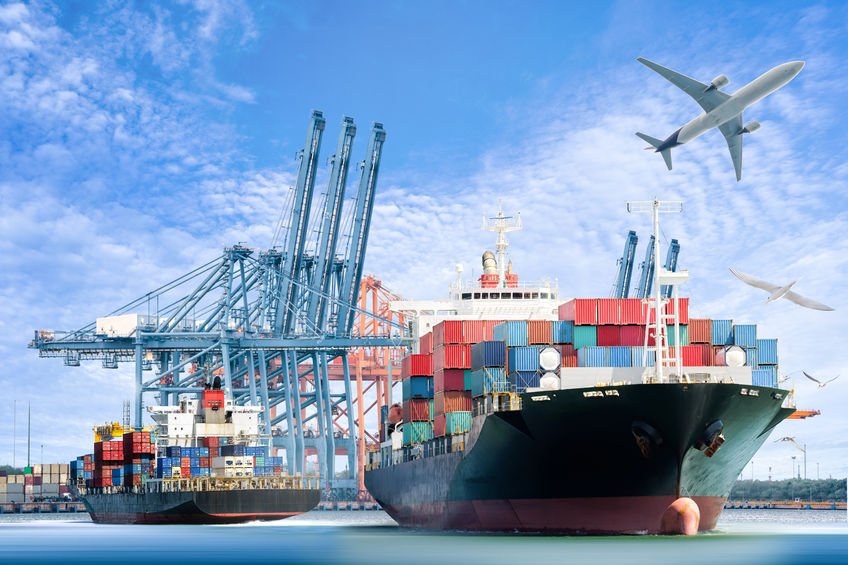
 Projected to set sail in 2018, the Yara Birkeland will be the first ever fully autonomous cargo ship, marking yet another step towards the automated vehicle paradigm. Following the trail blazed by Tesla and its artificial intelligence-driven cars, the Norwegian companies Yara International ASA and Kongsberg Gruppen ASA are working towards having the Birkleland completely unmanned and running itself by 2020 after around two years of having a crew aboard.
 Of course, with any form of automation, reliability is the main concern. Just as humans are prone to error, so too are the machines they create. If a problem occurs on a manned vessel, the crew can work on-site to correct it. It could be much more difficult to fix an immediate issue if an autonomous ship encounters it while out to sea. Additionally, the loss of an autonomous, electric-powered craft could be far more costly than conventional ships.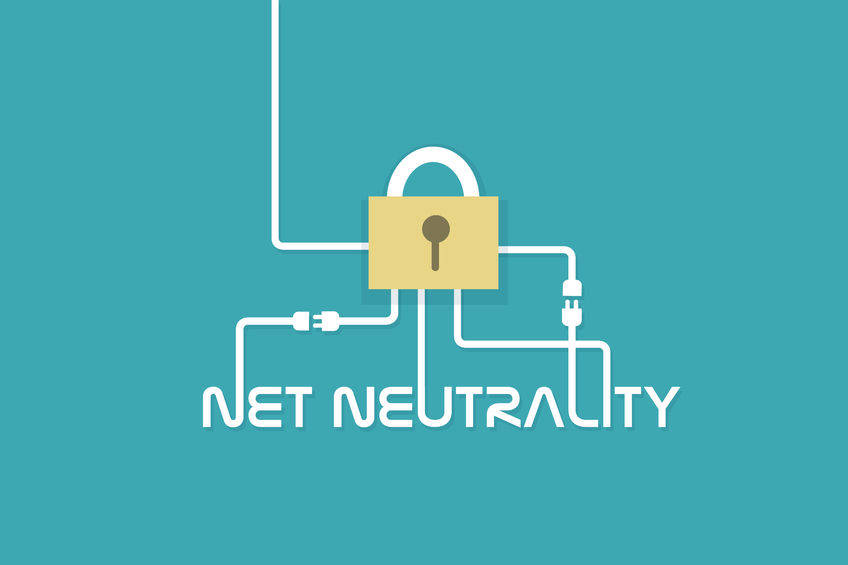
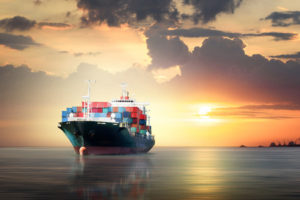 This famously resulted in the Comcast/Netflix fiasco where Comcast purposefully slowed down Netflix speeds because they owned Hulu. While this cut straight through ethics as a service provider and a content marketer, Netflix had to pay a multi-billion dollar contract to have their internet speeds uninterrupted.
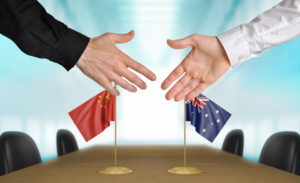 Additionally, this can limit your access to certain resources. If a company can only afford to have a certain service package or has their pages limited by their ISP, it could make things harder for the importer to answer simple questions that they could with an untethered internet.
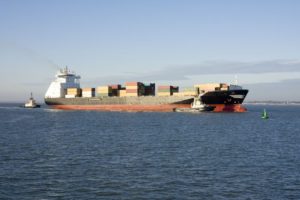 A Freight Forwarder should be a problem solver. If something goes awry your cargo being mishandled, it will be swiftly and expertly handled.
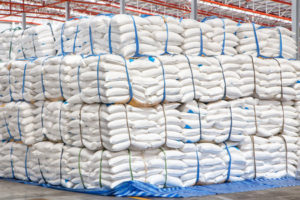 A freight forwarder will give you advice. That doesn’t mean they will agree with you or give you compliments. It means they have seen everything in this market and they know what works and what doesn’t.
 A Chain is a connection between two entities (in this case computers.) The blocks are the bits of information that they transfer between each other. Together they form a blockchain. You can have a blockchain between your phone and your computer when you are transferring files between the two of them.
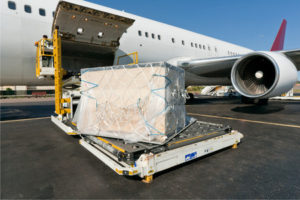 Blockchains don’t have to represent a monetary value. They can instead simply form a unity of information between two computers autonomously.
 This bill is specifically aimed at people in Florida who are recovering from Irma as well as combatting the citrus greening disease.
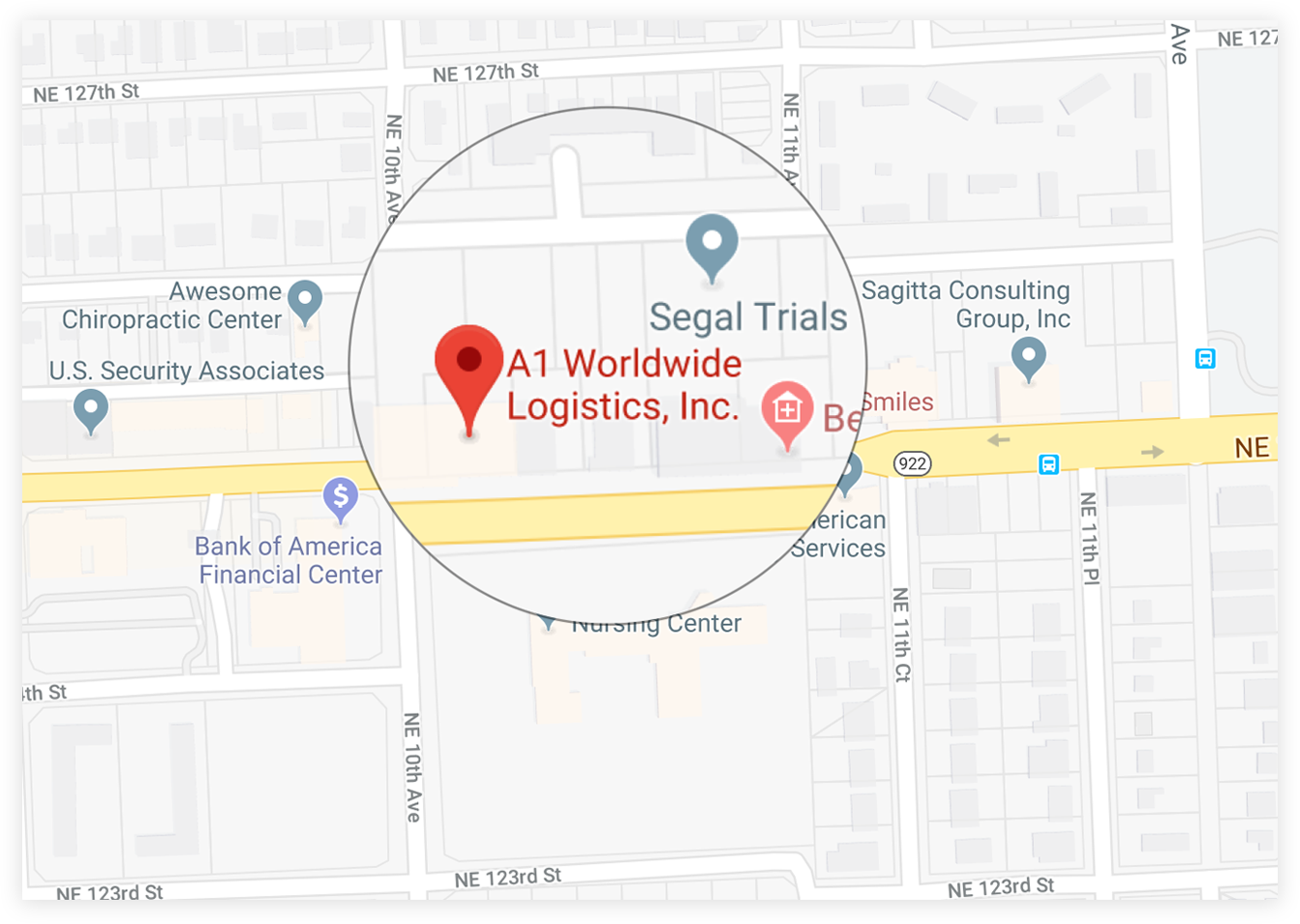
 1035 NE 125th St Suite #320, North Miami, FL 33161.
 a1worldwidelogistics.com
 (305) 821-8995
 Hours: 8AM - 5PM