The Court of International Trade (CIT) has recently announced a class action for IEEPA refunds. On October 8, the CIT said the class action will allow refunds to importers who imported cargo under the now-illegal International Emergency Economic Powers Act (IEEPA)...
Elegir el agente de aduanas adecuado es una decisión importante para cualquier empresa o persona que importe mercancías a Estados Unidos. Su agente de aduanas puede ayudarle a preparar su declaración de aduanas, clasificar sus productos, calcular los aranceles,...
Choosing a customs broker is an important decision for any business or individual importing goods into the United States. Your broker can help prepare your customs entry, classify your goods, calculate duties, manage documentation, and communicate with U.S. Customs...
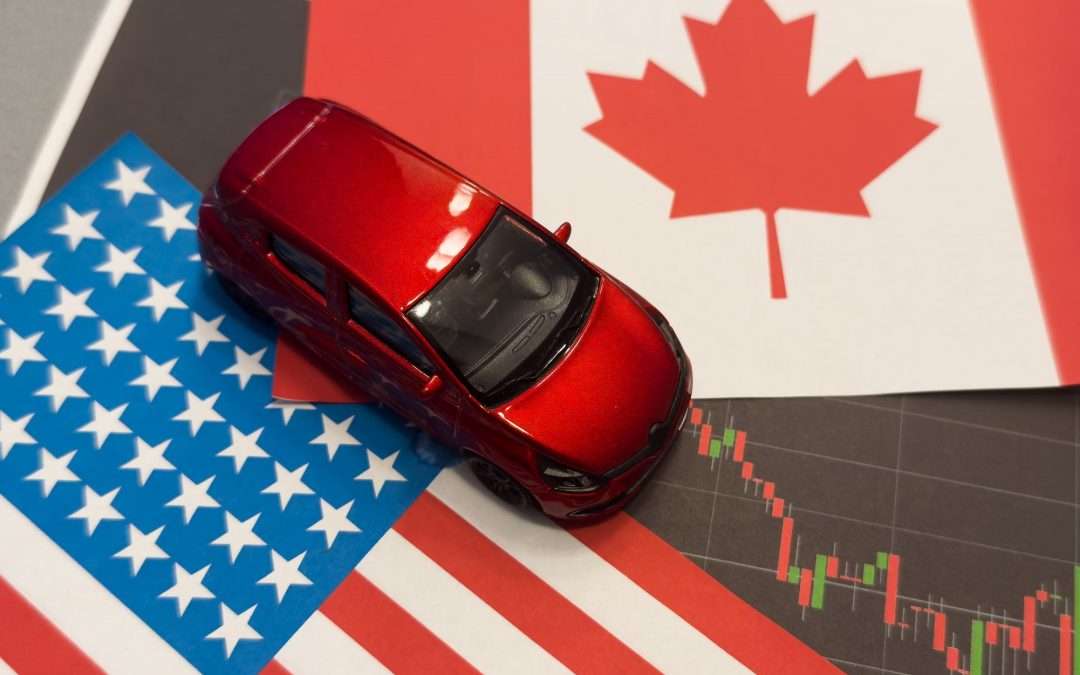
Although importing cars from Canada can benefit importers and businesses, it can be confusing for the average shipper. Canada’s proximity to the US makes cross-border vehicle transportation relatively accessible. In addition to offering easy access, Canada is an...
Autonomous Ships and Their Impact on Customs
Share This Article
The Advent of the Unmanned Shipping Vessel
Projected to set sail in 2018, the Yara Birkeland will be the first ever fully autonomous cargo ship, marking yet another step towards the automated vehicle paradigm. Following the trail blazed by Tesla and its artificial intelligence-driven cars, the Norwegian companies Yara International ASA and Kongsberg Gruppen ASA are working towards having the Birkleland completely unmanned and running itself by 2020 after around two years of having a crew aboard.
Not only is this ship fully capable of piloting and managing itself, but it is also electrically powered. The Birkeland’s developers expect these attributes to cut annual operating costs by about 90%, mitigating the ship’s hefty $25 million price tag.
What This Means
At the moment, regulations and sanctions do not exist for autonomous cargo ships. The precedent set by the Birkeland, however, could eventually spawn a fleet of AI-commanded vessels around the world once those regulations become set.
Automated ships would cut the costs of labor significantly and could potentially be even more efficient than manned boats due to their Global Positioning Systems and multitude of cameras. Electric power would also work towards cutting energy costs, not to mention lessening the impact on the environment.
Is this Good or Bad News?
Of course, with any form of automation, reliability is the main concern. Just as humans are prone to error, so too are the machines they create. If a problem occurs on a manned vessel, the crew can work on-site to correct it. It could be much more difficult to fix an immediate issue if an autonomous ship encounters it while out to sea. Additionally, the loss of an autonomous, electric-powered craft could be far more costly than conventional ships.
By the same token, if a fatal error arises and the ship goes down, the risk to human life is drastically minimized. There are certainly strong advantages and disadvantages to both manned and unmanned vehicles, but only time will tell which proves the most effective.
A1WWL
We work to stay up to date on as much information as much as possible. When international cargo and ships collide, it affects everyone personally and our business specifically. If you have any questions, feel free to contact us at any time.
Descubra cómo elegir una empresa de transporte internacional de mercancías, comparar opciones aéreas y marítimas, preparar documentos y calcular costos logísticos.
DDP stands for Delivered Duty Paid. Under this shipping term, the seller arranges transportation to the agreed destination and handles export and import clearance, including the applicable import duties and taxes. The goods are delivered to the buyer ready for...
CIF and FOB are shipping terms that define the buyer’s and seller’s responsibilities. Under CIF, the seller arranges and pays for ocean freight and cargo insurance to the named destination port. Under FOB, the buyer arranges and pays for the main ocean journey, and...
Ocean freight, also called sea freight, is the transportation of goods by ship. Businesses use it to move commercial cargo between countries, from a few pallets in a shared container to full-container orders and oversized equipment. For a U.S. import, the shipment...
LCL shipping, short for less than container load, lets your business move ocean freight in a container shared with other shippers. You book space for your cargo instead of reserving a whole container. For a business importing a few pallets at a time, that can make...

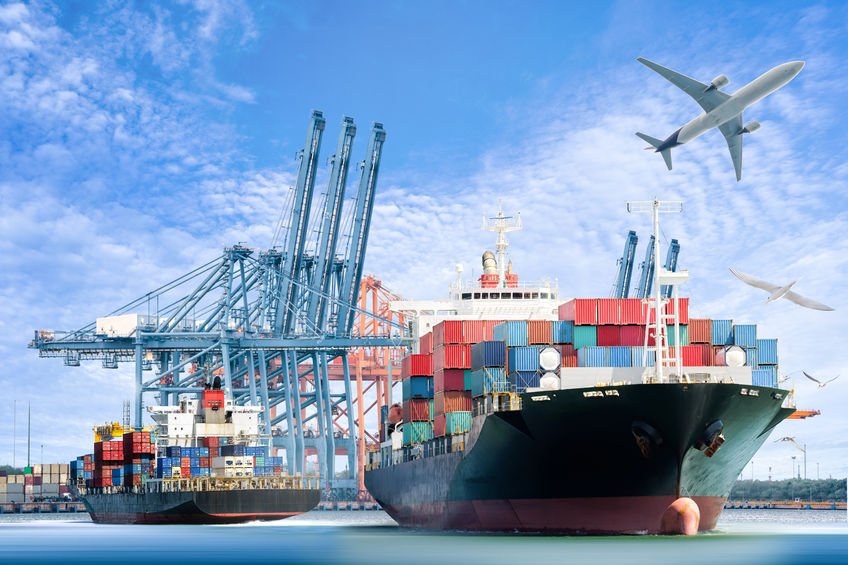
 Projected to set sail in 2018, the Yara Birkeland will be the first ever fully autonomous cargo ship, marking yet another step towards the automated vehicle paradigm. Following the trail blazed by Tesla and its artificial intelligence-driven cars, the Norwegian companies Yara International ASA and Kongsberg Gruppen ASA are working towards having the Birkleland completely unmanned and running itself by 2020 after around two years of having a crew aboard.
 Of course, with any form of automation, reliability is the main concern. Just as humans are prone to error, so too are the machines they create. If a problem occurs on a manned vessel, the crew can work on-site to correct it. It could be much more difficult to fix an immediate issue if an autonomous ship encounters it while out to sea. Additionally, the loss of an autonomous, electric-powered craft could be far more costly than conventional ships.



