by A1 WorldWide Logistics | May 30, 2024 | Shipping Logistics, Supply Chain, Transportation
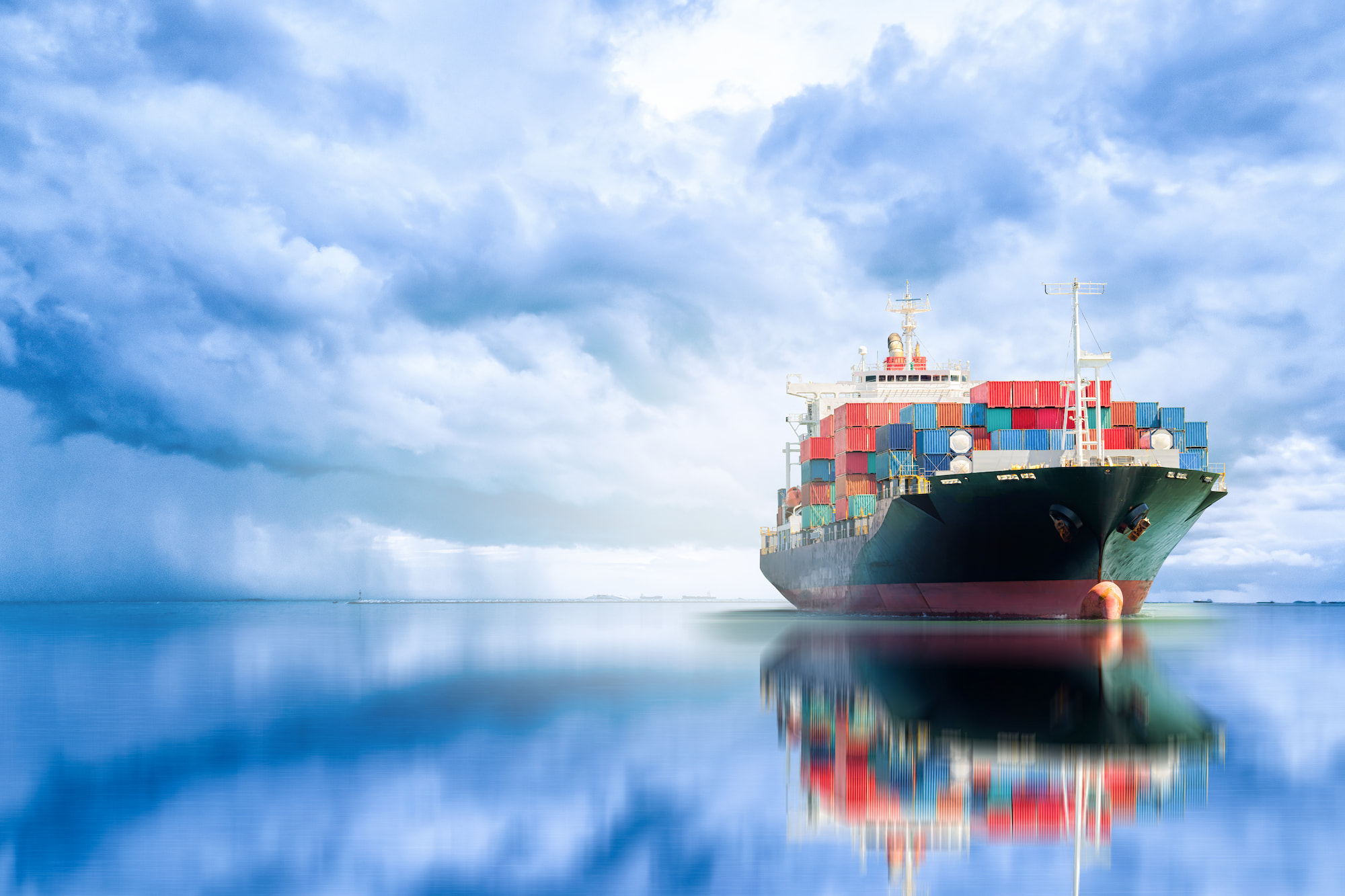
A vital consideration a shipper must make when transporting goods internationally is reducing ocean freight costs. Shipping by sea is the most common way cargo moves globally, accounting for over 90% of international trade. Despite its popularity, there can be numerous expenses that may confuse even the experienced shipper. While certain fees are unavoidable, there are specific ways that shippers can reduce the overall price of transporting by sea. Whether you are shipping as an individual or from a company, this can benefit your supply chain. Saving costs is especially important with recent market conditions and the rise in container rates. This article will explain the best ways to lower expenses.
How Do Carriers Calculate Shipping Costs?
Ocean carriers that move freight internationally have different ways of calculating costs. It is crucial to note that cargo has base rates that depend on the shipment type. Other volumes include the weight, volume, distance, origin, and more. The mode of transport is also a crucial consideration. For example, containerships transport sea freight in different ways, including FCL (full container load), LCL (less than container Load), and RoRo (roll-on/roll-off). There are also additional fees like fuel and special handling surcharges. When importing into a country, there are also port terminal handling charges and customs duties a shipper should know. Shipments can also have optional insurance costs for cargo damage or loss.
What Are The Most Effective Ways of Reducing Ocean Freight Costs?
While there are numerous ways to save on ocean freight costs, the most popular ways that shippers use include the following:
- Consolidating Shipments – Consolidation is a method of shipping where a shipper combines multiple orders into one shipment. The shippers share the transportation cost by fitting various shipments into one container. This can reduce costs, and consolidation can speed up the delivery and customs clearance process.
- Negotiate With Multiple Carriers – Since countless carriers move cargo internationally, each has its shipping rates. A shipper can negotiate these rates and get the best quote amongst the transporters. Having solid relationships with steamship lines is critical in negotiating prices. Using online freight marketplaces to compare quotes is also ideal for finding cost-effective options.
- Optimize Shipping Routes – A carrier’s route to transport freight directly impacts the cost. Shorter, more direct lanes are less costly than more extended ones. Avoiding routes with high congestion is also helpful, as it can increase costs and lead to other issues.
- Pay Attention To Cargo Packaging – A way to optimize costs that shippers tend to overlook is to optimize packaging. Not packing cargo optimally can add extra volume and space, raising costs.
- Ship Off Peak Season – Peak season is when shipping demand is high. This season usually starts in mid-August, goes to the end of October, and sometimes extends to November. An effect is that the cost of shipping internationally tends to rise. Deciding to ship before that period can help in saving costs.
Using The Help of a Freight Forwarder
Finding the best cost to transport your goods can be crucial for individual and business shippers. Another way to reduce ocean freight costs is to use the assistance of a freight forwarder to ship internationally. Forwarders are connected to a network of carriers and can negotiate the best rate to move your shipment. Contact A1 Worldwide Logistics at 305-821-8995 to discuss your cargo’s movement with our forwarders.

by A1 WorldWide Logistics | May 16, 2024 | Importing, Shipping Logistics, Transportation
A type of import that can be challenging when starting is importing olive oil to the U.S. The reason is due to the various regulations and procedures that the shipper must follow. Organizations like the FDA (Food and Drug Administration) and CBP (Customs and Borders Protection) dictate these policies. Despite this, the U.S. is the 2nd largest importer of olive oil globally. In 2020, the U.S. had a share of 17.9% of all world imports and brought in over 403 thousand tons. Many benefits of olive oil have caused an uptake in the amount brought in recently, especially for restaurants and retail. With the growing push for healthier nutrition, shippers can benefit from importing olive oil.
What Should You Know About Importing Oil To The U.S.
There are numerous things shippers should know before bringing olive oil into the U.S. It is essential to understand the various regulations for importation. The country of origin also has numerous guidelines a shipper must follow before exporting. The FDA is the U.S.’s primary regulatory body and can be very strict on requirements. Examples of FDA prerequisites include a food facility registration, Foreign Supplier Verification Program (FSVP), prior notice of import, etc. The FDA also mandates that olive oil ships from an approved region follow safety standards and be labeled correctly. Failure to follow requirements can result in a delay or rejection of your import.
Along with the FDA, a shipper must adhere to regulations the CBP sets. The CBP is in charge of enforcing trade laws for the U.S., ensuring importers comply. This is to prevent any dangerous or prohibited cargo from entering the country. Additionally, the CBP ensures that import duties are issued and collected upon entry. Duties on olive oil shipments are based on the value of shipments. The blend of olive oil, such as virgin, extra virgin, and certified organic, also determines duties. The CBP may also require that the shipper obtain a customs bond in oil shipments valued at or over $2500.
What Is The Process For Importation
Before leaving the country of origin, the shipper must ensure that the cargo has the proper product labeling. Labeling includes crucial information like expiration dates, specifications, quality certificates, etc. The importer must also prepare the documentation beforehand to prevent holdups and delays. Some of the documents for importation include:
- Bill of Lading or Airway Bill
- Commercial Invoice
- Arrival Notice
- Certificate of Origin
Olive oil also requires other certificates like the Phytosanitary Certificate and the Certificate of Analysis. Two primary ways that olive oil ships internationally are by air and sea. Using the assistance of a freight forwarder can help find a suitable carrier regardless of the conveyance method. Once the shipment reaches the U.S., the CBP (U.S. Customs and Border Protection) will stop and inspect the shipment. When customs releases the shipment, you can move it to the final destination by trucking service.
The process of importing olive oil into the U.S. can be complex and could take more steps than the ones described in the article. Having assistance from a freight forwarder and customs broker can help streamline the process. A1 Worldwide Logistics has both services and more to ensure the success of your shipment. Reach us at 305-821-8995 to begin importing into the U.S. from anywhere internationally. Whether you bring in olive oil or any other commodity, we guide you through the process.
by A1 WorldWide Logistics | Apr 25, 2024 | Customs Broker, Freight Forwarding, Importing
Whether you are a new or experienced shipper, ensuring a successful importation is essential when bringing cargo into the U.S. The U.S. is the most significant importer globally and brought in over $3 trillion of freight in 2023. It may be attractive when starting because of its numerous benefits for businesses and shippers. However, you should take special precautions to avoid potential disruptions during the process. Many things may go wrong during importing which can result in monetary loss or loss of the cargo. This article will explain what can go wrong when importing and give tips to ensure a successful shipment when starting.
What Can Go Wrong During The Importation Process?
Due to the complexity of importing into the U.S. or elsewhere, many components can go wrong. A common issue that arises when moving cargo is delays in customs clearance. Numerous problems can lead to delays like incorrect documentation, unpaid fees, not following packing or label regulations, etc. Holds can be especially bad for businesses that are shipping goods to customers. Another scenario that can go wrong is bringing goods into the U.S. with the incorrect tariff code. Having the wrong code can lead to shipment seizure and other non-compliance penalties. Once customs clears the cargo, late container pickup and drop-off can lead to demurrage or detention charges.
What Are Some Tips For Ensuring A Successful Importation?
Although scenarios like cargo damage can be unavoidable, there are parts of the process that an importer can control. Some of the ways that a shipper can ensure a successful shipment include:
- Have the correct paperwork – There are numerous documents that a shipper may require when importing into the U.S. Some examples include the bill of lading, packing list certificate of origin, arrival notice, commercial invoice, etc. Importers also should verify the correct filing of the paperwork. Incorrect documentation can result in goods staying at customs and extra costs.
- Understand the rules and regulations for importation – Countries that bring in cargo internationally have regulations that shippers must follow, and the U.S. is no different. Before shipping, importers must understand these guidelines and ensure their shipment follows them. An example is not importing illegal freight like absinthe, dog, or cat fur.
- Determine the correct tariff code – Similar to documentation, a shipper must ensure they have the correct HS tariff code. The HS (Harmonized Tariff) is a method for classifying traded goods. These codes help customs assess taxes along with other tasks. Use a tariff database or help from a customs broker when looking up your code.
- Prepare for risk – Importing internationally into the U.S. can have numerous risks, especially when starting. In addition to the tips in the article, the shipper should take extra steps, such as using reputable carriers to protect their goods. Having cargo insurance can be useful for unavoidable scenarios like the shipment falling into the ocean.
How To Get Started?
With all the tips in the article, starting may still be challenging for beginner importers. An ideal way to begin is by using a freight forwarder and customs broker to streamline the shipping process. Freight forwarders act as the middlemen coordinating your cargo’s movement into and out of the U.S. Brokers assist in the customs clearance when the shipment enters the U.S. Both professions handle part of the importation, allowing the shippers to focus on other parts of their supply chain. Contact A1 Worldwide Logistics at 305-821-8995 or info@a1wwl.com to start importing from anywhere internationally. We have forwarders, brokers, and different solutions to ensure the success of your import.

by A1 WorldWide Logistics | Mar 21, 2024 | Importing, Shipping Logistics, Transportation
Although increasingly common, shipping boats internationally can be tricky, especially for inexperienced shippers. The different sizes, regulations, and required documentation may confuse even the ordinary shipper. Not understanding the process leads to time and monetary loss. For example, giving customs incorrect documents can result in your goods being held up, leading to demurrage charges. Despite this, the international transportation of ships has grown in recent times. Shipments to and from the Mediterranean Sea to the U.S., particularly, have grown in volume. This article will introduce what to expect and how to prepare when starting.
What To Know Beforehand?
Before starting, it is essential to know the guidelines for transporting boats, which differ based on country. Likewise, the shipper must follow various customs regulations when bringing cargo into the U.S. Another important consideration is the boat’s dimensions, which affect the shipping method. The main ways that carriers ship boats and yachts internationally include:
- Containers – Containerized shipping is standard for boats shorter and narrower than eight feet. This is one of the most inexpensive transport methods despite the size limitations.
- Flat Rack – Larger boats typically ship in flat racks, which are open custom cradles that eliminate container size restrictions.
- Roll-on/Roll-Off (RORO) – The most typical way shippers transport boats internationally is by RORO services. Workers roll the ships onto the carrier using trailers and safely secure them.
- Lift-On/Lift-Off (LOLO) – Carriers with onboard cranes or cranes dockside at a port lift the boats onto the carrier.
A shipper should also prepare the boat for international shipping beforehand. Preparation can include securing delicate areas, removing or protecting detachable parts, and removing components. The yacht must also comply with safety standards. Fuel and water tanks can also require a complete or partial drain. Another consideration is having insurance protection on the shipment. Shipping companies and freight forwarders usually have insurance options available for transporting boats.
What Is The Process for Shipping Boats Internationally?
Once the shipper is ready to transport the boat, they contact a shipping company or freight forwarder. Freight forwarders act as the middleman between the shipper and carrier while handling different parts of the transportation process. During the journey, they give updates on the status of the shipment. The documentation must be ready before the boat enters the country of import. Customs brokers coordinate with customs on the release of your shipment. They do this by completing the paperwork, ensuring government compliance, calculating duties, classifying goods, etc. When customs releases the boat, importers typically use a flatbed truck to transport it to the final destination.
How Can You Get Started?
The reason why shipping boats can be complicated is because of the various rules and regulations involved. Shipments like yachts are valuable investments, and a misinformed decision can lead to significant losses. Shippers typically use the assistance of a 3PL (third-party logistics) company to begin. 3PLs are service providers that handle various parts of a supply chain. Some solutions include cargo transport, distribution, customs clearance, and more. Call A1 Worldwide Logistics at 305-821-8995 or email info@a1wwl.com regarding shipping your boat to and from the U.S. We have freight forwarding and customs brokerage services to clear your shipment once it reaches the U.S.
by A1 WorldWide Logistics | Jan 18, 2024 | grain exports, Shipping Logistics, Transportation
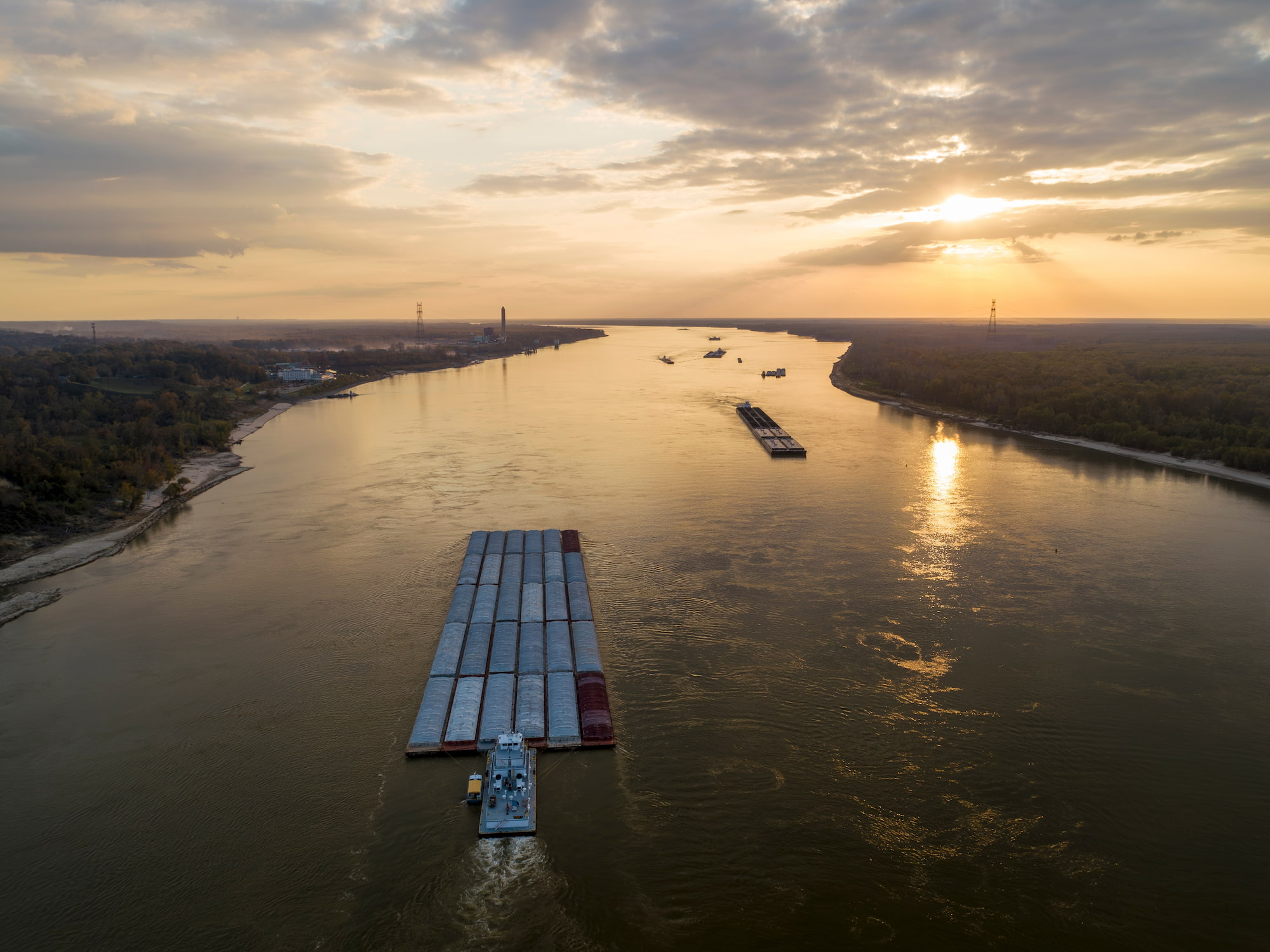
Shipping in the Mississippi River is vital to the U.S. economy, bringing in over $405 billion annually. Flowing from Minnesota to the Gulf of Mexico, the Mississippi River is the 2nd largest river in the U.S. For over 200 years, shippers have used this waterway to move various cargo, including agricultural goods and petroleum products. While containerships can pass through up to a point, the primary transport method is by barges. Barges are inland waterway vessels that are flat-bottomed and do not have engines but move with the assistance of tugboats. The barges carry the containers across since most of the river is too shallow for containerships.
The Importance of Cargo Shipping In The Mississippi River
Since shipping began in the Mississippi River, it has been essential for domestic and international cargo movement. Today, nearly 175 tons of freight move through yearly, which is still growing. 92% of U.S. agricultural exports and 78% of feed grains and soy pass through the river. Other exports include oil, steel, wood, coffee, paper, chemicals etc. Due to the traffic, 41 ports and harbors are in the river and on connecting waterways. A few thousand barges transport the goods to the various ports. Despite its importance, the Mississippi River has had challenges adjusting to the growing traffic because of issues like a lack of infrastructure.
Low Water Levels Are Still A Concern
Another challenge the Mississippi River faces is record-low water levels. Over the last few years, a drought has decreased water levels in the river to a point of concern. Above-normal heat conditions have also added to the decline. An effect was that river barges could not float, meaning that limited cargo could move across. Despite the increase in dredging efforts in 2023, barges were still moving at two-thirds of the standard capacity. Since most U.S. grain shipments go through the waterway, exports may soon be at risk. Along with shipping, lower levels impact drinking water, which the river provides to nearly 20 million people.
New Container Terminal
Despite the current drought, companies plan to grow the Mississippi River’s capabilities. Plaquemines Port announced on January 12 that it completed a deal to build a new container terminal in Plaquemine, Louisiana. The location will be 50 miles from the river’s entrance and be able to serve 22,000 TEU Megamax-24 ships. Nearby, the Port of New Orleans has also started developing a new container terminal on the Mississippi River. This terminal will handle over 180,000 containers in the first year and approximately 1.2 million containers in the 25th year. Along with increasing the traffic going in and out of the river, the ports will expand opportunities for international shipping.
As international shipping continues to grow, the possibilities can be attractive to new shippers; however, beginning may not be as easy. Whether you are an individual or a company, having the assistance of a freight forwarder is ideal when starting. They coordinate the shipping process on behalf of the shipper and educate them throughout the journey. Contact A1 Worldwide Logistics at 305-821-8995 to begin moving your shipment domestically and internationally. Along with movement by sea, we provide other methods of conveyance like air and land to ship your goods.

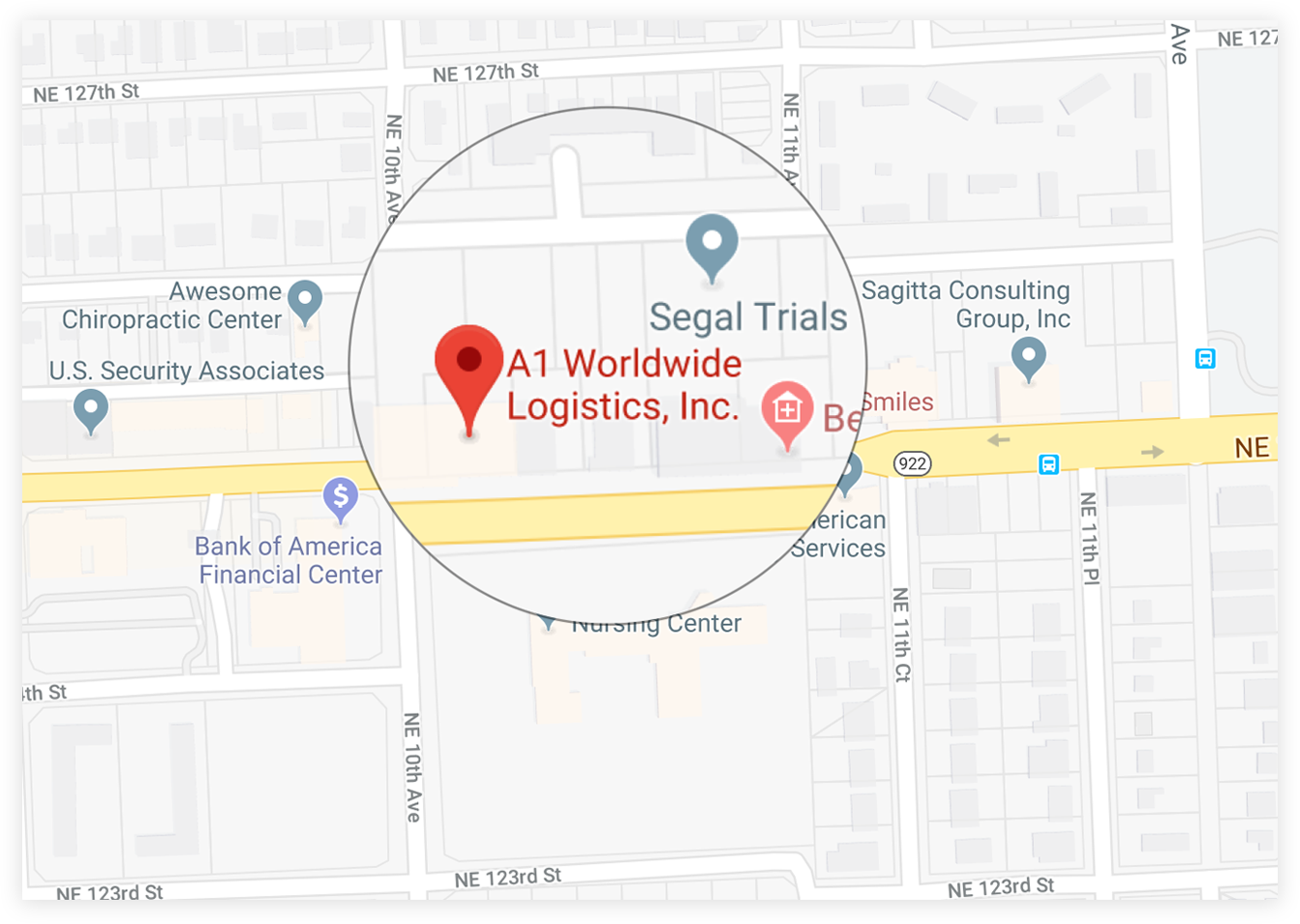
 1035 NE 125th St Suite #320, North Miami, FL 33161.
 a1worldwidelogistics.com
 (305) 821-8995
 Hours: 8AM - 5PM