by A1 WorldWide Logistics | Oct 31, 2024 | Freight, Shipping Logistics, Transportation
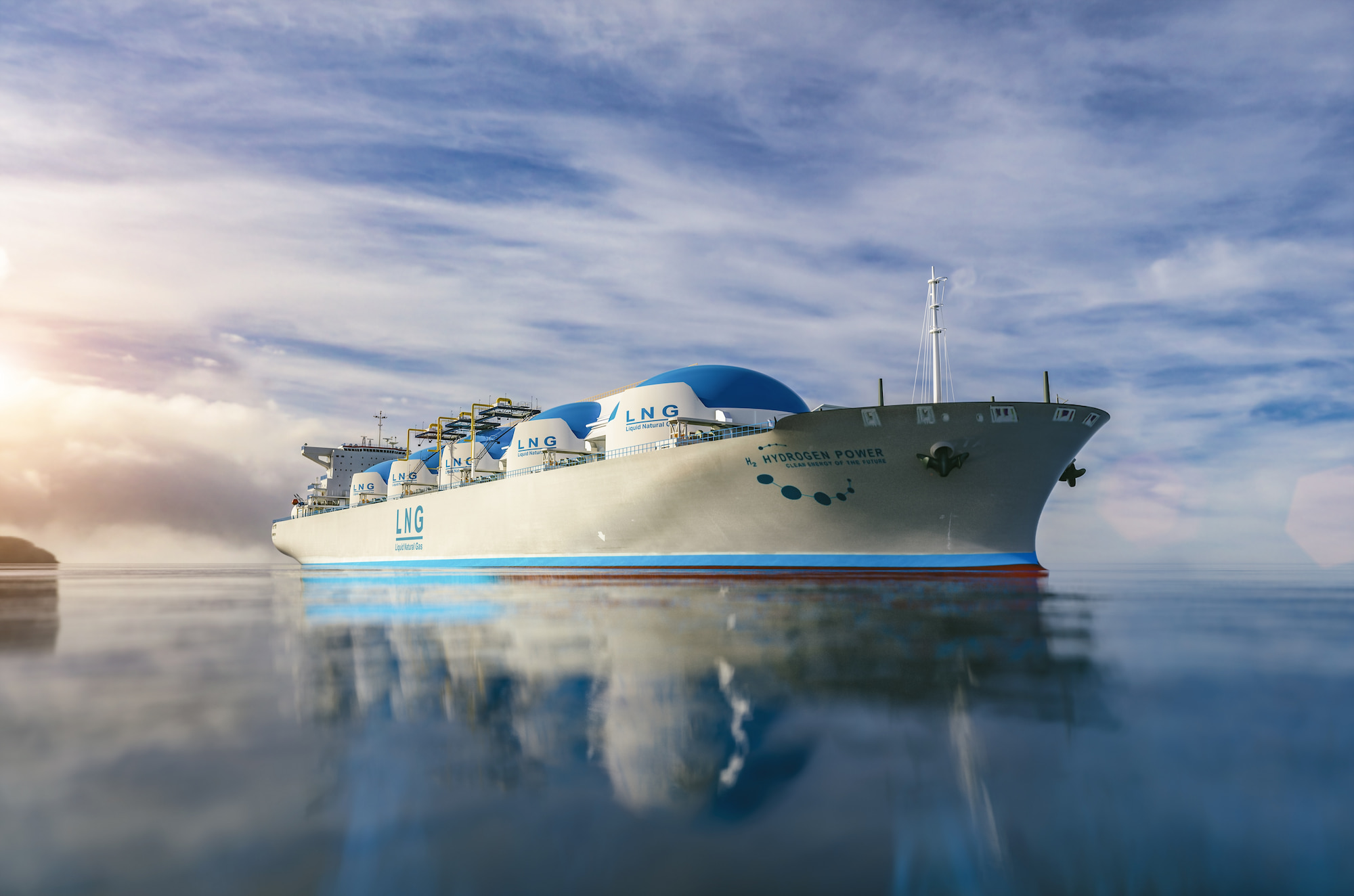
Analysts have recently reported a continuing trend of LNG freight rates plunging to record lows. LNG (Liquified Natural Gas) rates for Atlantic and Pacific basins fell $20,750 and $36,000 daily on Friday, October 25th. For reference, this is the lowest for this period, with rates down 87% in the Atlantic and 78% in the Pacific since 2019. LNG pricing agencies have noted that rates for LNG tankers may remain low until late 2025. Spot prices for the UP World LNG Shipping Index (UPI) fell 3.54% last week. What is causing the sharp decline in rates, and how could this affect international shipping?
Why Are LNG Freight Rates Plunging To Record Lows?
The recent plunge in freight rates is due to the number of new tankers entering the market. By early October, there were 45 newbuild tanker deliveries, with more arriving in the next few months. Approximately 70 new LNG carriers will enter the global fleet of 800 by the end of this year. An LNG pricing agency noted, “We don’t see this pace of additions slowing significantly until mid-2026.” The issue is that manufacturers are producing tankers at a quicker rate than LNG production. As the amount of shipping capacity continues to rise, demand for LNG exports remains stagnant. Milder weather conditions worldwide also contribute to the weaker demand as winter approaches.
LNG production has been growing slowly due to a labor and equipment shortage, causing delays. In 2022, LNG supplies from Russia plunged from a conflict with Ukraine. With Russia being one of the largest producers and shippers of natural gas globally, the market felt the impact. As a result, shippers began looking at other countries like the U.S. for LNG exports. In anticipation of the rise in exports, manufacturers began building tankers rapidly, more than the demand to ship internationally. Instead of an increase in international shipping, customers began sourcing LNG locally, lowering freight rates. Traders also have no incentive to store LNG on vessels, which helps lower tankers on the market.
What Can This Mean For International Trade?
When LNG rates decline, it can significantly impact international trade, including the global energy market. For importers, this can lead to greater savings and make LNG more attractive than other fuels. As a result, price-sensitive markets like Southeast Asia could see a growing demand for this fuel. While lower LNG rates can benefit buyers, producers may feel low profit margins from plunging rates. Ship owners will also feel the impact of lower profits. To compensate, they may delay fleet expansions and invest in LNG infrastructure. Based on market conditions, producers could shift export destinations to high-paying markets or sell more at more competitive prices.
While the LNG market may be cyclical, keeping current with any situation affecting shipping is essential. Along with natural gas, this can include any cargo, and shippers can do this by speaking to a freight forwarder. Forwarders act as the middlemen between the shipper and carrier and coordinate the cargo’s movement. They also give shippers an idea of what to expect during the shipment’s journey and offer other solutions. Contact A1 Worldwide Logistics at 305-440-5156 or info@a1wwl.com for shipping to and from the U.S. Whether you need to ship LNG or any other cargo internationally, our forwarders can guide you through the process.

by A1 WorldWide Logistics | Oct 17, 2024 | Economic trends, Shipping Logistics, Supply Chain
Nearly a week after the storm hit Florida, there are numerous reports of Hurricane Milton disrupting supply chains. On Wednesday, October 9th, hurricane Milton landed near Tampa, Florida, resulting in heavy rains and strong winds. Local weather services issued over 125 tornado warnings in various counties nationwide. Along with the damage to infrastructure and economic loss, Milton impacted supply chains for importers and exporters. With Florida being an entry point for supply chains nationwide, the potential ripple effect could be more substantial. While the storm has left Florida, Milton has already done the damage, and shippers are still determining the full impact.
How Is Hurricane Milton Disrupting Supply Chains?
Located between the Gulf of Mexico and the Atlantic Ocean, Florida is known by shippers as a critical freight market. Its strategic location is a gateway for trade between North and South America. An immediate disruption from the storm was the shutdown of ports like Port Tampa. Port Tampa is a significant hub for steel, cement, petroleum, construction aggregates, and foods. As the seaport suspended operations, it created a backlog that could take a while to clear. As a result, ships are diverting to other ports along the Gulf Coast, potentially raising volume and creating congestion. The Gulf Coast ports are still recovering from the aftereffects of the ILA’s (International Longshoremen’s Association) recent strike.
Milton also impacts supply chains in Florida’s agricultural industry by damaging farmlands that produce agriculture. The damage that occurred two weeks ago from Hurricane Helene remains, which may add to it. Importers in other countries could soon experience shortages and price increases from decreased delays in U.S. exports. Perishable cargo imports that are time-sensitive are at risk from port and infrastructure shutdowns resulting from power outages. Along with shipping internationally, Hurricane Milton affected domestic freight movement. Damaged roads and port closures resulted in delays and made it difficult for shippers to move goods by truck. As a result, freight rates may go up from limited capacity.
What Can Shippers Expect When Shipping During a Hurricane?
When importing or exporting during a hurricane, there are many expectations shippers should be aware of. There may be immediate delays in transportation for air, land, and sea cargo from port closures. To avoid potential slowdowns, importers could reroute to alternative ports. However, this can also increase transit times and transport costs. Price increases could come from limited carrier capacity due to paused services. There can also be significant communication challenges between shippers and carriers, such as power outages and telecommunication disruptions. Shippers must plan by staying updated with weather conditions and constantly communicating with the various players in the supply chain.
Understanding what to expect during a hurricane and how to prepare is vital for a shipment’s success. Along with the ways that the article mentions, preparation shippers can also do this by speaking to a 3PL provider. 3PLs (Third-party Logistics) companies handle numerous supply chain functions for the client. Their services include freight forwarding, customs clearance, domestic shipping warehousing, and more. They also provide supply chain consulting to navigate distributions like a hurricane. Contact A1 Worldwide Logistics at info@a1wwl.com or 305-425-9456 for assistance with shipping to and from the U.S. We have ideal solutions for ensuring that your goods reach the final destination regardless of the situation.
by A1 WorldWide Logistics | Jun 6, 2024 | Economic trends, Shipping Logistics, Supply Chain
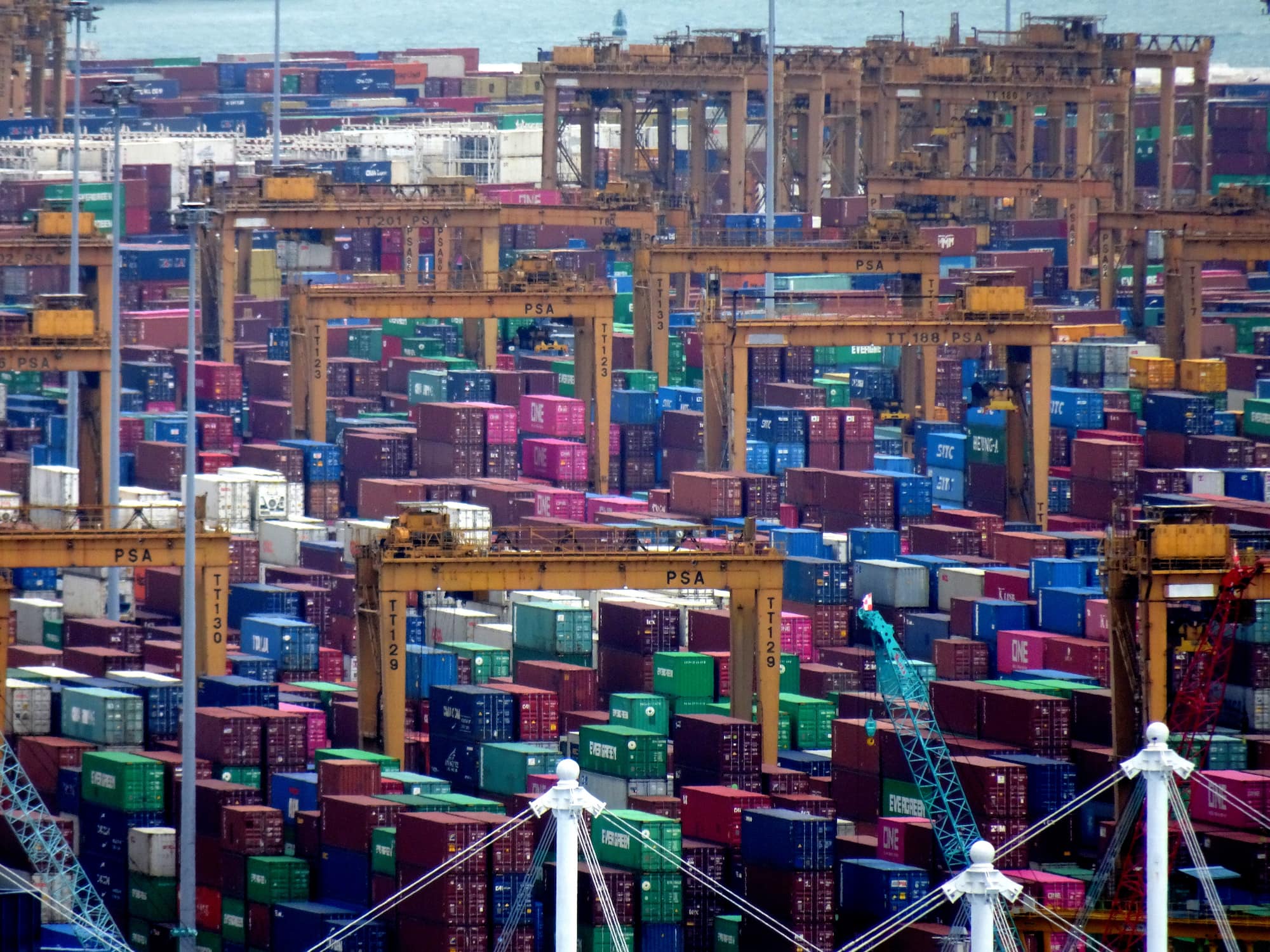
Over the last few weeks, an increase in container volumes has resulted in growing Singapore port congestion. The Port of Singapore is the 2nd largest seaport internationally, handling over 591.7 million tons of freight in 2023. Various international shipping circumstances have recently caused global backlogs across ports, with the Singapore port being an epicenter. A market intelligence firm report noted that nearly 450,000 TEU (Twenty-foot equivalents) are in the queue. For reference, this is a greater volume than the coronavirus pandemic. Shipping delays in the port have also doubled nearly in May, with vessels waiting almost seven days for a berth. What can the congestion mean for shipping as the peak season quickly approaches?
What Is Causing The Growing Singapore Port Congestion?
While different contributors are resulting in current port congestion, the Red Sea Crisis is one of the primary issues. In 2023, the Iseral-Hamas conflict in Gaza made its way to the Red Sea as militants struck multiple vessels. The sea connects to the Suez Canal, one of the significant artificial pathways for international shipping responsible for nearly 30% of the world’s container volume. As a result, containerships began rerouting to locations, such as the Cape of Good Hope in South Africa. A side effect of the conflict was an increase in off-schedule arrivals to ports like the Port of Singapore. When carriers arrive off-schedule, at the same time, it creates a vessel-bunching effect.
As more containerships remain outside the Port of Singapore, berth wait times increase. Vessels typically wait around half a day to dock at the port but currently take up to seven days. As a result, several ships have canceled their shipment to the port. However, that may create congestion for nearby ports. The Singapore port has responded to the jam with plans to open three additional berths later this year. Congestion has become a growing concern globally, with Asian and Mediterranean ports feeling a significant strain. The market intelligence firm also notes that nearly seven percent of global port capacity is currently congested. Usually, the number is between two to four percent.
What Will This Mean For International Shipping?
Geopolitical events like the Red Sea crisis have significantly affected shippers’ supply chains that move goods internationally. Along with rising transit times, another effect is that freight rates have increased over the last few months. The global container freight index has risen over 30% in May 2024 alone. Asia-North America West Coast spot rates have increased by over 70% since the end of April. If the existing trend continues, container rates could reach over $15,000 by the end of the year. Other situations affecting the rising prices include sudden demand increases, capacity constraints, equipment shortages, and rising fuel prices.
Although the current situation can seem intimidating, it should not stop the movement of cargo internationally. It is, however, essential that you are informed and protect your supply chain. Using the assistance of a 3PL (Third Party Logistics) provider is an ideal way to begin. 3PLs handle various parts of a shipper’s supply chain, including international and domestic shipping, storing, customs brokering, etc. 3PLs also offer consulting services to ensure you take the best actions for your supply chain. Reach A1 Worldwide Logistics at 305-425-9513 to find out about our numerous solutions for moving your shipment. We help you navigate the shipping world and move your goods to the final destination.
by A1 WorldWide Logistics | Jan 25, 2024 | Importing, Shipping Logistics, Supply Chain
Due to China’s significance for international trade, shippers may face challenges when importing during Chinese New Year. Making up roughly 14% of the world’s total exports, China is the largest exporter of goods globally. The Chinese New Year is a festival that celebrates the start of a new year in a lunisolar Chinese calendar. This year, the Chinese New Year will start on February 10th, 2024, and finish on February 24th, 2024. During the holiday, ports, shipping companies, and factories limit operations or shut down, which can cause supply chain disruptions. This article will explain how the Chinese New Year affects shipping and how to prevent delays when moving cargo.
What Should You Know When Importing During Chinese New Year?
Chinese New Year is a 15-day period where business and production in the country decrease. With China being a powerhouse in world trade, a slowdown has a significant impact internationally. A major impact is that supply chain disruptions can grow during this period. Along with factories closing for more than weeks, a considerable part of China’s population is on vacation. Companies that import goods from China may experience delays and unavailability. Meanwhile, there is an increase in demand in the weeks leading up to the holiday, which can mean port congestion. This is at a time when the ports are already operating at limited capacity.
Congestion is not only felt at the ports; trucking services for moving the cargo to its final location also feel the bottleneck. The increase in demand can mean higher shipping costs since there is limited capacity to match it. Along with increased freight rates, carriers may add charges like peak season surcharge. There is also a shortage of containers due to the demand during the holiday. Even after Chinese New Year finishes, businesses and manufacturers do not return to normal immediately. It can take over four weeks for companies to return to normal production levels. Shippers can feel the majority of the impact between mid to late February.
How Can You Protect Your Supply Chain
Because of the impact of the holiday, shippers that have to move their cargo internationally must be ready to prepare. Preparing for the Chinese New Year should be done weeks in advance. Planning ahead can mean booking container space beforehand or communicating your needs with your logistics provider. Using more than one supplier or supplier in different countries can also help. In a scenario where prices increase, using LCL (less than Container Load) is beneficial for your shipment. LCLs keep prices down and can help prevent delays since full container loads are necessary before the cargo can move. Using different methods of conveyance, like air or land, can also assist in avoiding delays.
As the Chinese New Year quickly approaches, it is essential that international shipping is not disrupted by delays or other issues. Another way to protect your supply chain is by talking to a logistics company. Using the help of a dedicated and experienced logistics provider can help you navigate the Chinese New Year. Reach A1 Worldwide Logistics at 305-440-5156 for a quote to move your cargo Internationally. We also provide customs brokerage services to clear your cargo when it reaches the U.S.

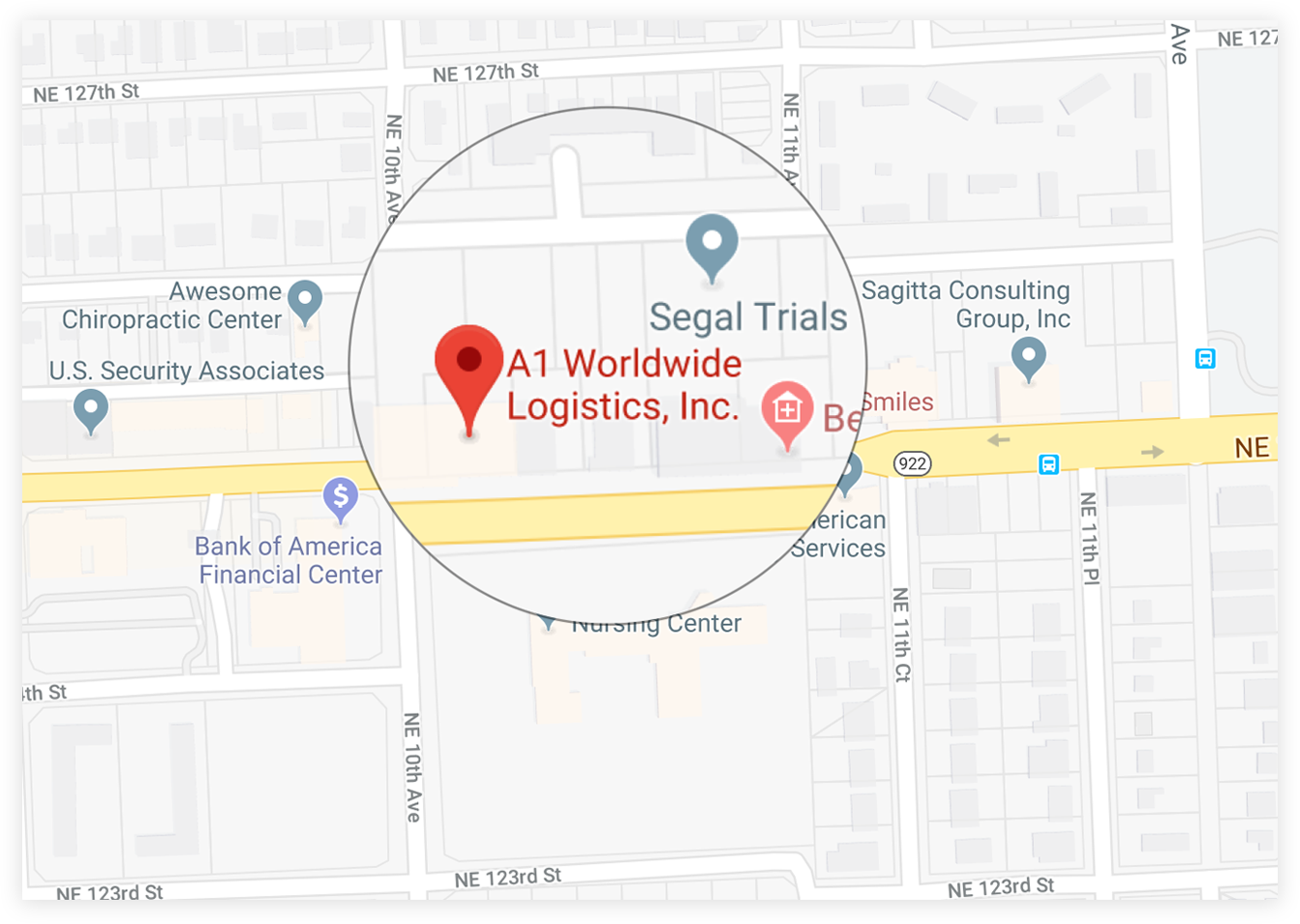
 1035 NE 125th St Suite #320, North Miami, FL 33161.
 a1worldwidelogistics.com
 (305) 821-8995
 Hours: 8AM - 5PM