by A1 WorldWide Logistics | Nov 12, 2025 | Air Freight, Economic trends, Importing
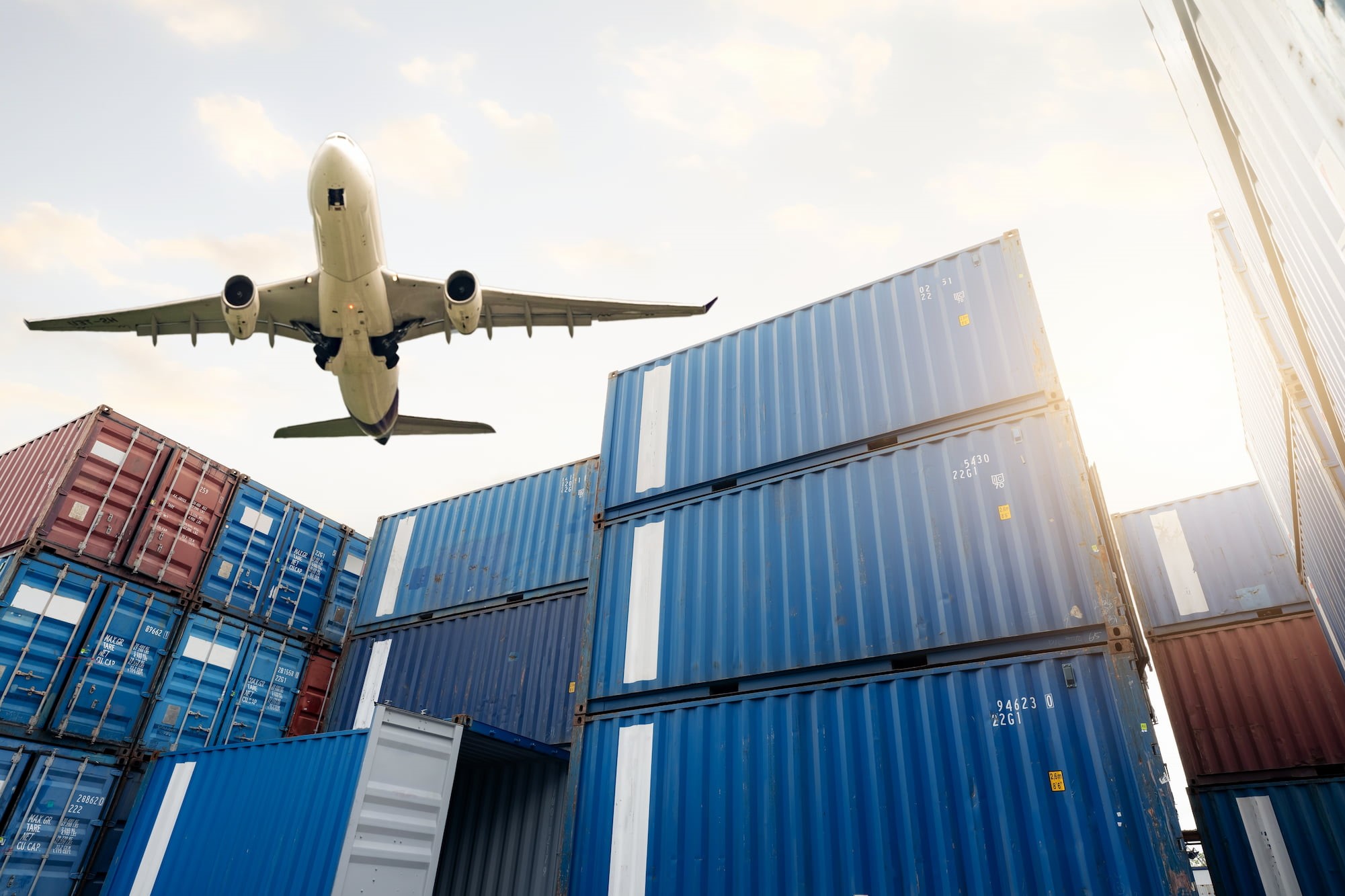
With the holiday season rapidly approaching, shippers could soon see the government shutdown impacting air imports. Since October 1, the US has been in a government shutdown that has currently reached 41 days. The shutdown occurred after Congress failed to pass the required appropriations bill for funding government operations. In particular, Senate Republicans blocked Democratic proposals for extending healthcare, while Democrats have rejected the GOP’s funding plan. Along with impacting sectors like the CBP (Customs and Border Protection), international shipping has also felt the shutdown. In addition to affecting various modes of transportation, such as sea and land, the shutdown has directly impacted air imports.
How Is The Government Shutdown Impacting Air Imports?
Soon after the government shutdown began, federal workers were furloughed and sent home without pay. Key partner agencies, including the CBP (Customs and Border Protection), EPA (Environmental Protection Agency), and the FDA (Food and Drug Administration), employed some of the workers. As a result of the agencies operating with limited staff, operations are also restricted. Inspections and certifications for imports arriving by air could be delayed, resulting in longer customs clearance times. On Friday, October 7, the FAA (Federal Aviation Administration) reduced travel capacity by 10% at 40 of the busiest airports. The reason was due to controller staffing shortages, which may soon intensify with the approaching holiday season.
A significant effect that the government shutdown could soon have on air cargo imports is longer lead times. This can be especially problematic if the goods are perishables or cargo that must be transported on an expedited schedule. The overall cost could also increase due to delays and potential rerouting to other airports. Demurrage costs resulting from an excessive backlog can further increase expenditures, which are spread across various supply chain components. In addition to impacting the shipper and carrier, the customer may also directly feel the effects of higher prices. In addition to having a ripple effect on supply chains, the shutdown could also strain economic growth.
How Can Shippers Protect Their Shipments?
Since the holiday season is a time of pressure for shippers, the government shutdown can add greater stress. Due to this, importers should take greater steps to protect their cargo during this time. To start, it is essential to book air cargo space in advance to avoid delays. Holidays like Christmas tend to lead to increased imports over usual, resulting in limited capacity. For less urgent freight, using alternative conveyance methods, such as ocean and land, can be beneficial. For potential delays, shippers can build buffers and plan for various scenarios, factoring them into their supply chain timelines. It is also essential that all documentation is correct to prevent delays during the customs clearance process.
Transporting freight during a government shutdown can seem daunting, but it should not stop the flow of goods. The shipper should, however, take the proper steps to prevent disruptions to their supply chains. Another way to protect your shipment during this time is by reaching out to a freight forwarder. Forwarders are individuals or companies that organize cargo movement on behalf of the shipper. They achieve this by offering a range of services, including international and domestic shipping, customs clearance, warehousing, document preparation, and additional support. A1 Worldwide Logistics offers forwarders and other solutions to ensure the success of your shipment. Speak to our forwarders at info@a1wwl.com or 305-425-9752 to begin moving goods into and out of the US.

by A1 WorldWide Logistics | Oct 1, 2024 | East Coast Protests, Economic trends, Shipping Logistics
After months of failed negotiations, the ending of a contract has resulted in the ILA port strike beginning. International Longshoreman Association (ILA) dockworkers have begun protesting across East and Gulf Coast ports. Their six-year contract with the United States Maritime Alliance (USMX) ended on September 30th. The last time this happened with the ILA was in 1977, when workers walked off ports for seven weeks. With the size of the ILA, the strike will have numerous effects on global trade.
How Did This Port Strike Come To Be?
On May 13th, 2024, the ILA and USMX said they would negotiate a new contract in a few days. In particular, the ILA is fighting for a 32% hike in wage increase, similar to the ILWU in 2022. The ILA is also protesting for higher pensions and against using automation at ports. In a video the ILA released on September 4th, President Harold Daggett said, “Mark my words, we’ll shut them down.” In response to the video, the USMX gave an update on whether they were satisfied with their new contract offer. The USMX noted in that update that they would continue negotiations with the ILA if possible.
The Biden Administration noted that it would not intervene in the negotiations and use the Taft-Harley Act, causing a cool-off period. Various agricultural groups urged the white house, ILA, and USMX to continue talks. However, it was not successful. Currently, major ports across the East and Gulf Coast are shut down by the strike. At Port Houston, nearly 50 workers started picketing around midnight with signs saying, “No Work Without A Fair Contract.”
What Does The ILA Port Strike Beginning Mean For International Shipping?
The ILA is a union with thousands of workers across 36 East and Gulf Coast ports. They handle nearly half of the U.S.’s ocean shipments. Due to its size, the strike has significant implications for the international shipping industry. One of the pronounced impacts is that a strike could delay global shipments for imports and exports. Port shutdowns could cause a backlog of vessels not being unloaded, leading to congestion. Weeks before the strike, shippers rerouted cargo to West Coast ports like the Port of Long Beach. That may also lead to delays in the near future as the cargo volume rises.
Analysis reports that the strike can cost the U.S. economy nearly $5 billion daily. Another impact of a strike is that goods become scarce due to delays. The effect of scarcer imports can lead to price hikes for various products like foods and electronics. With the holiday season nearing, prices for limited goods could rise further. Extra costs will also come from added expenditures from international shipping and trucking companies.
Some industries affected by the walkout include retailing, manufacturing, construction, and farming. While a port protest can seem daunting, it should not stop you from transporting your cargo. However, Shippers should be prepared and understand what they can expect when shipping internationally. You can do this by constantly checking news and website sources and contacting logistics providers. To stay updated on the ILA strike and determine the appropriate steps, contact A1 Worldwide Logistics at info@a1wwl.com or 305-440-5156. We understand the importance of your cargo’s movement and find the best solutions for your supply chain.
by A1 WorldWide Logistics | Sep 12, 2024 | East Coast Protests, Economic trends, Shipping Logistics
Threats of an ILA walkout are causing the shipping industry to be concerned with the potential impact of a strike. The International Longshoreman’s Association (ILA) will stop working on October 1st when their six-year contract ends. Along with higher wages, other issues include benefits and automation. Talks with the United States Maritime Alliance (USMX) regarding a new contract addressing these concerns have remained unsuccessful. Despite the ILA’s demands, USMX remains unchanged on their current offer. The ILA’s president, Harold Daggett, recently said in an ILA-released video, “Mark my words, well shut them down.” A strike will impact many supply chains that rely on shipping freight internationally.
What Is The Potential Impact Of A Strike?
Due to the ILA’s size, a potential strike can significantly impact the shipping industry differently. The ILA is a union of 45,000 workers in three dozen ports across the East and West Coast. These ports are responsible for approximately 43% of all imports that come into the U.S. The main effect of a strike will be a halt of cargo movement through the ports. As imports and exports stop moving, containers will begin piling, leading to port congestion. Due to congestion, supply chains transporting cargo internationally could experience massive delays in loading and unloading times. A week-long strike may take over five weeks to clear and may even last until 2025.
The disruption from the strike may also impact shipping costs for importers and exporters. When port closures happen, shipping companies raise freight rates due to limited capacity. As vessels pile up in the ports for unloading, it leads to demurrage and detention fees that goes the shipper. To mitigate the delay, more shippers are rerouting their shipments to West Coast ports. Rerouting may become an issue for West Coast ports since it can cause congestion, leading to delays. Similarly, importers could switch to other conveyance methods like land and air. However, this may lead to other expenditures.
Different Sectors Are Urging the ILA And USMX To Come To An Agreement
Different sectors, like the retail and manufacturing industries, have been mainly concerned with the effect of a strike. These industries are pushing the parties to agree to alleviate a potential multibillion-dollar disruption. With the holiday season quickly approaching, companies have already started taking action. The National Retail Federation (NRF) vice president notes, “Many have taken steps to mitigate the potential impact by bringing in products earlier and frontloading the peak shipping season or by shifting products back to the West Coast.” A fear is that retailers will not be able to stock shelves on time for the holidays. Manufacturers’ assembly lines may also shut down if they do not receive the necessary materials on time.
Other industries, like construction, automotive, and farming, will also feel the impact of a strike. Ports with ILA dockworkers like Houston and Savannah import tons of materials for these industries yearly. On a large scale, the economy will feel the effect, and supply chains globally will also feel the effect. While a potential strike can seem daunting if you are a shipper, it should not stop your cargo’s transport. Reach A1 Worldwide Logistics at info@a1wwl.com or 305-425-9513 for any concerns regarding your shipment. Along with educating you on what to expect, we provide transparency and real-time updates on your cargo’s status.

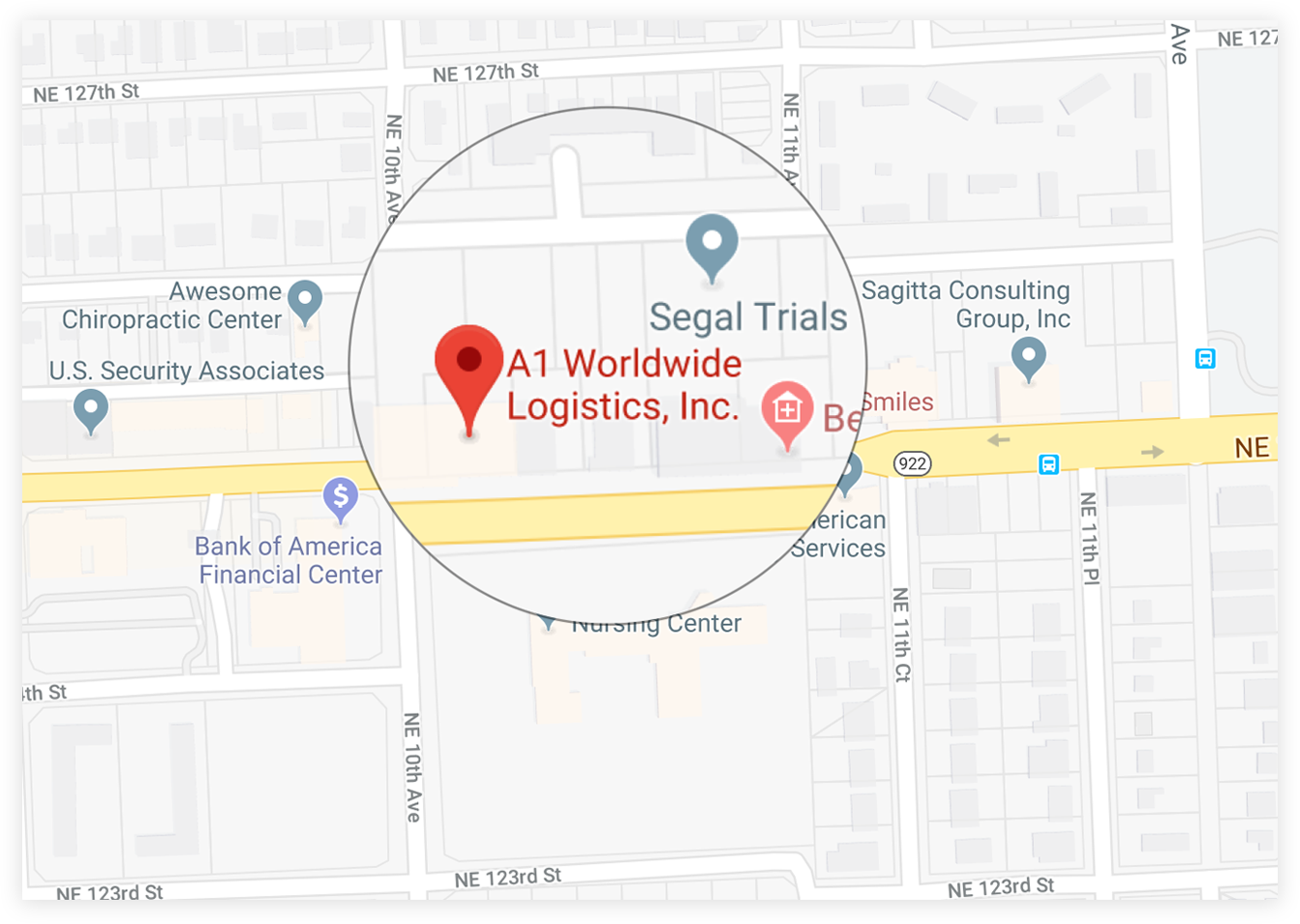
 1035 NE 125th St Suite #320, North Miami, FL 33161.
 a1worldwidelogistics.com
 (305) 821-8995
 Hours: 8AM - 5PM