The Generalized System of Preferences Ends New Years Day
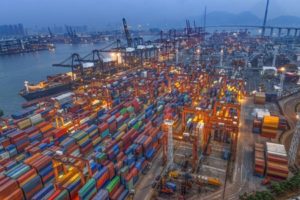
The GSP has been a provision of duty-free treatment to goods of designated countries since 1976. Designed to expire for reevaluation regularly, it is finally being left to expire in the new year.
Is this a good thing or a bad thing for trade? This was designed to make it easier for smaller countries to increase trade with our country, but does that mean it was an expense for those foreign goods to reach our shores?
Who will be affected?
Currently, there are 30+ countries that are relying on and depending on the GSP for specialty tax tariffs to make their trade more sustainably profitable.
Of those thirty countries, numerous GSP additions are relevant to specific trades.
There are too many industries being minutely affected by these changes to cover in one article. But if you want to know more, there is a detailed list and breakdown of this information here, make sure to choose the countries you know you are dealing with.
While the GSP is beneficial for many trade industries, it does seem that the current presidents own USTR are disregarding the GSP for the near future. You can read their official stance on the matter here.
But all is not lost. If you are worried that your trade routes will be affected by these changes, you can rest assured knowing that these lapses have occurred in the past before. In 2013 these changes lapsed for two years before being renewed in 2015.
After the renewal occurred, all the trade routes that were affected were also dealt a refund for the tariffs lost during that period.
In the short term, check to make sure and brace for a higher tax and import rate for your trade, however, do expect it to be repealed within the next few years as history often repeats itself.
We’ve all seen them, large transport trucks hauling great containers holding quantities of goods, machinery or textiles. Well as it turns out there is a bit of an issue with these transports. It isn’t that they are unsafe or faulty, or that there are not enough drivers able to do the job. It is something altogether a little more unusual; transport companies are running out of container chassis.
What is the Chassis?
A transport chassis is an exclusive trailer or undercarriage used to transport ocean containers over the road.
What is the Issue?
It is not the fault of the locations providing the chassis to the companies, as they keep records of which transportation company the chassis is with, but more so what occurs after their pick-up. It has been noted that they fall into a kind of “Black Hole” of sorts, not knowing when they will reappear at their end arrival. Not knowing when transport will return from its location is a serious issue as the terminal will be unable to keep a proper inventory.
A follow-up issue is not just the destination of the goods, but also the chassis itself. It appears that as opposed to returning the chassis to its start location drivers, at around 50 percent are dropping the chassis off at a different location. The apparent issue here is that this leads to a surplus of chassis at some locations and a demand for them at others.
In correlation to not only having an unsure supply of chassis, but warehouses are also bleeding funds into relocating them back to their original hubs. The Old Dominion research project determined that 80 percent of chassis relocation was unnecessary and in Southern California alone costs for a pool of pools around $20 million a year.
What Does the Future Hold?
As of yet there have not been any definitive solutions devised there are a few ideas in the works. The most obvious one is outfitting the chassis with GPS tracking devices, though the cost at this moment is still too high. Another idea is for motor carriers to purchase their chassis or taken the equipment out on long-term leases, this will lead to a reliance on the transport company but also keep the warehouse from having to spend extra money returning the chassis to the original storage building.
Everything changes through time, that is how it survives. This is true for living animals, plants and even organizations. One such industry that is looking to change with the times is international shipping; as being responsible for about 3% of global greenhouse gas emissions has brought to light the problem the world is facing with this group.
The International Maritime Organization (IMO), the global standard-setting authority for the safety, security and environmental performance of international shipping, is seeking alternative fuels. Though initially biofuels will be used, the future of water-based shipping is believed found in hydrogen.
Why Hydrogen?
Pro-Environment- Motors that run off of electricity generated from a hydrogen fuel cell produce no emissions.
Hydrogen fuel cells in shipping engines will help put a substantial dent in the number of pollutants being produced on the planet, helping clean up our atmosphere.
Easier Access- With the inclusion of batteries and a device known as an electrolyzer, the entire system can produce hydrogen from seawater. This is a naturally abundant resource and could help with maintaining an ever-present fuel supply.
What Does that mean for Shipping Costs?
Many companies may see this rise in a new fuel source as being all fine and good, but the but most businesses are looking for the bottom dollar here. Will this effect shipping costs, will I have to pay more for fuel, what about the price of converting over to these new engines?
The first hydrogen being the cleaner of the two fuels means it would limit the pollutant emissions, and thereby the company itself would not have to worry about overstepping boundaries set up and fined for their infractions.
Next to consider is fuel cost and the effectiveness of it. Seeing as the easy access to hydrogen energy via the application of an electrolyzer as stated earlier in writing. This allows for a more readily and cost-effective supply of energy. Now that being said hydrogen is not perfect, hydrogen power cells have a lower limit of energy storage than their counterparts.
And finally, with the production of fuel cells on the rise, as many more companies have already mapped out their plans to embrace the change from fossil to renewable fuel, so too will the cost of the fuel cells go down.
The Future is on its Way
We are not manning the same vessels we had one hundred years, fifty years or even in many cases ten years ago, so why should we be using the same fuel. This could be the dawning of a new era in fuel, with it becoming more efficient, cost-effective and cleaner than it has ever been. Make sure you are not left behind.
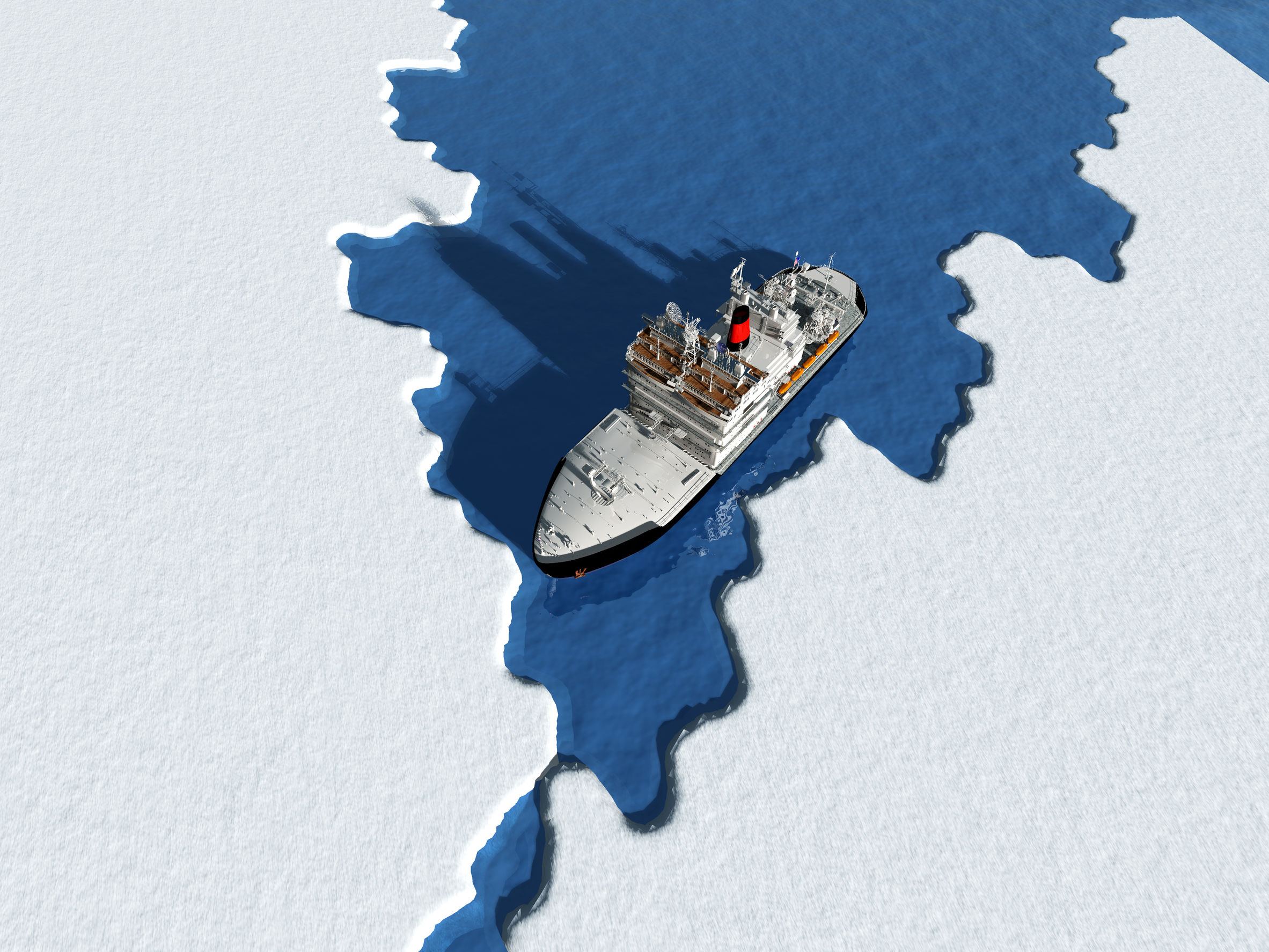
Last year, during August, the Russian Icebreaker the Christophe de Margerie burst into maritime headlines as it completed a record-setting journey of the Northern Sea Route (NSR). The Christophe de Margerie completed a 2,193-nautical mile journey through the NSR in just under seven days, nearly thirty percent faster than the traditional Suez Canal route.
But what does this mean for international transport?
This shows that there is a possible newer and faster route opening up for possible freight transport.
Let’s take a closer look at what this means as a whole for the international shipping industry.
Maritime Traffic in the Arctic
Though maritime traffic already exists within the Arctic, this primarily consists of bulk cargo vessels transporting natural resources. The Christophe de Margerie opens up many new possibilities for international transport.
Perks and Drawbacks
The benefits of using this route are pretty evident, its length. Because of its location at the northernmost part of the Earth, the traveling distance is condensed, allowing for a more direct traverse to become transported. The Northern Sea Route taken by some of the most significant manufacturing countries and continents such as the U.S., Russia, Asia and Europe. With that the amount of fuel these countries consume to transport their goods will go down, leading to a decline in fuel costs.
The drawbacks are pretty evident too. The Arctic is as unforgiving an environment as you can get. With temperatures dropping to around negative one hundred, this can damage the machinery powering a ship. This alongside much of the Arctic still being filled with thick ocean ice means the environment is doing everything it can to halt the ship’s travel. The ice floes that exist in the Arctic are unpredictable and can impede a ship’s voyage through the Arctic. All of these elements can also endanger those aboard the boat, causing injury and fatigue to be a worrisome possible side effect.
Is it Viable?
The world of technology is changing and advancing every day. With new ships being modeled and built in the same vein as the Christophe de Margerie the future of expedited maritime shipping can lead us north, to the seas of the Arctic. Commercial transportation is viable through the Northern Sea Route.
Last year saw a couple of impressive growths regarding airfreight and transportation. We saw a year over year (YOY) growth of 4.5 percent for worldwide air cargo volume. Playing off of this fact airfreight saw a 9 percent growth, which is the most significant growth since 2010. Now, this all sounds well and good for last year, but what does that mean for a year that we have only been in for a month?
An Optimistic Future
During the beginning of January, a survey done by a passenger and cargo executives for the IATA Airlines Business Confidence Index. They found that there was an improvement in the year-on-year profitability in the final quarter of the year. The
IATA expects a robust demand growth on both freight and passenger sides of the business.
There are some who believe airfreight shipping will take a hit due to the rising price of fuel, but the overall consensus is that this deficit will counteract from the from the final estimate.
There seem to be many conflicting ideas over how the profits will change throughout the year, but they seem mostly positive. The survey found that 41 percent reported an annual increase in freight yields, which was the second highest share since July 2011.
The purpose this survey has served is to identify some specific company’s profit increase over the previous year. They then run this parallel to earlier years in which the profit percentage increase mirrors that of those years. They can then see what the pro
fit increase for the following year was like, and can then make an educated estimation of how the coming year will be.
With the committee that did this research assured that this year would see an increase in air cargo profits.


 The GSP has been a provision of duty-free treatment to goods of designated countries since 1976. Designed to expire for reevaluation regularly, it is finally being left to expire in the new year.
 It is not the fault of the locations providing the chassis to the companies, as they keep records of which transportation company the chassis is with, but more so what occurs after their pick-up. It has been noted that they fall into a kind of “Black Hole” of sorts, not knowing when they will reappear at their end arrival. Not knowing when transport will return from its location is a serious issue as the terminal will be unable to keep a proper inventory.

 Is Arctic Maritime Travel a Possibility?
 distance is condensed, allowing for a more direct traverse to become transported. The Northern Sea Route taken by some of the most significant manufacturing countries and continents such as the U.S., Russia, Asia and Europe. With that the amount of fuel these countries consume to transport their goods will go down, leading to a decline in fuel costs.


 1035 NE 125th St Suite #320, North Miami, FL 33161.
 a1worldwidelogistics.com
 (305) 821-8995
 Hours: 8AM - 5PM