The Court of International Trade (CIT) has recently announced a class action for IEEPA refunds. On October 8, the CIT said the class action will allow refunds to importers who imported cargo under the now-illegal International Emergency Economic Powers Act (IEEPA)...
Elegir el agente de aduanas adecuado es una decisión importante para cualquier empresa o persona que importe mercancías a Estados Unidos. Su agente de aduanas puede ayudarle a preparar su declaración de aduanas, clasificar sus productos, calcular los aranceles,...
Choosing a customs broker is an important decision for any business or individual importing goods into the United States. Your broker can help prepare your customs entry, classify your goods, calculate duties, manage documentation, and communicate with U.S. Customs...
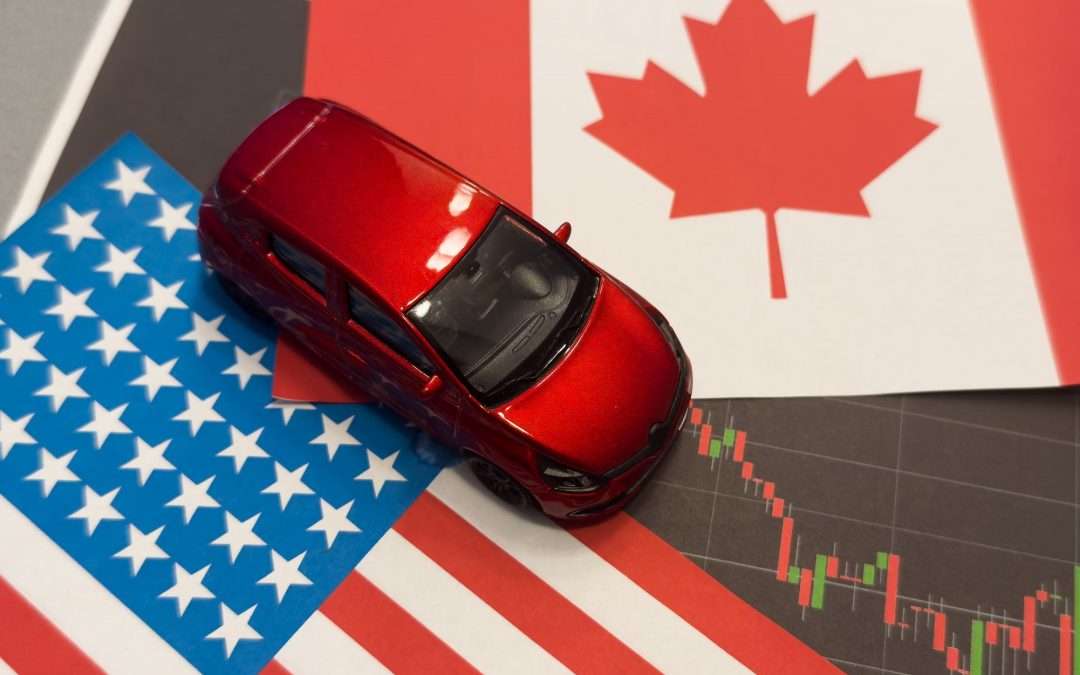
Although importing cars from Canada can benefit importers and businesses, it can be confusing for the average shipper. Canada’s proximity to the US makes cross-border vehicle transportation relatively accessible. In addition to offering easy access, Canada is an...
Is Arctic Maritime Travel Possible?
Share This Article
Is Arctic Maritime Travel a Possibility?
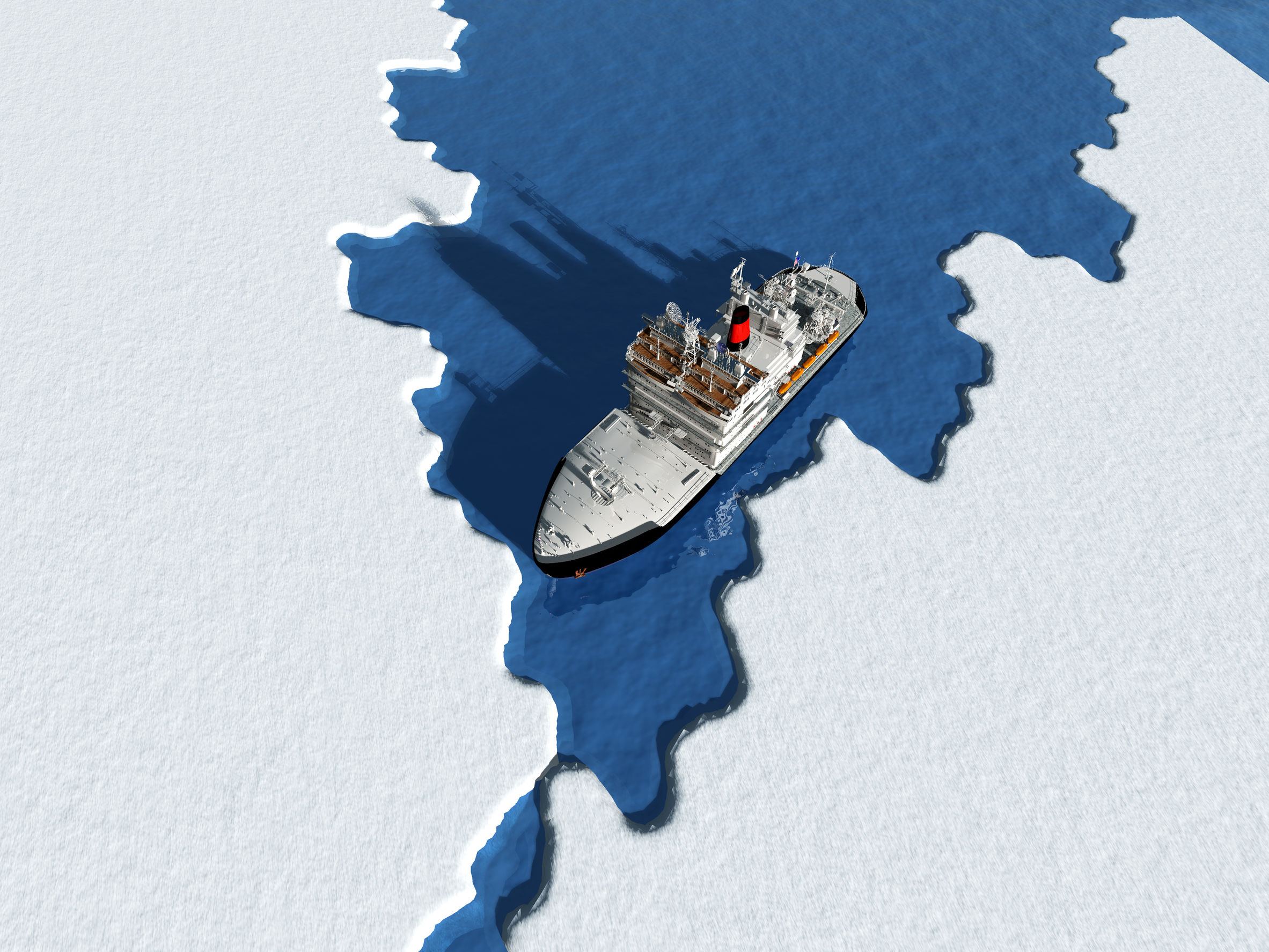
Last year, during August, the Russian Icebreaker the Christophe de Margerie burst into maritime headlines as it completed a record-setting journey of the Northern Sea Route (NSR). The Christophe de Margerie completed a 2,193-nautical mile journey through the NSR in just under seven days, nearly thirty percent faster than the traditional Suez Canal route.
But what does this mean for international transport?
This shows that there is a possible newer and faster route opening up for possible freight transport.
Let’s take a closer look at what this means as a whole for the international shipping industry.
Maritime Traffic in the Arctic
Though maritime traffic already exists within the Arctic, this primarily consists of bulk cargo vessels transporting natural resources. The Christophe de Margerie opens up many new possibilities for international transport.
Perks and Drawbacks
The benefits of using this route are pretty evident, its length. Because of its location at the northernmost part of the Earth, the traveling distance is condensed, allowing for a more direct traverse to become transported. The Northern Sea Route taken by some of the most significant manufacturing countries and continents such as the U.S., Russia, Asia and Europe. With that the amount of fuel these countries consume to transport their goods will go down, leading to a decline in fuel costs.
The drawbacks are pretty evident too. The Arctic is as unforgiving an environment as you can get. With temperatures dropping to around negative one hundred, this can damage the machinery powering a ship. This alongside much of the Arctic still being filled with thick ocean ice means the environment is doing everything it can to halt the ship’s travel. The ice floes that exist in the Arctic are unpredictable and can impede a ship’s voyage through the Arctic. All of these elements can also endanger those aboard the boat, causing injury and fatigue to be a worrisome possible side effect.
Is it Viable?
The world of technology is changing and advancing every day. With new ships being modeled and built in the same vein as the Christophe de Margerie the future of expedited maritime shipping can lead us north, to the seas of the Arctic. Commercial transportation is viable through the Northern Sea Route.
Descubra cómo elegir una empresa de transporte internacional de mercancías, comparar opciones aéreas y marítimas, preparar documentos y calcular costos logísticos.
DDP stands for Delivered Duty Paid. Under this shipping term, the seller arranges transportation to the agreed destination and handles export and import clearance, including the applicable import duties and taxes. The goods are delivered to the buyer ready for...
CIF and FOB are shipping terms that define the buyer’s and seller’s responsibilities. Under CIF, the seller arranges and pays for ocean freight and cargo insurance to the named destination port. Under FOB, the buyer arranges and pays for the main ocean journey, and...
Ocean freight, also called sea freight, is the transportation of goods by ship. Businesses use it to move commercial cargo between countries, from a few pallets in a shared container to full-container orders and oversized equipment. For a U.S. import, the shipment...
LCL shipping, short for less than container load, lets your business move ocean freight in a container shared with other shippers. You book space for your cargo instead of reserving a whole container. For a business importing a few pallets at a time, that can make...


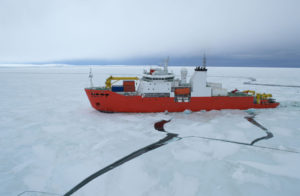 Is Arctic Maritime Travel a Possibility?
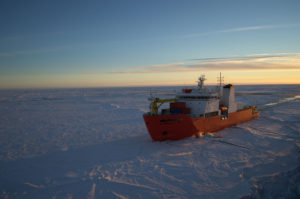 distance is condensed, allowing for a more direct traverse to become transported. The Northern Sea Route taken by some of the most significant manufacturing countries and continents such as the U.S., Russia, Asia and Europe. With that the amount of fuel these countries consume to transport their goods will go down, leading to a decline in fuel costs.