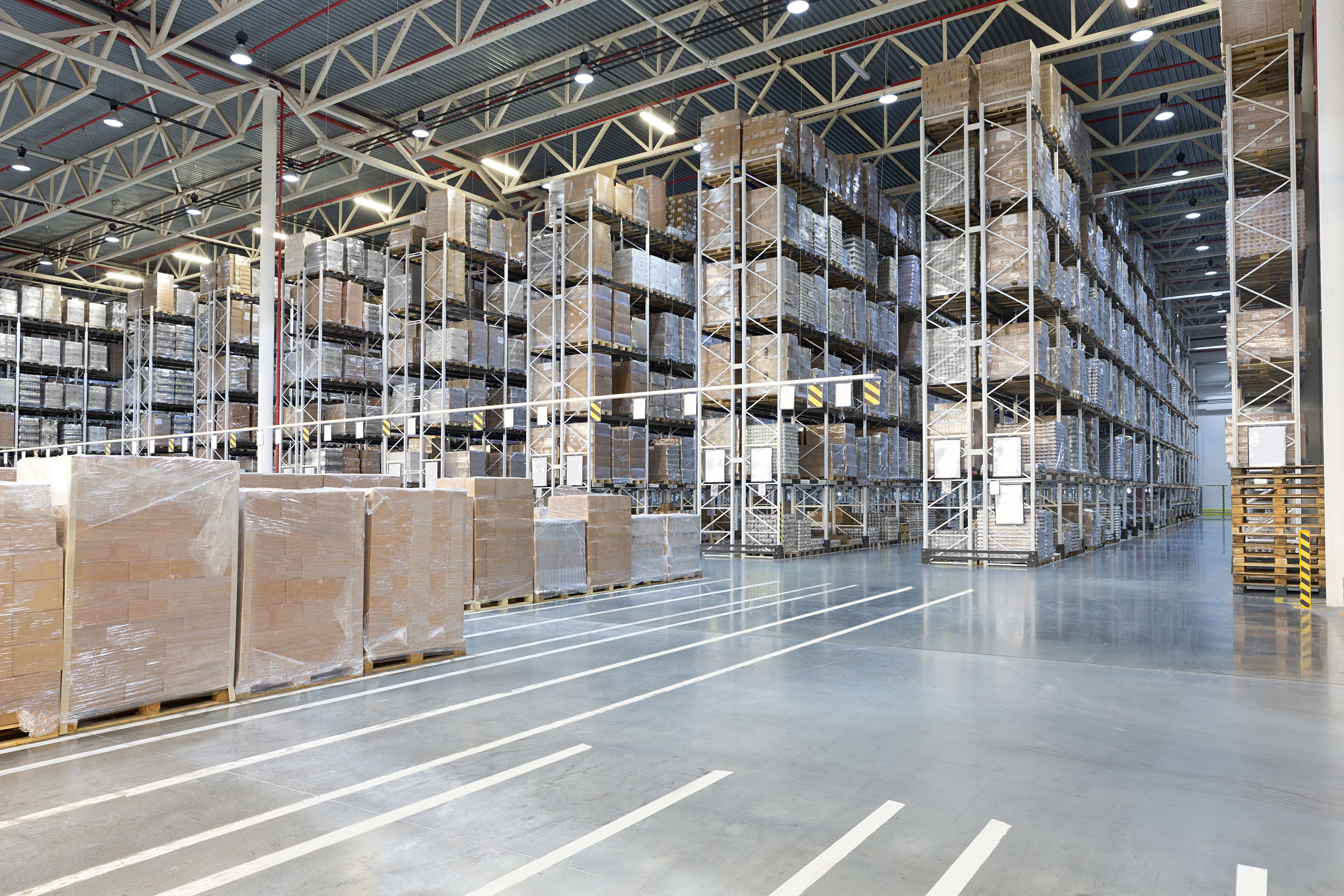
When not transporting your goods, you will need to find a location to store them. This is where a warehouse becomes a vital necessity. But, considering you are housing valuable items meant to bring in revenue to your company you may be wary, or concerned as to where you choose to store your goods. Allow us to give you some tips on things to look out for when selecting the warehouse; you wish to hold your items.
Dock Doors
Look at the doors. Get a sense of their size, the type, the number and location of the entries. These will determine the efficiency at which you will be able to transport your goods, too and from, the site.
Location and Accessibility
The location of the warehouse is essential in determining if it can be a reliable place to store goods. Does the site have freight fans or drayage expense? What is its proximity to quality labor or other resources?
Accessibility from freeways is essential, as closer proximity will allow for a more comfortable time regarding picking up and dropping off of goods. This goes into their availability to rail as well; this could potentially bring in rail carrier and interchange expenses.
Ceiling Height
This may sound silly, but it has to be taken into account. It must be appropriate for the commodities to be stored. The ceiling is too high can increase the cost of real estate, taxes, utilities, etc., and also low can reduce storage efficiencies.
Make sure that the offering price established for the warehouse matches the current market price of it. Do not let the warehouse owner have the ability to take advantage of you.
As the times change, so too does our technologies advance as well, where once there were wagons pulled by horses, now we have automobiles. Where there was coal powered trains, now many trains run on a combination of diesel and electricity. Everything changes, so the question examined, what is the future of transporting goods? We’ve seen an advance in trains and planes, but what about automobiles? Well, let’s take a look and answer “What is the future of truckload transportation?”
The Factors of the Future
There have been a lot of reasons rising lately as to what the future of shipping holds. Here are a few of the more substantial reasons as to why so much thought and concern brought to this discussion.
Capacity Concerns
Because of many carriers going bankrupt during the recession and others downsizing their fleets, there has been a reduction in capacity. This has not been an issue as of yet, but judging from the potential economic pickup, many shippers are concerned that truckload capacity will significantly tighten.
Fuel
With the constant shifts in the price of diesel, it is quite hard to judge if the fuel prices will benefit from hinder the transportation companies. As last reported, there appears to be an increase in the cost of diesel fuel as of this month.
Sustainability
Many companies are showing renewed interest in sustainability these days, and they are taking action on various fronts to improve the sustainability of supply chains.
What Happens Next?
Due to these issues, many shippers have moved a significant volume to intermodal, rail, and private fleets, and are making changes to packaging and investing in load optimization software to fit more products per case, pallet, and trailer, which results in fewer truckload shipments.
As is the case with all businesses, productivity connected to the positivity, the workforce feels good about the company they work for. Several locations that someone would want their employees to be working efficiently to make sure that everyone there is doing their job correctly and as safely as possible; a warehouse would be one of these critical locations. With the valuable supplies stored there, many of which could easily be seen as cumbersome and potentially dangerous if attention is not given correctly to these goods. Now to make sure you are running a tight ship regarding your warehouse crew, allow us to provide you with some tips that you may not consider when leading your team.
Keep to Your Policies
Rules, guidelines, policies, etc. being in place are significant to have in place. These rules will allow for your team to know the expectations of them, and what will be the repercussions if these policies don’t become followed. It is vital that the rules you set up are fair, that you avoid nepotism, and that you stick to your guns; if your team notices that you are not following through when a guideline doesn’t become correctly followed or if individual members not treated equally can create dissension in the ranks, and lead to hostel employees.
Continue Process Improvement
Though sticking to specific guidelines is essential on a daily level, you may find that change is needed to improve the efficiency of the warehouse. Continually evaluate the existing processes and procedures and the timely implementation of necessary changes. Make sure that any differences that take place are explained and understood by your team.
Ask for Help
If you find yourself in need of help, ask for it. This does not show weakness or an inability of being a good leader; it shows that you are human and need assistance. With professional warehousing services that can help you with designing, executing and managing your warehouse and distribution.
Lead from the Front, Not from the Office
To truly understand what is going on in your warehouse, and what is going on with your team, there will be times you will need to be down on the floor getting your hands dirty. Walk the floor, talk to employees, and see how your employees are implementing your policies. This also shows the employees that you are willing to get down and work alongside them, which helps raise team morale.
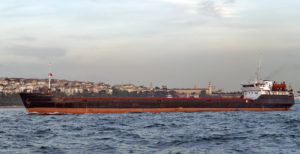
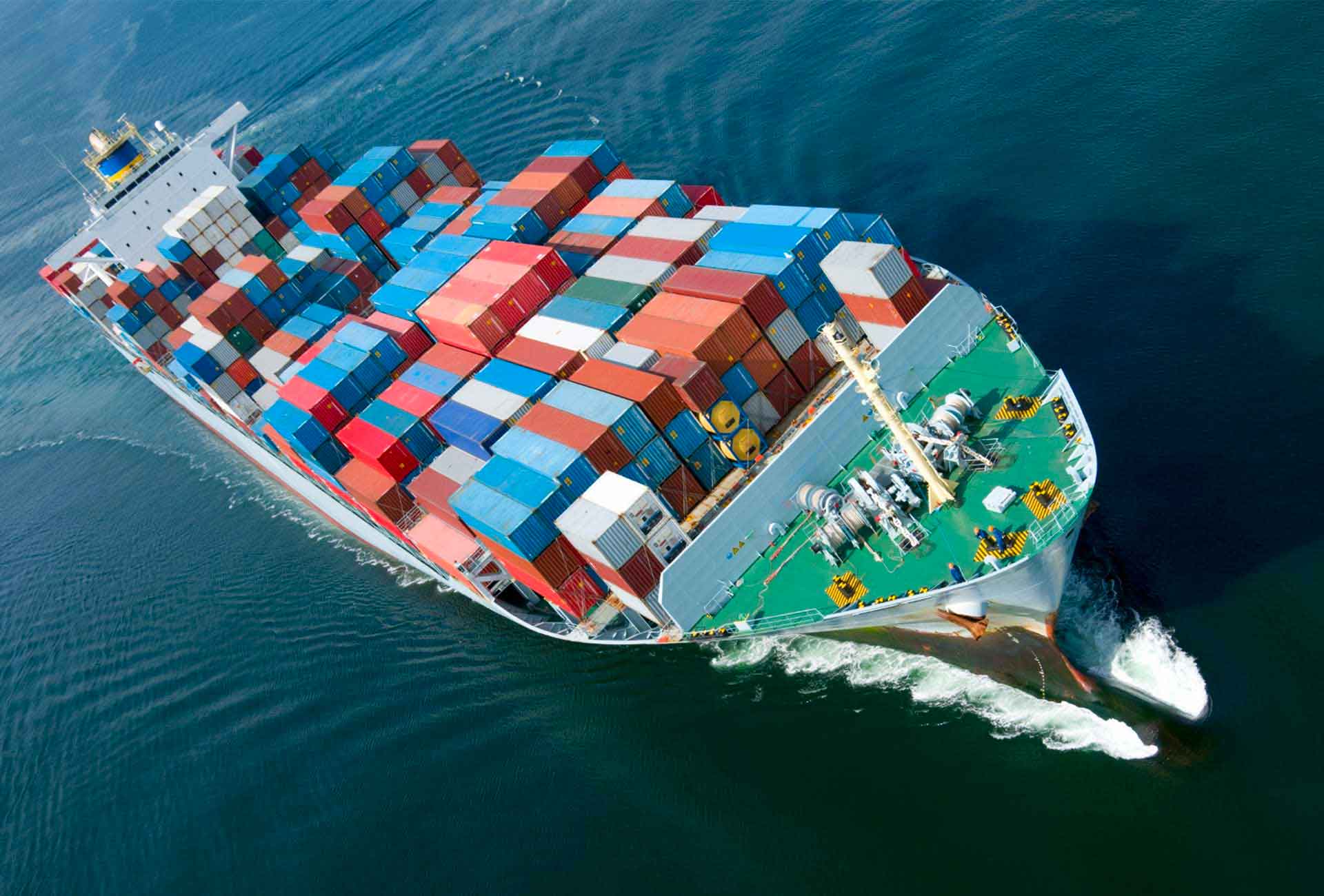
It was a Saturday like any other, standard water traffic in Istanbul’s Bosporus strait when tragedy struck in the form of a looming cargo ship. A large cargo ship seemed to lose control, and barrel into one of the waterside locations populating the coast of the strait. But there is more to this story than just a ship hitting a house, and there are questions to be asked about the situation as a whole.
Why did it happen?
On Saturday, April 7th, the date of the accident, it had been reported that the cargo ship suffered an accident that resulted in the rudder being disabled and led to its uncontrollable collision course with a building. This is an unusual occurrence, seeing as Malta’s have a long tradition as a maritime service provider, and therefore only makes sense that they would keep their ships and crews up to date. As more information on the incident reported, essential information on the event will become revealed. Hopefully, this is not the cusp of a tide of rudder issues with this company’s freight ships.
What did it strike?
There seems to be a great deal of focus on the location the cargo ship struck, and there is an excellent reason behind this, it is a part of history. The structure in question is the red seaside mansion of Hekimbasi Salih Efendi. This mansion once belonged to a doctor who served in the Ottoman palace and dates back to the 18th century. Everyone is hoping the damage suffered by the mansion will be able to be repaired and avoid being taken down altogether.
Why the Straight?
Now the straight, with all of these locations littering the outskirts of it may not seem like the ideal waterway in transporting a 738-foot cargo ship through; however, the Bosporus is the crucial waterway connecting the Black Sea and the Sea of Marmara and the Aegean Sea. This makes it the primary route to take when it comes to maritime travel in this location. There is no real way in getting around it.
Here is a video of the event occurring. Please note there is some strong language.
Throughout the year agreements, laws, and programs will enact incongruence that will alter the state of things in the world of shipping. One such program renewed for the following year is the Generalized System of Preferences, or GSP, which will be repeated and will go back into effect on April 22nd. Let us go over what it is, and what this means for the U.S. shipping companies that this will have the most significant impact.
What is the GSP?
Established by the Trade Act of 1974 the Generalized System of Preferences (GSP) is a U.S. trade program designed to promote economic growth in the developing world by providing preferential duty-free entry for up to 4,800 products from 129 designated beneficiary countries and territories.
What Does This Mean?
Economic Growth for the Developing World
The GSP will help developing companies by aiding in their diversity and growth of trade with the U.S. The program will reduce the costs these countries will have to pay on trade due to the duty-free entry of products.
Supports U.S. Jobs
By moving GSP imports from the docks to the U.S. consumers and manufacturers, it supports tens of thousands of jobs in the U.S. It is especially important to the small businesses, relying on the programs’ duty saving to help them stay competitive.
Promoting of Values
The GSP supports progress in these countries; it also promotes growth by beneficiary countries in affording worker rights to their people, enforcing intellectual property rights, and in helping the rule of law.
If Congress passes the new GSP bill, it will extend the GSP until December 31, 2020. The bill will also include a provision allowing Customs to apply GSP retroactivity to entries between December 31, 2017, and the date of the reauthorization. Currently, importers are allowed to flag entries as “GSP eligible” in anticipation of future reauthorization, despite these importers are paying MFN rates until reauthorizing GSP.

 Dock Doors
 This may sound silly, but it has to be taken into account. It must be appropriate for the commodities to be stored. The ceiling is too high can increase the cost of real estate, taxes, utilities, etc., and also low can reduce storage efficiencies.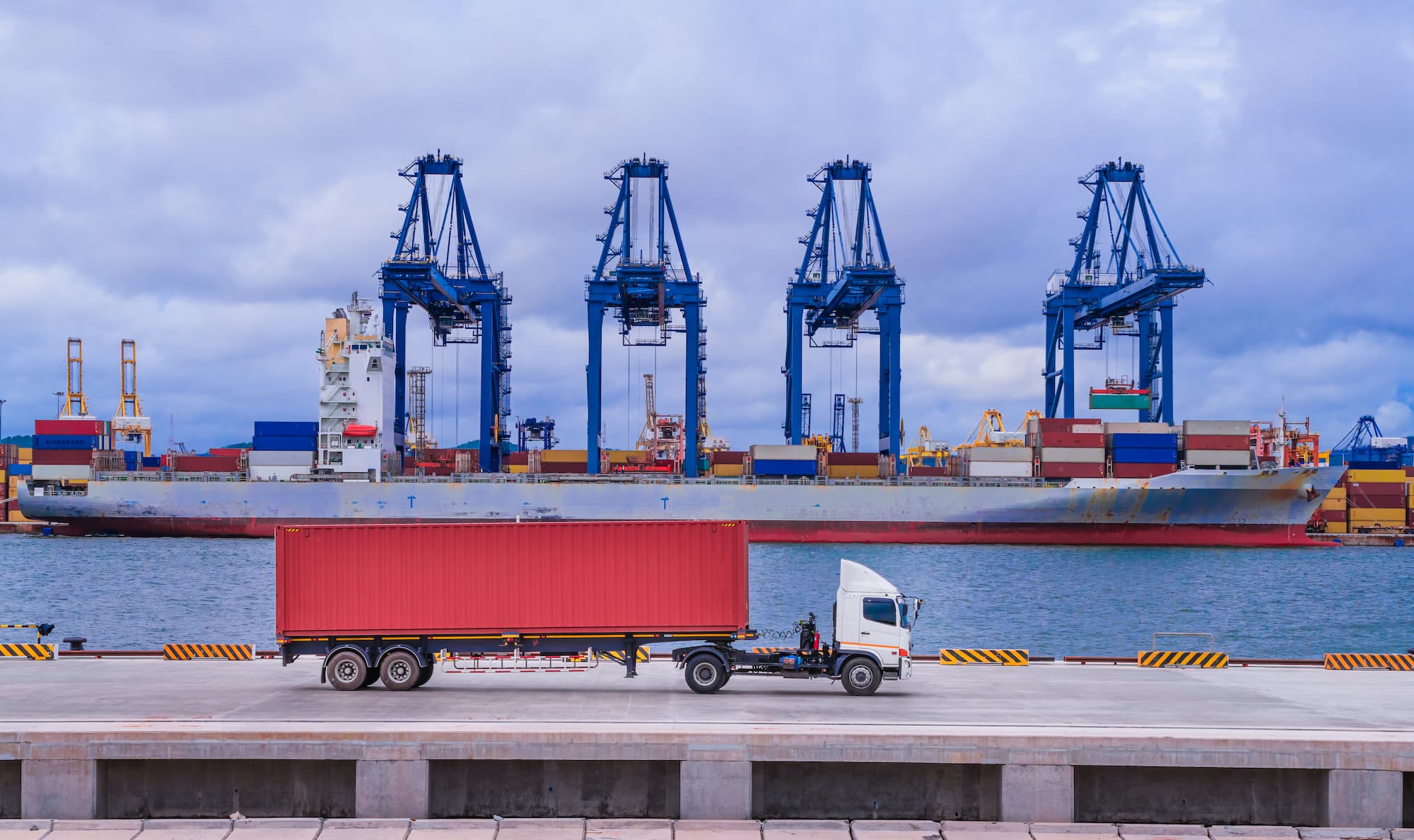


 To truly understand what is going on in your warehouse, and what is going on with your team, there will be times you will need to be down on the floor getting your hands dirty. Walk the floor, talk to employees, and see how your employees are implementing your policies. This also shows the employees that you are willing to get down and work alongside them, which helps raise team morale.



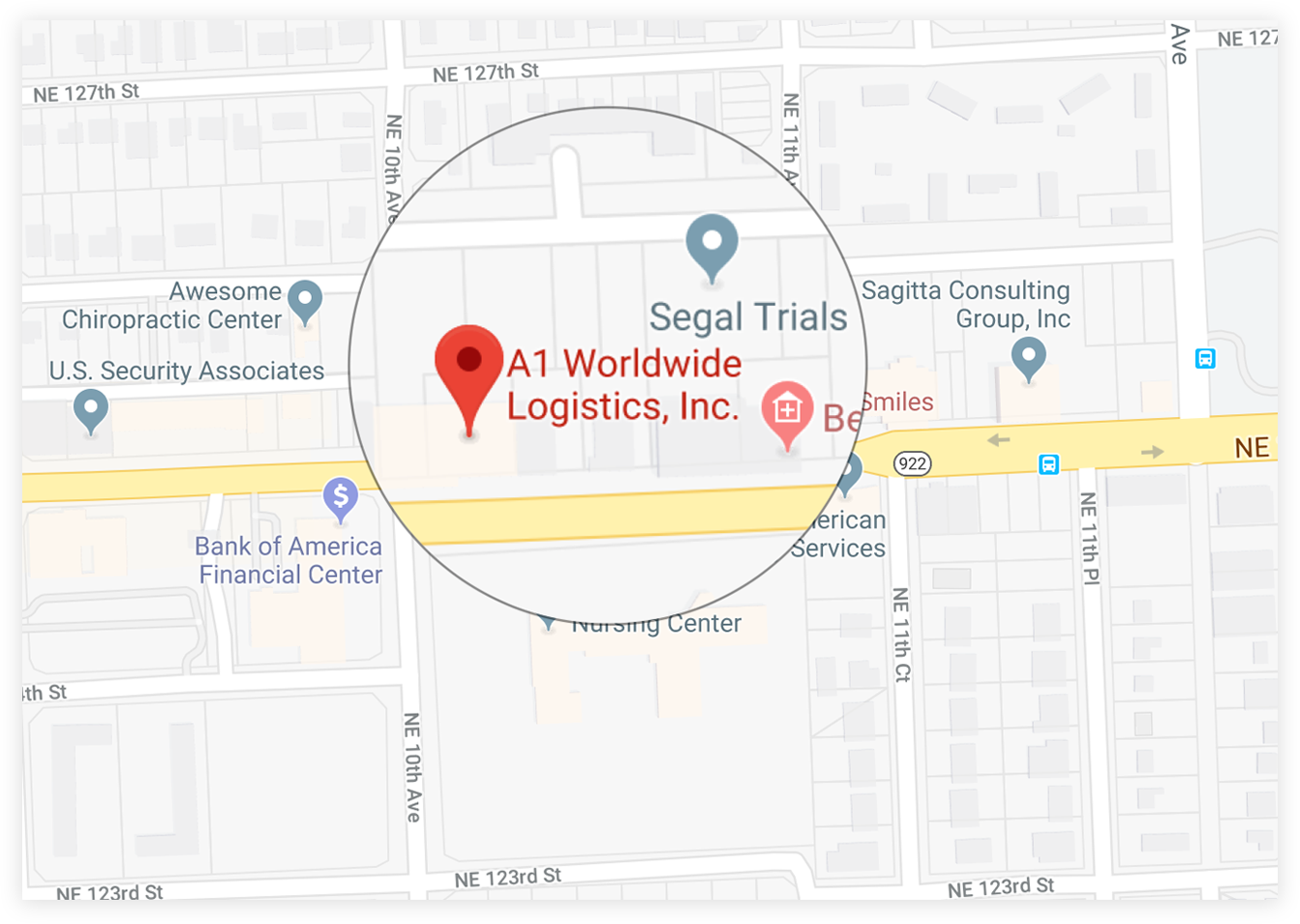
 1035 NE 125th St Suite #320, North Miami, FL 33161.
 a1worldwidelogistics.com
 (305) 821-8995
 Hours: 8AM - 5PM