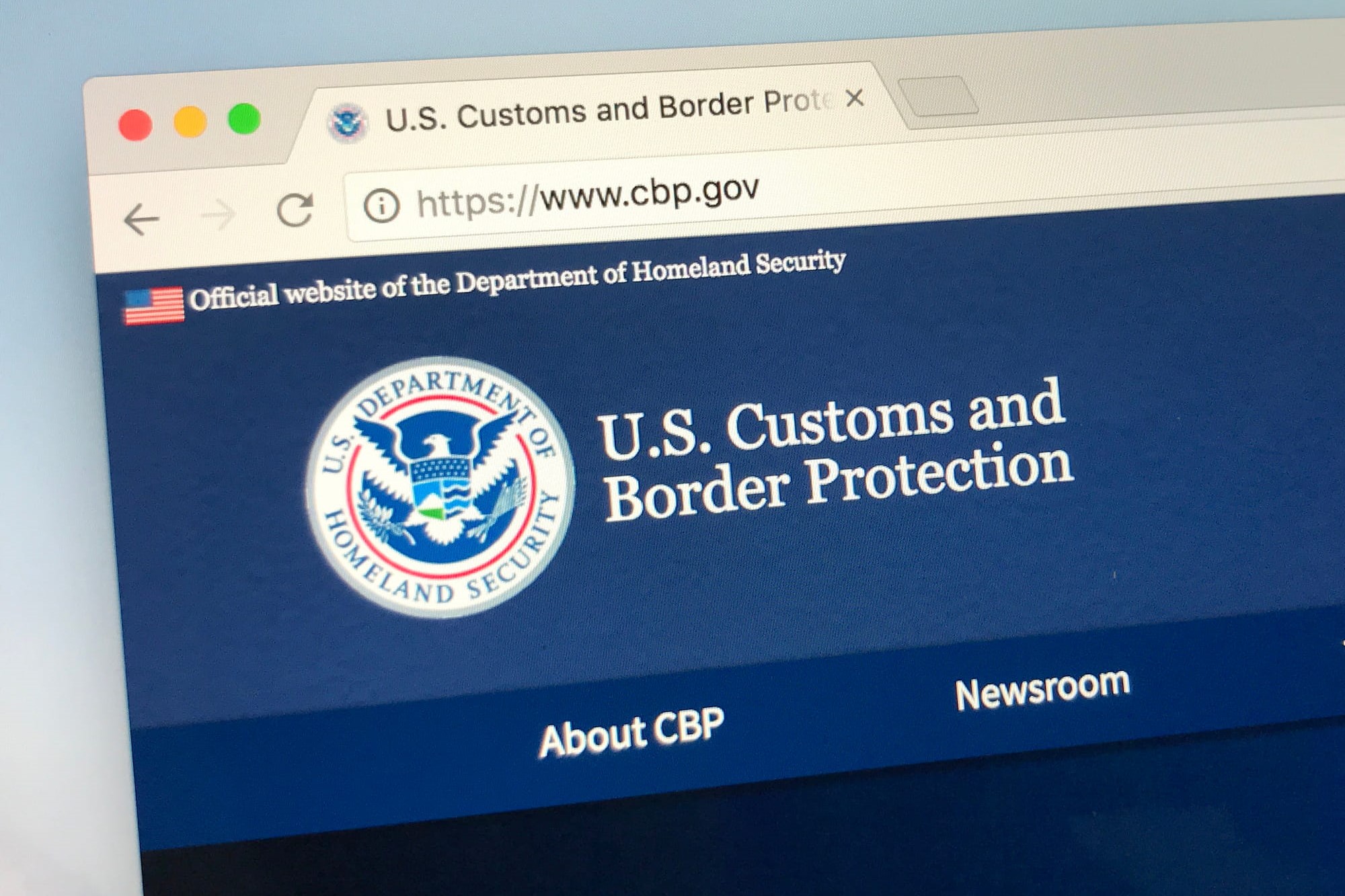
The Court of International Trade (CIT) has recently announced a class action for IEEPA refunds. On October 8, the CIT said the class action will allow refunds to importers who imported cargo under the now-illegal International Emergency Economic Powers Act (IEEPA)...
Elegir el agente de aduanas adecuado es una decisión importante para cualquier empresa o persona que importe mercancías a Estados Unidos. Su agente de aduanas puede ayudarle a preparar su declaración de aduanas, clasificar sus productos, calcular los aranceles,...
Choosing a customs broker is an important decision for any business or individual importing goods into the United States. Your broker can help prepare your customs entry, classify your goods, calculate duties, manage documentation, and communicate with U.S. Customs...
Although importing cars from Canada can benefit importers and businesses, it can be confusing for the average shipper. Canada’s proximity to the US makes cross-border vehicle transportation relatively accessible. In addition to offering easy access, Canada is an...
Truckload Transportation’s Future
Share This Article
As the times change, so too does our technologies advance as well, where once there were wagons pulled by horses, now we have automobiles. Where there was coal powered trains, now many trains run on a combination of diesel and electricity. Everything changes, so the question examined, what is the future of transporting goods? We’ve seen an advance in trains and planes, but what about automobiles? Well, let’s take a look and answer “What is the future of truckload transportation?”
The Factors of the Future
There have been a lot of reasons rising lately as to what the future of shipping holds. Here are a few of the more substantial reasons as to why so much thought and concern brought to this discussion.
Capacity Concerns
Because of many carriers going bankrupt during the recession and others downsizing their fleets, there has been a reduction in capacity. This has not been an issue as of yet, but judging from the potential economic pickup, many shippers are concerned that truckload capacity will significantly tighten.
Fuel
With the constant shifts in the price of diesel, it is quite hard to judge if the fuel prices will benefit from hinder the transportation companies. As last reported, there appears to be an increase in the cost of diesel fuel as of this month.
Sustainability
Many companies are showing renewed interest in sustainability these days, and they are taking action on various fronts to improve the sustainability of supply chains.
What Happens Next?
Due to these issues, many shippers have moved a significant volume to intermodal, rail, and private fleets, and are making changes to packaging and investing in load optimization software to fit more products per case, pallet, and trailer, which results in fewer truckload shipments.
If you are importing food into the US for resale, a customs broker can prepare the customs entry and submit the required food-import information. Before shipment, the broker needs to know exactly what the food is, where it was produced, and which business is importing...
You can appoint a new customs broker while imports are underway. Start by agreeing which shipments the new broker will handle and establishing what has already been filed with US Customs and Border Protection (CBP). The handover must account for work the previous...
Before importing a food trailer from China, have the exact model’s specifications and US vehicle certification documents reviewed, and request an estimate of the import and delivery costs. Start this work before you approve the purchase or authorize shipment. This...
Air Cargo Arrived in Miami? How to Arrange Customs Clearance If your commercial air cargo has arrived at Miami International Airport (MIA) and you haven't arranged customs clearance, contact a customs broker with the air waybill, commercial invoice, and arrival...
CBP Form 5106 is the Create/Update Importer Identity Form. It provides U.S. Customs and Border Protection with the identifying information needed to establish or update an importer’s customs record, including its name, identification number, address, and contact...