by A1 WorldWide Logistics | Aug 30, 2024 | Economic trends, Shipping Logistics, Supply Chain
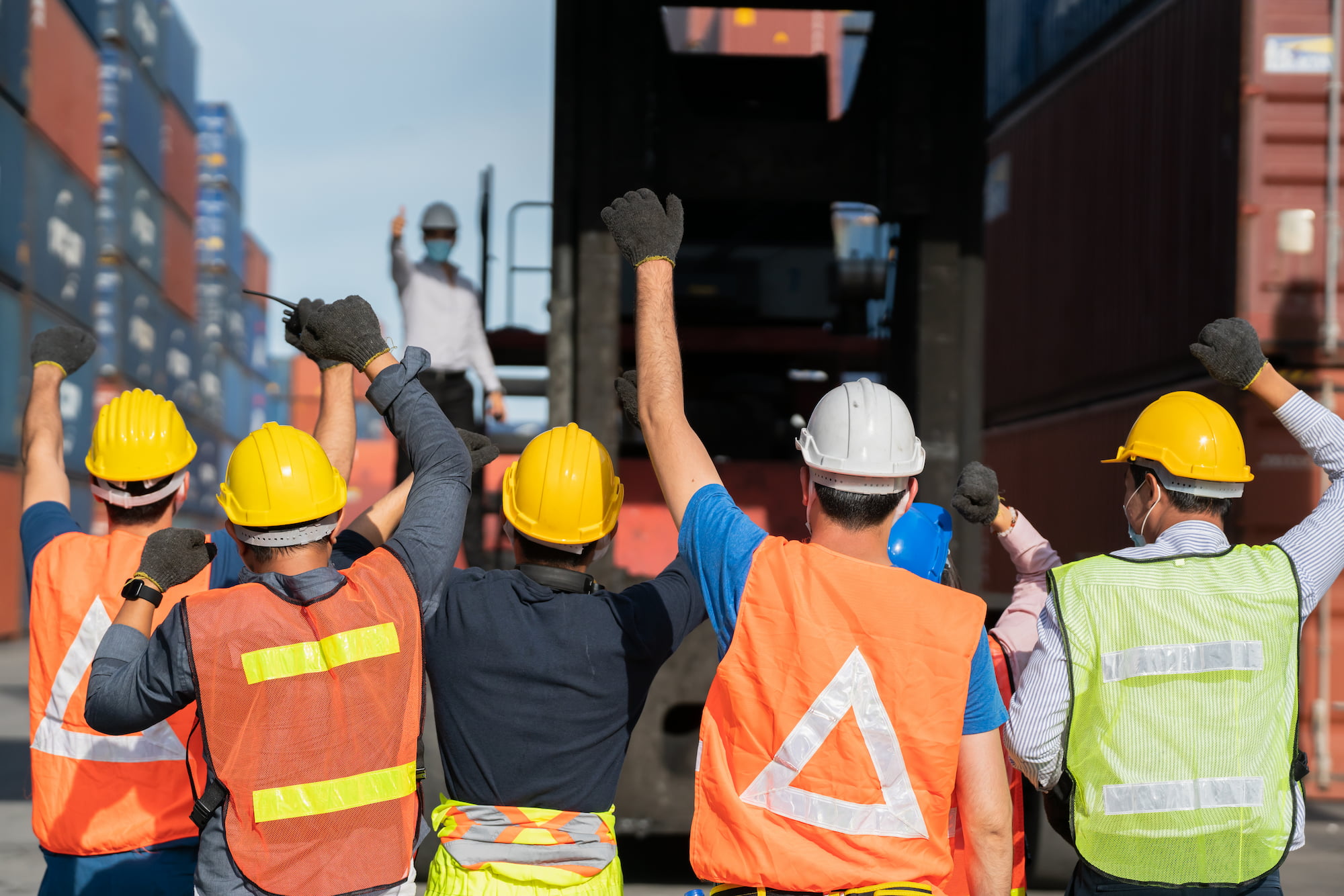
Union contracts for East and Gulf Coast port dockworkers are ending, potentially resulting in ILA workers going on strike. On September 30th, the current six-year contract between the International Longshoreman Association (ILA) and United States Maritime Alliance (USMX) expires. ILA is a union of 85,000 longshore workers spread out amongst 56 ports in the U.S., including Puerto Rico. The ILA president recently noted that its members are fully onboard with going on strike on October 1st if the USMX does not meet their demands. In the last strike that happened in 1977, workers walked off for almost seven weeks.
Over the last year, East and Gulf Coast port workers of the ILA have pushed for a new master contract when their current one finishes. In particular, one with a wage increase above the 32% hike West Coast ILWU dockworkers received in 2022. They are also pushing for higher pensions, with the ILWU having a higher single coast-wide pension. Negotiations paused in early June because of a dispute regarding automation at the Port of Mobile. Terminals at the port used an Auto Gate system that autonomously processes trucks, replacing ILA jobs. The ILA’s Wage Scale Committee will meet on September 4th and 5th to review contract demands when negotiations do return.
What Do ILA Workers Going On Strike Mean For International Shipping?
A strike by ILA dockworkers may significantly impact shippers who must move cargo internationally. Especially with more than half of the U.S. imports going through East and Gulf Coast ports. Market research company Sea-Intelligence reported that a strike lasting one day could take approximately three days to clear. They also note that a strike of two weeks could result in slowdowns to 2025. Despite the two largest ports by TEU being on the West Coast, the East Coast has the following five busiest. Companies are already diverting shipments from East Coast ports or shipping early to avoid potential delays. Along with congestion and delays, a strike can affect shippers in other ways.
For supply chains, this can lead to inventory disruptions, which can be unfavorable if the shipper has customers. Closed ports also may cause traffic for domestic shipping, with carriers having to reroute to other locations. Another concern is that supply chain issues from protests will contribute to the current inflation crisis. With rising prices already being an area of concern in the U.S., a strike will also grow shipping costs. Container rates have increased since the beginning of the year, which may add to the rise. Situations like the Panama Canal drought and the Red Sea crisis have already contributed to surging rates.
A1 Worldwide Logistics
Although situations like a potential port strike can be stressful, it should not stop you from shipping internationally. A shipper should, however, take steps to protect their supply chain. They must prepare for delays and disruptions in their shipping schedule and stay current with news reports and updates. You can also get help from a 3PL (third-party logistics) provider like A1 Worldwide Logistics. 3PLs offer various transportation services while determining your cargo’s best course of action. Reach A1 Worldwide Logistics at 305-425-9456 or info@a1wwl.com for assistance with your shipping journey. We help your global supply chain by providing transparency and solutions regardless of the situation.
by A1 WorldWide Logistics | Aug 15, 2024 | 3PL, Economic trends, Supply Chain
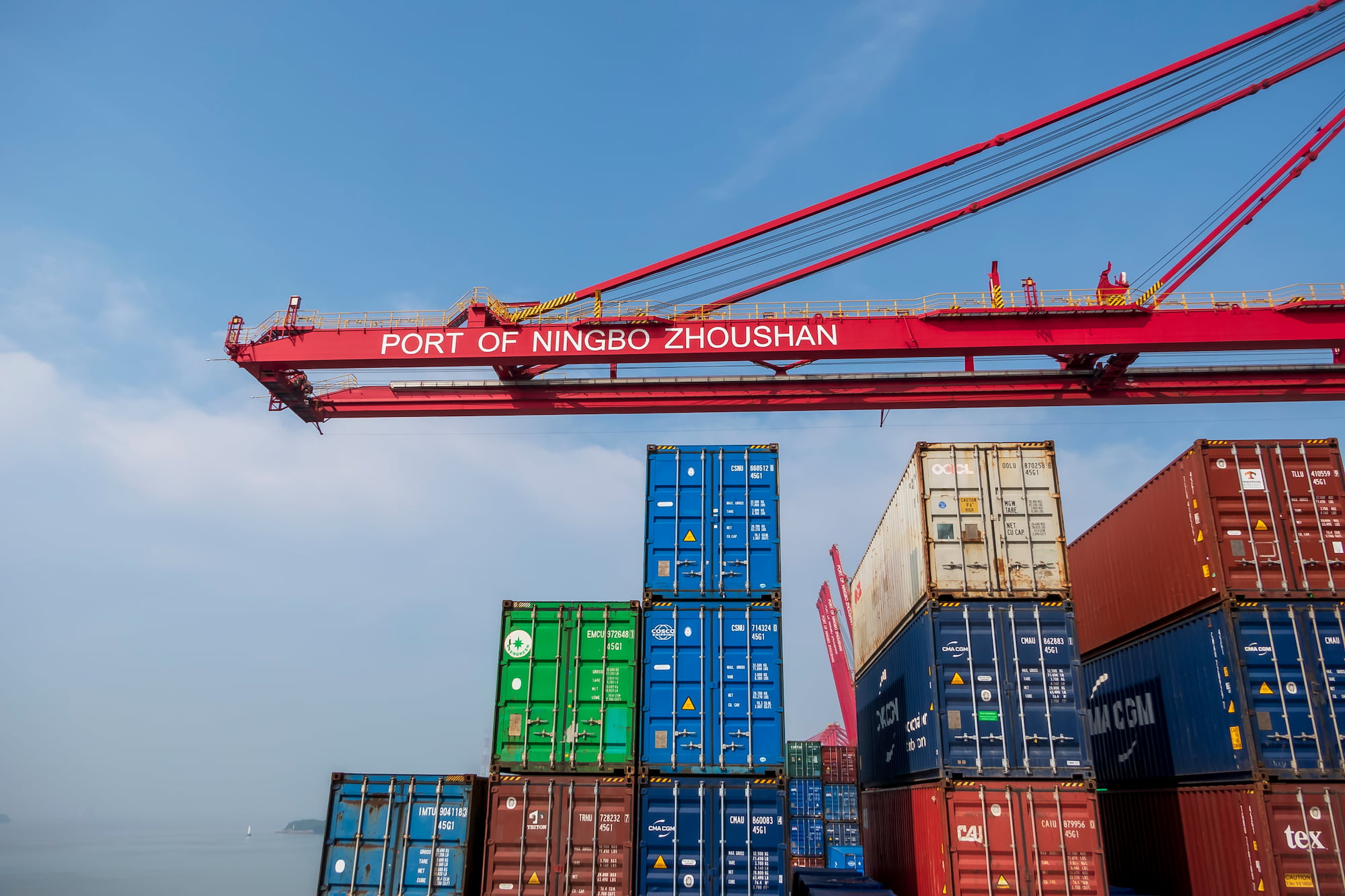
On August 9th, an explosion at Ningbo port halted traffic at the shipping terminal. While a vessel carrying hazardous organic peroxide materials was arriving at Beilun Phase III Terminal, it exploded. The vessel owner has recently reported that the fire is under control, and members on board are safely evacuated. Officials reported no injuries by the blast, but terminal operations are closed until further notice. Ningbo is China’s second largest container port, responsible for more than 100,000 TEUs (twenty-foot equivalents) yearly. In 2023, the port had a volume of 33.35 million TEUs. While the cause of the incident is still under investigation, it may have significant implications for international shipping.
What Does The Explosion At Ningbo Port Mean For Shipping?
Due to the Ningo port’s size, a terminal’s closure may impact many supply chains. The effects could grow with international shipping at the start of the peak season. Peak season is a time of the year when exporters move the most cargo domestically and internationally. A significant consequence of the closure is nearby port congestion resulting from the closed terminal. Port congestion has increased over the past year due to various situations. For example, scenarios like the Iseral-Hamas conflict, the Ukraine-Russia war, and the Baltimore Key bridge collapse grew congestion globally. A typhoon in east China in July 2024 also impacted nearby supply chains.
Another effect of the carrier explosion is that delays in shipments may rise. The delays may not only come from the rerouting of vessels but also from a scarcity of container availability. Trans-Pacific trade lanes moving freight out of Asia may feel most of the impact. Container rates have been rising since the start of 2024 and could continue to surge. Along with the terminal shutdown creating scarcity in available containers, the shipping industry has just entered the peak season. Despite the potential effects, freight analysts believe the situation will not significantly impact the market.
How Can Shippers Prepare?
With the explosion potentially impacting supply chains in international shipping, shippers must be ready. Before deciding to move cargo, exporters must be up to date with any situation that may affect their shipment. Shippers can do this by continuously monitoring news reports for updates. They must prepare for extended delays and deterioration of ocean schedules. Shippers can also prepare by looking for alternative routes or ports to move their cargo. During the Iseral-Hamas conflict, carriers responded to the situation by rerouting through the Cape of Good Hope in South Africa. Another solution is to look for other methods of conveyance, like land or air.
While shipping during disruptions may be daunting, It should not stop you from moving your freight. An ideal way to prepare against any scenario is by getting the assistance of a 3PL (Third Party Logistics) provider. 3PLs offer numerous services for transporting cargo while determining the best course of action for the shipper. They are also with you throughout the shipping process until the goods reach their final destination. Call A1 Worldwide Logistics at 305-440-5156 to speak to a 3PL provider regarding the transport of your cargo. Along with International shipping, we provide solutions like importing, freight forwarding, and more to ensure your supply chain’s success.
by A1 WorldWide Logistics | May 30, 2024 | Shipping Logistics, Supply Chain, Transportation
A vital consideration a shipper must make when transporting goods internationally is reducing ocean freight costs. Shipping by sea is the most common way cargo moves globally, accounting for over 90% of international trade. Despite its popularity, there can be numerous expenses that may confuse even the experienced shipper. While certain fees are unavoidable, there are specific ways that shippers can reduce the overall price of transporting by sea. Whether you are shipping as an individual or from a company, this can benefit your supply chain. Saving costs is especially important with recent market conditions and the rise in container rates. This article will explain the best ways to lower expenses.
How Do Carriers Calculate Shipping Costs?
Ocean carriers that move freight internationally have different ways of calculating costs. It is crucial to note that cargo has base rates that depend on the shipment type. Other volumes include the weight, volume, distance, origin, and more. The mode of transport is also a crucial consideration. For example, containerships transport sea freight in different ways, including FCL (full container load), LCL (less than container Load), and RoRo (roll-on/roll-off). There are also additional fees like fuel and special handling surcharges. When importing into a country, there are also port terminal handling charges and customs duties a shipper should know. Shipments can also have optional insurance costs for cargo damage or loss.
What Are The Most Effective Ways of Reducing Ocean Freight Costs?
While there are numerous ways to save on ocean freight costs, the most popular ways that shippers use include the following:
- Consolidating Shipments – Consolidation is a method of shipping where a shipper combines multiple orders into one shipment. The shippers share the transportation cost by fitting various shipments into one container. This can reduce costs, and consolidation can speed up the delivery and customs clearance process.
- Negotiate With Multiple Carriers – Since countless carriers move cargo internationally, each has its shipping rates. A shipper can negotiate these rates and get the best quote amongst the transporters. Having solid relationships with steamship lines is critical in negotiating prices. Using online freight marketplaces to compare quotes is also ideal for finding cost-effective options.
- Optimize Shipping Routes – A carrier’s route to transport freight directly impacts the cost. Shorter, more direct lanes are less costly than more extended ones. Avoiding routes with high congestion is also helpful, as it can increase costs and lead to other issues.
- Pay Attention To Cargo Packaging – A way to optimize costs that shippers tend to overlook is to optimize packaging. Not packing cargo optimally can add extra volume and space, raising costs.
- Ship Off Peak Season – Peak season is when shipping demand is high. This season usually starts in mid-August, goes to the end of October, and sometimes extends to November. An effect is that the cost of shipping internationally tends to rise. Deciding to ship before that period can help in saving costs.
Using The Help of a Freight Forwarder
Finding the best cost to transport your goods can be crucial for individual and business shippers. Another way to reduce ocean freight costs is to use the assistance of a freight forwarder to ship internationally. Forwarders are connected to a network of carriers and can negotiate the best rate to move your shipment. Contact A1 Worldwide Logistics at 305-821-8995 to discuss your cargo’s movement with our forwarders.

by A1 WorldWide Logistics | May 23, 2024 | Economic trends, Importing, Transportation
Recent developments are causing an increase in shipping costs, with container rates still rising since the start of 2024. Carrier companies could soon raise prices to $20,000 for 40ft equivalent units (FEU) by the end of the year. In particular, a surge in Freight All Kind (FAK) rates is not bound to a specific commodity. The Drewry World Container notes an increase of 11% for a 40ft container, bringing the average cost to $3,511. This is a 104% increase compared to the same period last year. The spot rates of specific trade routes’ have also risen by nearly 30% in the past two weeks. With peak season starting in mid-August, the current situation may lead to higher costs and delays in the coming months.
Why Are Container Rates Still Rising?
Different global factors have contributed to the rise in container rates, including the scarcity of available space. Along with the Panama Canal drought and the US-China trade war, the Red Sea crisis significantly adds to the surge. The war near the waterway has caused ships to reroute around the Cape of Good Hope in South Africa. This added nearly 14 days to some shipments, extending transit times and limiting container capacity, raising container costs. Meanwhile, demand for international shipping has reached record levels in Q1 of 2024, nearly up 9.2% compared to Q1 last year. The present market is due to lowering capacity and transit times during the coronavirus pandemic.
Although the international shipping industry has recovered from COVID-19, the impact is still in the minds of shippers. The current scarcity of container space is following the pandemic trend, and many are preparing in advance. Companies are importing more goods now to have inventory and prevent potential delays as the peak season nears. The rise in container rates directly results from the demand and is a GRI (General Rate Increase). GRIs are standardized adjustments by carriers to base rates across shipping routes. With prices rising as the peak season approaches, some may be willing to pay more to secure space.
What Does It Mean For The Shipper?
The hike in rates has a direct impact on shippers that extends beyond having to pay extra costs. Other effects include increasing cancellation of reserved space, new weight limits, and more significant surcharges. While it may be impossible to avoid rising rates, exporters must prepare beforehand to prevent any adverse issues from arising. Shippers have already started looking for alternative methods of conveyance, like air, to prevent delays. They must be current with any news in the international shipping industry. This can include constantly checking news websites or other media sources for information. Understanding your supply chain is also crucial in making informed decisions.
Despite the current rising costs, shippers still must move cargo internationally. However, they must take the proper steps to ensure the transport of their goods. Another way to prepare is by using the assistance of a freight forwarder to move your cargo. Forwarders act as the middleman between the shipper and the carrier transporting the goods. They have various responsibilities, including finding the best rates for exporters. Along with guiding shippers throughout the process, they assist with the duty payments and documentation on their behalf. Call A1 Worldwide Logistics at 305-425-9456 to communicate with our freight forwarders regarding your shipment.

by A1 WorldWide Logistics | Jan 4, 2024 | Air Freight, Economic trends, Shipping Logistics, Supply Chain
A continuous Israel-Hamas conflict is growing airfreight shipping due to delays in the Suez Canal. Over the last few months, tensions between the parties have escalated with an attack on Gaza in October of 2023. Cargo that has to pass through the Red Sea, in particular, has felt the effects of the war. The Red Sea is a significant passageway, with nearly 10% of the world’s freight passing yearly. Shippers have recently begun looking at alternate solutions, like redirecting shipments to navigate the conflict. Along with rerouting shipments to safer locations like the Horn of Africa, shippers are looking at air as an alternative.
How the Israel-Hamas Conflict is Growing Airfreight Shipping
Businesses and shippers are seeing no end to the Gaza war and are seeing an impact on cargo movement. Delays and potential danger may result in a surge in air shipping because of the benefits of this conveyance method. Rerouting ocean shipments to locations like the Cape of Good Hope adds up to 14 days to the journey. Congestion from the number of carriers redirecting further may increase shipping times. Using an air carrier can reduce the transport time to nearly one or two days. This is especially crucial for importers and exporters who must move time-sensitive goods for sales or production requirements.
Along with the crisis in the Red Sea, other situations are leading to a growth in air shipping. A growing shortage in container ships is happening at a time when China’s New Year is closely looming. The Chinese New Year is a peak season when significant goods pass through the Red Sea. Meanwhile, a record drought in the Panama Canal is further increasing traffic in the Suez Canal. The sizable traffic further pushes shippers to look for alternatives like air carriers to move their cargo. With nearly 3% of global trade done by air, a high demand can soon raise the percentage.
What Can This Mean For International Shipping?
Despite the majority of the war happening around near Israel, international shipping could start feeling the backlash. Nearly 12% of the world’s trade, including 30% of containers, passes through the Suez Canal. Carrier companies have already increased shipment rates moving through the Suez Canal. A major international carrier company has recently indefinably suspended operations in the canal, causing container spot rates to surge. Prices for shipping crude oil have also been rising. The impact on U.S. shipping may be minor relative to China and Asia. As the war persists, risks to global cargo movement could continue to grow.
Another concern is that the conflict may expand to other countries like Lebanon. Last month, Houthi militants in Yemen attacked several containerships passing through the Red Sea in the span of several days. While disruptions can be adverse when importing/exporting, they should not stop you or your company from moving freight. The shipper should, however, take better precautions to prevent delays and other scenarios from happening. Having a 3PL provider like A1 Worldwide Logistics coordinate your shipment is an ideal way to navigate potential disruptions. Contact us at 305-821-8995 for assistance in transporting cargo internationally. We have various methods of conveyances like air, sea, and land to guarantee that you meet your shipping goals.

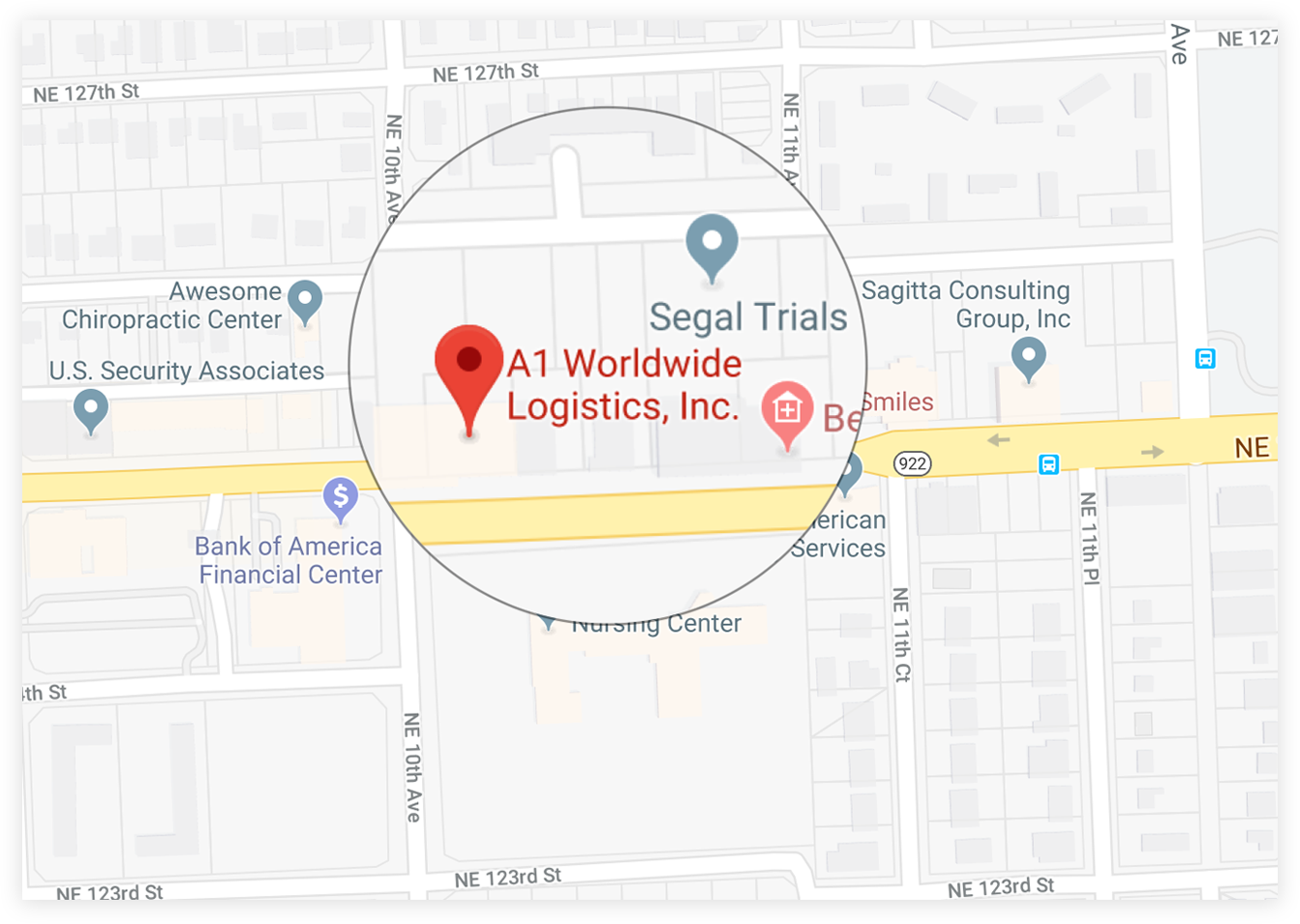
 1035 NE 125th St Suite #320, North Miami, FL 33161.
 a1worldwidelogistics.com
 (305) 821-8995
 Hours: 8AM - 5PM