by A1 WorldWide Logistics | May 15, 2024 | Economic trends, Shipping Logistics, Supply Chain
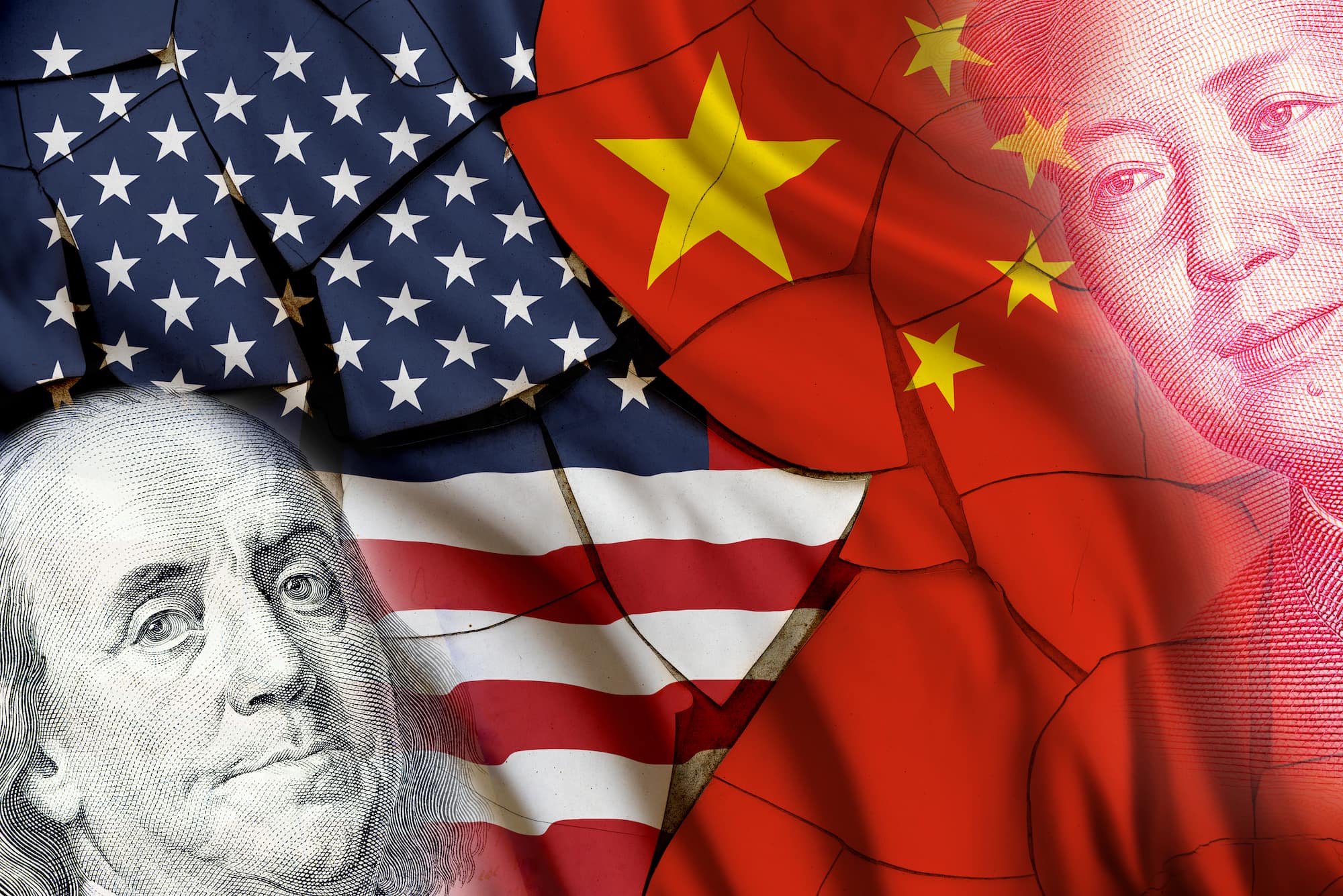
On May 14th, 2024, the USTR Announced strategic adjustments to Section 301 tariffs following a four-year review. U.S. trade representative Katherine Tai initially backed the retention of the Section 301 tariffs for Chinese products. However, there has been a recent strain on U.S. commerce. Due to this, President Biden supervised Tai in either revising or introducing new tariffs. The revisions are a way to counteract the current policy changes introduced by the People’s Republic of China (PRC). China has given signals that it will soon retaliate against the tariff adjustments. The Chinese government stated that the tariff changes will, “seriously affect the atmosphere of bilateral cooperation.”
The key commodities affected by the changes include:
Battery part – Rate increase to 25% in 2024
Electric Vehicles – Rate increase to 100% in 2024
Facemasks – Rate increase to 25% in 2024
Lithium-ion Electrical Vehicle Batteries – Rate increase to 25% in 2024
Lithium-ion Non Electrical Vehicle Batteries – Rate increase to 25% in 2026
Medical Gloves – Rate increase to 25% in 2026
Natural Graphite – Rate increase to 25% in 2026
Other Critical Minerals – Rate increase to 25% in 2026
Permanent Magnets – Rate increase to 25% in 2026
Semiconductors – Rate increase to 50% in 2025
Ship to Shore Cranes – Rate increase to 25% in 2024
Solar Cells (Whether or Not Assembled Into Modules) – Rate increase to 50% in 2024
Steel and Aluminum Products – Rate increase to 25% in 2024
Syringes and Needles – Rate increase to 50% in 2024
The USTR will issue a Federal Register notice regarding the adjustments that will outline the exclusion process and give the protocol for public comments on the tariff adjustments. A1 Worldwide Logistics is closely monitoring the changes and is prepared to guide you through the current situation. We offer solutions for adapting to the tariff increase and ensure the best course of action for the shipment. Contact A1 Worldwide Logistics at 305-425-9456 to navigate the current circumstances and ship your cargo internationally.
by A1 WorldWide Logistics | Dec 7, 2023 | Importing, Shipping Logistics, Supply Chain
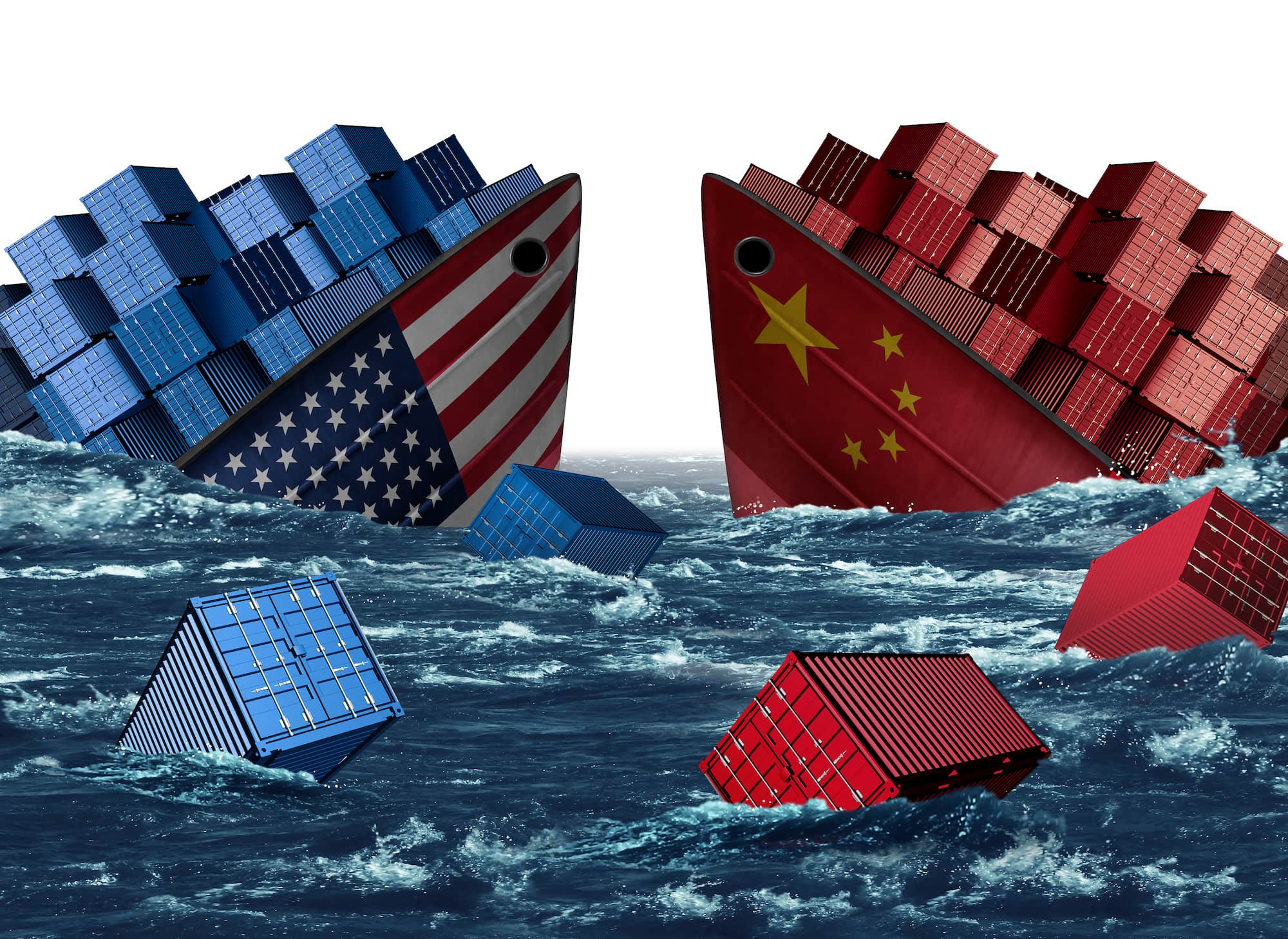
Recently, many U.S. companies have been discussing other sourcing alternatives instead of China, making some ask, “Are China Imports Declining?” For over a century, most labels on goods in the U.S. have had “Made in China” written on them. Single-sourcing imports have always had their benefits and drawbacks. The risks of single-sourcing from China had become more apparent not long ago.
Why Are China Imports Declining?
The coronavirus accelerated present risks and disrupted the supply chains of numerous importers from China. Ports all over China were closed or working at limited capacity due to the pandemic. This created a backlog in freight shipping and challenges for shippers and their customers. Years before the coronavirus was present, the imports from China were already lessening for several reasons. An example of a reason was that the tariff costs that importers had to pay rose to over 20%.
Companies that manufactured goods in China also had intellectual property theft issues. This is the robbery of a company’s products and ideas for their usage. The environmental impact of importing from China was another factor that companies looked at. Producers in China use specific production methods that the U.S. prohibits. This means the environmental effect may be more significant when companies manufacture goods in China instead of the U.S.
Other Alternatives
As companies looked at other options for sourcing, countries like Vietnam became attractive. The country is politically stable and has various growing industries, such as automotive and electronics. The labor costs are also relatively low, making it an ideal candidate for manufacturing companies to move to. Over the past few years, imports from Vietnam and other Asian countries have risen considerably. However, the risks, such as infrastructure and the worry for human rights, remained.
Instead of outsourcing the imports from Asia, another substitute is outsourcing from somewhere closer, like Mexico or Latin America. Mexico is already one of the biggest trading countries with the U.S. The proximity is also a huge benefit for companies that rely on imports. Trucks may become an increasingly popular conveyance method for imports entering the U.S.
Can Reshoring Back to the U.S. Become More Common?
One of the many solutions was to bring the manufacturing of goods back to the United States. There are various advantages and disadvantages associated with moving manufacturing from China to the U.S. One of the main benefits is that the transport times become significantly shorter. Shippers do not need to import into the U.S. from countries that may be far away. Also, if manufacturers make the goods in the U.S., no duties for imports have to be paid.
Despite this, reshoring back to the U.S. may be a difficult task. This is because many companies that outsource to different countries have done so for decades. Going backward on a supply chain with the same process for decades takes time. Offshoring manufacturing to foreign countries also tends to provide cheaper production costs, which can benefit companies instead of reshoring.
A1 Worldwide Logistics
Although the locations where shippers bring in freight may become more diverse, the number of U.S. imports is still increasing. If you plan to ship to and from the U.S., A1 Worldwide Logistics is here to help. We have freight forwarding services for both imports and exports. Call us at 305-821-8995 to get a quote for your shipment.
by A1 WorldWide Logistics | Sep 8, 2022 | Shipping Logistics, Supply Chain, Warehousing
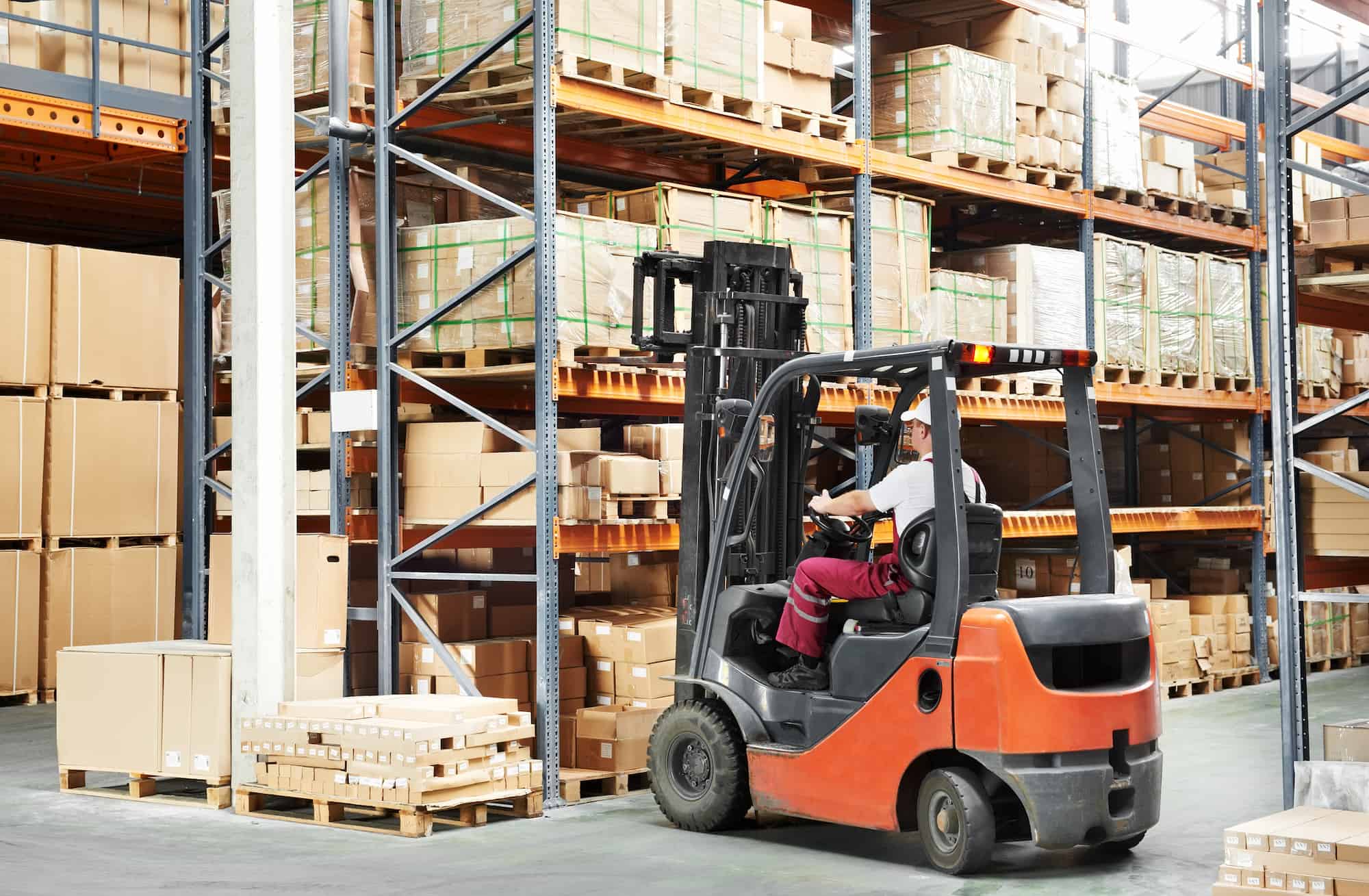
A public warehouse is a facility that provides long-term and short-term storage solutions. When shippers move goods across the globe, warehousing is a standard part of the supply chain for many businesses. Compared to regular storage facilities, public warehouses tend to offer more services to their customers. Some examples of the services provided include:
- The storage and warehousing of your shipments.
- Transportation of cargo to and from the facility to the final destination.
- Transloading goods to different containers and cross-docking.
- Cargo manipulation and segregation of shipments.
- Picking, picking, and crating of cargo.
There are an extensive amount of benefits that renting public warehousing space can provide. One of the main advantages is the revenue that the company or individual may save. For example, storing inventory requires space, which costs money. Renting warehouse space tends to be cheaper during long-term storage. Getting a warehouse can cut transportation costs, and it also moves your goods to your customers for you. Another benefit is the security of your cargo due to technological advancements in warehousing.
How Does A1WWL Cater to Your Warehousing Needs
One of the most significant ways that A1WWL differentiates itself from other companies is by the transparency we offer. We ensure honest and open communication with our clients and address their concerns. Our specialized one-on-one services are tailored to your goals, and your cargo is our highest priority. In addition to the previously mentioned services offered by public warehousing, A1WWL offers flexibility. We understand that the shipping industry is constantly evolving and have solutions to help you adapt.
Are you an individual moving freight internationally, or a company that needs to store its goods for a specific period? Contact A1 Worldwide Logistics at 305-821-8995 or info@a1wwl.com to learn more about our value-adding warehousing services. We can also assist you in Spanish.

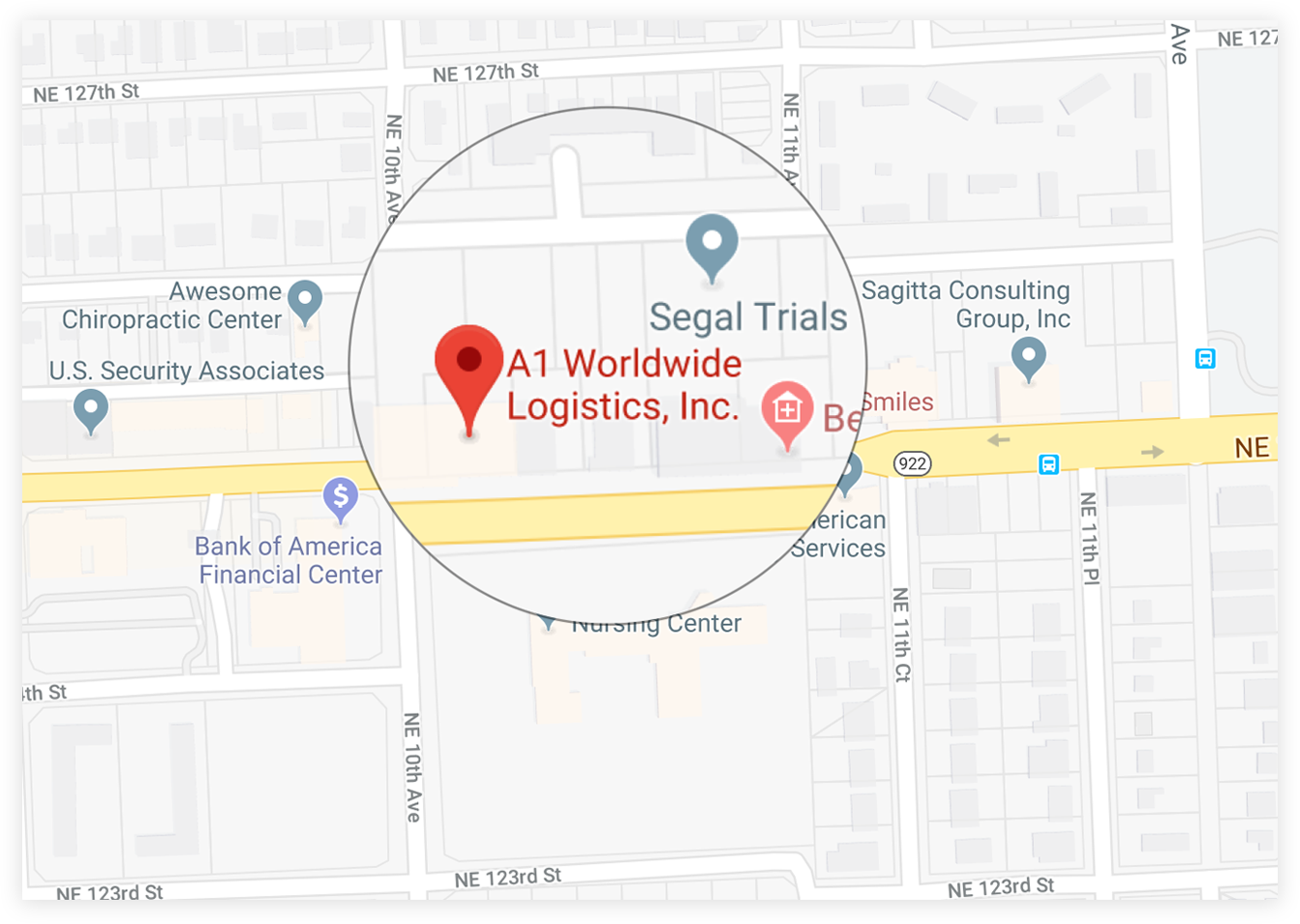
 1035 NE 125th St Suite #320, North Miami, FL 33161.
 a1worldwidelogistics.com
 (305) 821-8995
 Hours: 8AM - 5PM