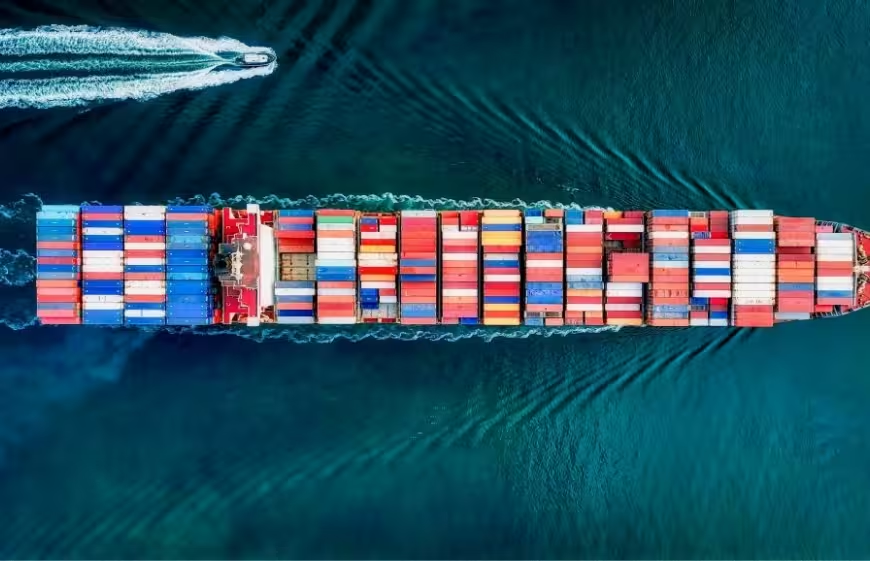
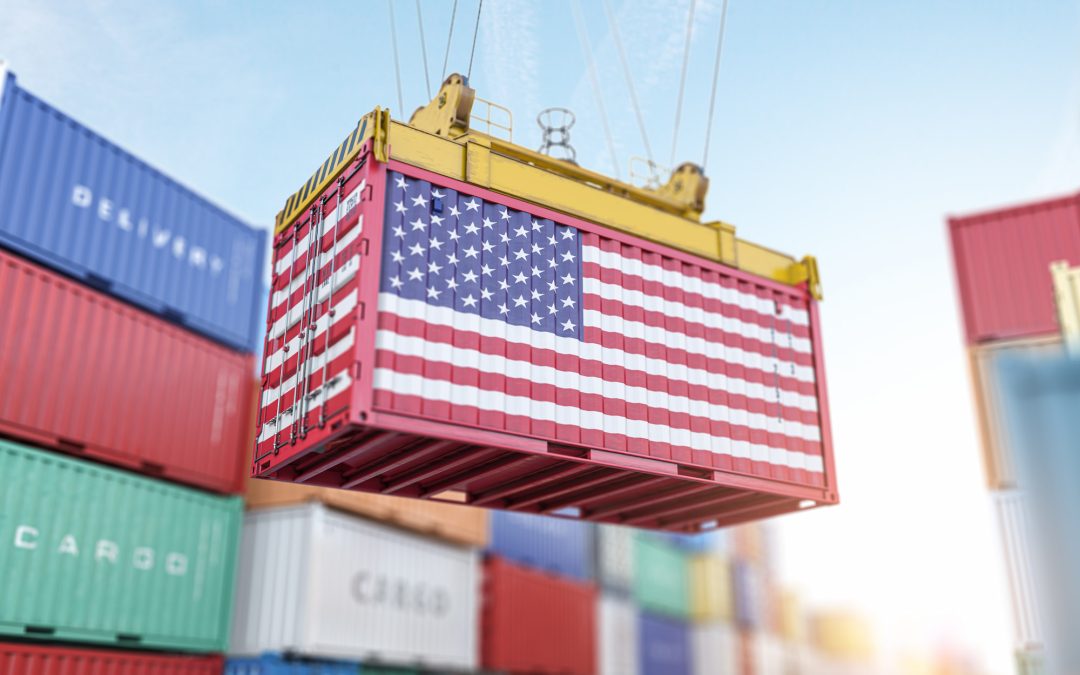
International shipping could soon feel the impact as the end of de minimis approaches on August 29. On July 30, President Trump signed an executive order to suspend the exemption for all countries importing into the US. The de minimis is a threshold value below which goods can enter a country tax-free. In the US, the amount is currently $800 or less after rising from $200 in 2016 due to e-commerce. Trump initially eliminated the de minimis for China on May 2, but the current pause will be for every nation. Taxes for imports previously under the exception will now be assessed by country-specific reciprocal tariffs or the international postal system.
Duties for goods imported through the international postal system will now be assessed by ad valorem or specific duty. Ad valorem is a tax based on the origin country and evaluated on the value of the cargo. Specific duty is a fee between $80 and $200 based on the IEEPA rate of the origin country. Trump has various goals behind eliminating the de minimis, including combating illegal and deceptive trade practices. Since packages that fall under this exemption tend to be subjected to less scrutiny than regular imports, shippers have used it to bring in illicit fentanyl and other drugs into the US. De minimis shipments, increasing from approximately 134 million to 1.36 billion in the last nine years, further increased the volume.
What Does The End Of De Minimis Mean For Shippers?
Ending the exemption will directly affect shippers due to the goods that other countries import into the US. The most significant impact of ending de minimis is the higher costs for importers. Every shipment will now require duties, customs entry, and paperwork, regardless of value, increasing the price. Online buyers and sellers will feel the effect with many de minimis shipments coming from e-commerce. Logistics providers from different countries have already paused US-bound shipments due to the challenges in quickly adapting to compliance requirements. Another issue that can arise from returning customs entry requirements is a slowdown in the shipping process and potential delays.
If the shipper is a business that sells products, the higher costs could fall on the customers. Especially with the peak season notably increasing the number of products entering the US. Shippers have already begun finding ways to adapt to the higher costs, including importing in bulk. Consolidating shipments into larger sizes instead of importing thousands of smaller sizes can protect against the price increase. Another solution has been nearshoring production into US locations and shipping goods domestically. Importers have also moved manufacturing to nearby countries like Mexico and Canada, allowing easier importation through trade agreements.
A1 Worldwide Logistics
Shippers must be aware of laws and regulations affecting their shipments when bringing goods into the US. Understanding the various regulations can help prevent potential delays, monetary losses, and cargo losses. Another way shippers prepare when importing into the US is by speaking to a customs broker. Brokers are licensed professionals who facilitate the clearance of imports across the country’s borders. They do this by calculating duties, providing documents, filing entries, offering consultation, and more. In the US, brokers ensure compliance with CBP (Customs and Border Protection). Contact A1 Worldwide Logistics at 305-440-5156 or info@a1wwl.com to speak to our brokers about providing a successful importation.