US Extending China’s Tariff Pause
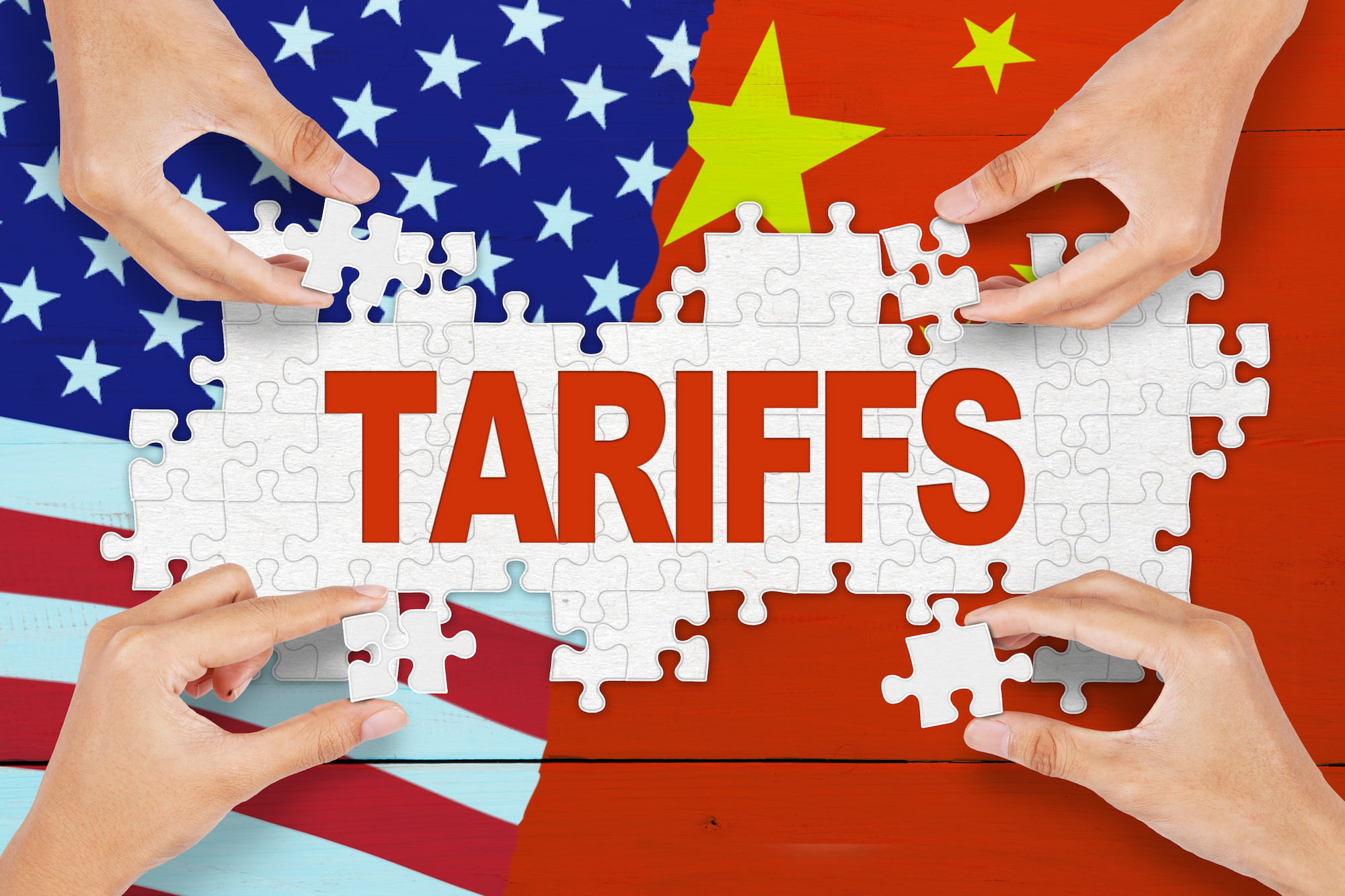
An executive order signed by President Trump on August 11 has the US extending China’s tariff pause. Originally set to start this week, the higher tariffs for imports from each country will begin on November 10. The US will keep its levies on Chinese goods at 30% while China will keep its 10%. Both countries have been in a trade war since 2018, during Trump’s first presidency. The trade war escalated significantly over the last few months during his second presidency after Trump imposed more tariffs. After several back-and-forth levies, the total amount for Chinese imports reached 145% while China reached 125% on US imports. This article will explain the goal behind the extension and how it could impact your shipment.
Why Did the US Extend the Deadline?
Extending the deadline is to act as a breather, giving both countries a temporary ceasefire. On May 12, both countries entered a similar agreement to pause tariffs that would reach triple digits. The current extension provides more time to negotiate on key trade issues and get a final resolution. China’s Customs Tariff Commission of the State Council noted, “The move serves the interests of both sides in achieving their respective development goals and will contribute to the development and stability of the world economy.” China has also agreed to lessen certain restrictions on importing rare earth metals into the US.
President Trump has imposed tariffs on China for various reasons, including addressing unfair trading practices and trade imbalances. The US has a significantly large trade deficit with China and imports much more than it exports. Taxes can be a way to pressure China to buy more US products and a bargaining tool for negotiating leverage. China is also the most popular illegal importer of fentanyl into the US. Another goal is to encourage domestic manufacturing by raising import costs. This could stimulate the economy by creating jobs and bringing businesses back to the US. Economists believe it may have a reverse effect, increasing costs and leading to a potential recession.
What Could the US Extending China’s Tariff Pause Mean For Your Shipment?
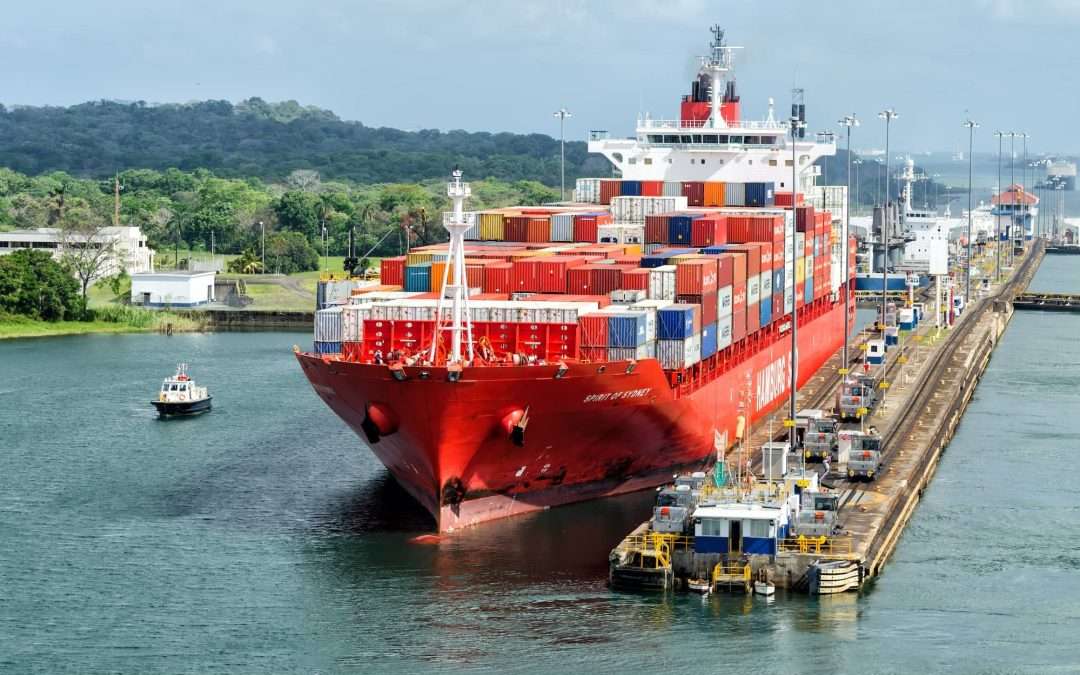
China is the US’s top trading partner and one of the largest exporters globally. Due to its size, a tariff of over 100% would have significantly raised the cost of importing into the US. The higher fees would have impacted different parts of numerous supply chains, including domestic shipping. The current 30% tax on Chinese imports could still increase expenses for shippers. Importers could soon look towards nearby, less expensive countries to import from, like Vietnam and Taiwan. Although the pause is a temporary cooldown, it is not a resolution as both countries push towards a lasting framework.
While the tariff deadline will pause, the countries are still in a trade war that could potentially escalate. Although shippers should not stop cargo movement, they must be ready to navigate any disruptions affecting their shipments. An ideal way to get started is by speaking to a freight forwarder. Forwarders act as intermediaries between the shipper and the goods’ final destination. They do this by finding rates, providing paperwork, coordinating the cargo movement, and providing other solutions. Forwarders also offer consultation services to navigate situations like tariffs and ensure a successful transport. Reach A1 Worldwide Logistics at 305-425-9513 or info@a1wwl.com to speak to a forwarder regarding your shipment’s success.