U.S. And China Talks Are Starting
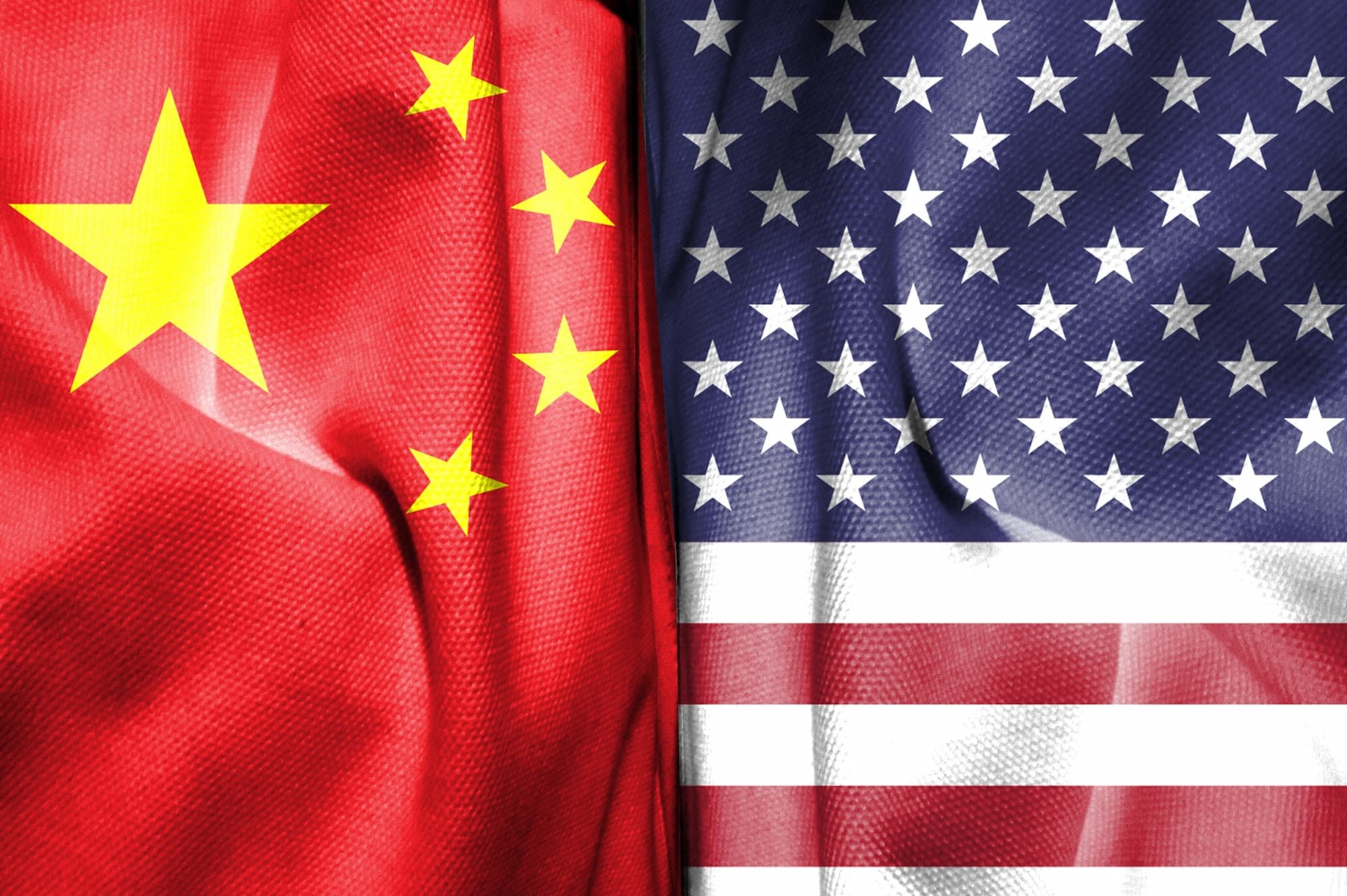
U.S. and China talks are starting after weeks of tariff escalation between the two Countries. Chinese and U.S. Representatives will meet in Switzerland from May 9 to May 12. Treasury Secretary Scott Bessent and U.S. Trade Representative Jamieson Greer are meeting to explore a potential reduction of tariffs. The decrease could include potentially setting rates between 40% and 60%, and tax exceptions for critical sectors. A trade war resulted in tariff threats reaching over 100% for both countries and could have significant consequences. Scott Bessent stated, “The current tariff war isn’t sustainable, especially on the Chinese side.” The meeting with Chinese and U.S. officials will focus on de-escalation rather than deciding on a trade deal.
How Did The Trade War Escalate?
In the last few months, Trump has released, paused, and increased tariffs on imports into the U.S. While the Trump administration put levies on most U.S. importers, they hit China the hardest. China responded by announcing its levies on U.S. imports, and a back-and-forth led to a trade war. Despite the tariffs’ negative impact on both countries, Chinese officials said the government will not back down. The meeting will de-escalate tensions before tariffs from two of the world’s biggest traders negatively impact international shipping. Trade experts believe that negotiations between the countries could take months.
President Trump has imposed tariffs on the most prominent importers into the U.S. for various reasons, including reducing trade imbalances. He believes the tariffs will “level the field” between the U.S. and other trading partners like China, Canada, and Mexico. A goal is to encourage domestic manufacturing by raising import costs. This could stimulate the economy by creating jobs from bringing businesses back to the U.S. Economists believe it will have an opposite effect, increasing costs and leading to a potential recession. Trump is also enforcing tariffs to stop immigration and the inflow of drugs. China is responsible for the majority of fentanyl that comes into the U.S.
What Can Shippers Expect With U.S. And China Talks Starting?
Along with being one of the largest shippers globally, China is also the top trading partner of the U.S. Talks could potentially lessen the impact that tariffs will have on shippers transporting goods internally. Although the talks may lower import tariffs, the costs to bring cargo to the U.S. could significantly rise. The cost increase could be felt in different parts of an importer’s supply chain and fall on their customers. Shippers may begin looking at moving production to nearby countries like Japan and Taiwan to avoid the price increase. Trucking services like drayage could also be more costly as container rates rise.
When shipping cargo internationally, the shipper must know anything that can disrupt their shipment. Shippers can do this by being current with any news affecting their cargo and planning beforehand. They can also be ready by speaking to a freight forwarder. Forwarders are intermediaries between the shipper and the carrier that coordinate the movement of goods internationally. They offer solutions like document preparation, freight transport using various conveyances, customs clearance, warehousing, etc. A1 Worldwide Logistics has forwarders that ensure your supply chain’s success regardless of the situation. Speak to our forwarders at info@a1wwl.com or 305-440-5156 regarding finding the best action to protect your shipment.