The US Shutdown Has Ended
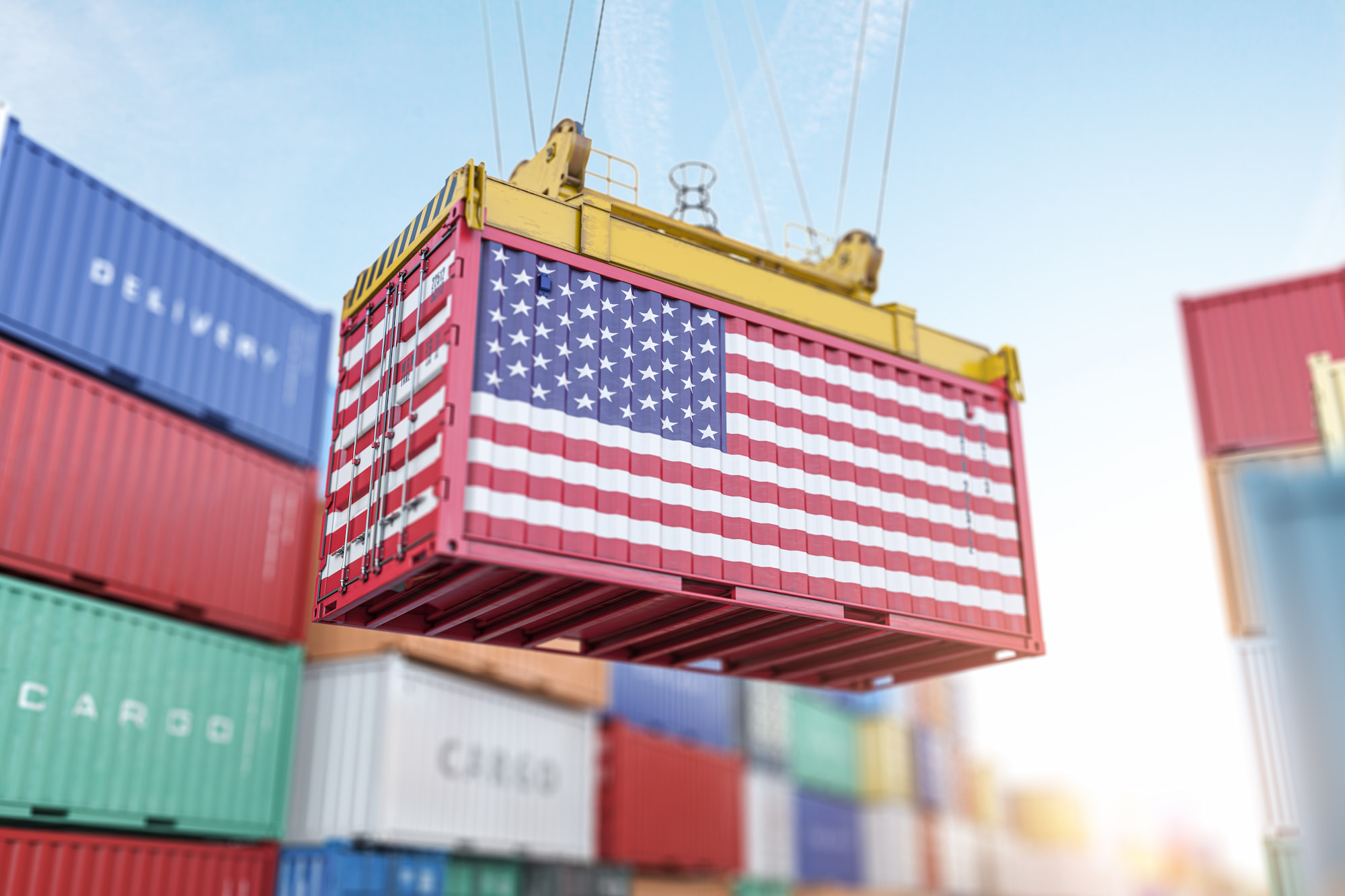
The US shutdown has ended with President Trump signing a bill passed by Congress on Wednesday, November 12. Since October 1, the US has been experiencing the longest government shutdown in its history, which has lasted 43 days. The bill signed by Trump will reopen most agencies and restore government funding through January 30, 2026. While the funding is only for January of next year, it will give time to negotiate the next funding round. Despite the signing, various sectors, such as travel and commerce, may take weeks to recover from the pause. With the potential impact the shutdown would have had on shipping if it continued, its end could significantly benefit shippers.
Why Was The US In A Government Shutdown?
The primary cause behind the shutdown was a failure to agree on an operations funding bill. In particular, Congress failed to pass the required appropriations to fund government agencies in the next fiscal year. The disagreement centered on the future of insurance subsidies under the ACA (Affordable Care Act). While Republicans wanted a bill that did not include the subsidies, Democrats would not agree to a bill without them. The result was a shutdown that caused widespread disruptions for numerous US sectors and the economy in multiple ways. For example, in the 43-day shutdown, nearly 900,000 federal employees were furloughed and sent home without pay.
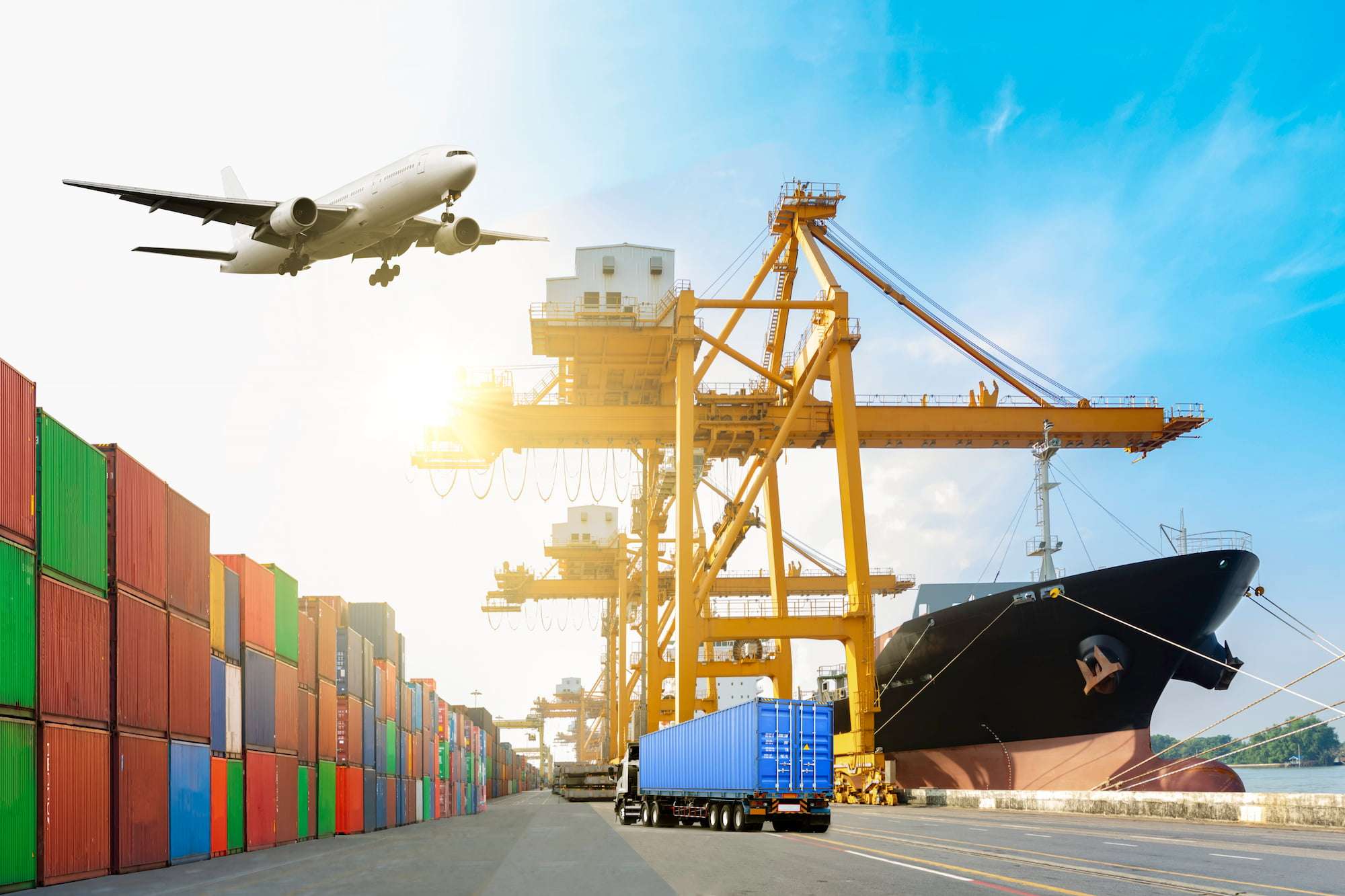
Many of the employees who were furloughed due to the shutdown worked in agencies that directly impact international shipping. Some of these included the CBP (Customs and Border Protection), FDA (Food and Drug Administration), and EPA (Environmental Protection Agency). The result of limited workers was that supply chain processes took longer than usual. A shortage of workers available to inspect importations resulted in longer customs clearance times. With the shutdown also furloughing port workers, transport times increase due to greater port congestion. The delays can fall on truckers who pick up containers from ports due to higher costs. Air cargo was also affected by a 10% reduction in travel capacity at the US’s 40 busiest airports.
What Can Shippers Expect Now That The US Shutdown Has Ended?
As US industries recover from the shutdown, so could importing and exporting internationally. Rising costs that shippers expected due to delays could lessen as ports and carriers return to normal capacity. Shipping times could also return to normal, with various agencies involved in customs clearance resuming regular operations. An example includes specific imports that require certifications from partner agencies, such as the FDA and EPA. It may also be safer to transport perishable cargo, such as certain foods that can spoil due to delays. Despite the current shutdown ending, there is a risk that another shutdown can occur if a final funding agreement is not made by the January 30, 2026, deadline.
With the government shutdown now over, shippers may feel more confident about shipping their cargo internationally. While it can be beneficial to ship during this time, they must prepare correctly when starting. Not being prepared can lead to disruptions, resulting in delays, financial losses, and cargo loss. An ideal way to begin is by contacting a 3PL (Third-Party Logistics) provider, such as A1 Worldwide Logistics. A 3PL is a company that handles various aspects of its clients’ supply chains. These include freight forwarding, customs clearance, warehousing, Domestic shipping, and more. Reach us at info@a1wwl.com or 305-425-9456 to learn about our 3PL services for the success of your shipments.