Trump Wants The Panama Canal
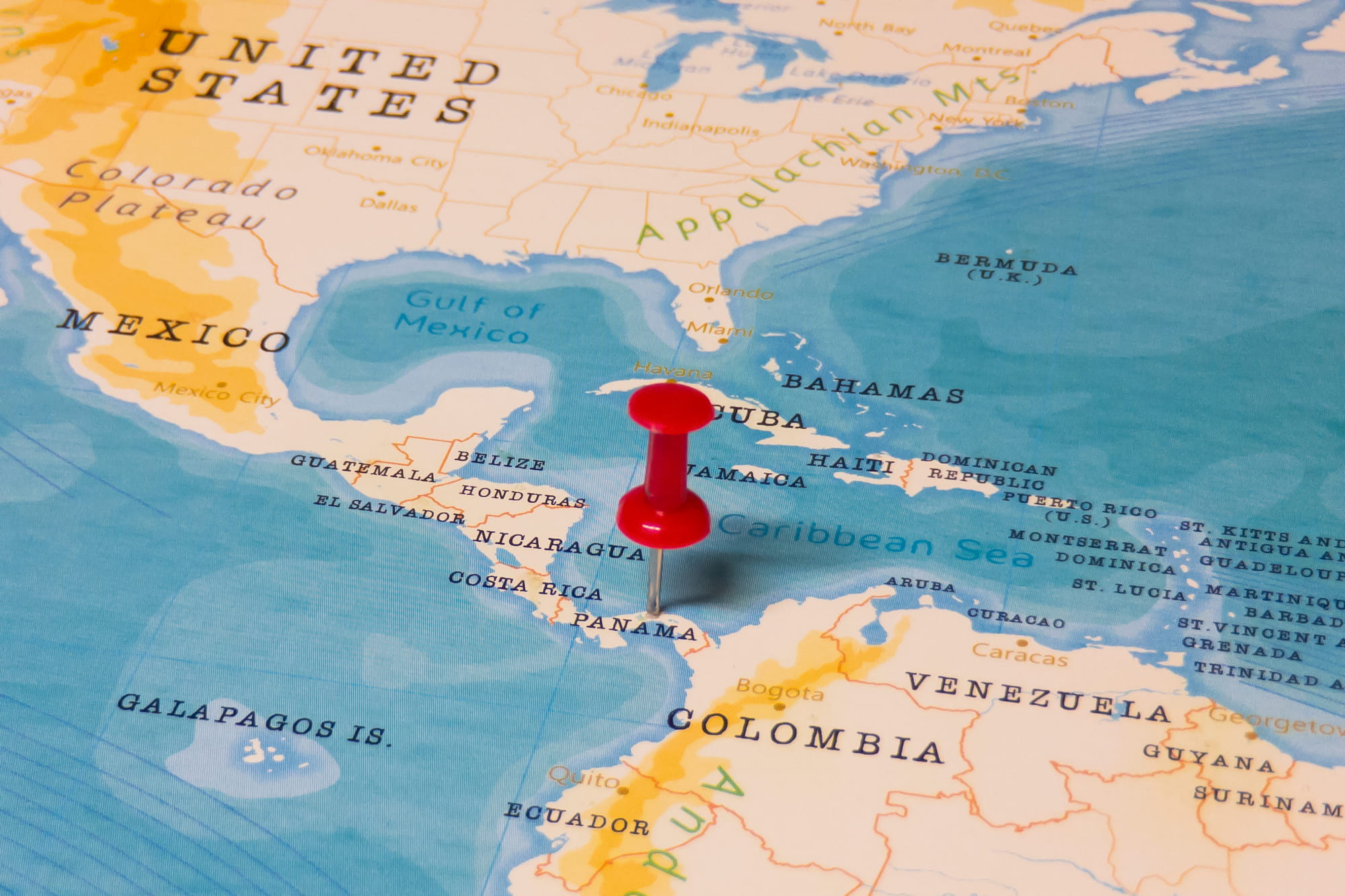
In recent social media posts, it has become clear that President-elect Donald Trump wants the Panama Canal. Trump announced that he would demand that Panama hand over its canal to the U.S. due to the “ridiculous” fees. Rates for vessels passing through have recently increased, driven by a severe drought. Since the U.S. is the primary canal user, they have faced the most significant impact. Originally a U.S. territory until 1999, the handover was a sign of Panama’s sovereignty and a vital economic symbol. Threats to overtake the canal can result in conflict between the two countries and disruptions in global trade.
Why Trump Wants The Panama Canal
One of the primary reasons why Trump wants the canal is because of the fees that Panama is charging. He believes the country imposes excessive rates for U.S. vessels to pass through. Along with costs, Trump has also cited concerns over the canal’s management and importance to the U.S. There have been growing concerns about Panama allowing Chinese soldiers to take control of the canal as well. China is the second largest canal user after the U.S., and Trump believes the country wants more significant influence. A fear is that China could embed surveillance in the canal’s infrastructure, giving critical insight into the U.S.’s logistics.
At a conference, Panama’s President Jose Raul Mulino noted that the canal belongs to his country. Mulino rebuked Trump’s claims, stating that Panama’s sovereignty and independence were non-negotiable. In the news conference, he replied, “There are no Chinese nor any other world power at the canal.” Mulino stated that experts consider factors like supply and demand when determining vessel fees. Despite the threats to take back the canal, various legal obstacles can get in the way. For example, the Neutrality Treaty states that a move to take control of the canal will breach international law and damage U.S. relationships with Latin America.
The Canal’s Importance For International Shipping
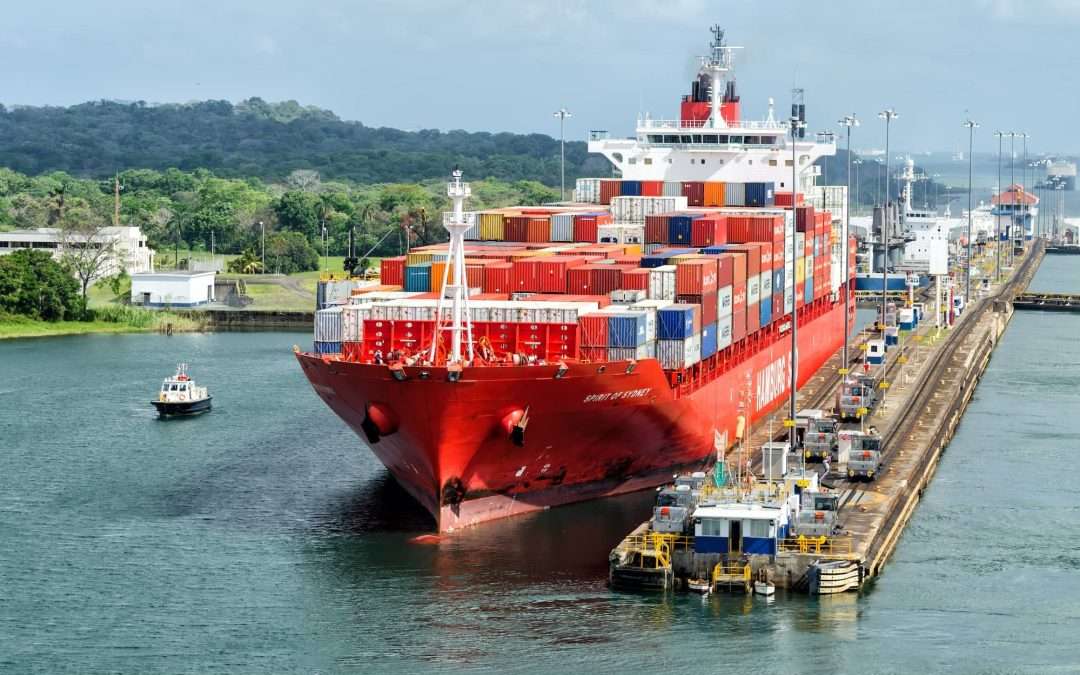
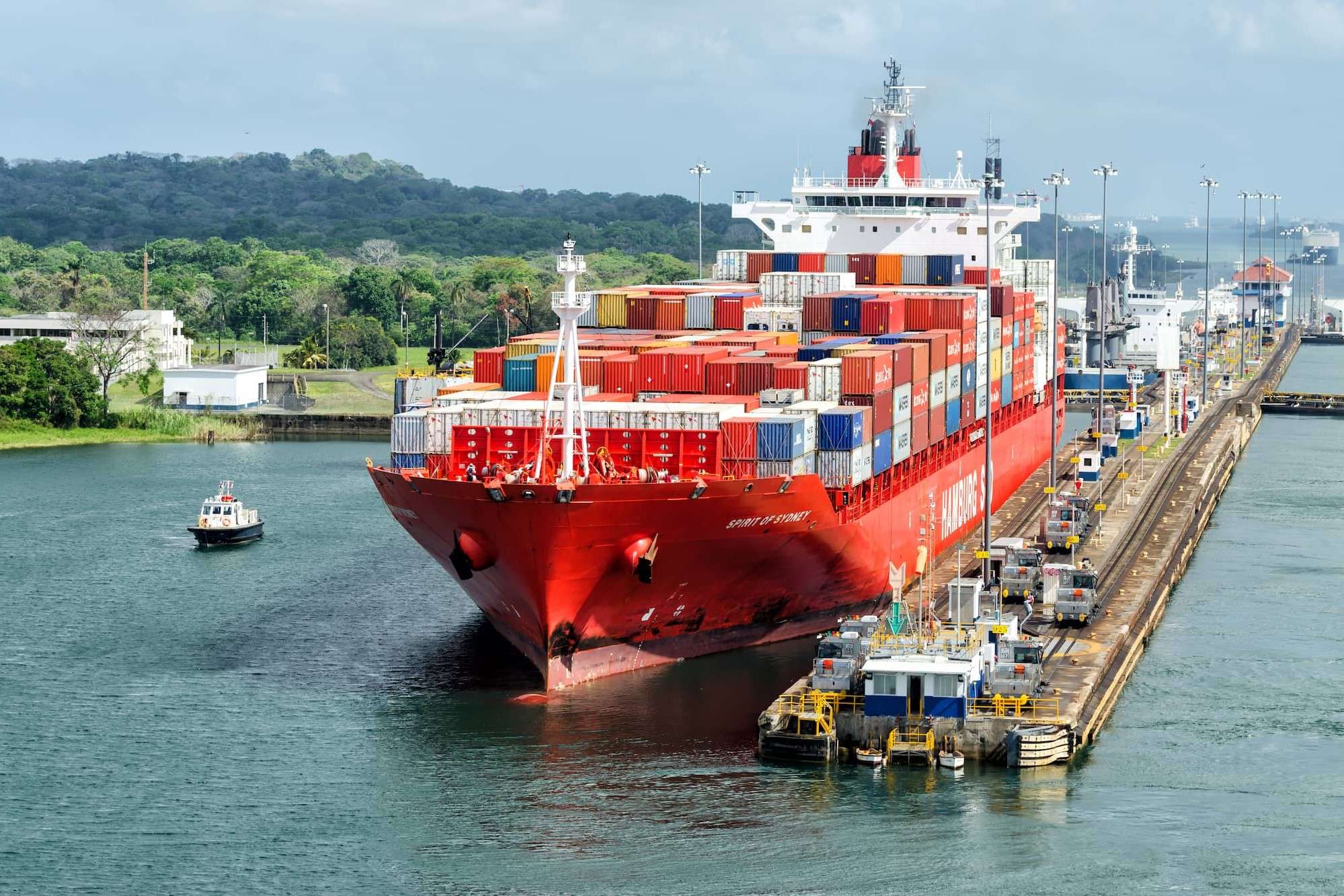
The international shipping industry considers the Panama Canal a critical cornerstone for global freight movement. It accounts for 6% of global maritime trade and 40% of annual U.S. container traffic. Due to its strategic location, it’s ideal for connecting major global markets between Europe, Asia, and the Americas. Before the canal, shipments took longer journeys along the southern tip of South America instead of the shortcut. With its importance, Trump considers the canal a critical national asset for the U.S. The canal impacts the U.S. economy, with numerous industries relying on it for swift and money-shipping shipping routes.
Being current with any situation impacting your shipment is vital when shipping goods globally. It helps the shipper take the necessary action to avoid potential delays or other unfavorable circumstances. Shippers can also benefit from using the assistance of a third-party logistics (3PL) company. 3PLs are service providers that handle various parts of a company or individual shipper’s supply chain. Some of the parts that they handle include customs brokering, international and domestic shipping, warehousing, and more. They also give the best course of action to ensure the success of your shipment. Contact us at 305-440-5156 or info@a1wwl.com to speak to a 3PL provider regarding shipping your cargo internationally.