Trumps Tariffs Are Beginning
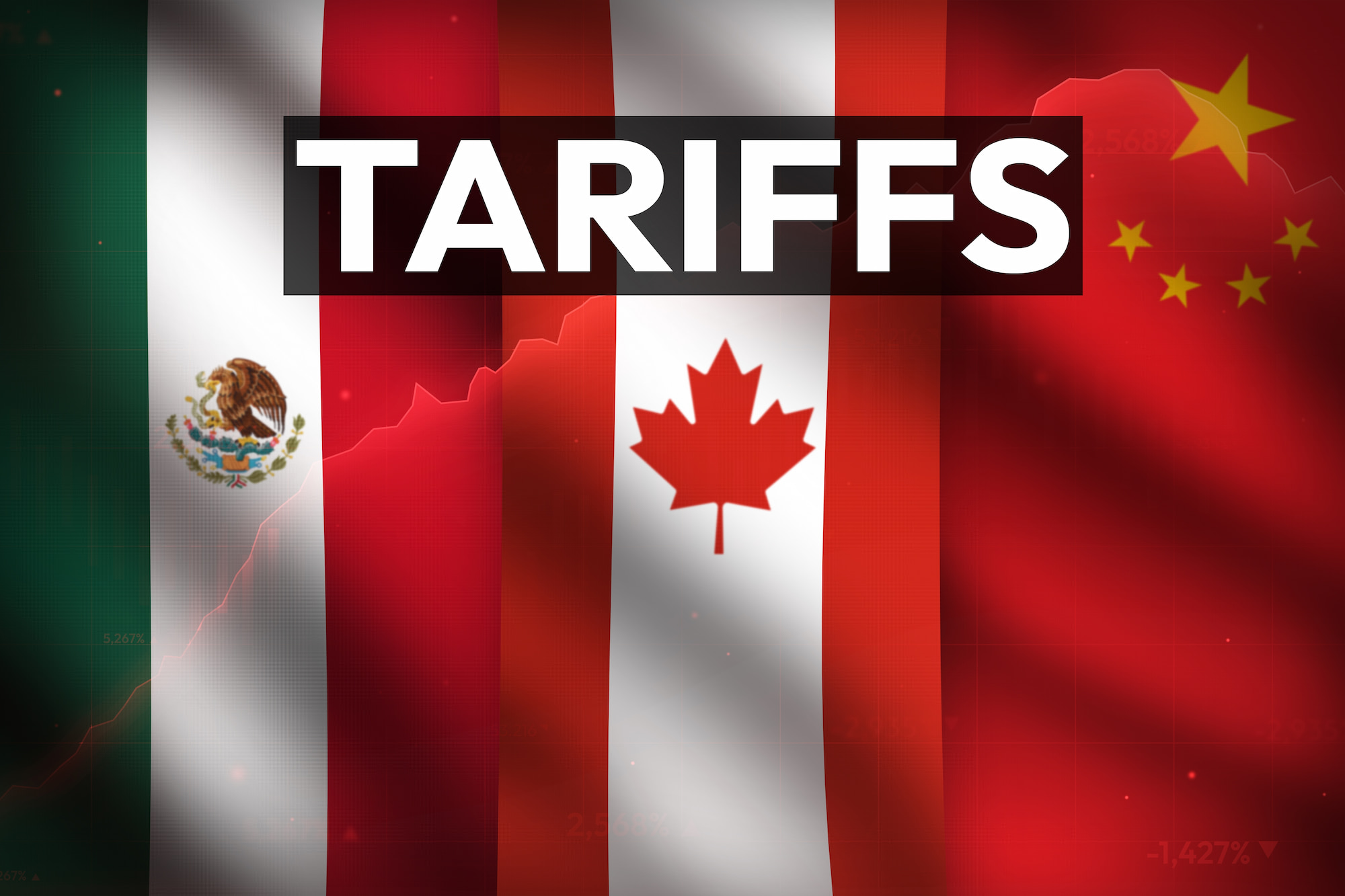
Trump’s tariffs are beginning today after a month-long extension of an executive order signed last month. Imports from Mexico and most goods from Canada will see a 25% tariff hike. Energy products from Canada to the U.S. will see a reduced 10% rate. Initially, the tariffs started on February 1st, but agreements to enhance border security postponed the date to March 4th. Cargo from China will have an additional 10% hike on the 10% Trump signed in February. All Chinese imports will have a 20% tariff on March 10th. The largest U.S. trade partners are Canada, Mexico, and China, so the tax hikes will directly impact international shipping.
Why Is Trump Enforcing Importation Tariffs
President Trump has cited several key reasons for hiking tariffs, including addressing drug trafficking and illegal immigration. Trump stated, “Thousands of people are pouring through Mexico and Canada, bringing crime and drugs at levels never seen before.” The original extension gave the countries bordering the U.S. time to strengthen borders against illegal immigration. China’s 20% hike is to punish the government for failing to stop the importation of Fentanyl into the U.S. Another reason behind the tariffs is to reduce international trade imbalances and bring manufacturing back into the U.S. The Trump administration plans to “level the field” by reducing the trade deficit between the U.S.’s largest trade partners.
The belief is that bringing manufacturing back into the U.S. will stimulate the economy and create jobs. Companies in the U.S. have a separate belief that it will have the opposite effect and hurt the economy. Along with harming the economy, the tariffs will directly impact imports coming into the U.S. from the affected countries. The entire supply chain will feel the extra costs, which could fall directly on the customer. Importers have already begun looking for other countries like Taiwan that are less costly to outsource to. Manufacturers returning to the U.S. could benefit the domestic shipping industry since there will be a greater need for trucking.
Since Trump’s Tariffs are Beginning, How Will U.S. Trade Partners Respond?
Immediately after Trump announced the tariffs, the U.S. trade partners opposed the hike. Canada responded by announcing a 25% hike on numerous U.S. imports totaling nearly $20.7 billion. Along with filing a complaint to the WTO (World Trade Organization), China imposed additional tariffs ranging from 10% to 15% on various U.S. imports. Mexico has yet to announce retaliatory measures; however, President Claudia Sheinbaum has multiple options under consideration. The countries affected by the tariffs could soon add on additional retaliatory tariffs as the trade war continues.
With tariffs starting on three of the U.S.’s biggest importers, the shipper must be ready when importing. Higher shipping costs can strain supply chains and lead to other issues that can fall to the final receiver. Another way to prepare is to speak with a 3PL (third-party logistics) provider like A1 Worldwide Logistics. 3PLs offer various solutions for international shipping, including customs clearance, freight forwarding, warehousing, and more. Reach us at info@a1wwl.com or 205-425-9456 to speak with an expert about exporting or importing into the U.S. We ensure your shipment succeeds and stay with you until your goods reach their final destination.