Port Of Baltimore Reopened
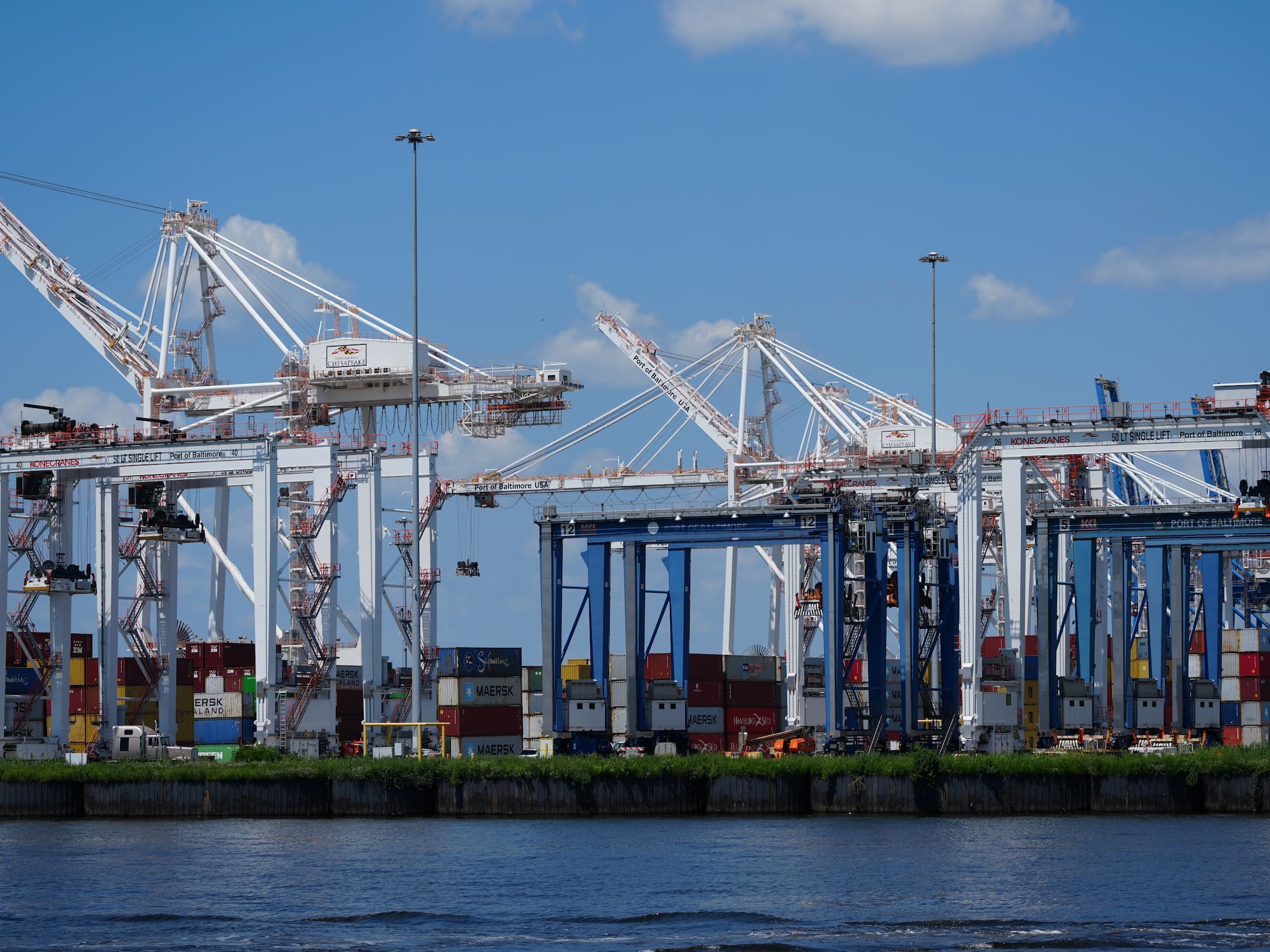
On Wednesday, June 12th, the Port of Baltimore reopened after nearly three months of working at limited capacity. A containership struck the Francis Scott Key Bridge on March 26th, collapsing into the Patapsco River. The bridge collapse resulted in the deaths of six workers and cut off vessel access to the port. Port officials responded by opening temporary alternative channels only for essential vessels and direct responders. Traffic in and out of the main channel was put on halt. The closure of the port led to logistics disruptions for many supply chains. Eleven weeks after the accident, the Fort McHenry channel is now back in regular operations.
How Did The Closing of The Port Affect Shipping?
The Port of Baltimore is known in international shipping as the busiest port in the U.S. in terms of vehicle imports. Along with automobiles, the port is famous for handling sugar, gypsum, construction machinery, and other commodities. Importers and exporters immediately began rerouting their cargo to nearby ports, causing bottlenecks in supply chains. Redirecting shipments also increased delivery time, which was unfavorable for shippers who had to move goods promptly. Congestion in the nearby ports like Savannah, Charleston, and Norfolk also increased due to the traffic moving their way. Some importers have also switched their shipments to West Coast ports, which has posed logistics challenges.
Domestic shipping was also affected by the collapse, with the port being a significant location for RoRo (Roll-On/Roll-Off) operations. Before the accident, approximately 3600 trucks crossed the Francis Scott Key Bridge daily, nearly 1.3 million yearly. Land congestion grew, with the area around the bridge being a significant trade region. This created delays for domestic shipping as well. Along with the cargo movement, the halting of operations also affected the regional economy. Thousands of longshoremen and small businesses have felt the impact of the port closure and bridge collapse. With the port opening up, longshore workers will return to their jobs as operations pick up.
Are Shippers Returning With The Port Of Baltimore Reopened?
When the Baltimore port closed, many regular shippers sought alternative seaports to import their cargo. The monthly general cargo went from almost one million tons in January 2024 to 1,822 tons in April. No importers have reported plans to modify their supply long-term from the closure. The rerouting was more of a short-term plan until operations returned to normal. Shippers that used the Port of Baltimore did so due to its many advantages. Along with its capability to handle numerous cargo types, it’s one of the closest East Coast seaports to Midwestern markets. Traffic has already started to pick up with vessels returning to the port.
Shippers should be aware of many considerations when beginning to move goods internationally. Situations like port closures and other scenarios can deter the shipping process and be unfavorable for the shipper. An ideal way to prepare against any scenario is by getting the assistance of a 3PL (Third Party Logistics) provider. 3PLs offer numerous services for transporting cargo while determining the best course of action for the shipper. Contact A1 Worldwide Logistics at 305-425-9456 or info@a1wwl.com to get started on your shipping journey. Whether it’s the Port of Baltimore or any other port, we help import and export your shipment anywhere globally.