What Are Reverse Logistics?
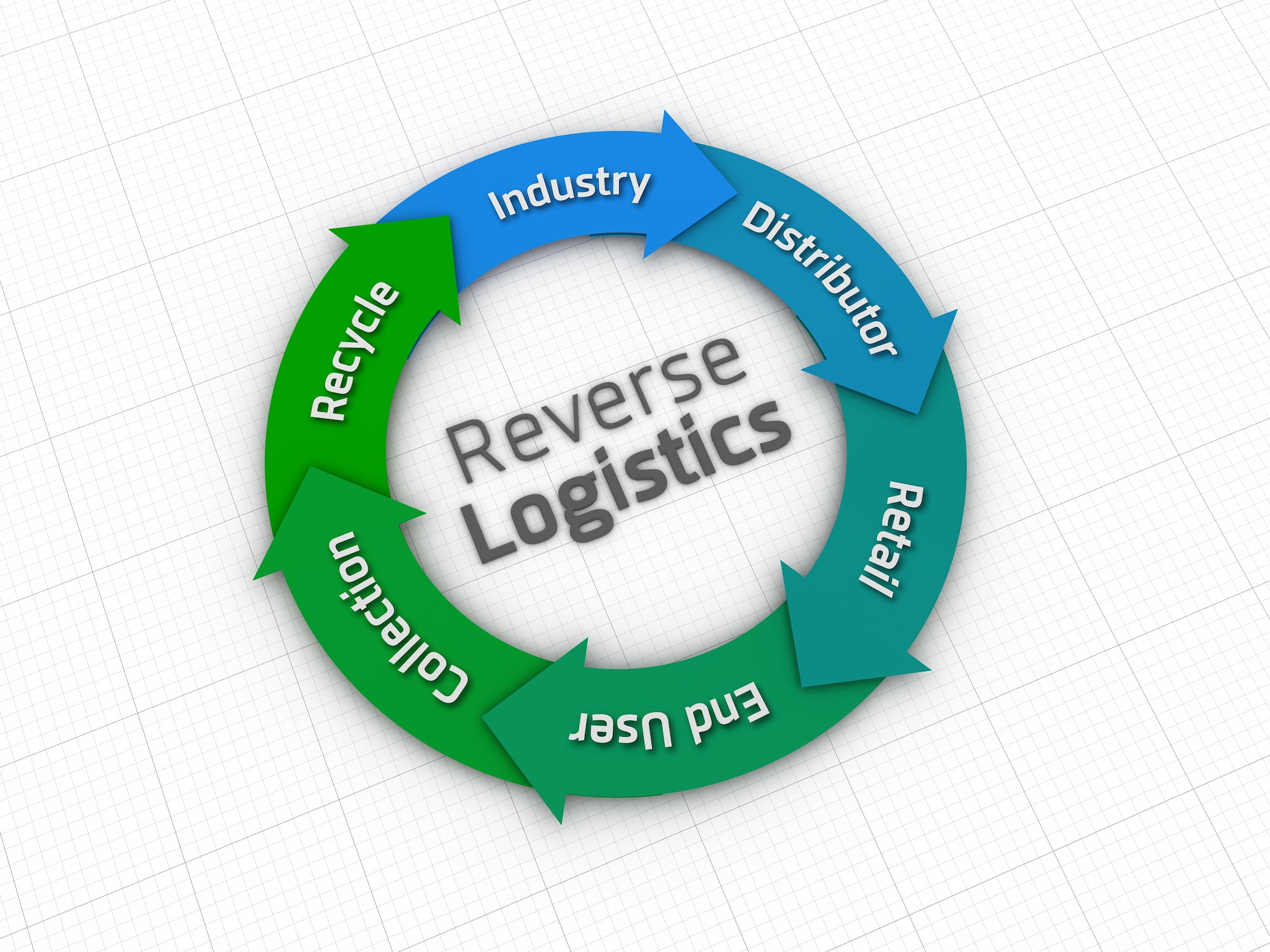
When shipping cargo internationally, it is essential to understand what are reverse logistics. Reverse logistics is the process of returning products from end customers back to the manufacturer or seller. It starts at the end customer and can end at the manufacturer’s warehouse or facility. Similar to the traditional supply chain, it has its challenges and benefits. The recent growth of the e-commerce industry has increased the need for reverse logistics, with product returns becoming more common. Omnichannel retailing, where a business uses multiple connected channels to reach the customer, also increases the importance of returns. Due to its growing popularity, 3PL providers have also adopted reverse logistics in their services.
What Are Reverse Logistics And Why Do Customers Return Cargo?
As previously mentioned, reverse logistics is the supply chain that involves moving the cargo back to the seller. While there are various reasons why reverse logistics occurs, the five primary R’s include:
Returns – One of the most common reasons for reverse logistics is to return cargo. Returns could be for various reasons, including damaged, defective, or goods that fail to meet expectations. The process can involve receiving, testing, inspecting, tracking, etc.
Recalls – A more complex form of return is a cargo recall. Recalls happen when a significant portion of a product is defective or poses a potential hazard. They commonly occur for items like high-tech devices with faulty electronics, and the products may face government regulations.
Repairs – If the damage to the freight the customer is returning is not severe, they may go directly to repairs. The company then identifies the issues, re-manufactures the product, and returns it to stock. For end-of-life products, the company can reuse various functional components.
Replacements – When customers buy an incorrect item, they may want to replace it instead of refunding it. Companies offering this service tend to have advanced fulfillment centers that can quickly pick out and replace the cargo.
Recycling – A more recent use of reverse logistics is for more sustainable practices like recycling. To promote environmental friendliness, customers and companies have placed greater importance on adequately disposing of goods. Various industries have also pushed towards sustainability.
How Is 3PL Used In Reverse Logistics?
Along with the growing importance of reverse logistics, shippers have used 3PL (Third-Party Logistics) providers for these services. Smaller to mid-sized businesses that move goods internationally, in particular, tend to use a 3PL provider for their reverse logistics. The reason is due to the numerous benefits that using a 3PL can offer. For example, they can provide fast and easy returns since 3PLs tend to have a network of carriers and warehouses. This means that the chances of a successful cargo return are high due to the available resources. 3PL providers can also provide expertise and knowledge since their primary purpose is to streamline a supply chain.
Another benefit of 3PLs for reverse logistics services is that it allows for scalability. 3PL providers can scale operations to meet changing demands. Handing reverse logistics services to a 3PL allows a company to focus on other aspects of its business. Contact A1 Worldwide Logistics at 305-425- 9456 or info@a1wwl.com to learn about our logistics services for transporting your shipment. Along with shipping, we provide services like warehousing, importing, trucking, and more to ensure the success of your supply chain.