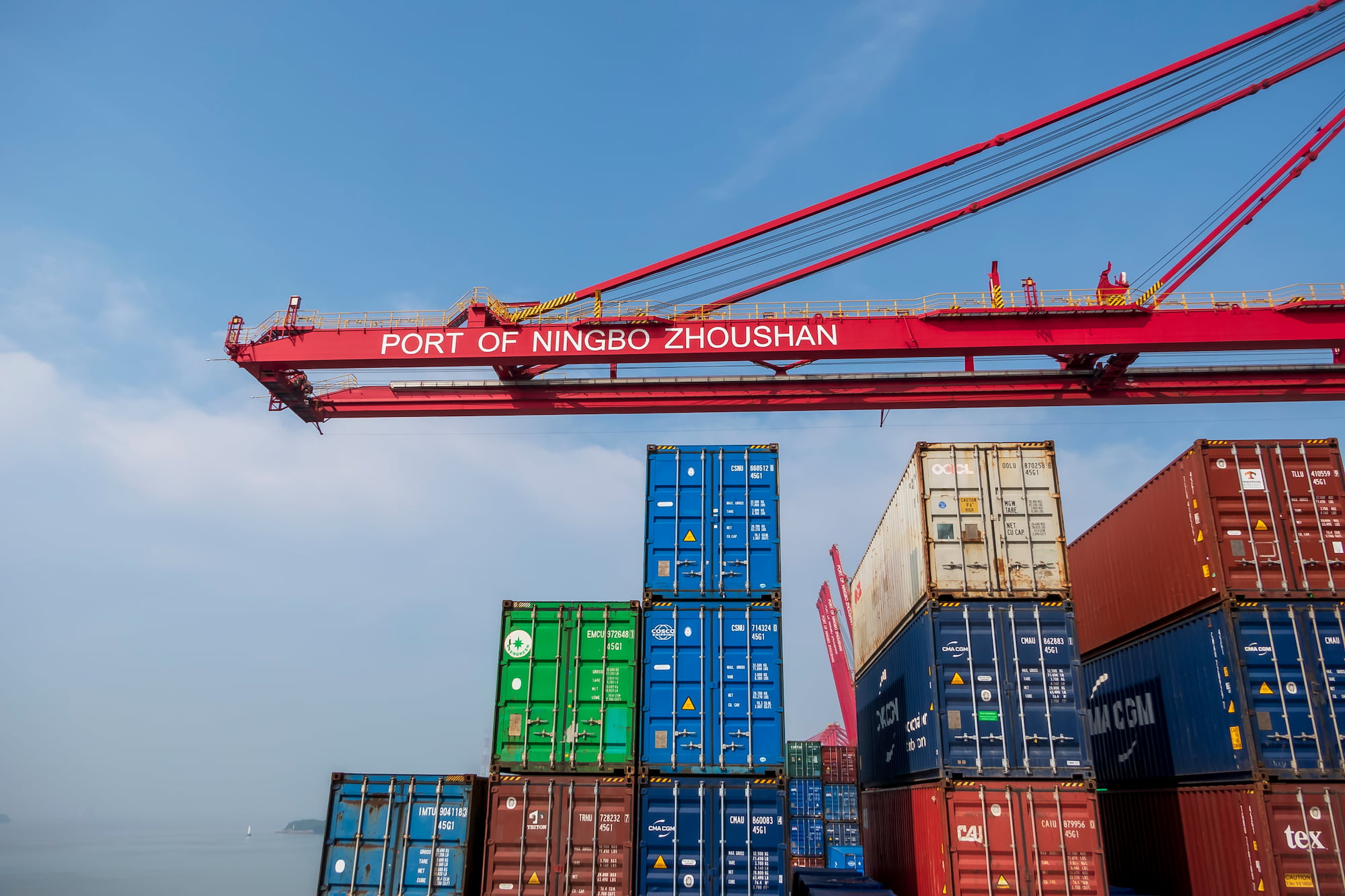
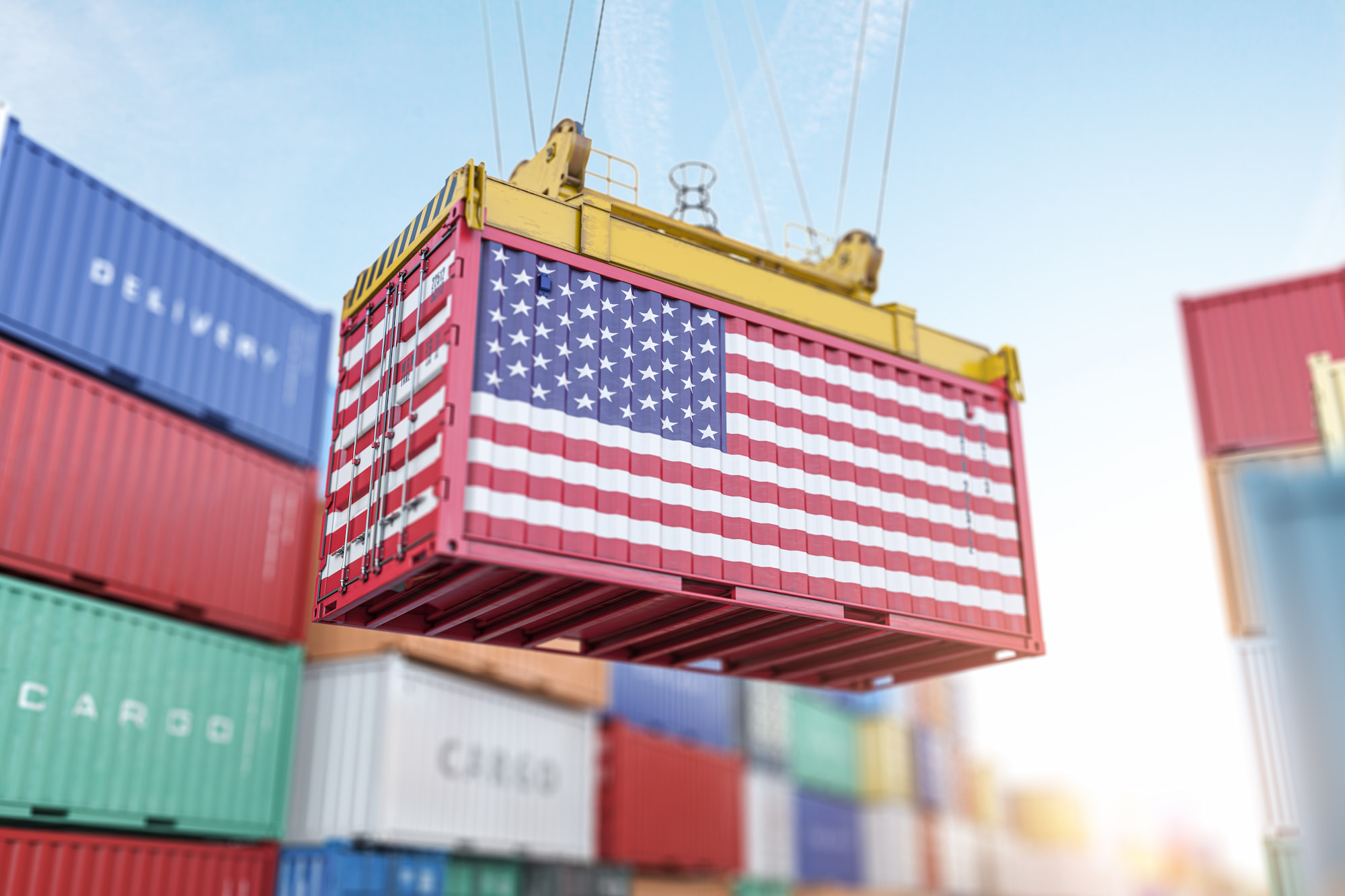
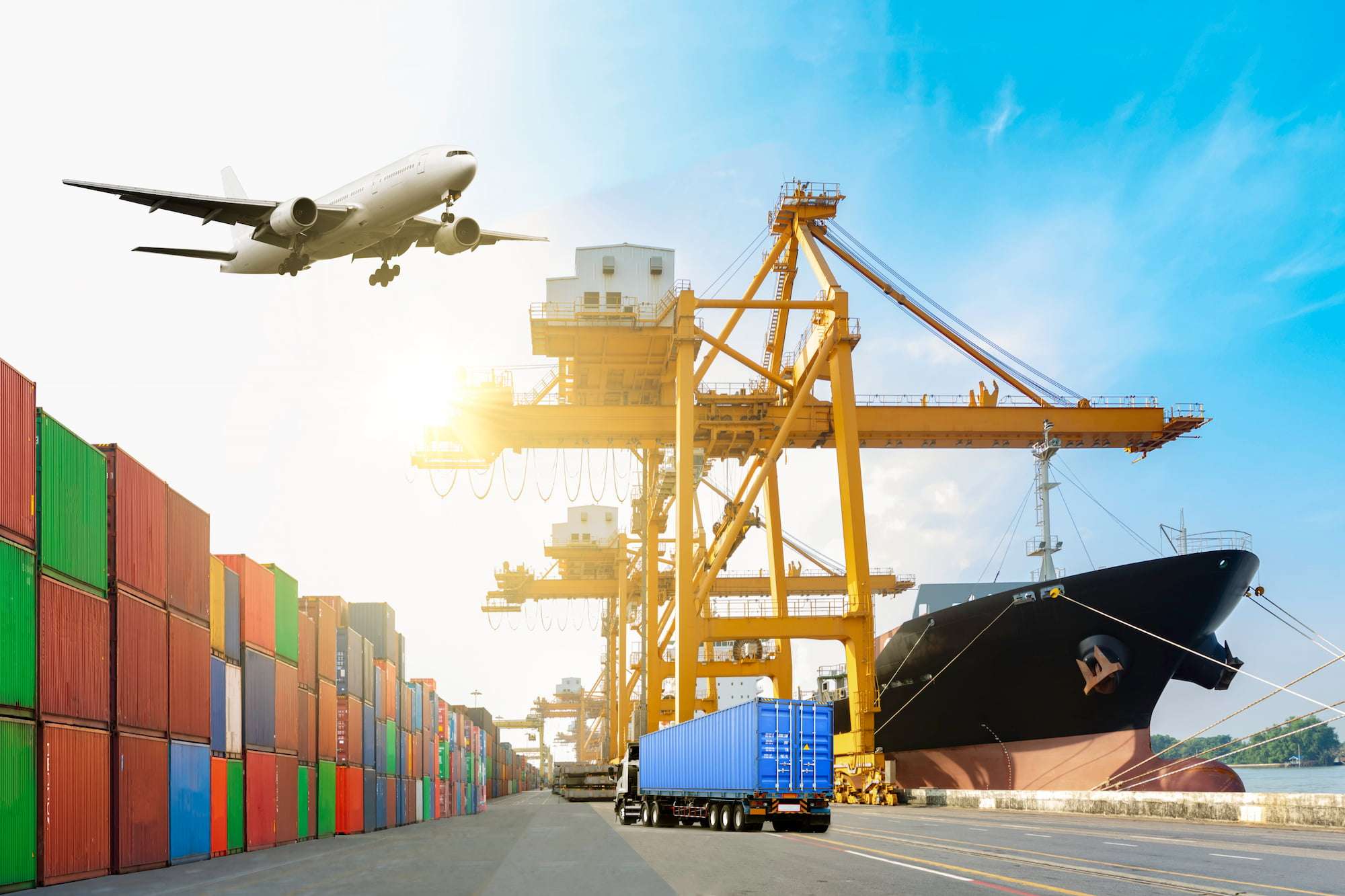
On August 9th, an explosion at Ningbo port halted traffic at the shipping terminal. While a vessel carrying hazardous organic peroxide materials was arriving at Beilun Phase III Terminal, it exploded. The vessel owner has recently reported that the fire is under control, and members on board are safely evacuated. Officials reported no injuries by the blast, but terminal operations are closed until further notice. Ningbo is China’s second largest container port, responsible for more than 100,000 TEUs (twenty-foot equivalents) yearly. In 2023, the port had a volume of 33.35 million TEUs. While the cause of the incident is still under investigation, it may have significant implications for international shipping.
What Does The Explosion At Ningbo Port Mean For Shipping?
Due to the Ningo port’s size, a terminal’s closure may impact many supply chains. The effects could grow with international shipping at the start of the peak season. Peak season is a time of the year when exporters move the most cargo domestically and internationally. A significant consequence of the closure is nearby port congestion resulting from the closed terminal. Port congestion has increased over the past year due to various situations. For example, scenarios like the Iseral-Hamas conflict, the Ukraine-Russia war, and the Baltimore Key bridge collapse grew congestion globally. A typhoon in east China in July 2024 also impacted nearby supply chains.
Another effect of the carrier explosion is that delays in shipments may rise. The delays may not only come from the rerouting of vessels but also from a scarcity of container availability. Trans-Pacific trade lanes moving freight out of Asia may feel most of the impact. Container rates have been rising since the start of 2024 and could continue to surge. Along with the terminal shutdown creating scarcity in available containers, the shipping industry has just entered the peak season. Despite the potential effects, freight analysts believe the situation will not significantly impact the market.
How Can Shippers Prepare?
With the explosion potentially impacting supply chains in international shipping, shippers must be ready. Before deciding to move cargo, exporters must be up to date with any situation that may affect their shipment. Shippers can do this by continuously monitoring news reports for updates. They must prepare for extended delays and deterioration of ocean schedules. Shippers can also prepare by looking for alternative routes or ports to move their cargo. During the Iseral-Hamas conflict, carriers responded to the situation by rerouting through the Cape of Good Hope in South Africa. Another solution is to look for other methods of conveyance, like land or air.
While shipping during disruptions may be daunting, It should not stop you from moving your freight. An ideal way to prepare against any scenario is by getting the assistance of a 3PL (Third Party Logistics) provider. 3PLs offer numerous services for transporting cargo while determining the best course of action for the shipper. They are also with you throughout the shipping process until the goods reach their final destination. Call A1 Worldwide Logistics at 305-440-5156 to speak to a 3PL provider regarding the transport of your cargo. Along with International shipping, we provide solutions like importing, freight forwarding, and more to ensure your supply chain’s success.