ILA Strike Threats Continuing
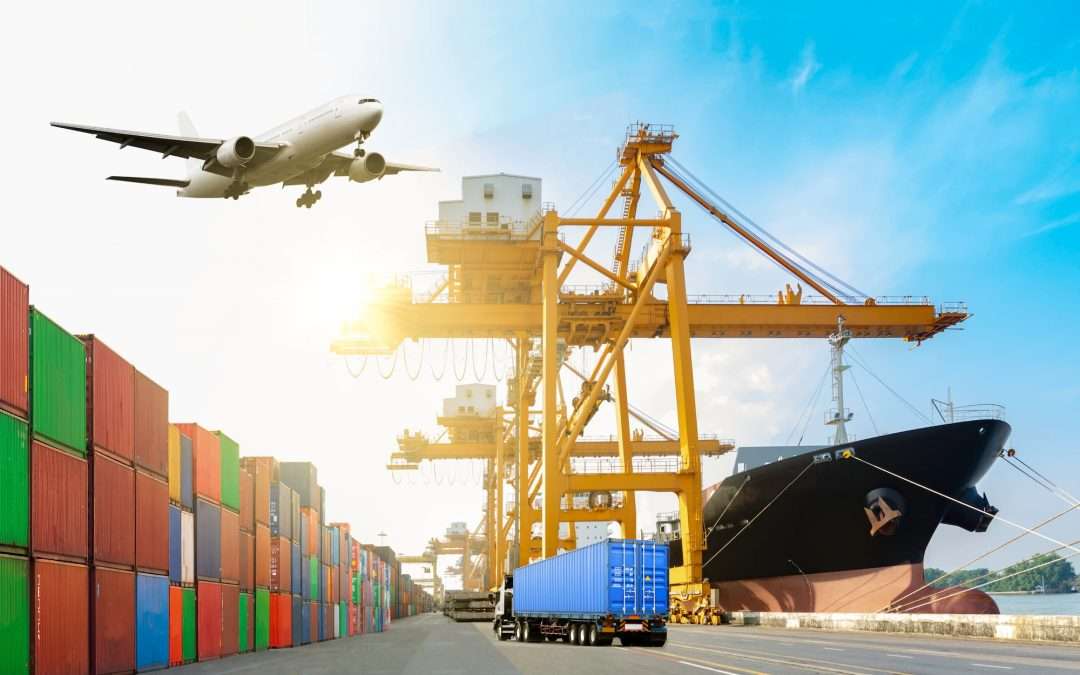
Unresolved negotiations are resulting in ILA strike threats continuing as the October 1st deadline is quickly approaching. The International Longshoreman’s Association (ILA) have been discussing a new contract with the United States Maritime Alliance (USMX). These talks have been unsuccessful as the current six-year contract ends on September 30th. A potential strike will shut down East and Gulf Coast ports and significantly impact international trade. It may also have a disastrous ripple effect through the U.S. economy, as numerous supply chains rely on these ports. With the U.S. import industry worth trillions of dollars, the pressure to find a deal before October 1st is rising.
Why Are The ILA Strike Threats Continuing?
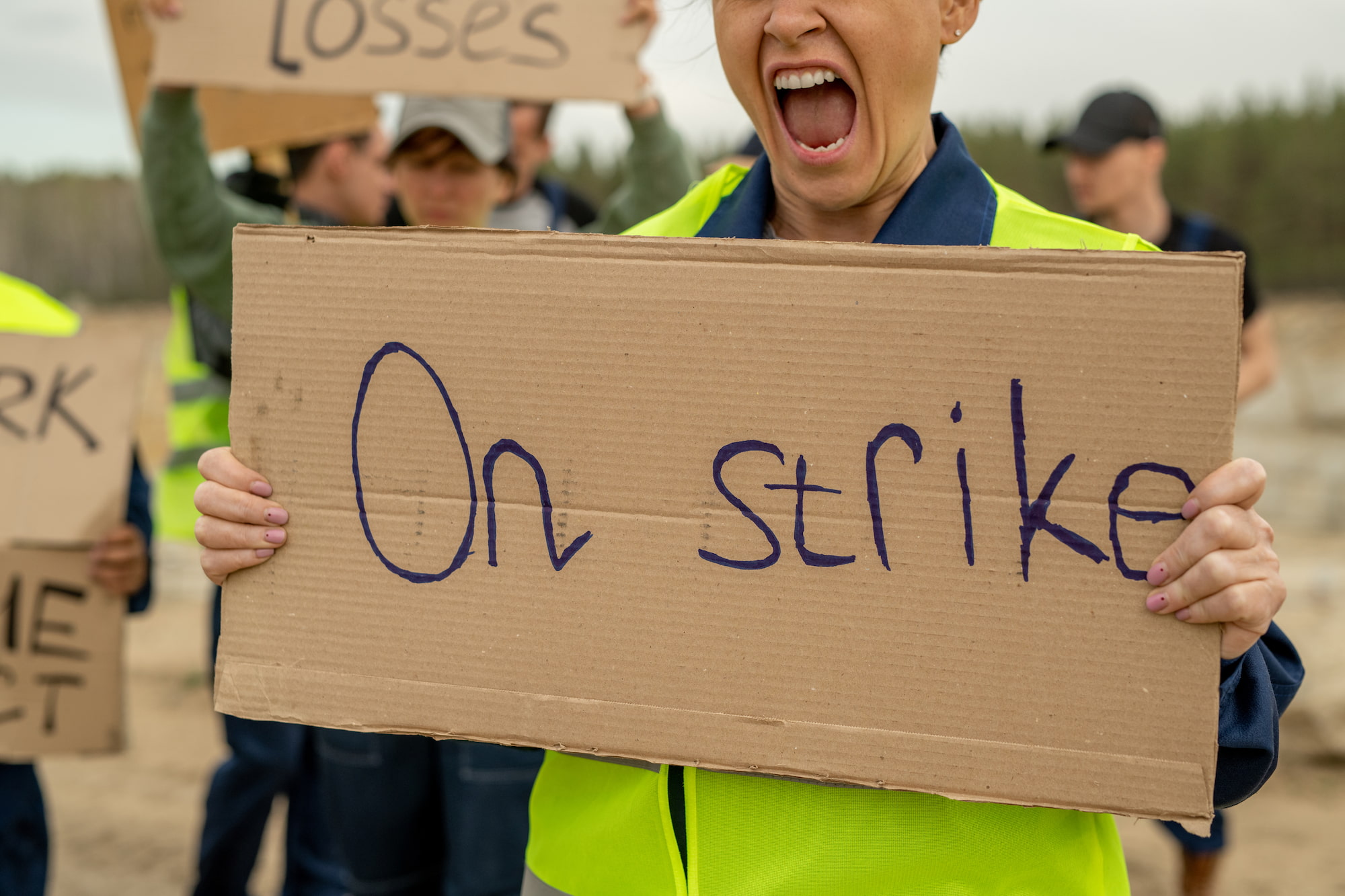
The continuing threats are due to the unresolved resolutions between the ILA and USMX. A primary reason behind the negotiations is for a contract with a higher wage increase similar to the ILWU. In 2023, the ILWU (International Longshore and Warehouse Union) received a 32% hike after weeks of protests. Like their West Coast counterparts, the ILA is fighting for a similar wage increase. The ILA president, Harold Daggett, recently took to social media in a video expressing their displeasure. He notes, “If the employers don’t understand what his members are seeking, I have to go into the street, and we have to fight for what we deserve.”
Harold also believes that the USMX should adequately compensate the ILA for working continuously during the pandemic. Along with better pay, a significant issue has been pensions. While the ILWU has a single coast-wide retirement, part of the ILA does not have one. The workers that do have lower pensions compared to the ILWU. Terminals at the Port of Mobile in Alabama have also used an Auto Gate system that automatically processes trucks. The ILA notes that this system violates the current contract by removing the dockworker’s jobs. Vice President Dennis Daggett says, “We’re not going to allow that cancer to come here on the East Coast”.
Cargo Shifting To The West Coast?
East and Gulf Coast ports are responsible for nearly 43% of all U.S. imports and are critical for trade. With strike threats affecting many supply chains, shipments have already begun moving to West Coast ports. This is similar to the 2022 ILWU protests, where West Coast port imports switched to East Coast ports. The fear is that a potential strike can lead to port congestion due to a volume increase. Imports that come into the U.S. already tend to rise during this period because of the holiday season. Analysis reports that a two-week walkout could result in a slowdown that will take until 2025 to clear.
Port congestion can have numerous other challenges in shipping. Volume increases that come from strikes lead to delays that disrupt supply chains. Delays also look unfavorable for companies with customers that rely on imports. Along with supply chain disruptions, congestion can increase overall costs to ship cargo, such as demurrage. Demurrage is a fee the shipper must pay for containers that remain at the port past the allotted time. Container rates may continue to rise further from the protests since they rose over the last year. Various importers and exporters relying on East Coast ports are urging both sides to continue negotiations. Reach A1 Worldwide Logistics at 305-440-5156 or visit our website to keep up to with the current situation.