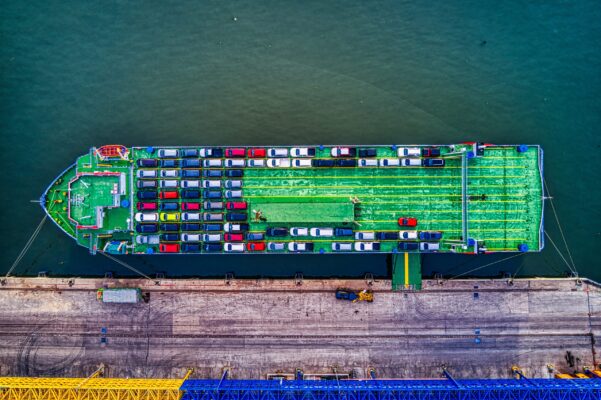
A Port Strike Is Imminent
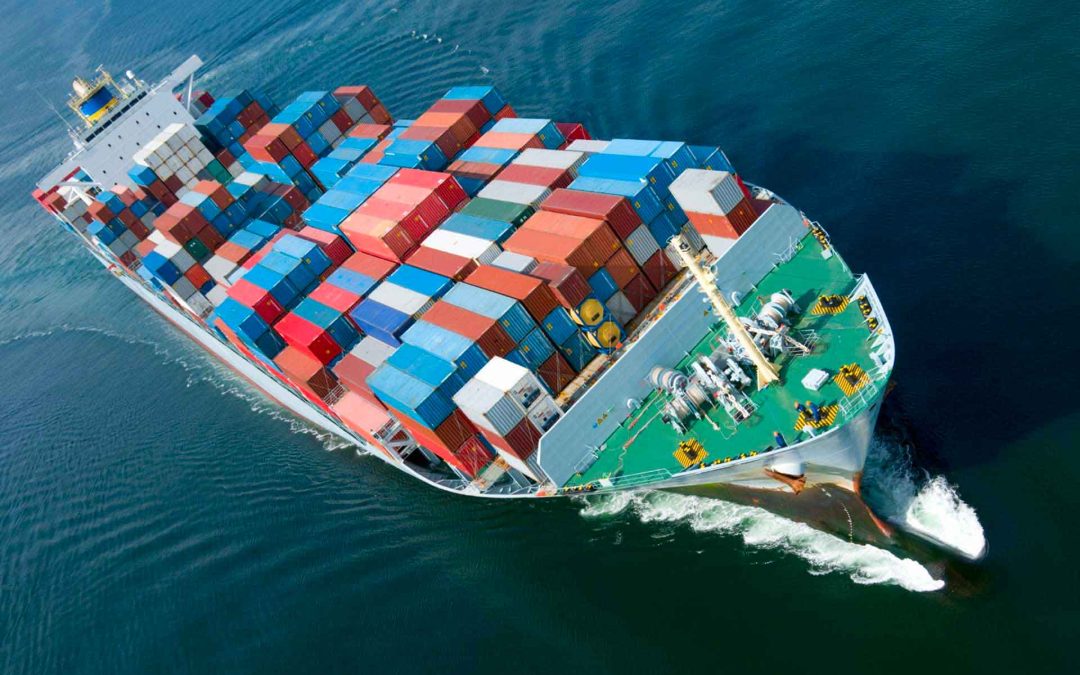
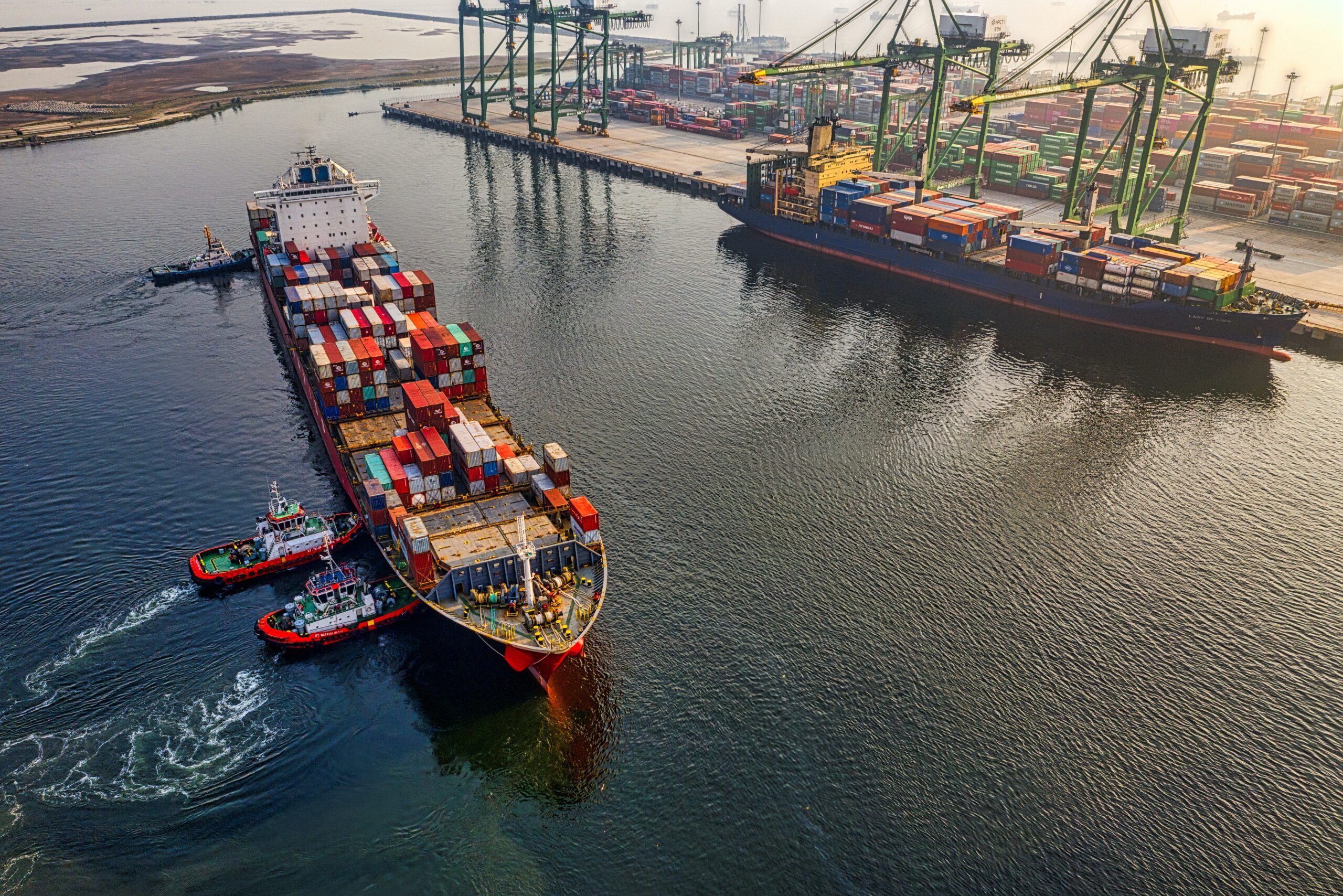
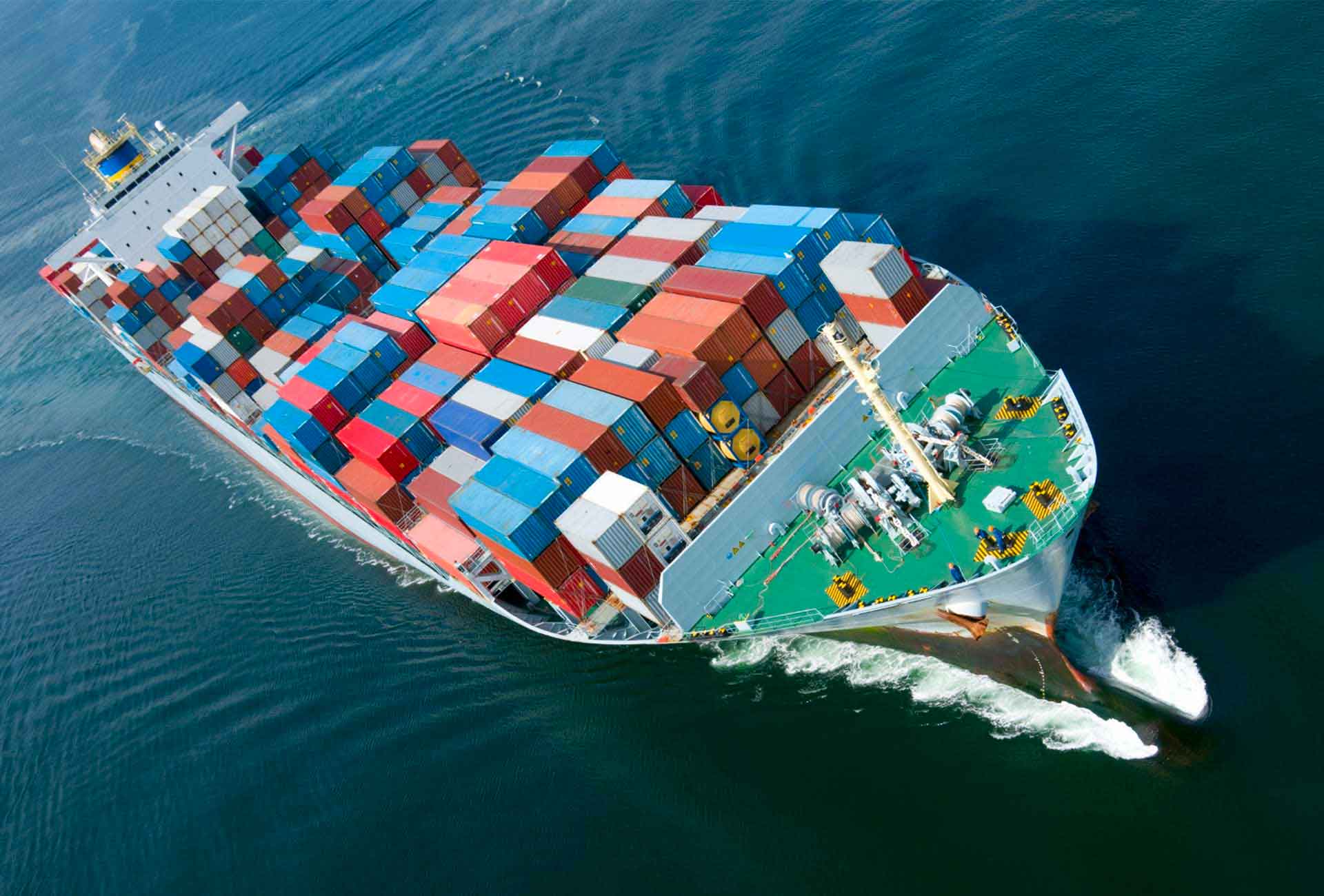
A port strike is imminent at midnight September 30th with International Longshoremen Association (ILA) dockworkers. The ILA has been in talks with the United States Maritime Alliance (USMX) over a new contract. This contract includes higher wages and limits the use of automated technology at ports. These efforts have been unsuccessful and have stopped with the current six-year agreement, which will soon expire. A potential strike would shut ports along the East and Gulf Coasts, severely disrupting domestic and international trade. This could trigger a ripple effect across the U.S. economy, as many supply chains rely heavily on these ports. With the U.S. import industry valued in the trillions, a strike may significantly impact international shipping.
What Can This Mean For Shipping?
Along with shutting down East and Gulf Coast ports, a strike could cause delays in numerous supply chains. This is because East and Gulf Coast ports are responsible for nearly 43% of all U.S. imports. Delays can lead to monetary loss and look unfavorable for importers that have customers. In addition to delays, shipping costs are likely to surge. Port closures often lead to higher freight rates due to constrained capacity, demurrage, and detention fees. Some shippers have already begun rerouting to West Coast ports, though this solution risks overburdening those ports, creating new delays. Shippers are also exploring alternatives like land and air, though they could raise costs even further. Industries such as retail and manufacturing have been calling for both parties to resolve, hoping to avoid a multibillion-dollar disruption. With the holiday season approaching, many companies have preemptively shifted goods or brought in products early to avoid shortages. Retailers fear that shelves may not be fully stocked for the holidays. Manufacturers risk production slowdowns if carriers don’t deliver critical materials. Other industries, like construction, automotive, and farming, will also feel the impact of a strike on their supply chains.
Since A Port Strike Is Imminent, How Can You Prepare?
Due to the impact of a strike, it is essential to take steps to prepare for what may occur. An option is to delay shipments until the strike ends. Freight leaving its origin after September 20th will likely be affected, so rerouting to West Coast ports could be the best solution for goods in route. However, it’s important to note that West Coast ports are already congested, meaning longer transit times may occur. Alternative conveyance methods, such as land or air transport, could help ensure timely delivery for high-priority shipments. Ports across the U.S. East and Gulf Coast have already been preparing for a potential strike in various ways. Some of the ways include extending gate hours for trucks before the strike occurs. As the strike deadline nears, staying informed is vital, and you can do this by regularly checking news updates. Another effective strategy is working with a freight forwarder. Forwarders ensure the transport of your cargo efficiently and safely while minimizing costs. They also provide valuable guidance, helping you navigate disruptions and choose the best shipment plan. A1 Worldwide Logistics offers freight forwarding services and a range of solutions to handle the effects of a potential strike. Contact us at 305-425-9513 or info@a1wwl.com for assistance with your imports and exports.