25% Tariffs on February 1st
President Trump announced that he will impose a 25% tariff on February 1st for imports from Canada and Mexico. Last year, Trump revealed that he would implement the tariff hike during his first day in office. The president postponed the date to create an “External Revenue Service to collect tariffs and identify unfair practices. Along with the two countries, there are plans to implement tariffs of 10% to 60% for goods from China. Trump also raised the idea of a “universal tariff” but noted that the U.S. was not ready yet. With the countries impacted by the taxes bringing in hundreds of billions yearly, a tax increase can significantly affect trade.
Why Is Trump Imposing 25% Tariffs On February 1st?
Trump noted that he would implement tariffs on the imports for reasons including illegal immigration and drugs entering the U.S. In 2024, the president stated, “As everyone is aware, thousands of people are pouring through Mexico and Canada, bringing crime and drugs at levels never seen before.” China is also the most popular illegal importer of fentanyl into the U.S. Another reason for the tariff increase is to increase domestic manufacturing by making importation more costly. Trump believes creating new jobs in the U.S. will reduce the federal deficit and lower food prices.
While Trump believes the tariffs will benefit the U.S., it has faced backlash from the countries impacted. The biggest trade war in decades could be possible with approximately 75% of Canada’s imports going to the U.S. Canada’s prime minister noted, “If the president does choose to proceed with tariffs, Canada will respond – and everything is on the table.” The countries affected by the taxes may impose their retaliatory tariff. Trump’s proposed hikes could also face legal challenges from existing trade agreements like the USMCA (United States-Mexico-Canada Agreement). Signed into effect in 2020 by Trump, he will have the opportunity to renegotiate the deal in 2026.
How Will The Tariff Hikes Impact International Shipping?
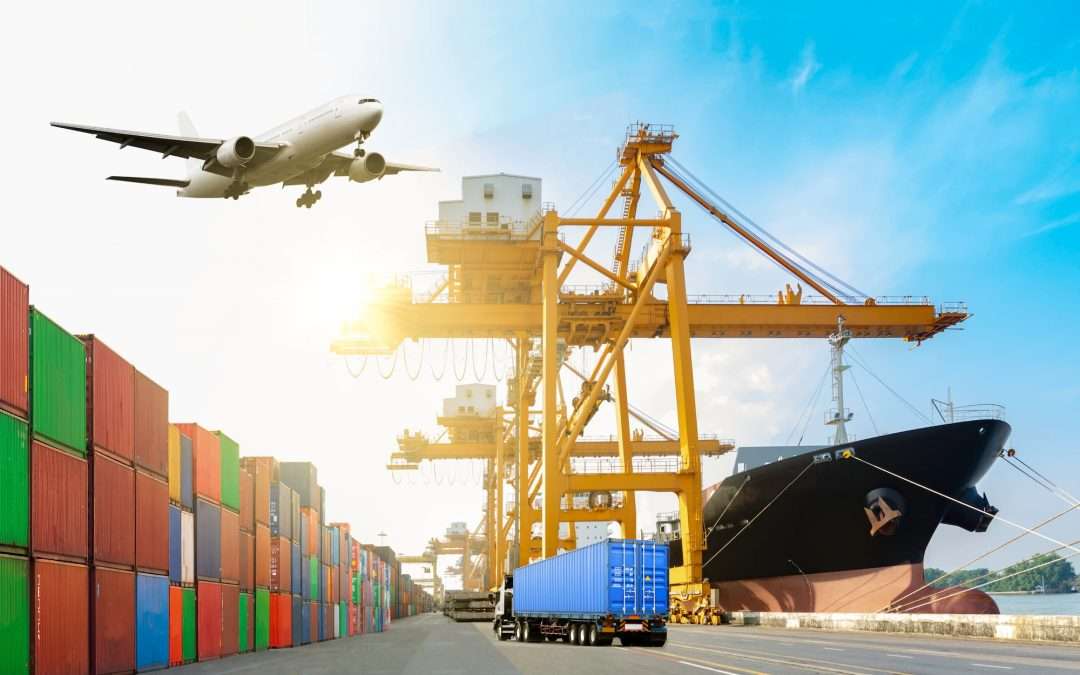
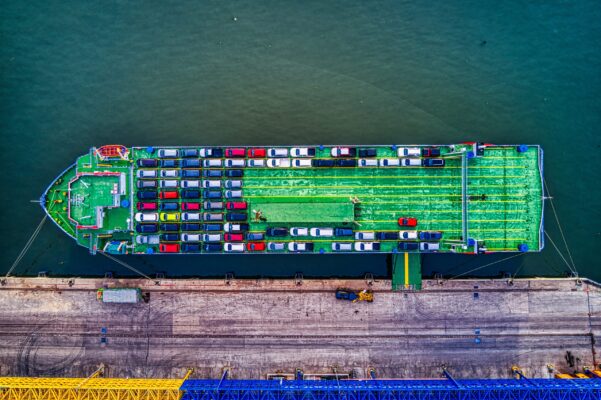
Mexico, Canada, and China are the U.S.’s biggest importers, meaning a tariff hike can significantly impact international shipping. Higher tariffs could increase shipping costs and disrupt supply chains. Companies from industries like the automotive industry rely on importation, and sourcing production back to the U.S. can be challenging. Economists argue that increasing import taxes could lead to inflation and job loss. While the increase will affect moving cargo internationally, it will also impact domestic shipping. Drayage services that transport port imports could see a decline in volume, resulting in led business. To combat the tariff increases, U.S. importers may begin outsourcing to different countries. Various companies have already considered relocating production to the U.S. in response to the tariffs.
With the rise in tariffs potentially affecting both the shipper and businesses, you must take steps to mitigate disruptions. Failure to take the correct steps can lead to delays, monetary loss, and cargo loss. An ideal solution is to consider partnering with a trusted third-party logistics (3PL) provider. 3PLs offer solutions for navigating the complexity of international shipping and ensuring a successful shipment. These solutions include freight forwarding, warehousing, customs brokerage, and supply chain management. Reach A1 Worldwide Logistics at 305-425-9456 or info@a1wwl.com to speak to an expert regarding your cargo’s movement.